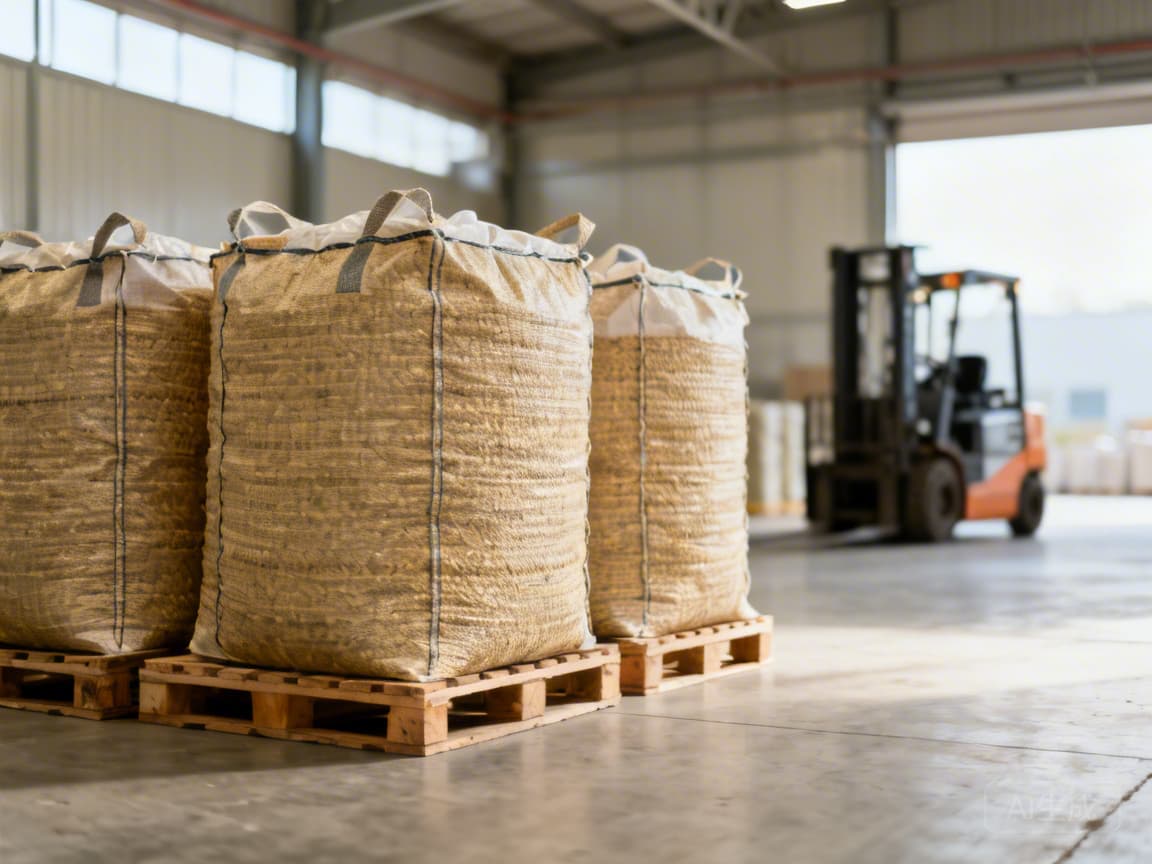
Quantify Your ESG Impact: FIBCs Reduce Supply Chain Emissions by 30%
RUNCHEN
AuthorWith more than 25 years of experience in FIBC bulk bag manufacturing and sales, RUNCHEN operates its own production facility with stable batch capacity. We specialize in FIBC bulk bags, jumbo bags, ton bags, and customized industrial packaging solutions.
Quantify Your ESG Impact: FIBCs Reduce Supply Chain Emissions by 30%
For procurement and supply chain leaders, the Flexible Intermediate Bulk Container (FIBC or bulk bag) has long been viewed through a singular lens: a cost-effective container. Yet, as global regulations tighten and stakeholder demand for sustainability soars, this perspective is dangerously outdated. The packaging industry is undergoing a seismic shift. Driven by environmental policies, the green packaging market share in China has expanded to 80%, with the broader packaging paper market projected to exceed one trillion yuan by 2025. This isn't just a trend; it's a fundamental restructuring of value. The modern FIBC is no longer a passive vessel but a strategic, data-rich asset capable of delivering measurable Environmental, Social, and Governance (ESG) outcomes and unparalleled supply chain resilience.
From Cost Center to Strategic ESG Enabler
The disconnect between macro sustainability goals and micro-level procurement is a critical business challenge. Companies face mounting pressure to report precise emissions data and reduce Scope 3 supply chain footprints. Here, the FIBC transforms from a commodity into a solution. By leveraging designs focused on recyclability, recycled content, and even bio-based materials like PLA (a market projected to reach 6.45 million tons by 2028-2030), FIBCs directly contribute to a circular economy.
The key is quantification. Forward-thinking manufacturers are now providing clients with lifecycle analysis models that translate FIBC specifications into tangible ESG metrics. For instance, switching from virgin polypropylene to a high-percentage recycled-content FIBC can be calculated to reduce carbon emissions by a specific kilogram-per-use. This data directly feeds into the client's own sustainability reporting, satisfying demands from downstream customers and regulators, particularly in strict markets like Europe.
Driven by environmental policies, demand for degradable and recyclable packaging paper has climbed significantly, with green packaging market share expanding to 80%.
Consider a hypothetical but credible case: A global food ingredient supplier partners with its FIBC manufacturer to implement a certified closed-loop recycling program. Each bag is tracked and returned, processed, and woven into new FIBCs. The outcome: the supplier eliminates XX tons of packaging waste annually, reduces its reported packaging-related emissions by 30%, and secures preferred supplier status with a major consumer brand focused on sustainable sourcing. The FIBC becomes a lever for competitive advantage, not just a line-item cost.
The Data-Driven Evolution: The "Smart" FIBC Asset
Parallel to the sustainability imperative is the digital transformation of supply chains. Success in other B2B sectors proves the power of data. One Fortune 500 tech company leveraged AI-powered analytics to achieve a 42% reduction in customer acquisition cost and a 156% increase in conversion rates. This logic applies powerfully to physical assets like FIBCs.
Imagine managing your packaging with the same analytical rigor as your inventory. The next generation of "Smart FIBCs" embeds technology such as RFID tags or QR codes, turning each bag into a traceable data node. This enables:
- Predictive Performance Analytics: Tracking trip history, fill/discharge cycles, and location to predict maintenance and optimize lifespan.
- Condition Monitoring: Integrated sensors can detect moisture ingress or severe impacts during transit, alerting teams to potential material contamination or bag failure before it causes production downtime.
- Loss Prevention & Optimization: Real-time visibility into asset location reduces loss and improves turnaround times for reusable systems.
A practical application: A建材 manufacturer using sensor-equipped FIBCs discovers that a specific transport route consistently records high-impact events. By rerouting, they reduce bag rupture rates by XX%, saving significant replacement costs and preventing production line stoppages due to contaminated or lost raw materials. The FIBC actively communicates risk, enabling proactive supply chain management.
Implementation Roadmap: Actionable Steps for Procurement Teams
Transitioning to a strategic FIBC partnership requires a shift in evaluation criteria. Move beyond price-per-unit and integrate these steps into your sourcing process:
- Conduct a Packaging Audit: Analyze your current FIBC spend, usage patterns, and disposal costs. Quantify total cost of ownership (TCO), including hidden costs of failure, waste, and manual handling.
- Define ESG & Data Requirements: Engage your sustainability and logistics teams. What emissions data do you need to report? What supply chain blind spots (e.g., transport damage, asset loss) would you like to eliminate? Translate these into technical specifications for potential FIBC partners.
- Partner, Don't Just Purchase: Seek manufacturers who offer collaborative design, lifecycle assessment tools, and technological integration for tracking. Their expertise should help you navigate material choices (e.g., food-grade, anti-static, biodegradable) and compliance, such as the EU's stringent Packaging and Packaging Waste Regulation.
- Start with a Pilot: Implement a smart, sustainable FIBC program for a specific product line or facility. Measure performance against the old baseline on KPIs like cost-per-successful-delivery, waste reduction, and carbon footprint. Use this data to justify broader rollout.
The future of packaging is intelligent, sustainable, and integral to supply chain strategy. By redefining the FIBC as a quantifiable ESG asset and a data-driven risk mitigation tool, forward-thinking companies can unlock unprecedented efficiency, resilience, and competitive value. The question is no longer what your bulk bags cost, but what strategic value they can deliver.
Related News
Other news you might be interested in
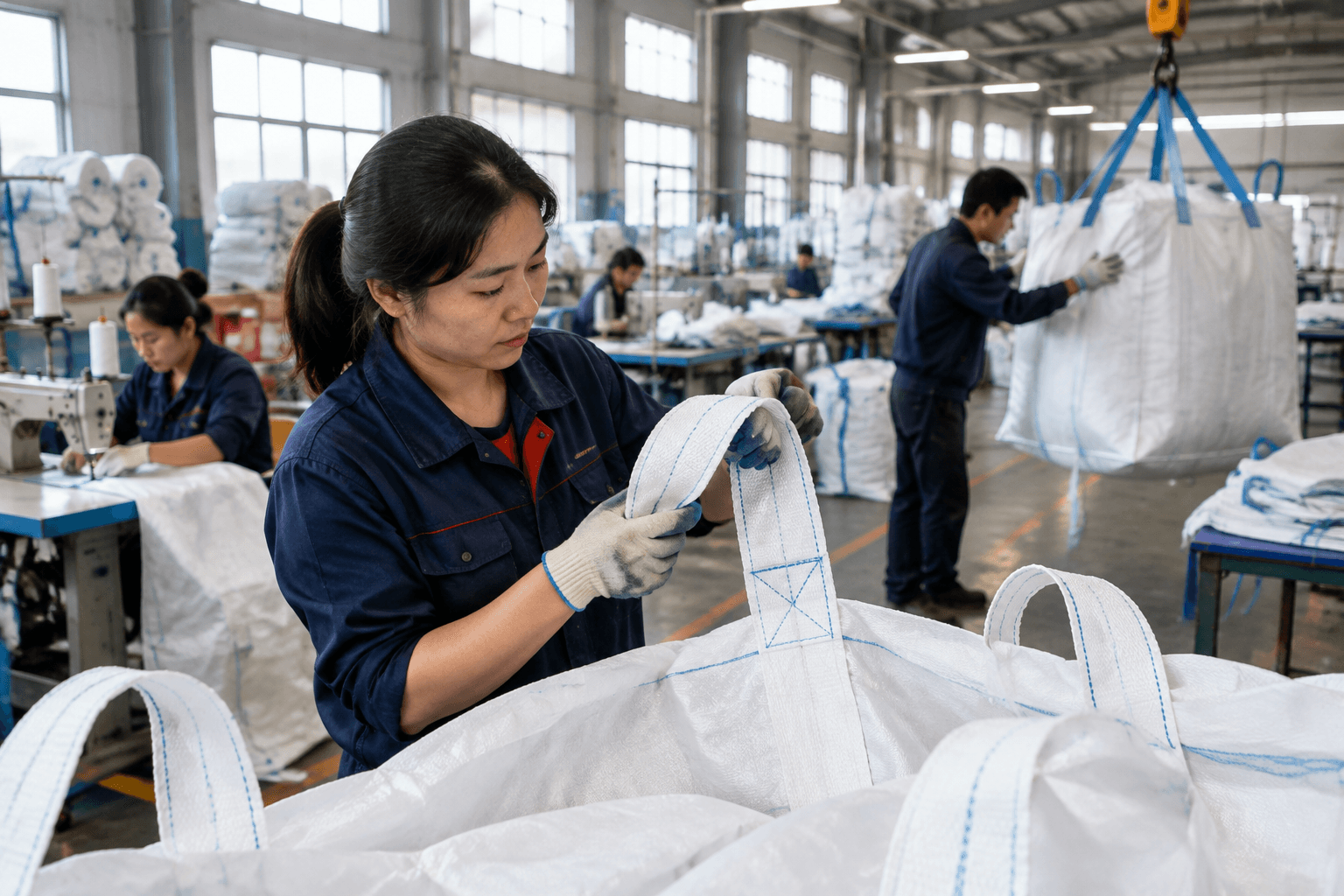
Choosing the Right Bulk Bag Manufacturer for Safer, More Efficient Operations
Learn how to specify bulk bags, evaluate manufacturers, and validate quality and supply reliability to reduce operational risk and support safer, more efficient handling.
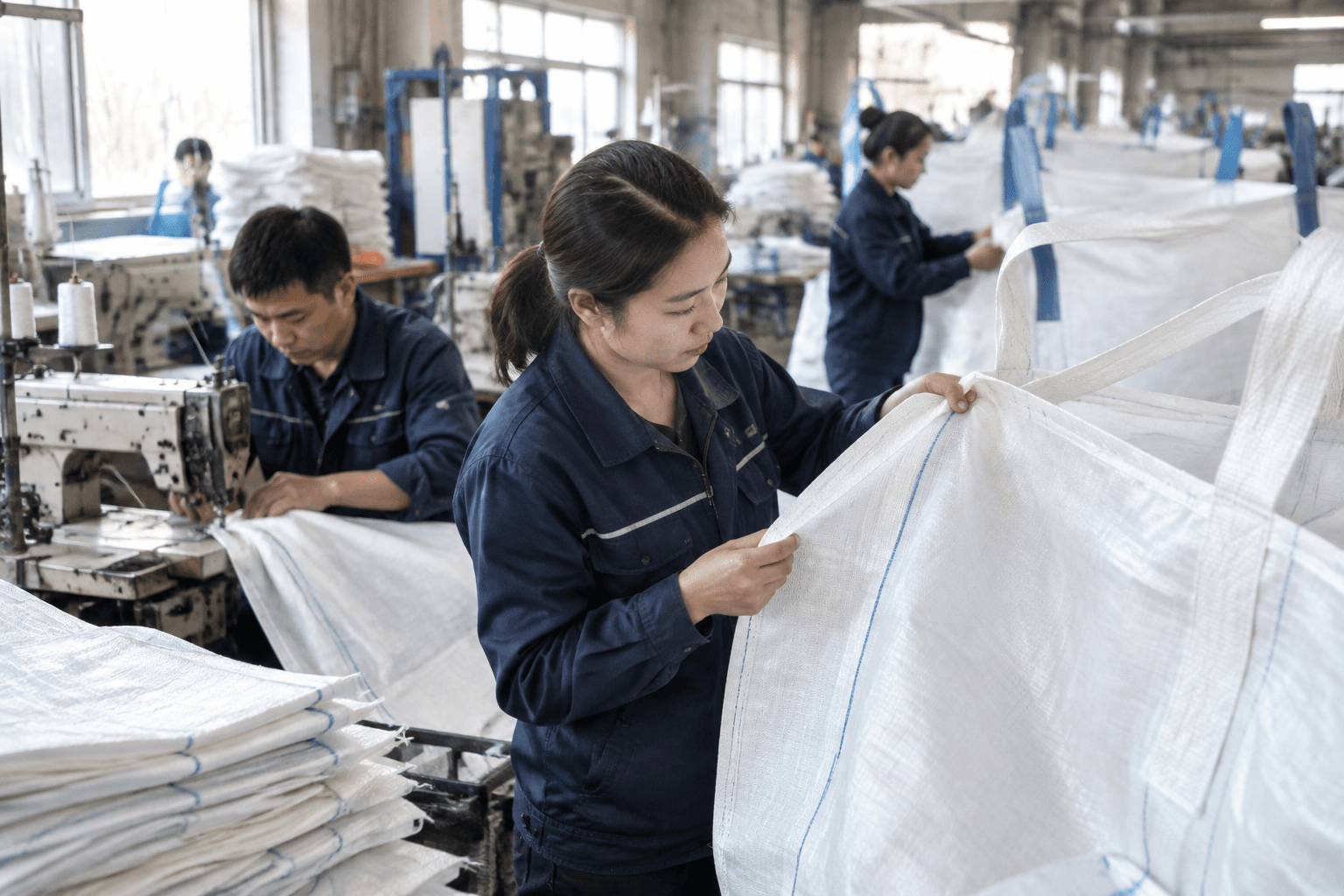
The 140th Canton Fair: New Trends in the Export Market for FIBC Bulk Bags, Jumbo Bags, and PP Woven Packaging
Explore how export buyers can evaluate FIBC bulk bags and PP woven packaging beyond unit price. Get practical guidance on specifications, supplier verification, sustainability requirements, and RFQs—and prepare your next sourcing conversation with COSEK.
Want to know more?
Get in touch with us for more information about our services and products.