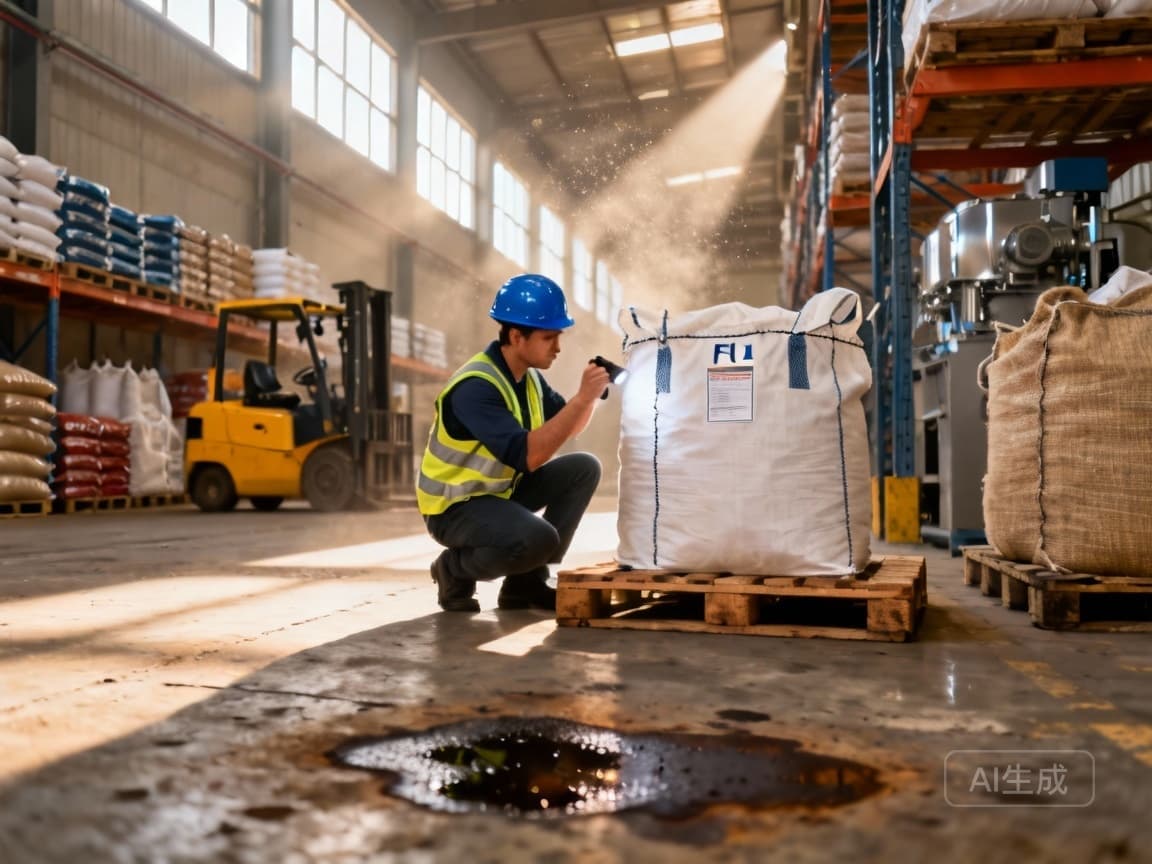
TCO Analysis: Uncover 15% Hidden Cost in Your FIBC Lifecycle #94

RUNCHEN
AuthorWith more than 25 years of experience in FIBC bulk bag manufacturing and sales, RUNCHEN operates its own production facility with stable batch capacity. We specialize in FIBC bulk bags, jumbo bags, ton bags, and customized industrial packaging solutions.
TCO Analysis: Uncover 15% Hidden Cost in Your FIBC Lifecycle
For procurement and supply chain professionals in manufacturing, chemicals, and agriculture, the Flexible Intermediate Bulk Container (FIBC or bulk bag) is often viewed as a simple line item: a cost per unit to be negotiated downward. This focus on purchase price creates a significant blind spot. Industry experience and financial logic reveal that the true cost of an FIBC is distributed across its entire lifecycle—from filling and logistics to disposal and risk mitigation. A comprehensive Total Cost of Ownership (TCO) analysis frequently uncovers hidden costs that can erode 15% or more of a company's operational budget allocated to bulk packaging. This article moves beyond product specifications to provide a framework for auditing these hidden expenses and transforming your FIBC strategy from a transactional purchase into a lever for operational efficiency and risk reduction.
The Illusion of Price: Deconstructing FIBC Lifecycle Costs
The initial purchase price of an FIBC is merely the tip of the iceberg. To understand the full financial impact, we must examine all cost centers involved. Consider a real-world scenario inspired by providers like Dongguan Jinli Packaging Co., Ltd., which offers products with load capacity ranging from 500kg to 2 tons. A procurement manager might opt for a standard 2-ton bag for a 1.5-ton material, seeking a higher safety factor. While the unit price seems reasonable, this decision triggers a cascade of inefficiencies.
Key Hidden Cost Centers in the FIBC Lifecycle
1. Logistics Density & Storage Costs: An oversized or suboptimally designed bag consumes more space. If a 1.5-ton optimized bag allows for 22 units per shipping container, while the 2-ton standard bag allows only 18, the effective logistics cost per ton of material increases significantly. This inefficiency repeats across warehousing and internal handling.
2. Filling & Handling Efficiency: Bag design directly impacts operational speed. The choice between top-lift, bottom-discharge, or duffle-top styles affects how quickly and safely filling stations can operate. Incompatible designs lead to slower cycles, higher labor costs, and potential bottlenecks.
3. Discharge & Residual Loss Costs: How completely does the bag empty? Residual product left in the bag or liner represents direct material loss. Furthermore, bags that are difficult to clean or handle during discharge increase labor time and potential for contamination in subsequent uses.
4. End-of-Life Disposal & Compliance Fees: Disposing of used FIBCs, especially those contaminated with chemicals or food residue, carries a cost. Landfill fees, specialized waste handling, and potential environmental levies for non-recyclable materials are often overlooked in the procurement phase.
"The most expensive FIBC is not the one with the highest price tag, but the one that introduces inefficiency and risk into a perfectly tuned supply chain. Procurement must evaluate the bag's performance in the customer's specific system, not just on a data sheet." – Industry Operations Consultant.
From Compliance Checkbox to Strategic Asset
Specifications are not just technical details; they are legal and insurance documents. The consequences of non-compliance are not merely rejected shipments but severe financial penalties, product recalls, and reputational damage. The provided case study highlights offering food-grade and export-standard products as a key differentiator. This should be framed not as a feature, but as essential risk mitigation.
For instance, using a non-food-grade FIBC for an edible product risks chemical migration and allergen contamination, potentially leading to a total batch loss and liability lawsuits. In chemical transport, neglecting electrostatic discharge (ESD) protection in flammable environments can have catastrophic safety consequences. For exports, non-compliance with a destination country's packaging or material regulations can result in goods being detained, destroyed, or returned at the importer's expense.
The growth of the global market, with a CAGR of 5.6%, increases regulatory scrutiny and supply chain complexity. Proactive compliance becomes a strategic asset that ensures smooth cross-border movement and protects brand value.
Building a Proactive Compliance Framework
- Decode the Specifications: Move beyond basic load capacity. Understand the safety factor (e.g., 5:1 or 6:1), material composition (e.g., UV-stabilized polypropylene, conductive threads), and the meaning of certifications (FDA, EU, UN certification for dangerous goods).
- Conduct a Risk-Mapped Audit:
- Food/Pharma: Focus on certificates of analysis for materials, audit trails for cleanliness, and validation of anti-contamination features like sealed liners.
- Chemicals/Minerals: Verify compatibility testing between bag material and product, and insist on certified ESD or antistatic properties where required.
- Demand Traceability: Require suppliers to provide batch-specific test reports for key parameters. A generic ISO certificate is insufficient; you need proof that *your* batch of bags meets the claimed standard.
The Practical Economics of Sustainable FIBC Strategies
The global shift toward sustainability, evidenced by the eco bag market projected to grow from $6.6 billion to $12 billion by 2035, is often seen as a cost center. However, a pragmatic analysis reveals direct financial benefits. The key is to differentiate between "sustainable" materials and sustainable *systems*.
While the market insight notes cotton eco bags accounting for $2.5 billion in market share by 2024, for heavy-duty industrial use, the economics differ. Virgin polypropylene FIBCs might have a lower initial cost than cotton or other bio-based alternatives, but their single-use model incurs recurring purchase and disposal costs. The real economic advantage lies in circular models:
- Reusable/Returnable FIBC Programs: For closed-loop systems (e.g., supplier to customer and back), investing in heavier-duty, washable FIBCs can drastically reduce per-trip costs after a calculable number of cycles.
- Recycled Content & End-of-Life Recovery: Sourcing FIBCs made from recycled polypropylene can reduce material costs and meet ESG reporting goals. Partnering with suppliers who offer take-back programs for used FIBCs can turn waste liability into a recovered asset and reduce disposal fees.
This approach aligns with broader material shifts like "replacing plastic with jute", but applies industrial logic: evaluate total lifecycle cost and system feasibility over material trends alone.
Implementation Guide: Your 5-Step FIBC TCO Audit
To operationalize this analysis, conduct a focused internal audit. This process requires collaboration between procurement, operations, logistics, and EHS.
Step 1: Map the Current FIBC Journey
Document every touchpoint: receipt from supplier, storage, filling (time and method), palletizing, shipping (loading density), receiving, unloading, storage, emptying, and final disposal. Identify personnel involved at each stage.
Step 2: Quantify Direct and Indirect Costs
Gather data for a representative period (e.g., one quarter):
- Total spend on FIBC purchases.
- Labor time/cost associated with filling and emptying.
- Logistics costs (calculate container/truck utilization rate).
- Disposal/waste management fees for used bags.
- Cost of any product loss due to residue or contamination.
Step 3: Assess Compliance & Risk Posture
Review all active FIBC types against the products they carry and their transport routes. Answer: Do we have documented proof (test reports) that each bag meets the regulatory and safety requirements for its specific use case? What is the potential financial exposure if it does not?
Step 4: Engage Suppliers with TCO Questions
Shift the conversation from price to value. Present your findings and ask targeted questions:
- "Can you provide a bag design that improves our filling line speed by 10%?"
- "What is the actual discharged residue percentage of this liner design?"
- "Do you offer a take-back or recycling program for end-of-life bags, and what is the cost impact?"
- "Can you provide batch-traceable test certificates for the safety factor and food-grade status?"
Step 5: Pilot, Measure, and Scale
Select one product line or plant for a pilot with a TCO-optimized FIBC solution—whether it's a redesigned bag, a reusable program, or a compliant upgrade. Measure the same cost centers from Step 2. Calculate the real savings or cost avoidance, then develop a business case for broader rollout.
Conclusion: Redefining Value in Bulk Packaging
The FIBC is a critical node in your supply chain, not a commodity. By adopting a TCO mindset, you transform its procurement from a cost-centric negotiation to a value-engineering exercise. The hidden 15%—lost in inefficient handling, excess logistics spend, disposal fees, and latent risk—can be identified, managed, and converted into tangible savings and resilience. The goal is to partner with suppliers who act as extensions of your operational team, like those who offer diversified solutions from standard to specialized bags, and who provide the transparent data needed for intelligent decision-making. Start the audit, ask the deeper questions, and unlock the full potential of your bulk packaging strategy.
Related News
Other news you might be interested in
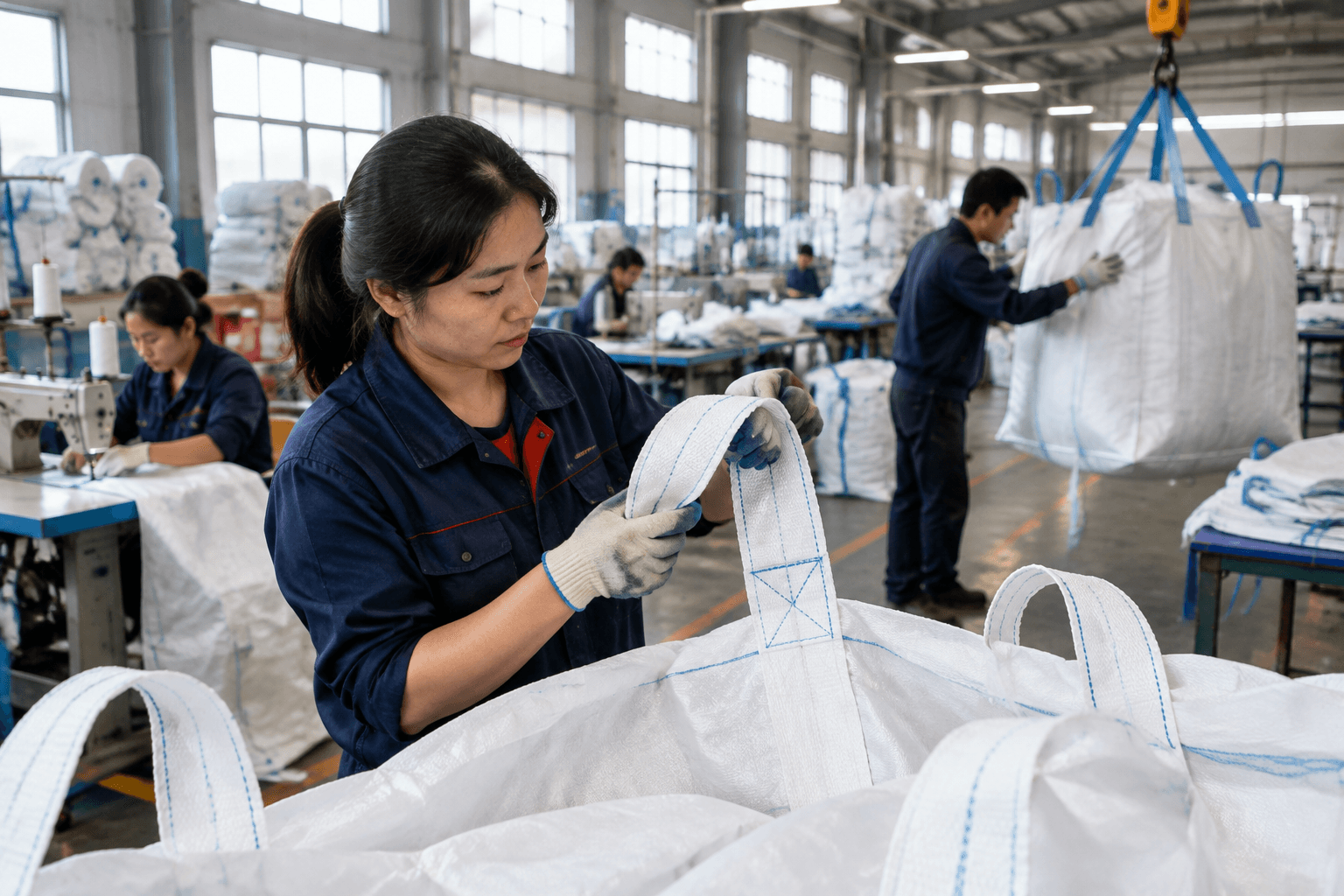
Choosing the Right Bulk Bag Manufacturer for Safer, More Efficient Operations
Learn how to specify bulk bags, evaluate manufacturers, and validate quality and supply reliability to reduce operational risk and support safer, more efficient handling.
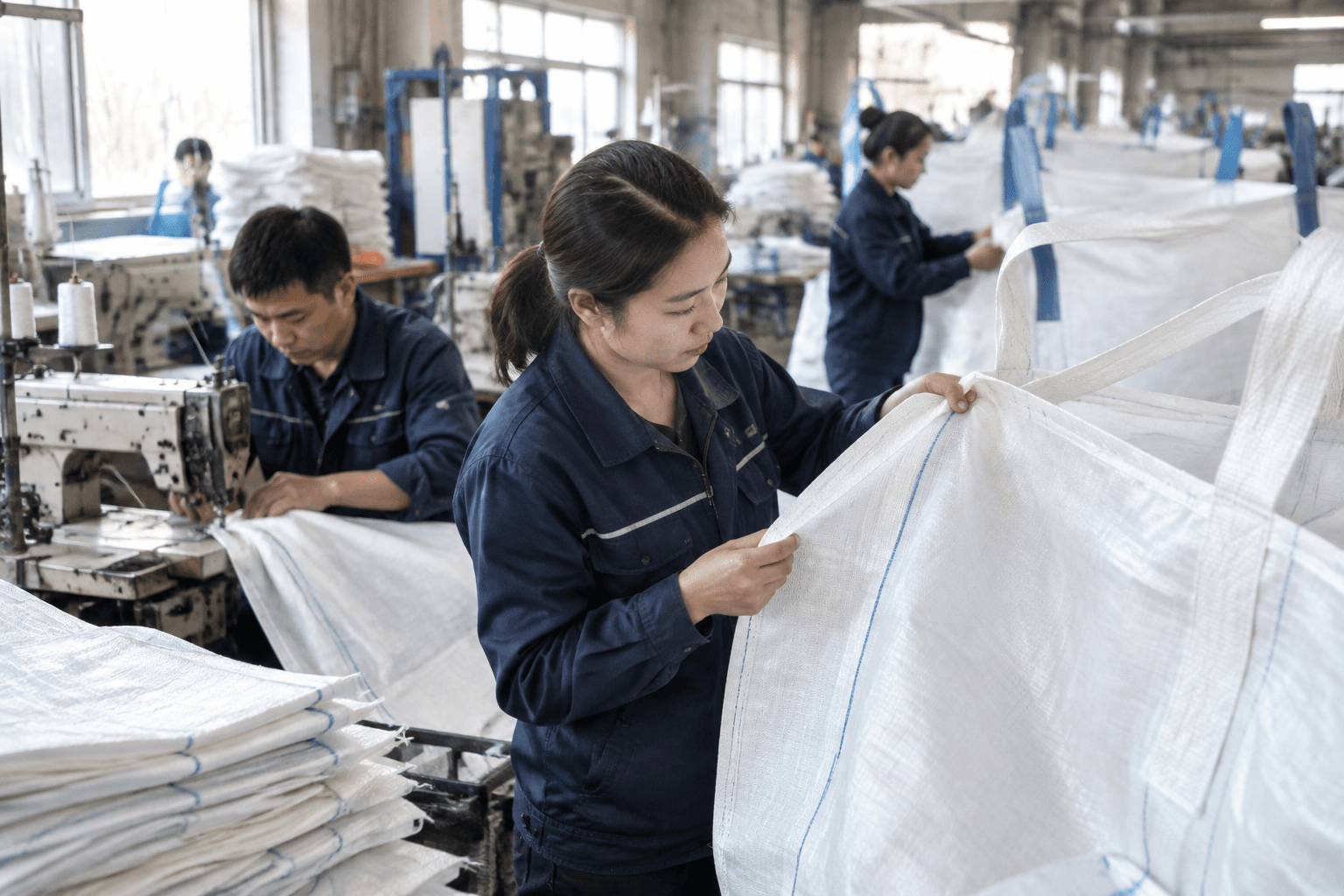
The 140th Canton Fair: New Trends in the Export Market for FIBC Bulk Bags, Jumbo Bags, and PP Woven Packaging
Explore how export buyers can evaluate FIBC bulk bags and PP woven packaging beyond unit price. Get practical guidance on specifications, supplier verification, sustainability requirements, and RFQs—and prepare your next sourcing conversation with COSEK.
Want to know more?
Get in touch with us for more information about our services and products.