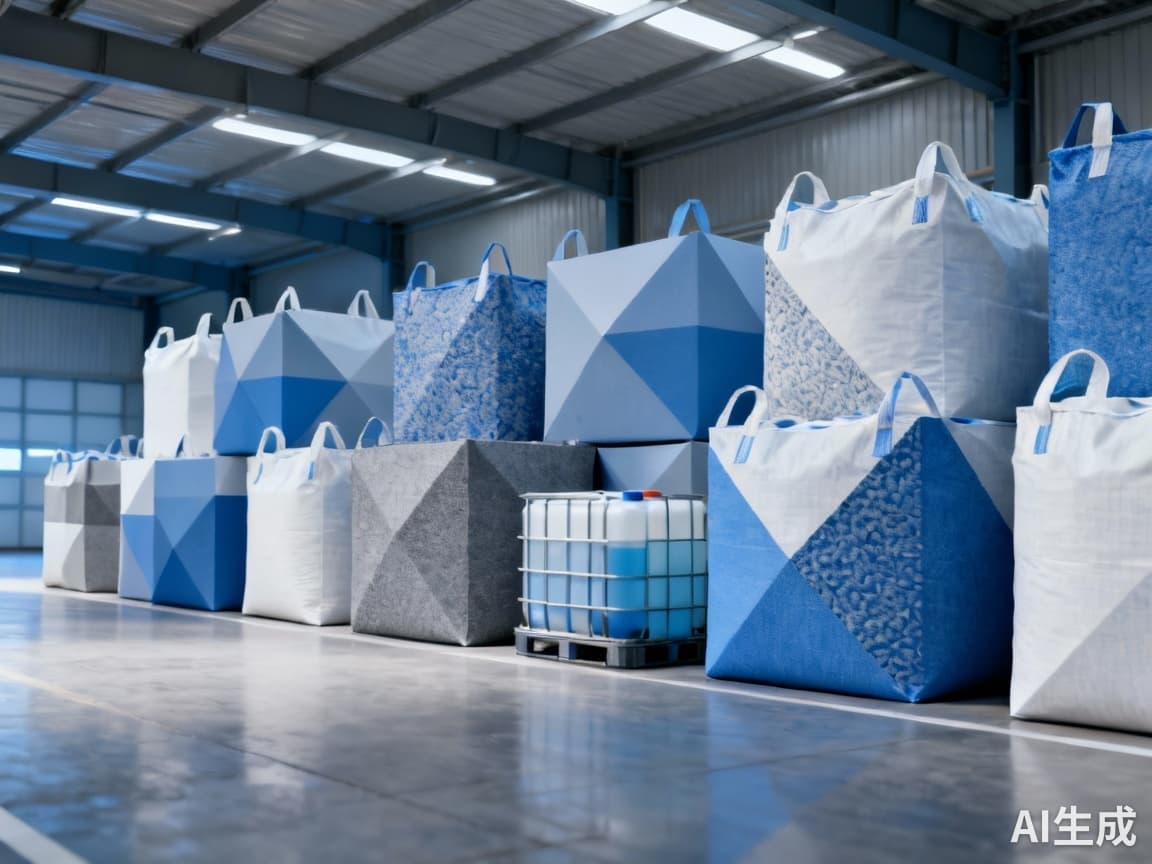
Ton Bag Makers: Capture 15-20% Growth in $500B Market via 3 Niche Shifts #26 #26
RUNCHEN
AuthorWith more than 25 years of experience in FIBC bulk bag manufacturing and sales, RUNCHEN operates its own production facility with stable batch capacity. We specialize in FIBC bulk bags, jumbo bags, ton bags, and customized industrial packaging solutions.
Ton Bag Makers: Capture 15-20% Growth in $500B Market via 3 Niche Shifts
The global bulk bag market, valued at $500 billion in 2024 and projected to reach $750 billion by 2033, is at a pivotal juncture. While the industry averages a modest 5.5% compound annual growth rate (CAGR), forward-thinking manufacturers can achieve 15-20% growth by pivoting to underserved, high-value niches. This article, grounded in empirical data and real-world case studies, outlines three strategic shifts—e-commerce-adaptive, biodegradable, and liquid transport-specific solutions—that enable ton bag producers to capture premium market share and drive sustainable expansion.
Why Generic Ton Bag Competition Is a Red Ocean
The traditional ton bag market is saturated, with manufacturers competing primarily on price and volume. However, granular analysis reveals significant untapped opportunities in specialized segments. For instance, the global carry bag market exceeds $500 billion, yet reusable and niche-specific bags constitute less than 20% of this total. Similarly, the plastic packaging industry—worth $430 billion in China alone, with soft plastic films accounting for $270 billion—is ripe for innovation, especially as sustainability mandates intensify. With the U.S. consuming approximately 27 million tons of plastic bags annually and e-commerce fueling demand for durable transport solutions, manufacturers must look beyond generic offerings to thrive.
"Specialization isn’t just a strategy—it’s a necessity in today’s fragmented market. Companies that ignore niche shifts risk commoditization." — Industry Packaging Analyst
Three High-Growth Niches: Data, Case Studies, and Implementation
Based on market data and successful implementations, three niches offer disproportionate growth potential:
1. E-Commerce-Adaptive Ton Bags
Online shopping has surged, exacerbating the need for durable, reusable carry bags. The global school bag market—a proxy for durable carry solutions—reached $92.8 billion in 2023 and is expected to hit $130 billion by 2030, with China’s segment growing at over 7% CAGR. For ton bag makers, this translates to demand for bags that withstand frequent handling, optimize storage, and reduce shipping costs. Implementation steps:
- Conduct durability testing (e.g., enhanced UV resistance, tear strength) to meet e-commerce logistics standards.
- Collaborate with logistics firms to design size- and weight-optimized bags that lower shipping expenses.
- Develop modular designs compatible with automated packaging systems to attract high-volume e-tailers.
2. Biodegradable and Sustainable Solutions
With the U.S. generating 27 million tons of plastic bag waste yearly, regulatory and consumer pressures are mounting. Biodegradable ton bags represent a multi-billion-dollar substitution opportunity. China’s plastic packaging industry, growing at 8% annually, is prioritizing bio-based materials and recycling technologies. Implementation steps:
- Invest in compostable materials (e.g., PLA-based fabrics) and secure certifications like ASTM D6400.
- Partner with recycling facilities to create closed-loop systems, enhancing ESG credentials.
- Quantify and market CO2 reduction metrics per bag to appeal to sustainability-conscious B2B clients.
3. Liquid Transport Specialization
The success of Langfu, a global leader in container liquid bags, demonstrates the power of niche focus. By specializing in container liquid and sea bags, Langfu now facilitates the transport of over 6 billion liters of liquid cargo annually. This segment commands premium pricing due to technical barriers (e.g., anti-leak seals, compatibility with hazardous liquids). Implementation steps:
- Develop multi-layer laminates with high chemical resistance, tested under UN certification standards.
- Target industries like chemicals, pharmaceuticals, and food liquids with customized safety features.
- Build a specialized sales team trained in regulatory compliance and technical client support.
Roadmap for Traditional Manufacturers: From Generalist to Niche Leader
Transitioning to a niche-focused model requires strategic shifts in technology, customer acquisition, and operations:
Phase 1: Technology and R&D Alignment
Langfu’s ascent was fueled by R&D investments in liquid transport solutions. Manufacturers should:
- Allocate 15-20% of annual revenue to niche-specific R&D (e.g., biodegradable material science or e-commerce durability testing).
- Leverage industry partnerships for co-development, reducing time-to-market.
Phase 2: Customer Migration and Value Positioning
Shift from price-driven clients to value-focused partners:
- Offer lifecycle cost analyses showing how niche bags reduce total cost of ownership (e.g., fewer replacements, lower disposal fees).
- Create case studies highlighting efficiencies gained by early adopters, like Langfu’s liquid cargo clients.
Phase 3: Operational Adaptations
Reconfigure production lines for niche batches without sacrificing scale:
- Implement modular manufacturing to switch between general and niche lines seamlessly.
- Adopt IoT sensors for real-time quality control during specialized production runs.
Conclusion: Seizing the Niche Advantage
The ton bag industry’s future belongs to specialists. By focusing on e-commerce adaptability, biodegradability, and liquid transport, manufacturers can transform from commoditized suppliers to innovation leaders. As Langfu proved, niche leadership is achievable with targeted R&D and operational agility. Those who act now will capture the 15-20% growth in a $500 billion market—while others remain trapped in low-margin competition.
Related News
Other news you might be interested in
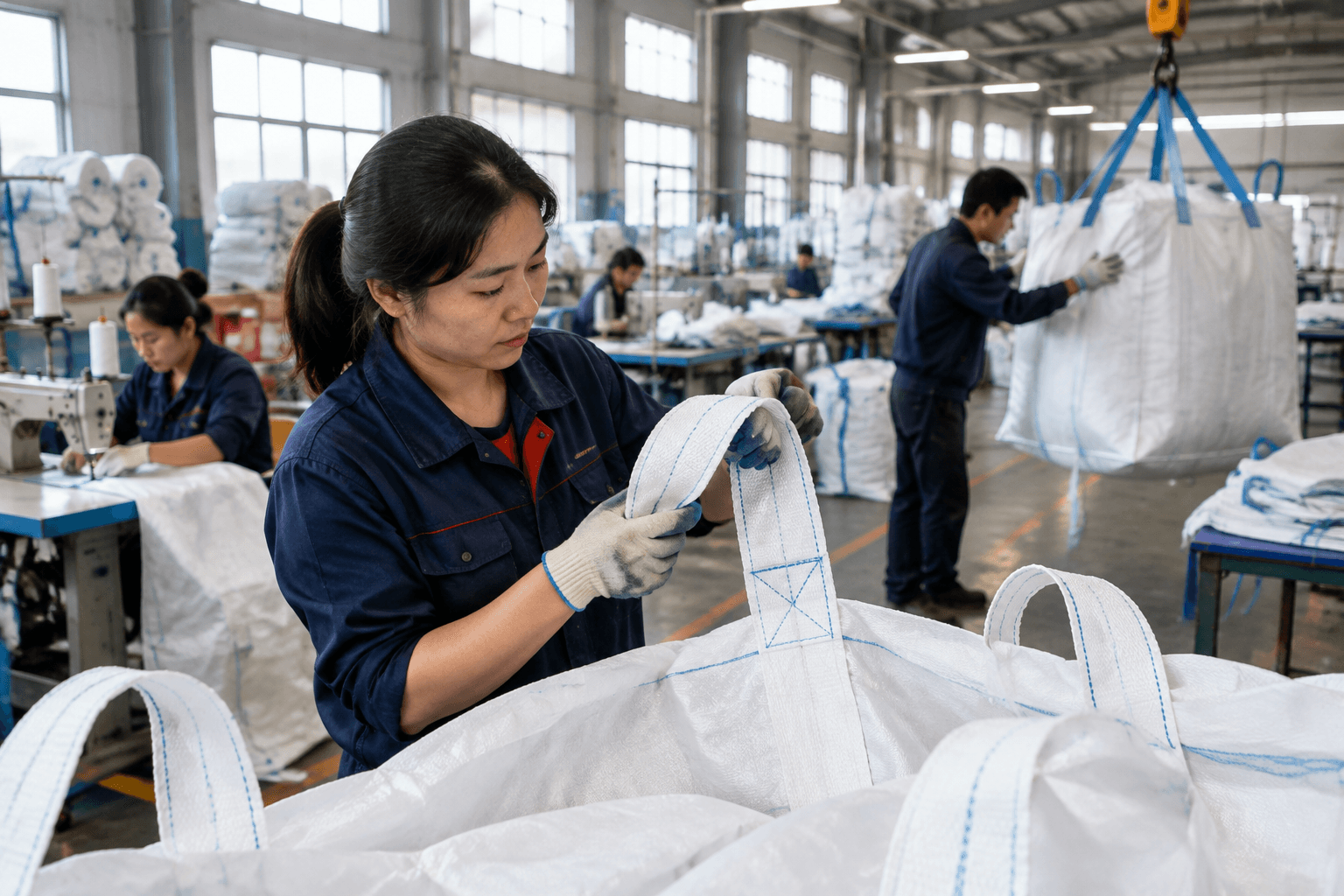
Choosing the Right Bulk Bag Manufacturer for Safer, More Efficient Operations
Learn how to specify bulk bags, evaluate manufacturers, and validate quality and supply reliability to reduce operational risk and support safer, more efficient handling.
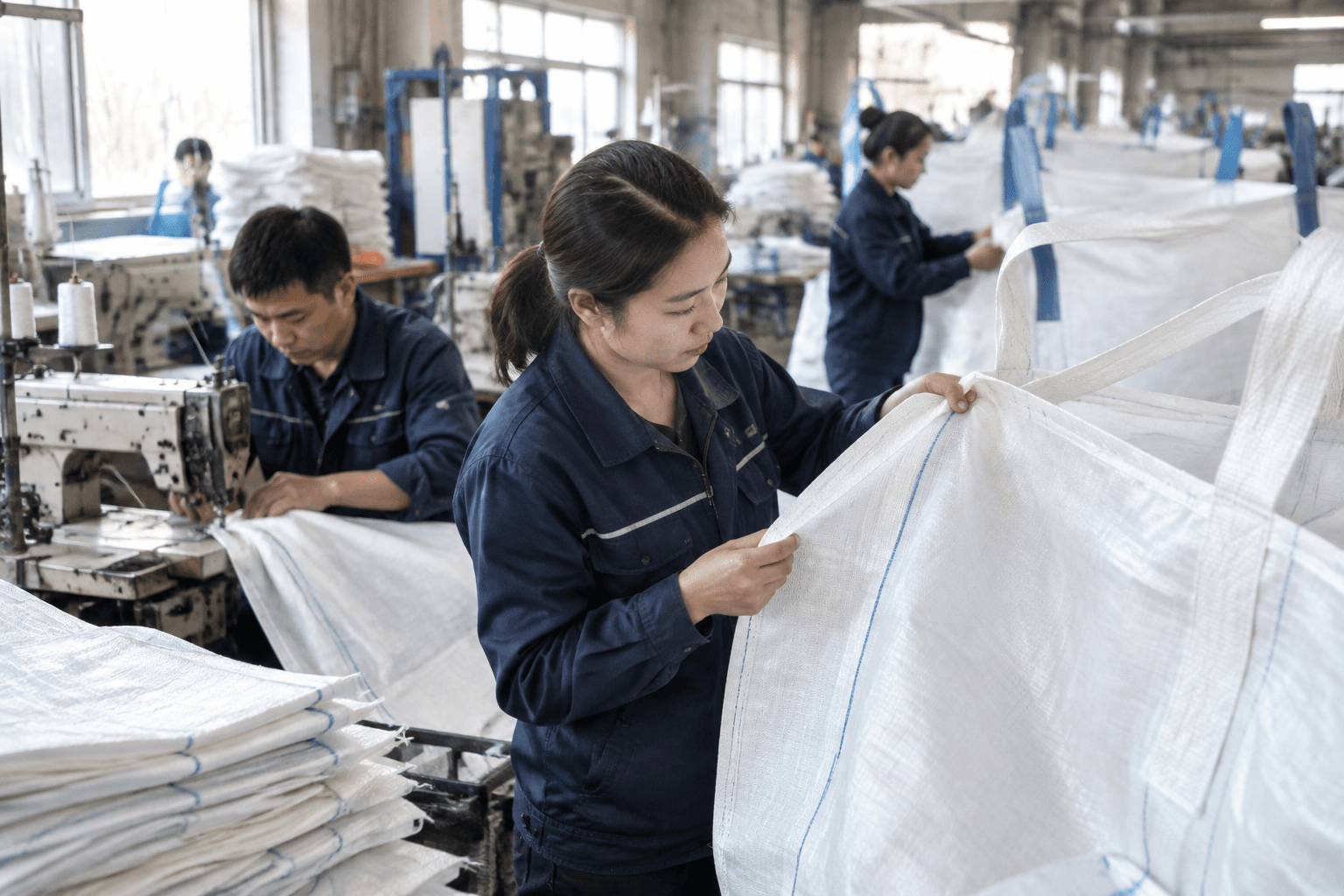
The 140th Canton Fair: New Trends in the Export Market for FIBC Bulk Bags, Jumbo Bags, and PP Woven Packaging
Explore how export buyers can evaluate FIBC bulk bags and PP woven packaging beyond unit price. Get practical guidance on specifications, supplier verification, sustainability requirements, and RFQs—and prepare your next sourcing conversation with COSEK.
Want to know more?
Get in touch with us for more information about our services and products.