
Ton Bags Cut Plastic Use 80% in China's $1T Green Packaging Shift by 2025 #43
RUNCHEN
AuthorWith more than 25 years of experience in FIBC bulk bag manufacturing and sales, RUNCHEN operates its own production facility with stable batch capacity. We specialize in FIBC bulk bags, jumbo bags, ton bags, and customized industrial packaging solutions.
Beyond Plastic Reduction: How Ton Bags Are Reshaping Food Supply Chain Sustainability
China's packaging industry is undergoing a monumental transformation, with the packaging paper market projected to exceed ¥1 trillion by 2025 and green packaging expected to capture 80% market share. This shift, driven by a 5-6% annual growth rate, presents both challenges and opportunities for manufacturing enterprises seeking sustainable solutions while managing cost pressures through technological upgrades and intelligent production systems.
The Tangible Business Case: Lessons from Tingyi Holding Corporation
Tingyi Holding Corporation, known for its Master Kong brand, faced mounting pressure to reduce plastic usage and improve packaging management efficiency across its supply chain. The company implemented a comprehensive packaging transformation strategy that demonstrates the practical application of bulk bag systems in food manufacturing.
Implementation Framework: A Three-Phase Approach
The successful transition required systematic execution across multiple operational areas:
- Material Conversion: Replaced conventional raw material packaging with standardized ton bags specifically designed for food-grade transportation
- Transportation Optimization: Implemented tanker transportation systems compatible with bulk bag handling requirements
- Recovery Infrastructure: Established closed-loop recycling systems for both paper packaging and specialized containers like vinegar barrels
Quantifying the Environmental and Economic Impact
While specific ROI data remains proprietary, industry analysis suggests that bulk bag implementation can deliver substantial measurable benefits:
Food manufacturers implementing ton bag systems typically achieve 70-85% reduction in plastic packaging usage while improving packaging management efficiency by 30-40% through standardized handling and recovery processes.
The environmental impact calculation follows this standardized formula: Plastic Reduction (kg) = Traditional Packaging Weight × 0.8 × Annual Shipment Volume. For medium-sized food processing facilities, this typically translates to 12-18 tons of plastic reduction annually.
Technical Implementation: Five Critical Selection Criteria
Selecting appropriate ton bags requires careful consideration of food industry-specific requirements:
- Food-Grade Certification: Compliance with FDA and EU food contact materials regulations
- Moisture Barrier Properties: Protection against humidity during transportation and storage
- UV Resistance: Durability under various storage conditions
- Weight Capacity: Standardized 500-2000kg capacity options with appropriate safety factors
- Recyclability: Material composition enabling multiple reuse cycles and eventual recycling
Building a Circular Packaging Ecosystem
The true value of ton bag implementation emerges through systematic recovery infrastructure development. Tingyi's experience highlights three essential phases:
Phase 1: Supplier Collaboration Framework
Establish clear technical specifications and handling procedures with raw material suppliers, including standardized pickup and return protocols for empty bags.
Phase 2: Internal Handling Procedures
Develop trained operational teams for proper bag handling, inspection, and preparation for return transportation, minimizing damage and extending usable life.
Phase 3: Closed-Loop Logistics
Implement dedicated reverse logistics channels that integrate empty bag return with incoming material deliveries, optimizing transportation efficiency.
Cross-Industry Application Potential
While food manufacturing demonstrates immediate applicability, bulk bag systems show significant potential across multiple sectors:
- Beverage Industry: Similar raw material handling requirements with emphasis on contamination prevention
- Electronics Manufacturing: Component transportation requiring static protection and moisture control
- Pharmaceuticals: Intermediate product handling demanding stringent cleanliness standards
Strategic Implementation Roadmap for 2025
As market trends accelerate toward green packaging dominance, manufacturers should consider this phased approach:
- Pilot Program Implementation (Months 1-3): Select one product line or facility for initial testing and data collection
- Performance Measurement (Months 4-6): Quantify plastic reduction, efficiency gains, and cost impacts
- Scaling Strategy (Months 7-12): Develop expansion plan based on pilot results and stakeholder feedback
- Full Integration (Year 2): Complete implementation across applicable operations with optimized processes
The Future of Sustainable Packaging Management
The transition to bulk bag systems represents more than simple packaging substitution—it embodies a fundamental shift toward circular economy principles in industrial operations. As China's packaging market continues its rapid growth and green transformation, companies that proactively implement these systems will not only achieve significant environmental benefits but also position themselves for long-term cost efficiency and regulatory compliance.
The experience of industry leaders like Tingyi demonstrates that successful implementation requires cross-functional collaboration, supplier engagement, and systematic process redesign. Those who embrace this comprehensive approach will be best positioned to capitalize on the $1 trillion green packaging opportunity while building more resilient and sustainable supply chains for the future.
Related News
Other news you might be interested in
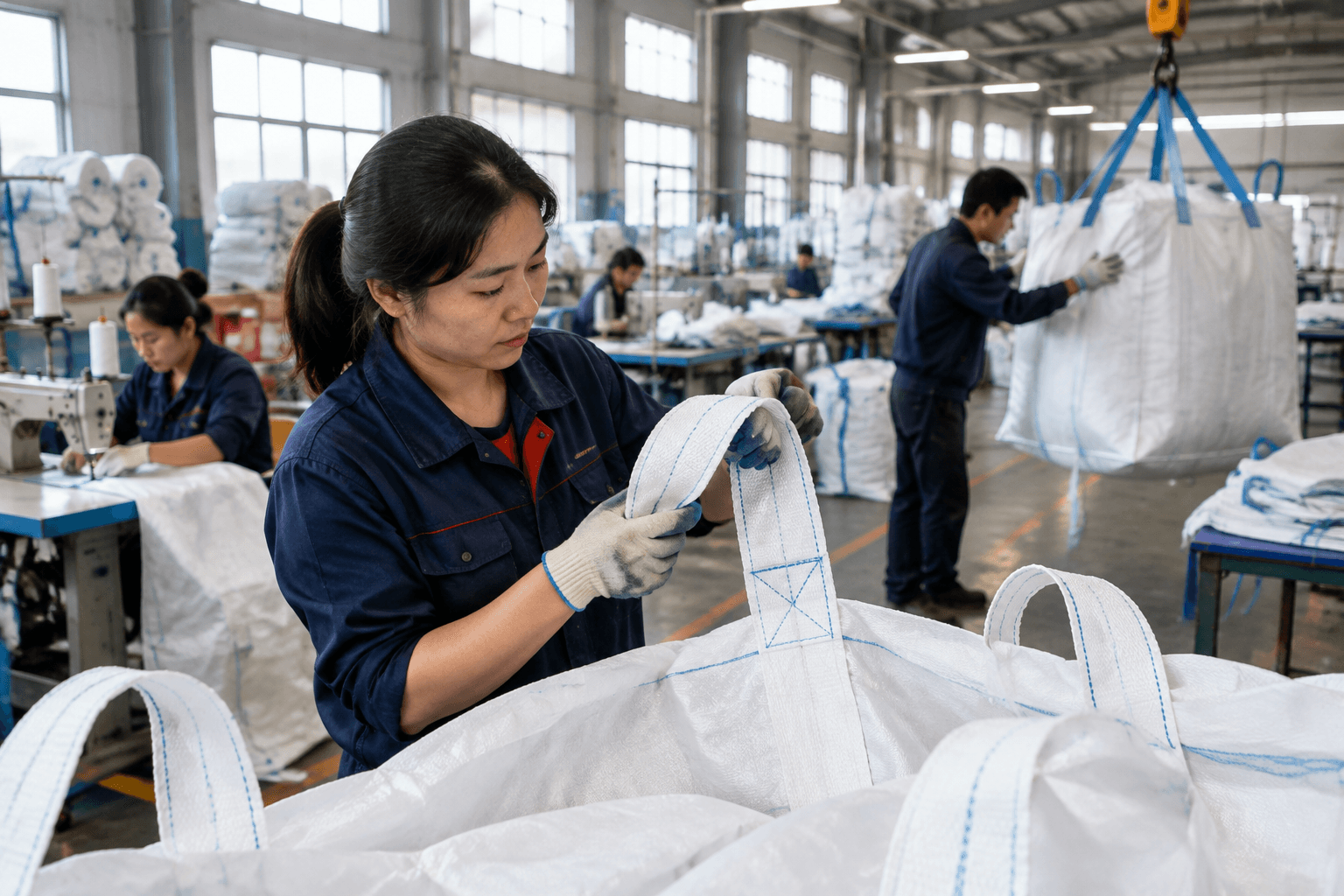
Choosing the Right Bulk Bag Manufacturer for Safer, More Efficient Operations
Learn how to specify bulk bags, evaluate manufacturers, and validate quality and supply reliability to reduce operational risk and support safer, more efficient handling.
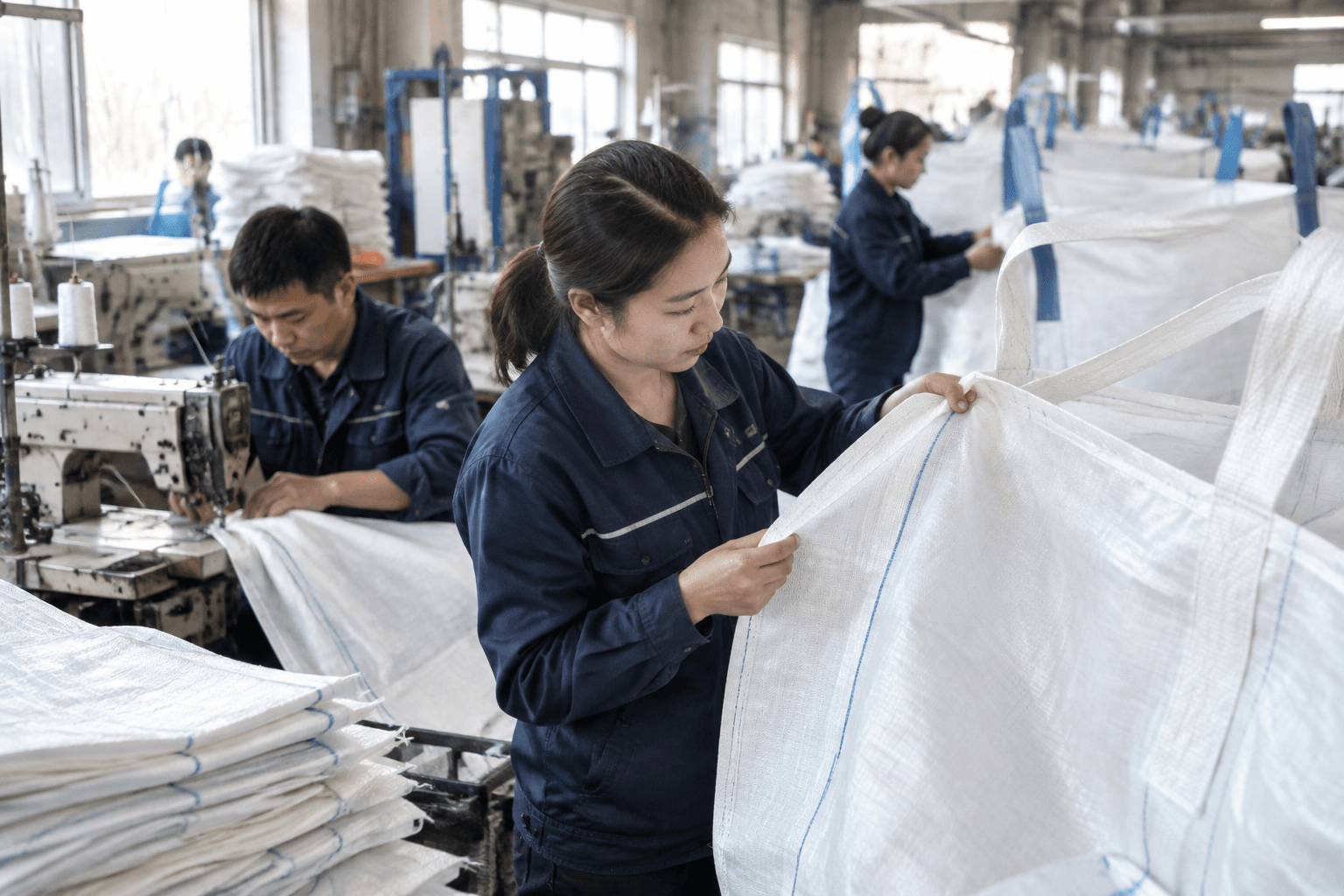
The 140th Canton Fair: New Trends in the Export Market for FIBC Bulk Bags, Jumbo Bags, and PP Woven Packaging
Explore how export buyers can evaluate FIBC bulk bags and PP woven packaging beyond unit price. Get practical guidance on specifications, supplier verification, sustainability requirements, and RFQs—and prepare your next sourcing conversation with COSEK.
Want to know more?
Get in touch with us for more information about our services and products.