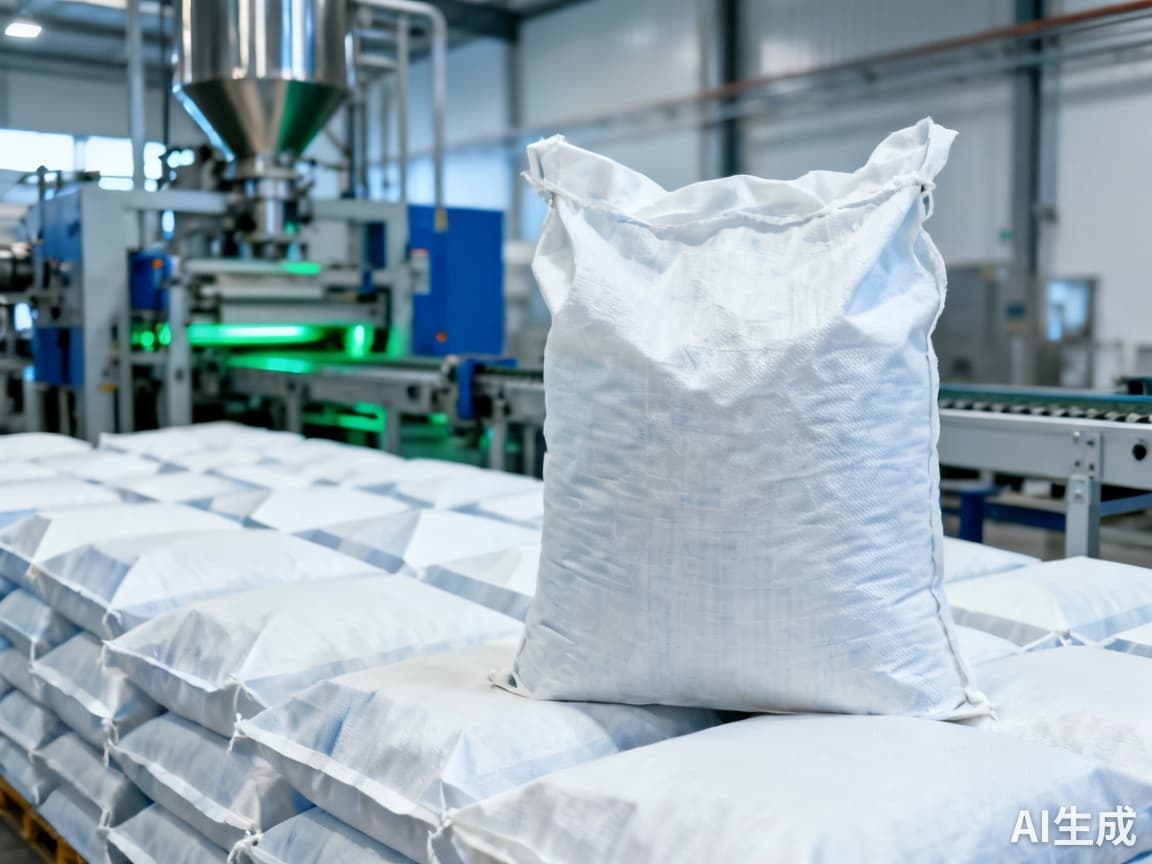
Tonnage Bags: Achieve 4.6B Ton Plastic Reduction & ESG Goals in 2024 #34
RUNCHEN
AuthorWith more than 25 years of experience in FIBC bulk bag manufacturing and sales, RUNCHEN operates its own production facility with stable batch capacity. We specialize in FIBC bulk bags, jumbo bags, ton bags, and customized industrial packaging solutions.
The Plastic Packaging Paradox: Achieving Differentiation Through FIBC Sustainability
Global plastic production reached 4.6 billion tons in 2019, representing a staggering 230-fold increase over the past 70 years. This exponential growth creates a fundamental paradox for packaging professionals: how to balance increasing production demands with sustainability requirements. The Flexible Intermediate Bulk Container (FIBC) industry stands at the intersection of this challenge, offering strategic solutions that transcend traditional cost-saving narratives.
The 4.6 Billion Ton Challenge: Growth Versus Sustainability
The packaging industry faces unprecedented pressure as environmental regulations tighten and consumer awareness grows. With approximately 3.5 billion tons of plastic waste generated annually worldwide, and only about 0.5% ultimately reaching oceans, the focus has shifted to prevention rather than cleanup. The 2024 packaging paper market fluctuations, with over 4 million tons of new capacity coming online, further complicate decision-making for packaging professionals.
Market uncertainty remains high as supply-demand dynamics continue to fluctuate, particularly with major manufacturers' 2025 strategic layout plans under close industry observation. The fourth quarter export order surge in South China and East China has created both opportunities and challenges for packaging material selection.
Beyond Cost Savings: Strategic FIBC Positioning in the ESG Era
The Master Kong Case Study: Strategic Value Over Quantified ROI
Master Kong's packaging transformation demonstrates how FIBCs deliver value beyond traditional metrics. Rather than focusing solely on quantifiable ROI, the company prioritized systemic sustainability goals through three key changes:
- Conversion from conventional raw material packaging to tanker transportation
- Implementation of comprehensive carton recycling programs
- Transition from traditional packaging to FIBC solutions
The strategic shift emphasized achieving sustainability targets rather than immediate financial returns, recognizing that long-term environmental compliance and brand reputation outweigh short-term cost considerations.
This approach reflects a growing trend among forward-thinking organizations: measuring success through environmental impact reduction and ESG goal achievement alongside financial metrics.
Systematic Plastic Reduction Methodology
Effective FIBC implementation requires a structured approach to packaging optimization:
- Material footprint assessment: Comprehensive audit of current packaging materials and waste streams
- Load optimization analysis: Evaluation of transportation efficiency and material density considerations
- Lifecycle cost calculation: Analysis of total cost of ownership including disposal, storage, and handling expenses
- Environmental impact measurement: Carbon footprint assessment and waste reduction potential quantification
From Traditional Packaging to FIBC: Practical Implementation Framework
Phase 1: Assessment and Planning (Weeks 1-4)
Begin with a comprehensive packaging audit across all operational areas. Document current material usage, waste generation patterns, and transportation requirements. Establish baseline metrics for comparison and set specific reduction targets aligned with corporate ESG goals.
Phase 2: Supplier Evaluation and Selection (Weeks 5-8)
Develop a supplier assessment matrix based on these critical criteria:
- Material quality and certification: ISO 21898 compliance and product testing documentation
- Sustainability credentials: Recycled content percentages and end-of-life solutions
- Technical capability: Customization options and load capacity specifications
- Supply chain reliability: Delivery performance and inventory management systems
Phase 3: Pilot Implementation (Weeks 9-16)
Select one product line or facility for initial FIBC deployment. Monitor performance against these key indicators:
- Material usage reduction percentage
- Transportation efficiency improvements
- Handling time and labor requirements
- Waste generation reduction
- Total cost per unit shipped
Phase 4: Full-Scale Deployment (Months 5-12)
Based on pilot results, develop a phased implementation schedule across all operations. Establish continuous monitoring systems and regular reporting protocols to track progress against sustainability targets.
Risk Management in FIBC Transition
The current market volatility requires careful risk assessment. Consider these factors in your implementation planning:
- Raw material price fluctuations: Monitor polypropylene and other material costs
- Regulatory changes: Stay informed about evolving packaging regulations
- Supply chain disruptions: Develop contingency plans for supplier reliability issues
- Quality consistency: Implement rigorous quality control measures
Performance Monitoring and Continuous Improvement
Establish a dashboard tracking these critical metrics:
- Environmental impact: Plastic reduction tonnage, carbon emission reductions
- Operational efficiency: Loading/unloading times, storage requirements
- Economic performance: Total cost savings, return on investment
- Compliance metrics: Regulatory requirements met, certification maintenance
The automotive components industry, projected to reach nearly $2 trillion by 2026, provides a compelling comparison point. China's 2021 auto parts exports reached $45 billion, demonstrating the scale at which packaging decisions impact global supply chains.
Strategic Implementation Recommendations
For organizations considering FIBC adoption, these actionable steps ensure successful implementation:
- Executive sponsorship: Secure C-level commitment to sustainability goals
- Cross-functional team: Involve procurement, operations, and sustainability departments
- Phased approach: Start with pilot programs before full deployment
- Supplier partnership: Develop collaborative relationships with FIBC providers
- Continuous measurement: Implement robust tracking and reporting systems
The transition to FIBC solutions represents more than packaging changes—it embodies a strategic commitment to sustainable operations. By focusing on systemic implementation rather than isolated cost savings, organizations can achieve significant environmental impact reduction while maintaining operational efficiency.
As market conditions continue to evolve with ongoing supply-demand fluctuations, the companies that implement strategic FIBC solutions today will be better positioned to meet tomorrow's sustainability challenges while maintaining competitive advantage in an increasingly environmentally-conscious marketplace.
Related News
Other news you might be interested in
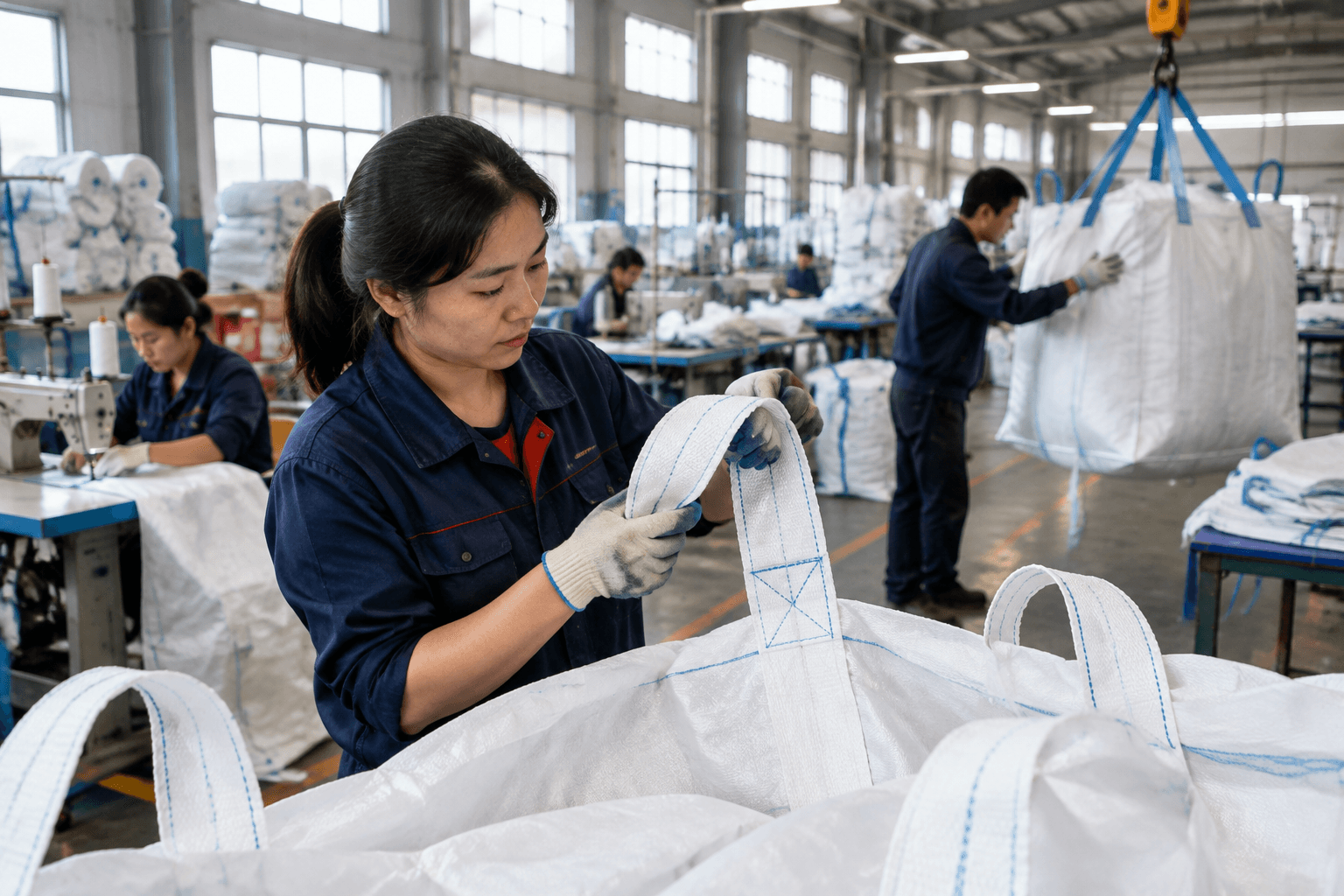
Choosing the Right Bulk Bag Manufacturer for Safer, More Efficient Operations
Learn how to specify bulk bags, evaluate manufacturers, and validate quality and supply reliability to reduce operational risk and support safer, more efficient handling.
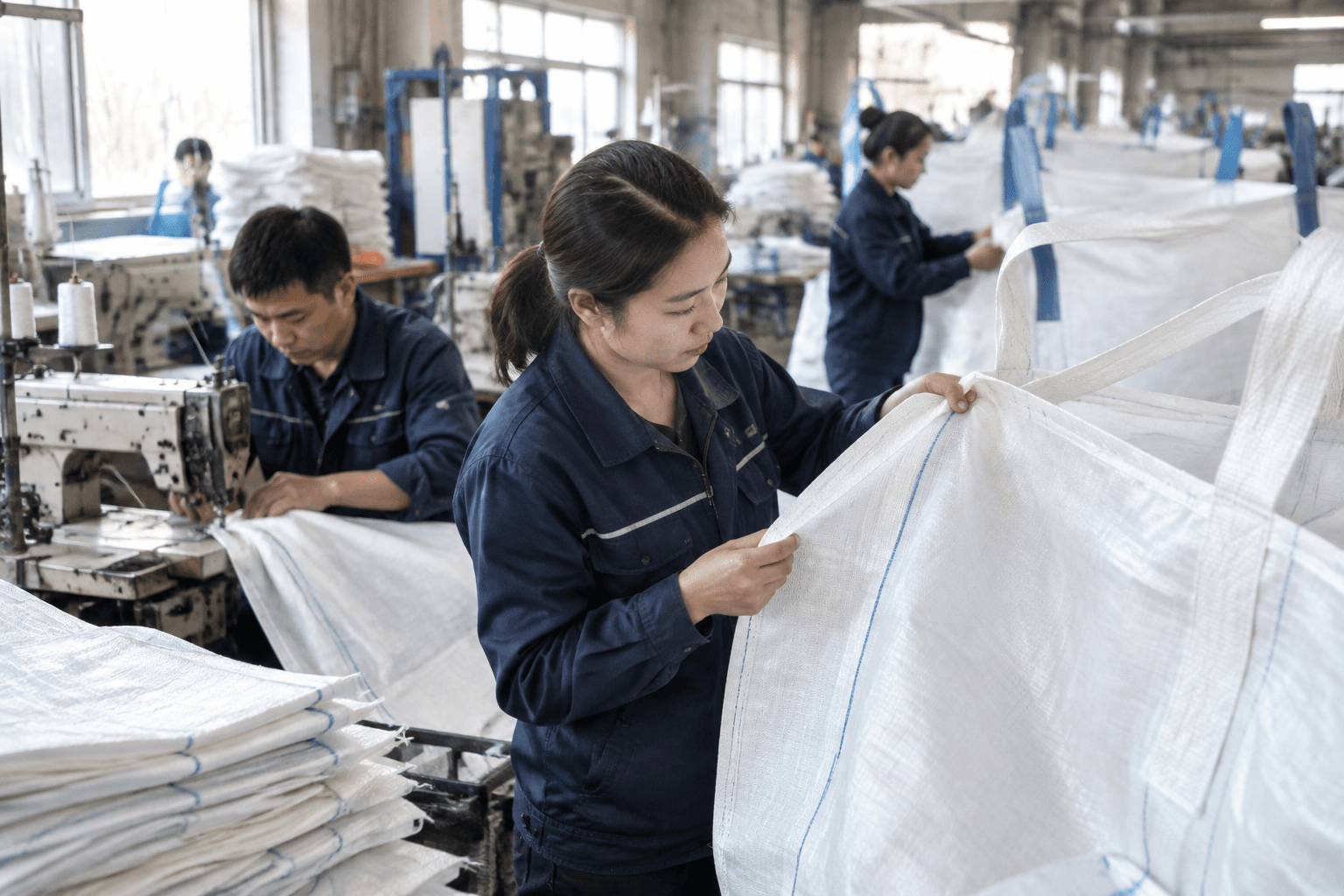
The 140th Canton Fair: New Trends in the Export Market for FIBC Bulk Bags, Jumbo Bags, and PP Woven Packaging
Explore how export buyers can evaluate FIBC bulk bags and PP woven packaging beyond unit price. Get practical guidance on specifications, supplier verification, sustainability requirements, and RFQs—and prepare your next sourcing conversation with COSEK.
Want to know more?
Get in touch with us for more information about our services and products.