
Tonnage Bags Cut Plastic Use 25% & Boost ESG Scores: 2025 Strategy Guide #41
RUNCHEN
AuthorWith more than 25 years of experience in FIBC bulk bag manufacturing and sales, RUNCHEN operates its own production facility with stable batch capacity. We specialize in FIBC bulk bags, jumbo bags, ton bags, and customized industrial packaging solutions.
Tonnage Bags Cut Plastic Use 25% & Boost ESG Scores: 2025 Strategy Guide
The packaging industry is undergoing a fundamental transformation driven by environmental regulations and corporate sustainability goals. As Chinese environmental policies push biodegradable and recyclable packaging demand to new heights, with green packaging now commanding 80% market share, businesses are seeking practical solutions that deliver both environmental and economic benefits. Tonnage bags have emerged as a strategic tool in this transition, moving beyond their traditional role as mere transport containers to become core elements of sustainable supply chains.
Policy and Market Environment Analysis
The regulatory landscape is reshaping packaging decisions across industries. China's aggressive environmental policies have created a market where sustainable packaging is no longer optional but essential for business continuity. The packaging paper market is projected to exceed 1 trillion RMB by 2025, growing at a 5-6% annual compound rate, indicating significant opportunities for innovative packaging solutions.
According to the China Packaging Industry Green Development White Paper 2024, "The shift toward green packaging is accelerating, with companies integrating environmental considerations into their core operational strategies rather than treating them as compliance requirements."
This policy-driven transformation is particularly evident in how companies approach their ESG goals. Packaging decisions now directly impact corporate sustainability ratings, investor perceptions, and market competitiveness. The integration of environmental considerations into supply chain management has become a strategic imperative rather than a peripheral concern.
Enterprise Case Studies: From Practice to Value
Master Kong Holdings' Plastic Reduction Initiative
Master Kong's comprehensive approach to packaging transformation demonstrates the tangible benefits of tonnage bag adoption. The company implemented a systematic shift from conventional packaging to bulk transport solutions, including:
- Conversion of raw material packaging to tanker transportation systems
- Establishment of comprehensive carton recovery and recycling systems
- Implementation of ton bag transportation models across multiple product lines
The results were significant: 25% reduction in plastic usage through optimized packaging systems, improved transportation efficiency, and substantial cost savings in packaging waste management. The implementation timeline spanned several months, with careful planning around operational transitions and supplier coordination.
China Food Company's Packaging Innovation
Another compelling case comes from China Food Company, which adopted specialized tonnage solutions for diverse materials:
- PE ton bags for bottle preform slice transportation with specific technical parameters
- Metal周转 ton containers for胶盖 loading with standardized processes
- rPETG label applications with rigorous quality control standards
The company's experience highlights that different materials require customized packaging solutions, and ton bags play a critical role in industrial packaging systems. Their implementation showed that proper bag-material matching is essential for both product protection and environmental benefits.
Tonnage Bag Selection Framework
Material Selection Matrix
Choosing the right ton bag requires careful consideration of application requirements, environmental impact, and cost efficiency. Based on industry data and case studies, we recommend the following selection framework:
- Food原料运输: Food-grade breathable ton bags (Environmental Index: ★★★★★, Cost Efficiency: ★★★☆☆)
- Chemical Materials: Conductive ton bags (Environmental Index: ★★★☆☆, Cost Efficiency: ★★★★☆)
- Electronic Product Packaging: Aluminum foil bags (Environmental Index: ★★★★☆, Cost Efficiency: ★★★☆☆)
- Circular Use Scenarios: Inner reinforcement ton bags (Environmental Index: ★★★★★, Cost Efficiency: ★★★★☆)
Cost-Benefit Analysis Model
Understanding the total cost of ownership is crucial for making informed decisions. The TCO model for tonnage bags includes:
TCO = Procurement Cost + Transportation Cost + Recycling处理 Cost - Circular Utilization Value
Based on case data analysis, ton bag transportation reduces TCO by 15-25% compared to traditional packaging, with circular use cycles typically reaching 3-5 times depending on bag type and material characteristics.
Four-Phase Implementation Roadmap
Phase 1: Assessment and Planning (1-2 Months)
Begin with a comprehensive audit of current packaging waste streams and analysis of supply chain packaging requirements. Evaluate regulatory compliance needs and establish baseline metrics for improvement measurement.
Phase 2: Pilot Validation (3-4 Months)
Select 2-3 product lines for ton bag implementation pilot programs. Establish recovery and circular use processes, and quantify both environmental and economic impacts through rigorous data collection.
Phase 3: Scale Expansion (6-12 Months)
Coordinate with supply chain partners, establish standardized operating procedures, and implement comprehensive employee training programs. Focus on seamless integration with existing logistics systems.
Phase 4: Continuous Optimization (Ongoing)
Implement performance monitoring systems, evaluate new technologies and materials, and maximize circular economy value through process improvements and innovation.
Risk Management and Mitigation Strategies
Successful tonnage bag implementation requires addressing several potential risks:
- Technical Risks: Implement rigorous bag-material matching verification methods and establish quality control standards with regular testing frequencies
- Operational Risks: Develop supply chain disruption contingency plans and ensure recovery system stability through multiple partner arrangements
- Economic Risks: Create raw material price fluctuation hedging strategies and manage investment return周期 through careful financial planning
Future Trends and Strategic Recommendations
The tonnage bag industry is evolving toward smarter, more sustainable solutions. Emerging trends include:
- Smart Ton Bags: Integration of IoT technology for real-time monitoring and tracking
- Bio-based Materials: Development of completely biodegradable ton bags with improved environmental profiles
- Standardization Advances: Industry-wide规格统一 to enhance circular utilization efficiency
Market opportunities are expanding as carbon trading markets begin recognizing packaging emission reduction value, green supply chain financial support increases, and policy incentives become more accessible. Companies that proactively adopt advanced tonnage bag solutions will be better positioned to capitalize on these emerging opportunities while strengthening their sustainability credentials.
The transformation from traditional packaging to tonnage bag systems represents more than just an operational change—it's a strategic repositioning that aligns with global sustainability trends while delivering measurable economic benefits. By following the structured approach outlined in this guide, businesses can successfully navigate this transition and establish themselves as leaders in sustainable supply chain management.
Related News
Other news you might be interested in
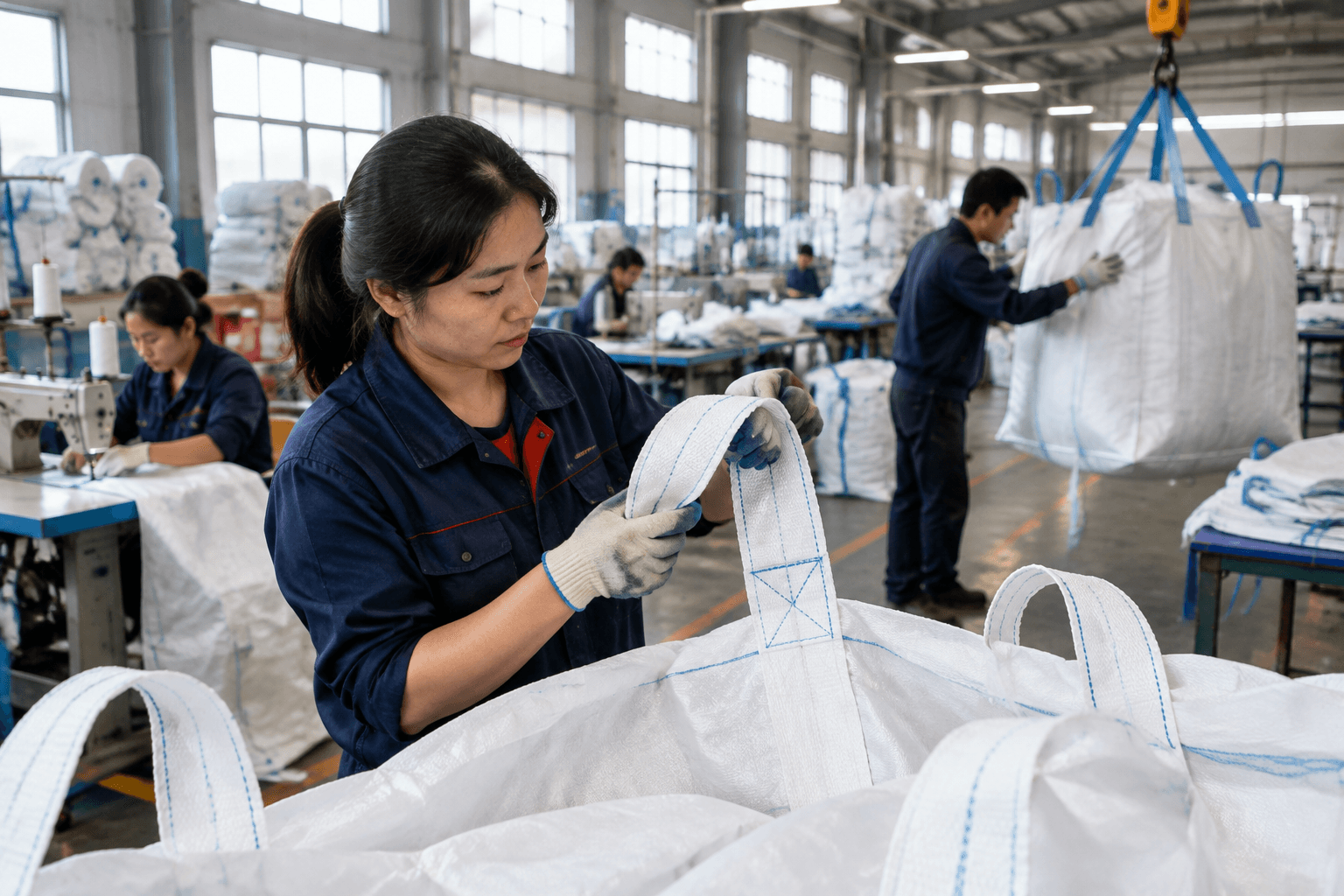
Choosing the Right Bulk Bag Manufacturer for Safer, More Efficient Operations
Learn how to specify bulk bags, evaluate manufacturers, and validate quality and supply reliability to reduce operational risk and support safer, more efficient handling.
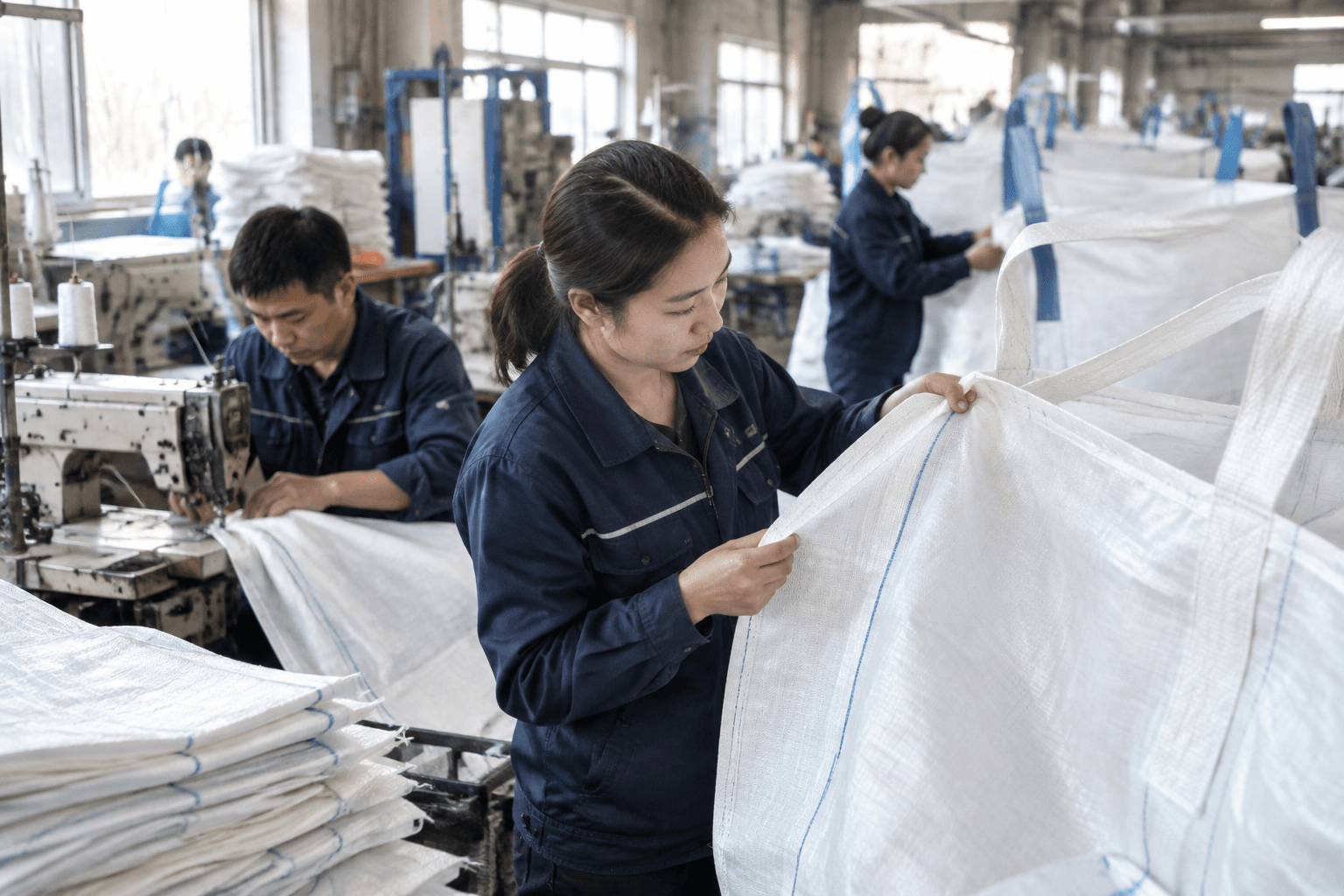
The 140th Canton Fair: New Trends in the Export Market for FIBC Bulk Bags, Jumbo Bags, and PP Woven Packaging
Explore how export buyers can evaluate FIBC bulk bags and PP woven packaging beyond unit price. Get practical guidance on specifications, supplier verification, sustainability requirements, and RFQs—and prepare your next sourcing conversation with COSEK.
Want to know more?
Get in touch with us for more information about our services and products.