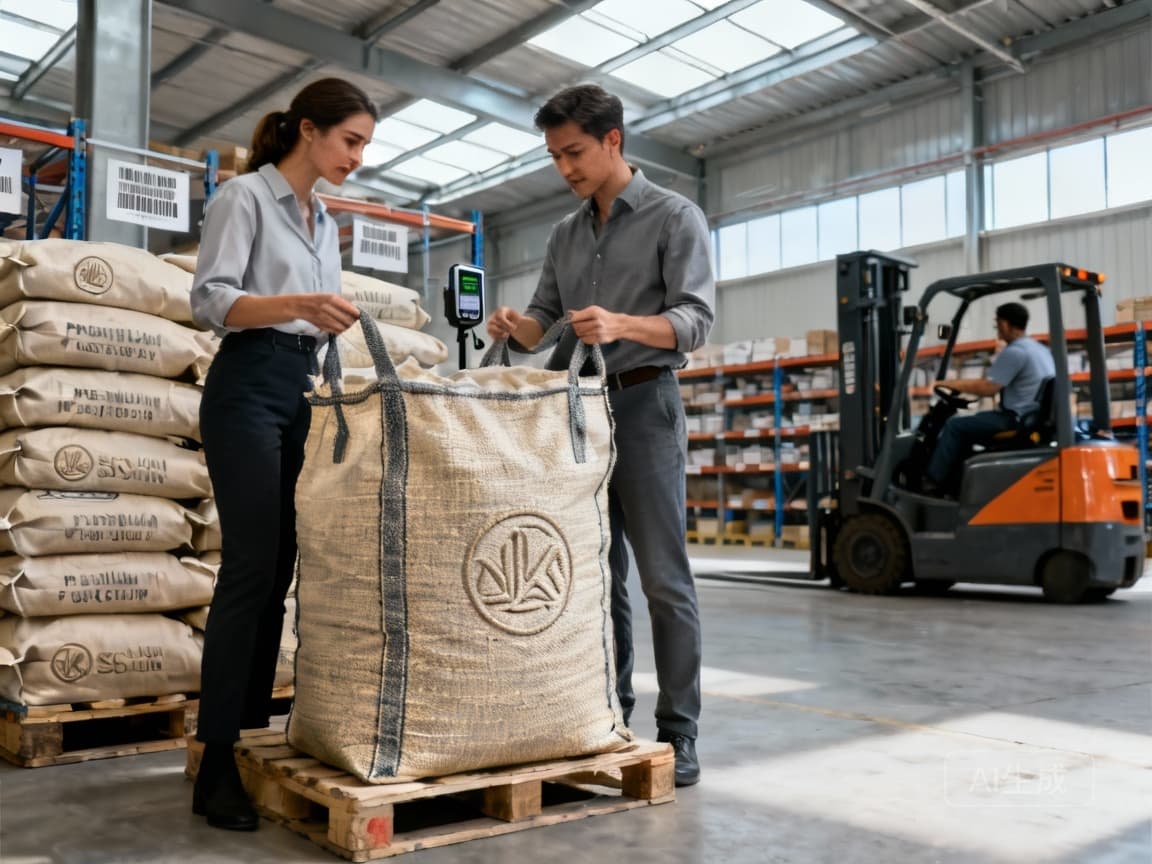
Transform Bulk Bags into Brand Assets: Drive 60% Higher Margins & Supply Chain Value #17
RUNCHEN
AuthorWith more than 25 years of experience in FIBC bulk bag manufacturing and sales, RUNCHEN operates its own production facility with stable batch capacity. We specialize in FIBC bulk bags, jumbo bags, ton bags, and customized industrial packaging solutions.
Transform Bulk Bags into Brand Assets: Drive 60% Higher Margins & Supply Chain Value
For bulk bag manufacturers and their industrial clients, the conversation has long been dominated by cost-per-unit and basic compliance. This commoditized dialogue traps value in a race to the bottom. Yet, forward-looking companies and market data reveal a transformative opportunity: to reimagine the humble bulk bag from a cost center into a strategic brand asset and value driver. By adopting this mindset, businesses can unlock significant margin growth and supply chain advantages, mirroring successes seen in adjacent industries.
The Brand Premium Play: Learning from Luxury Logistics
Consider the travel goods giant Samsonite. Facing post-pandemic challenges, they strategically focused on their high-end Tumi brand and direct-to-consumer channels. The result? A record-breaking 59.3% gross margin in 2023, up 350 basis points. This demonstrates the powerful leverage of premium branding.
This logic applies directly to industrial packaging. When a client sells specialty chemicals or premium food additives for thousands of dollars per ton, their packaging should reflect that value. A generic, unbranded bag undermines perceived quality and reliability.
"The global cosmetics packaging market, driven by personalization and premiumization, is projected to reach ~$799 billion by 2032. This trend for brand-differentiating packaging extends into B2B sectors," as noted in market insights.
Actionable Guidance for Manufacturers:
- Conduct a Brand Audit: Work with clients to assess if their current bulk bags align with their market positioning.
- Offer Customization: Move beyond simple logos. Develop custom fabrics, advanced coatings, proprietary color schemes, and reinforced lifting components that signal quality and precision.
- Quantify the Value: Frame premium bags as risk mitigation. Superior construction and clear, tamper-evident features reduce in-transit damage and end-user disputes, directly protecting revenue and supporting higher price points.
From Product to Service: Building a Circular Economy Model
Sustainability is no longer just about materials; it's about systems. The case of momo (Fubon Media), a major Asian e-commerce platform, is instructive. To reduce waste, they implemented a system of reusable packaging bags and boxes, constructing a short-loop logistics network for collection, cleaning, and redistribution. Their bags are used up to 25 times.
For bulk bag suppliers, this presents a paradigm shift: from selling a product to providing "Packaging-as-a-Service." This model builds deeper, long-term client relationships and transforms one-time sales into recurring service revenue.
Key Steps to Design a Profitable Circular System:
- Define the Ownership Model: Evaluate options like leasing, deposit schemes, or shared pool systems tailored for B2B flows between a plant and its customers.
- Engineer Reverse Logistics: Design efficient, cost-effective channels for returning empty bags. This is the system's backbone.
- Establish Cleaning & Certification Protocols: Develop rigorous standards for bulk bag recycling and cleaning, especially for food-grade or sensitive chemical applications. Bulk bag liners can simplify this process.
- Implement Tracking Technology: Utilize durable bag tags bulk (RFID/QR codes) and a digital platform to manage the pool, track lifecycles, and ensure accountability.
The Intelligent Data Node: Making Your Bag "Talk"
In an IoT-driven world, an asset that doesn't provide data is a silent cost. Each bulk bag is a physical touchpoint in the supply chain, presenting an opportunity to become a smart sentinel. This moves value beyond containment to actionable intelligence.
Scenario-Based Value Creation:
- For High-Value Goods: Integrate sensors to monitor temperature/humidity for products like specialty fertilizers. Weight sensors during bulk bag filling and unloading provide indisputable data, eliminating reconciliation disputes.
- For Supply Chain Visibility: GPS or UWB-enabled bulk bag tags enable real-time in-transit tracking, dramatically improving logistics planning and inventory accuracy.
- For Predictive Maintenance: Monitor stress and vibration to predict potential failures before a breach occurs, preventing costly spills and downtime.
The final step is integrating this data stream into the client’s ERP or Supply Chain Control Tower, enabling optimized production schedules, dynamic routing, and smarter inventory management.
Your Strategic Path Forward
The journey from container supplier to value-chain partner requires a strategic shift. Begin by assessing which lever—brand premium, circular service, or data intelligence—aligns most closely with your clients' core challenges. Pilot a program, using the frameworks above to build a compelling ROI model based on Total Cost of Ownership (TCO), not just unit price.
The market is moving. Soft packaging, which includes bulk bags, already commands over 54% of the global packaging market share due to its efficiency and graphic potential. The future belongs to suppliers who see their product not as a commodity, but as a critical, brand-enhancing, data-generating asset in their client's success. Start the transformation today.
Related News
Other news you might be interested in
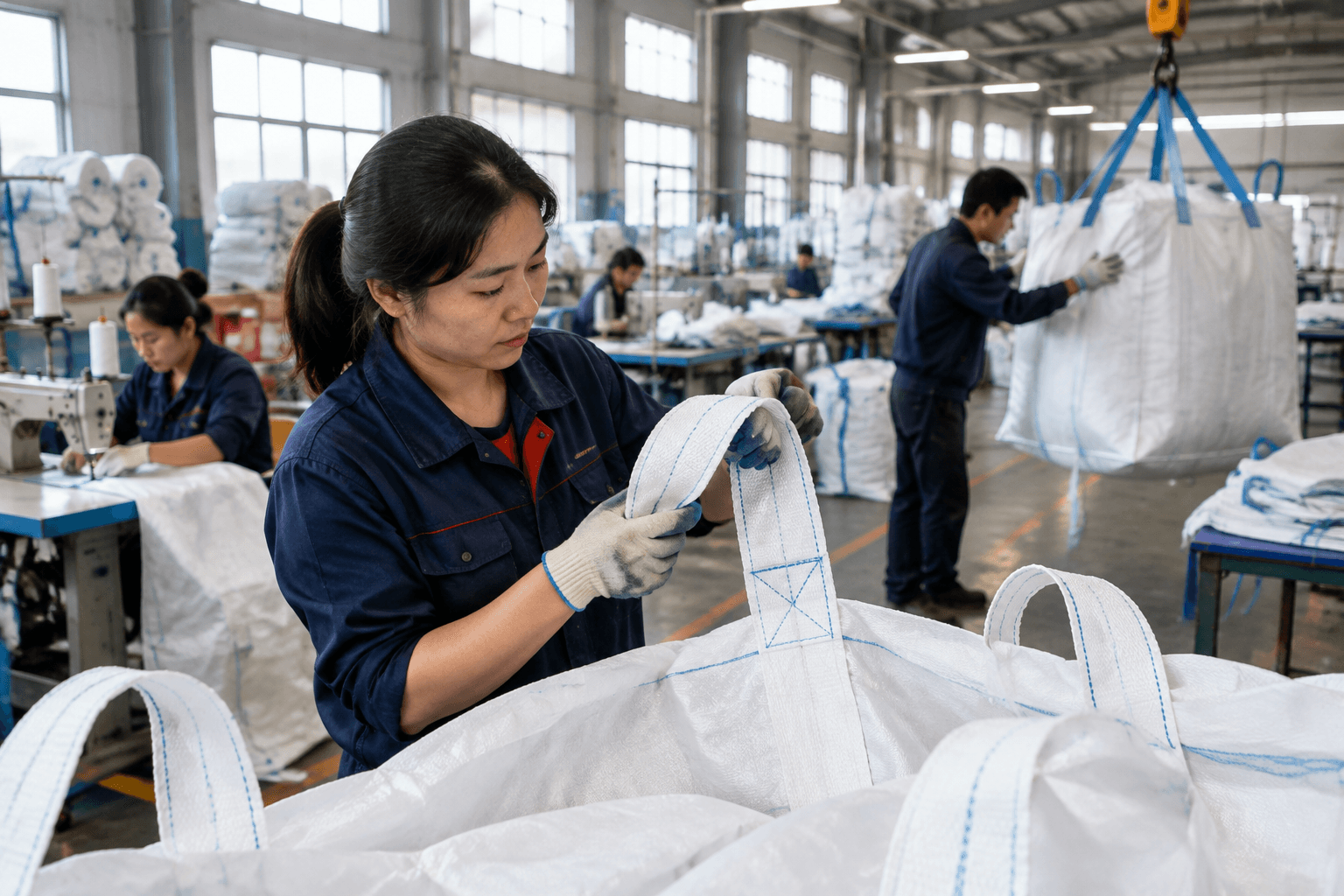
Choosing the Right Bulk Bag Manufacturer for Safer, More Efficient Operations
Learn how to specify bulk bags, evaluate manufacturers, and validate quality and supply reliability to reduce operational risk and support safer, more efficient handling.
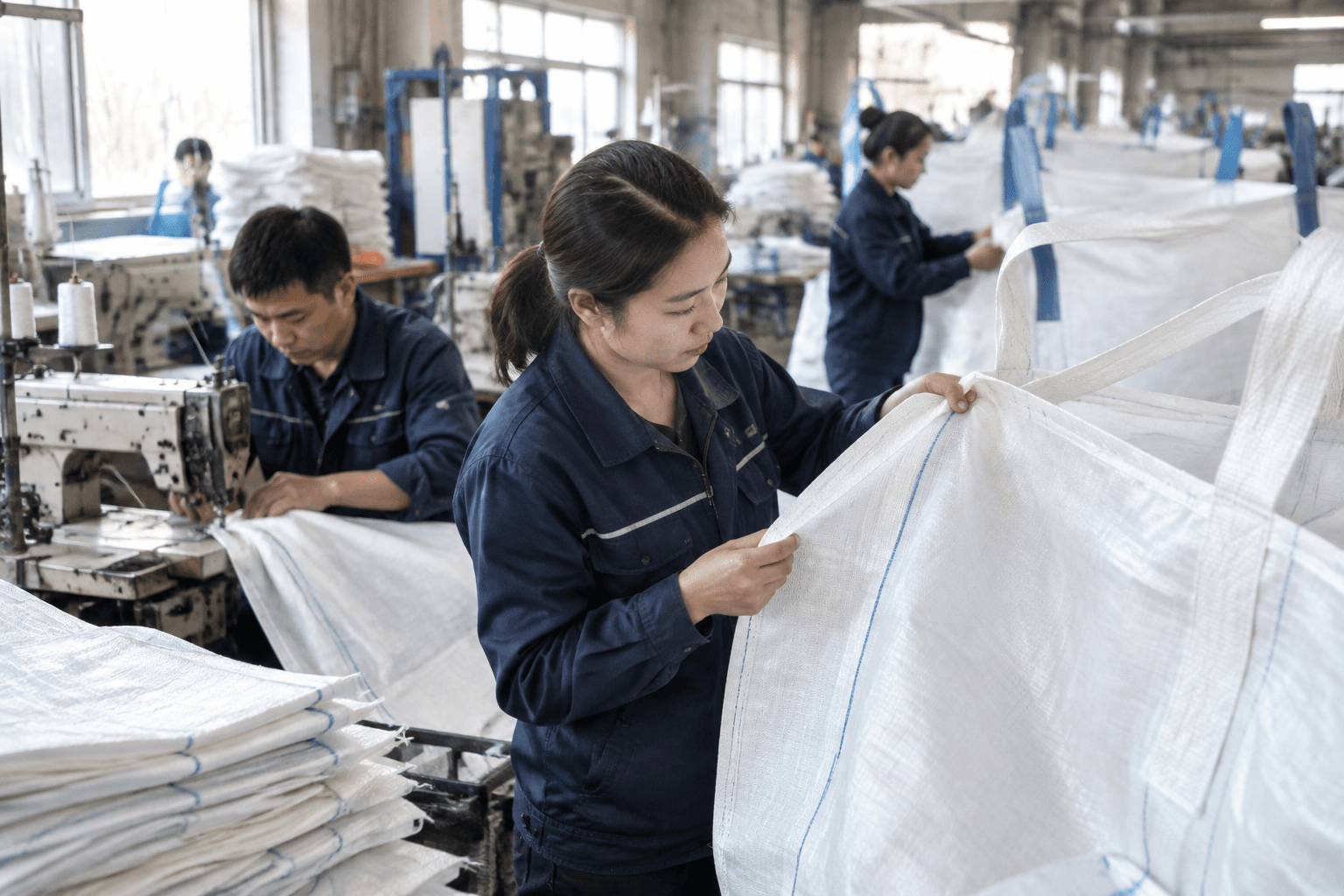
The 140th Canton Fair: New Trends in the Export Market for FIBC Bulk Bags, Jumbo Bags, and PP Woven Packaging
Explore how export buyers can evaluate FIBC bulk bags and PP woven packaging beyond unit price. Get practical guidance on specifications, supplier verification, sustainability requirements, and RFQs—and prepare your next sourcing conversation with COSEK.
Want to know more?
Get in touch with us for more information about our services and products.