
Transform FIBC Bags: From Cost Center to 30% Brand Value Driver
RUNCHEN
AuthorWith more than 25 years of experience in FIBC bulk bag manufacturing and sales, RUNCHEN operates its own production facility with stable batch capacity. We specialize in FIBC bulk bags, jumbo bags, ton bags, and customized industrial packaging solutions.
Transform Your FIBC Bags: From Cost Center to 30% Brand Value Driver
For decades, the bulk bag (FIBC) has been viewed through a narrow lens: a utilitarian container, a logistics cost, a commodity. This perspective limits your potential and your profitability. Leading manufacturers like Trust Group, which grew alongside giants like Haitian Soy Sauce and Blue Moon, demonstrate a more powerful truth. They became "invisible champions" not by selling bags, but by enabling brand value. The strategic shift is clear: stop selling a container and start providing a value amplifier for your client's entire supply chain. This article outlines how to reposition your FIBC solutions to capture this premium, driving brand value for your clients and commanding higher margins for your business.
From Logistics Cost to Strategic Brand Asset
The journey begins with a fundamental change in conversation. Move from discussing cost-per-bag to articulating value-per-shipment. Your clients in high-growth sectors like cosmetics or premium food ingredients aren't just buying packaging; they are investing in brand protection, supply chain resilience, and sustainability narrative.
Consider the data: the global mono-material packaging market is growing at a CAGR of 7.7%, driven by sustainability and simplified recycling demands. Simultaneously, the cosmetics packaging market is set to grow by $277 billion from 2025-2029. These aren't abstract trends; they are direct signals from your clients' end-markets.
The Actionable Shift: A Client Value Checklist
Equip your sales and product teams to ask new questions. Replace "What size do you need?" with strategic inquiries that uncover latent value:
- Brand Growth: "Which high-value product lines are you expanding, and how can our FIBCs ensure absolute purity and consistency for those sensitive ingredients?"
- Sustainability Goals: "What are your ESG targets, and how can a designed-for-recycling FIBC program contribute to your annual report?"
- Supply Chain Risk: "Where are your single points of failure in raw material logistics, and how can smart, traceable FIBCs mitigate that risk?"
By aligning your FIBC's features—whether it's advanced sealing, static control, or RFID-tagged traceability—with these client-level strategic goals, you transform your product into a business solution.
Innovating to Fill the Value Gap: The Tech-Long Model
Becoming a solutions partner requires investment in innovation that solves future problems today. The case of Tech-Long is instructive. They became a Coca-Cola-approved supplier not by copying existing machines, but by establishing a national R&D center to develop breakthrough technology like their lightweight blow-fill-cap integrated module. They filled a technological gap and defined a new standard.
The FIBC industry faces similar gaps. Leadership is not about incremental improvements but about pioneering in key areas:
- Smart & Traceable Systems: Integrate IoT sensors and RFID (bag tags bulk) for real-time load monitoring, condition tracking (e.g., for temperature-sensitive products), and anti-counterfeiting. This turns a bag into a data node.
- Mono-Material & Circular Design: Champion the development of pure polymer FIBCs that align with the mono-material trend. Address the real challenge of bulk bag recycling by designing for disassembly and partnering to create closed-loop take-back systems.
- Seamless Integration: Work with equipment manufacturers (bulk bag unloader, bulk bag filling equipment) to standardize interfaces based on bulk bag dimensions. Promote the "hands-free factory" where FIBCs integrate flawlessly from truck to production line, boosting safety and efficiency.
Like Tech-Long's commitment to R&D, sustained investment in these areas transitions your company from a standard supplier to a co-creation partner, setting the industry's future technical standards.
Capturing Value in the Green and Growth Economies
The final step is quantifying and communicating the tangible return on investment (ROI) of a strategic FIBC partnership. This moves the discussion beyond price to total value.
Building the Sustainable Narrative
A green FIBC is a story with chapters across the entire lifecycle. For a brand sourcing cosmetic ingredients or food additives, that story begins with your bag:
- Upstream: Using recycled content or bio-based materials reduces the client's Scope 3 emissions.
- Midstream: Lightweight design (inspired by Tech-Long's approach) cuts transportation fuel and carbon costs.
- Downstream: A designed-for-recycling bag simplifies waste management, potentially avoiding future regulatory fees like plastic packaging taxes.
The 30% Value Driver: A Quantifiable Framework
Where does the "30% brand value driver" come from? It's a composite of captured and avoided costs, translated into brand equity. Present a clear framework to your client:
Total Value Gained = (Avoided Disposal & Compliance Costs + Carbon Credit Value + Supply Chain Risk Mitigation) + Brand Premium from Enhanced ESG Story.
While specific ROI percentages vary, the principle is universal. When a FIBC safeguards a high-value ingredient for a cosmetics brand, ensures the crispness for bulk bag chips, or carries the certified-organic story for bulk bird seed, it is directly contributing to the brand's market position and customer trust—factors that drive premium pricing and loyalty.
The path forward requires courage to innovate, like Tech-Long, and the partnership mindset of Trust Group. By reframing your FIBC as the first chapter in your client's brand and sustainability story, you stop competing on cost and start leading on value. The bag doesn't just carry goods; it carries reputation, security, and growth. It's time to sell what's inside the business, not just what's inside the bag.
Related News
Other news you might be interested in
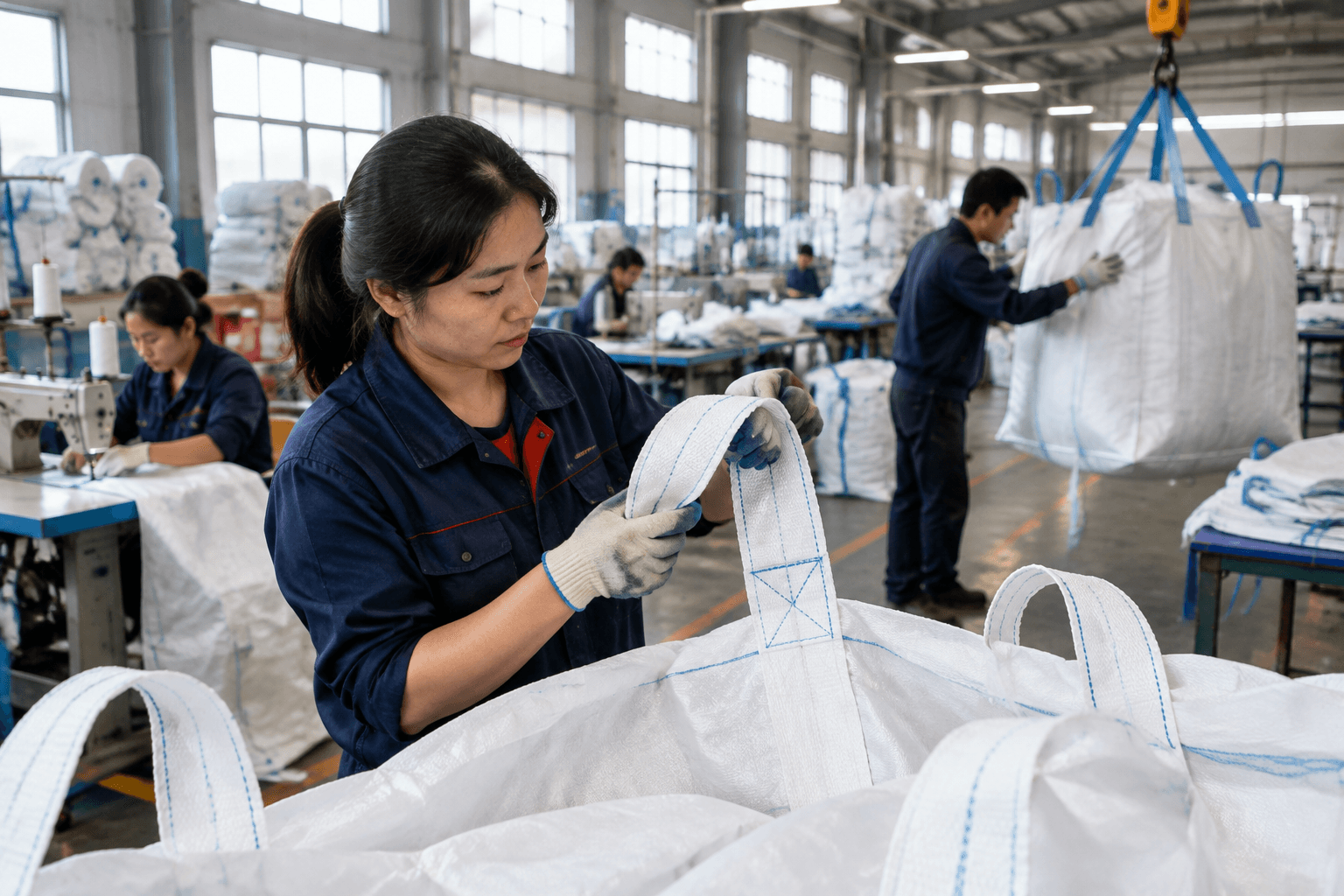
Choosing the Right Bulk Bag Manufacturer for Safer, More Efficient Operations
Learn how to specify bulk bags, evaluate manufacturers, and validate quality and supply reliability to reduce operational risk and support safer, more efficient handling.
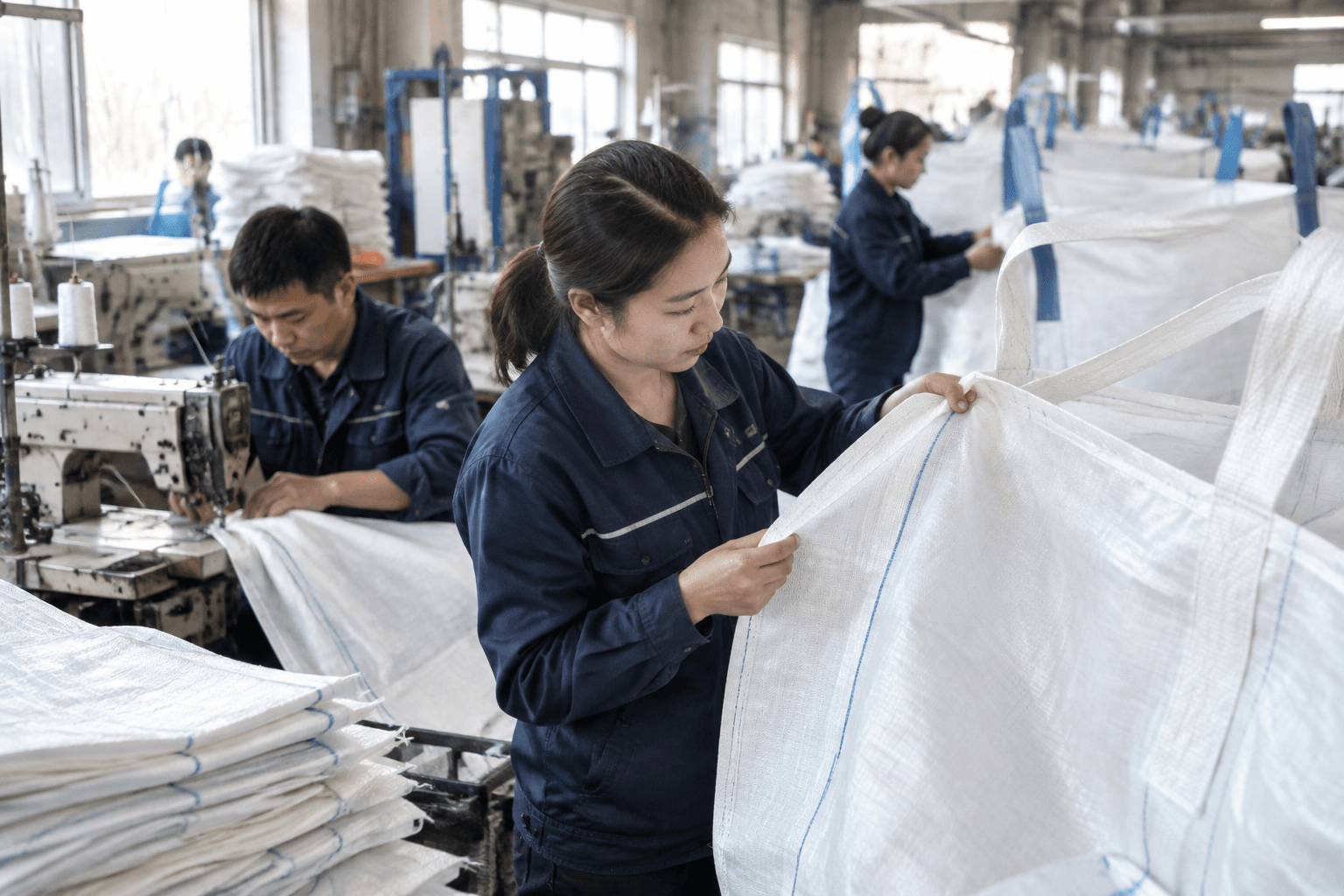
The 140th Canton Fair: New Trends in the Export Market for FIBC Bulk Bags, Jumbo Bags, and PP Woven Packaging
Explore how export buyers can evaluate FIBC bulk bags and PP woven packaging beyond unit price. Get practical guidance on specifications, supplier verification, sustainability requirements, and RFQs—and prepare your next sourcing conversation with COSEK.
Want to know more?
Get in touch with us for more information about our services and products.