Transform FIBC Bags: From Cost Center to Strategic ESG Asset & 12% Export Growth Driver

RUNCHEN
AuthorWith more than 25 years of experience in FIBC bulk bag manufacturing and sales, RUNCHEN operates its own production facility with stable batch capacity. We specialize in FIBC bulk bags, jumbo bags, ton bags, and customized industrial packaging solutions.
From Cost to Compliance: Redefining FIBC Bags as Strategic ESG Assets
For decades, Flexible Intermediate Bulk Containers (FIBC bags) have been viewed through a narrow lens: a cost-effective packaging solution. Procurement decisions often hinge on price-per-unit and basic tensile strength. However, a seismic shift in global trade and corporate responsibility is rendering this view obsolete. With the global push towards sustainability, FIBCs are transforming from a tactical purchase into a strategic asset critical for compliance, brand value, and market access. This evolution is not optional; it's driven by hard data. The Chinese packaging industry, a global bellwether, reports exports growing at an annual rate of 12%, with green packaging now commanding 80% market share. Simultaneously, markets in the EU and North America are escalating demands for verifiable ESG (Environmental, Social, and Governance) data and carbon-neutral logistics.
The Strategic Imperative: Beyond Basic Operations
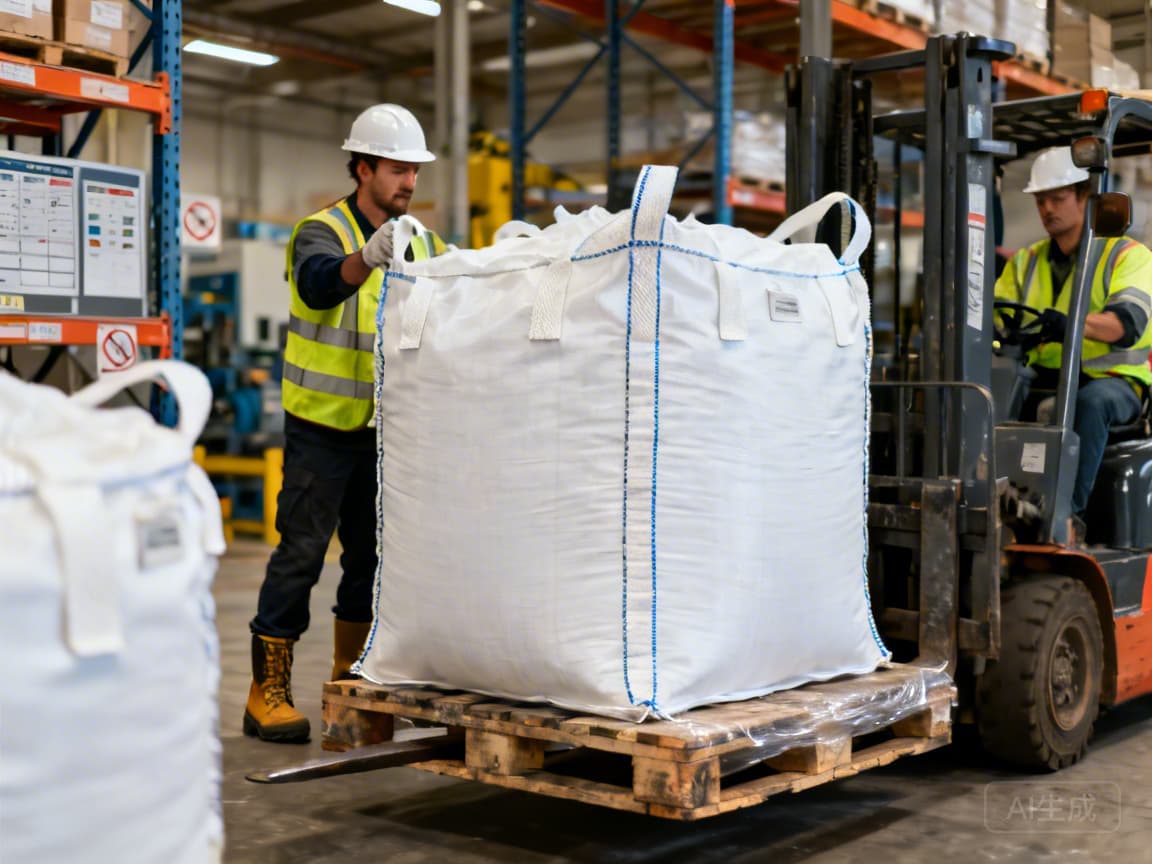
The traditional focus on operational safety, while vital, is now just the baseline. Consider the case of Shandong Lusu Packaging. Their guidelines—correct hoisting, using pallets, proper outdoor storage—are essential for preventing accidents and extending bag life. This addresses the immediate "S" (Social) in ESG by protecting workers. However, the strategic opportunity lies in embedding these safety principles into the bag's very design to create inherent "foolproof" features, reducing reliance on perfect operator behavior and mitigating risk in global supply chains where training varies.
This is where the narrative must expand. Leading corporations like Samsonite International S.A. provide the blueprint. They have successfully integrated their "Our Responsible Journey" ESG philosophy directly into core business strategy, proving that sustainability drives profitable growth. For bulk bag manufacturers and suppliers, the lesson is clear: your product is no longer just a container; it is a traceable data carrier for sustainability and physical proof of compliance in a regulated world.
Three Levers to Transform Your FIBC Strategy
1. Leverage Compliance as a Design Driver
Future-proofing FIBCs means designing for regulations like the EU's Carbon Border Adjustment Mechanism (CBAM), which requires embedded carbon data. The goal is to turn compliance from a cost into a competitive market-access advantage.
- Embed Traceability: Integrate QR codes or RFID tags that log a bag’s lifecycle—from recycled resin content to carbon footprint from manufacturing and transport. This creates an auditable trail for green supply chain certifications.
- Adopt "Fail-Safe" Design: Evolve from publishing manuals (like Shandong Lusu's) to engineering bags that make incorrect use difficult. This could involve reinforced lift loop configurations or clearer, universal markings for handling equipment like bulk bag unloaders.
2. Quantify and Monetize ESG Value
Translate the environmental benefits of FIBCs into the language of finance and branding. This is key for bulk bag manufacturers aiming to move beyond traditional OEM models.
- Develop an FIBC ESG Dashboard: Create a model for clients showing per-shipment metrics: carbon reduction vs. single-use alternatives, kilograms of virgin plastic saved, and safety incident reduction rates.
- Unlock Financial Incentives: This quantifiable data helps end-users secure green financing at better rates, qualify for tenders requiring ESG disclosure, and build brand equity with sustainability-conscious consumers.
Following Samsonite's lead, the most forward-thinking manufacturers will position their FIBCs not as a commodity, but as a tool that helps clients shine in their own annual ESG reports.
3. Deploy FIBCs as "Launch Infrastructure" for Export Growth
With Southeast Asia, the Middle East, and Africa as key growth markets, the first physical touchpoint for a brand is often its shipping packaging. Your FIBC is that ambassador.
- Engineer for Adaptation: Design FIBC bulk bags for specific climatic challenges—UV resistance for the Middle East, moisture barriers for tropical Southeast Asia. This prevents costly degradation and product loss.
- Transform into a Marketing Medium: Utilize the bag's large surface area as prime branding real estate in new markets, directly addressing the challenge of low brand recognition.
Implementation Roadmap: A Call to Action
The transition requires action from both sides of the supply chain.
For Procurement & Logistics Managers: Shift your supplier questionnaires. Beyond price and bulk bag dimensions, demand data on recycled content, carbon footprint per bag, and design features that prevent misuse. Partner with bulk bag suppliers who offer solutions, not just products.
For FIBC Manufacturers: Invest in lifecycle assessment (LCA) tools for your products. Develop clear, data-backed narratives around circularity and bulk bag recycling programs. Train your sales teams to consult on compliance and ESG value, not just specifications.
The data is unequivocal. The market is demanding sustainable, intelligent, and compliant packaging. By redefining the FIBC as a strategic ESG asset and export growth driver, proactive companies can capture a significant advantage, turning a simple cost center into a powerful engine for resilience and growth in the new global economy.
Related News
Other news you might be interested in
Choosing a Bulk Bag Manufacturer: Reduce Packaging Risk and Improve Supply Reliability
Use a practical supplier qualification framework to match FIBC specifications to your material, equipment, compliance needs, and delivery schedule—and reduce sourcing risk.
How to Qualify a Bulk Bag Manufacturer for Reliable, Compliant Packaging Supply
Use this practical framework to assess bulk bag specifications, quality controls, compliance, delivery reliability, and total cost before choosing a manufacturing partner.
Want to know more?
Get in touch with us for more information about our services and products.