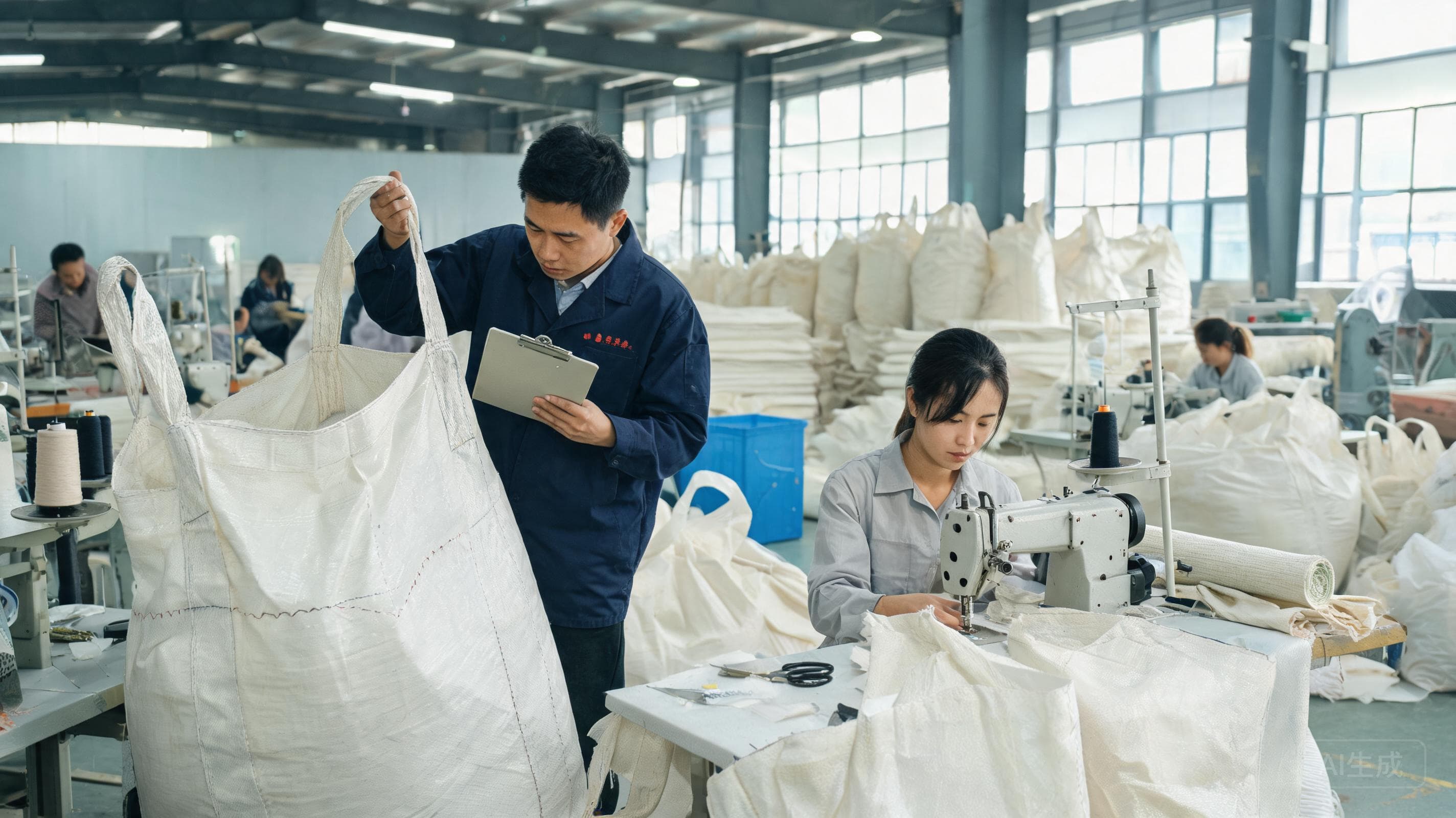
How to Qualify a Bulk Bag Manufacturer for Reliable, Compliant Packaging Supply
RUNCHEN
AuthorWith more than 25 years of experience in FIBC bulk bag manufacturing and sales, RUNCHEN operates its own production facility with stable batch capacity. We specialize in FIBC bulk bags, jumbo bags, ton bags, and customized industrial packaging solutions.
When packaging problems become supply-chain problems
For procurement and operations teams, a bulk bag is more than a line item. A torn seam, inconsistent dimensions, unsuitable liner, late shipment, or undocumented material change can interrupt filling operations, cause product loss, delay customer deliveries, and create compliance concerns.
Buyers need to compare suppliers on more than unit price. They must assess specification consistency, manufacturing controls, lead times, documentation, product suitability, and responsiveness when requirements change. The broad range of issues discussed across the packaging industry, including at events such as WEPACK, reflects the complexity of modern packaging decisions. These discussions are not specific to bulk bags, but they highlight the many variables packaging teams may need to manage.
The right bulk bag depends on the material being packed, filling and discharge processes, handling equipment, storage conditions, transport route, destination market, and the consequences of product damage or contamination. A bag that works well for one powder, resin, mineral, food ingredient, or chemical may be unsuitable for another.
This guide provides a practical supplier-qualification framework to help procurement and operations teams reduce risk, compare manufacturers, and identify a dependable bulk bag partner.
Start with the application, not the catalog
Begin supplier qualification with an application brief, not a request for a generic price list. Before comparing quotations, define what the bag must contain and how it will be used throughout its operating life.
Describe the product, target capacity, bulk density, particle size, flow characteristics, moisture content, and sensitivity to moisture, oxygen, static electricity, odor, contamination, or light. State whether the product is food-grade, pharmaceutical, chemical, agricultural, mineral, or industrial, since these factors may affect material selection, liner requirements, documentation, and handling.
Map the full operating cycle:
- How will the bag be filled, and how quickly will product enter it?
- Will it be lifted by forklift, crane, hoist, or automated equipment?
- Will it be stacked, stored outdoors, placed on pallets, or loaded into containers?
- How will the product be discharged?
- Is the bag intended for single use, reuse, recycling, or controlled disposal?
Document site constraints, including filling-spout dimensions, lifting-loop configuration, discharge equipment, warehouse racking, pallet footprints, container-loading patterns, and maximum stack height.
A clear application brief lets a manufacturer recommend a suitable construction rather than simply quote a standard FIBC that may not fit your process. It also provides a reference for sample approval, inspections, and corrective action.
Match bag construction to product and process requirements
Select bulk bag construction according to the product load, handling method, environmental conditions, and required level of protection. Consider dimensions, fabric weight, seam design, lifting loops, filling and discharge options, liners, closures, printing, and safety factors together.
Dimensions are about more than nominal capacity. They must account for bulk density, fill volume, headspace, pallet dimensions, container utilization, and the bag’s shape during filling and transport. Fabric and seams should support the required load and intended handling conditions.
For products that require internal protection or a closer fit between the outer bag and liner, a fitted inner liner, sometimes referred to as 成型内膜袋, may be suitable. Confirm compatibility with the product, filling method, discharge process, and required barrier performance before approval.
For demanding moisture, oxygen, aroma, or light-barrier requirements, an 铝箔袋 construction may be relevant. Verify the required protection level, laminate structure, sealing method, filling conditions, and handling environment. A barrier material can only deliver its intended performance when the complete packaging design, including closures and handling practices, supports it.
Where electrostatic risk is a concern, a purpose-designed conductive bulk bag, sometimes referred to as a 导电吨袋, may be required. Define the hazardous-area classification, product characteristics, grounding procedures, equipment configuration, and applicable site rules with qualified safety personnel. Do not treat a conductive bag as a general solution without assessing the specific risk and operational controls.
Before production, request a written specification covering:
- Bag type, dimensions, and dimensional tolerances
- Target capacity and safe working load
- Fabric material, coating, and weight
- Seam construction and lifting-loop configuration
- Filling and discharge design
- Liner type, thickness, fit, and barrier requirements, where applicable
- Printing artwork, label placement, and identification requirements
- Inspection criteria, testing expectations, and acceptance limits
Assess product quality and manufacturing controls
A polished sample is useful, but it does not prove that a supplier can maintain the same quality across repeat orders. Qualification should focus on repeatable process controls.
Ask how incoming materials are checked and controlled. Depending on the design, these may include polypropylene fabric, webbing, sewing thread, liners, coatings, printing materials, and packaging components. Understand how the supplier controls sourcing or weaving, cutting, sewing, liner fitting, printing, packing, and final inspection.
Request evidence of process consistency, such as inspection records, sample-approval procedures, batch traceability, nonconformance reports, corrective-action practices, and change-control processes. If a material source, fabric weight, liner structure, or print method changes, the supplier should have a defined process to assess and communicate the impact.
Ask how the manufacturer validates load performance and product suitability against your requirements. The response should relate to the proposed construction, safe working load, use conditions, and handling process—not rely on a generic claim of “high quality.”
Where practical, evaluate samples under realistic conditions. Conduct a controlled filling trial, use the actual lifting equipment, assess storage or stacking conditions, and test discharge performance. Include moisture, contamination, or static risks in the trial plan when relevant.
Review quality assurance as a system. A single test report or attractive pre-production sample cannot replace evidence that the supplier can reproduce the approved specification, identify deviations, and close corrective actions effectively.
Look beyond price to total cost and supply reliability
The lowest unit price can become the most expensive option if bags fail during filling, cause rework, reduce usable capacity, require excess warehouse space, or arrive after production has stopped. Compare total cost and supply reliability, not just the quoted price.
Assess landed cost alongside usable capacity, defect risk, product-loss exposure, storage requirements, freight efficiency, lead time, minimum order quantities, and the potential cost of production interruptions. A slightly more expensive bag may deliver a better operating outcome if it fits your equipment, protects your product, and arrives consistently.
Ask how prospective suppliers plan production capacity, manage raw-material availability, and communicate disruptions. Find out whether they can plan against forecast orders, how they manage peak demand, what alternatives they can offer during shortages, and who handles escalation when a shipment is at risk.
Review order flexibility, forecast requirements, replenishment options, shipping arrangements, export documentation, packaging methods, and delivery updates. For recurring orders, establish ownership from purchase-order confirmation through production scheduling, pre-shipment inspection, dispatch, and delivery issue resolution.
A total-cost comparison makes the distinction clear: a lower initial quote does not necessarily mean a lower-cost or more dependable supply outcome.
Include workforce and operational practices in due diligence
Supplier due diligence should extend beyond the finished bag. Workforce stability, process discipline, operational resilience, and data governance can all affect quality and delivery performance.
Consider how the supplier manages production workloads, worker-related practices, and continuity planning. Certification or implementation guidance, including GOTS resources where relevant, should be interpreted within its applicable scope; it does not automatically establish that a bulk bag meets a particular requirement.
Broader due diligence may also cover employee retention, fair compensation, HR processes, and compliance with applicable privacy and cybersecurity requirements, including GDPR or Chinese Cybersecurity Law where relevant. Evaluate these topics in the context of the buyer-supplier relationship, operating location, and data exchanged.
Ask what customer, order, technical, and employee information the supplier collects; how it is stored and protected; and which privacy or cybersecurity requirements apply. This is particularly important when sharing product specifications, labels, customer names, shipping information, or proprietary manufacturing data.
Workforce practices and data governance do not replace product testing or quality review. They are additional indicators of a supplier’s ability to support a long-term packaging program.
Verify sustainability and compliance claims
Verify environmental and compliance claims at the product level rather than relying on broad supplier statements. Relevant documents depend on the bag construction, product contents, destination market, customer requirements, and applicable chemical, labeling, recycling, or traceability obligations.
Ask which certifications, material declarations, test reports, and customer-specific documents apply to the quoted product. Check the issuing body, validity period, scope, facility coverage, and whether the document covers the exact bag, liner, fabric, or material being supplied.
Clarify requirements for recycled content, material traceability, chemical restrictions, printing inks, labeling, waste handling, and packaging documentation before finalizing the specification. If recycled or traceable materials are required, define the evidence needed and whether batch-level documentation is expected.
Use standards-related resources only where their scope applies. A textile standard should not be treated as automatic proof that a bulk bag, liner, or complete FIBC construction meets every relevant regulatory or customer requirement.
Use a structured supplier qualification process
A structured process helps buyers avoid selecting a supplier based on incomplete information or one attractive quotation. Create a scorecard that compares manufacturers against the criteria that matter to your application.
Your scorecard can include:
- Application expertise and ability to recommend a suitable construction
- Specification control and change-management procedures
- Quality systems, traceability, inspection, and corrective action
- Manufacturing capacity and raw-material planning
- Lead time, delivery performance, and replenishment capability
- Testing, documentation, and compliance support
- Communication quality and escalation responsiveness
- Commercial terms, minimum order quantities, and total-cost impact
Request a technical review before asking for a final quotation. This gives the manufacturer an opportunity to identify missing details, recommend alternatives, and explain trade-offs between constructions.
Review factory capabilities and relevant production records, then agree on sample, testing, and approval criteria. Where possible, run a controlled trial before scaling to recurring orders. Document acceptance criteria, responsibilities, the approved specification, and the process for managing future changes.
Once supply begins, review performance against agreed measures such as on-time delivery, defect rates, complaint response time, corrective-action closure, documentation accuracy, and communication responsiveness.
Use buyer stories and figures carefully
Supplier case studies can be useful starting points, particularly when they describe measurable outcomes such as reduced product loss, improved delivery reliability, faster filling, lower handling costs, or better warehouse efficiency. Treat these stories as prompts for questions, not proof that the same results will apply to your operation.
For example, a reference to Joincare Pharmaceutical Group Industry Co., Ltd. includes the figure 25.9846 million, but the available material does not specify its context or unit. Do not present it as a verified packaging return, financial result, or directly comparable performance metric.
Before using a supplier success story in a business case, confirm the metric, currency or unit, time period, baseline, attribution, operating conditions, and relevance to your product and packaging process. A result achieved with a different product, warehouse setup, or transport route may not transfer to your operation.
Ask prospective suppliers for references, sample reports, or documented results that match your bag type, product characteristics, load range, and handling conditions.
Questions to ask before requesting a quotation
A detailed request for quotation produces a more useful response. Before asking suppliers to price a bulk bag program, discuss the following:
- Which construction and materials suit the product, load, filling process, and storage environment?
- Can you supply fitted-liner, foil-barrier, or conductive configurations, and what application details do you need to recommend one?
- What testing, inspection, traceability, and documentation can you provide for the proposed specification?
- What are your sample-approval process, production lead time, minimum order quantity, and replenishment timeline?
- How do you manage specification changes, quality issues, delivery disruptions, and corrective actions?
- Which certifications or compliance documents apply to the quoted product and destination market?
- What assumptions does the quotation make about materials, capacity, liner construction, printing, packing, shipping, and testing?
- What information do you need to confirm product suitability before production begins?
Turn the specification into a practical next step
Prepare a concise application brief with product details, target capacity, bulk density, operating environment, filling and discharge methods, equipment constraints, storage conditions, destination market, forecast volumes, delivery locations, and compliance requirements.
With this information, a manufacturer can review the application, identify suitable bulk bag constructions, assess whether a liner, barrier structure, or conductive design may be appropriate, and establish a sample or testing plan before approving recurring production.
Sharing expected order volumes, delivery timing, and shipping locations also helps the supplier assess production fit and provide a more realistic commercial proposal. You can then compare technical suitability, supply reliability, and total cost—not just price per bag.
Ready to qualify a bulk bag solution for your operation? Contact our team to request a technical review and quotation. Include your application brief to get recommendations tailored to your product, handling process, and delivery requirements.
Related News
Other news you might be interested in
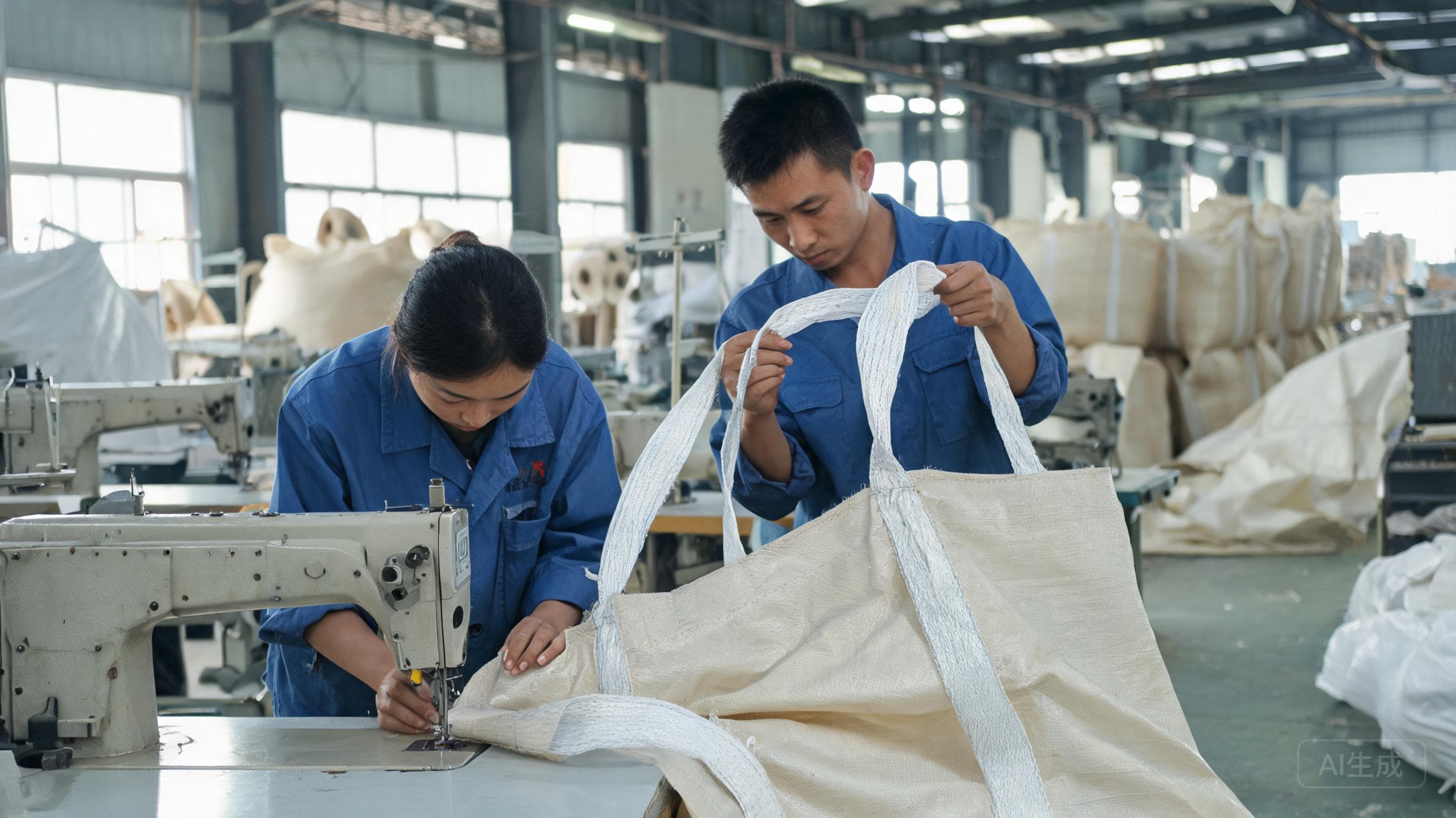
How to Choose a Bulk Bag Manufacturer That Protects Product Quality and Reduces Supply Risk
Evaluate bulk bag manufacturers on application fit, quality controls, compliance, and supply readiness. Use a clear specification and trial plan to reduce product loss and procurement risk.
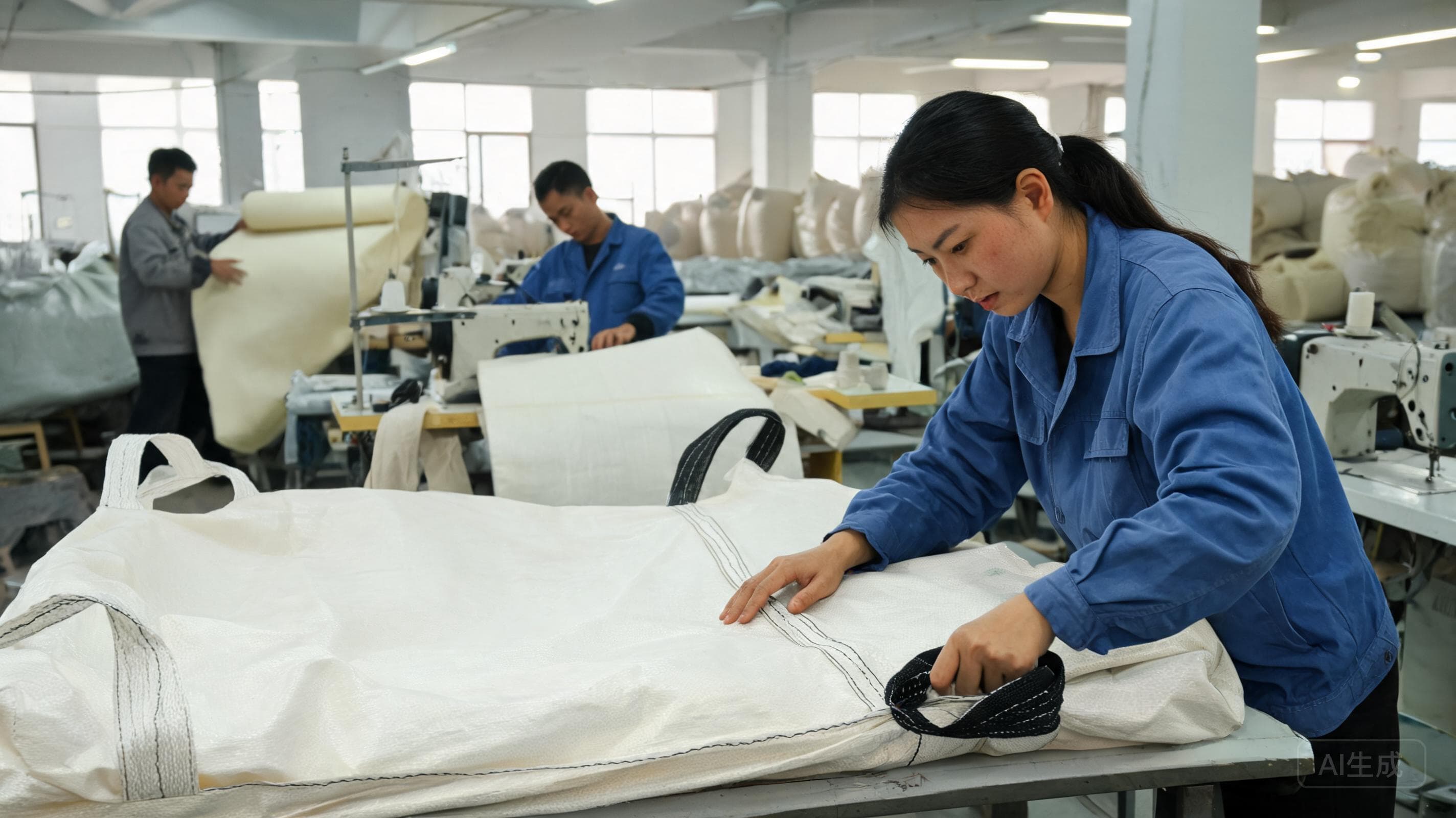
How to Choose the Right FIBC Supplier for Safer, More Reliable Bulk Packaging
Learn how to match FIBC design to your product and handling needs, assess supplier quality, compare total costs, and prepare a stronger request for quotation.
Want to know more?
Get in touch with us for more information about our services and products.