Transform FIBC Bags: From Cost to Strategic Asset, Boosting Supply Chain Resilience & ESG Value
RUNCHEN
AuthorWith more than 25 years of experience in FIBC bulk bag manufacturing and sales, RUNCHEN operates its own production facility with stable batch capacity. We specialize in FIBC bulk bags, jumbo bags, ton bags, and customized industrial packaging solutions.
From Cost Center to Strategic Asset: Reimagining FIBC Bags for Supply Chain Resilience
For decades, the Flexible Intermediate Bulk Container (FIBC or吨袋) has been viewed through a singular, utilitarian lens: a cost-effective logistics consumable. Procurement decisions often begin and end with unit price. Yet, in an era defined by material volatility, stringent ESG mandates, and demand for supply chain transparency, this perspective is not just outdated—it's a strategic liability. Leading companies are now recognizing that a FIBC bag is not merely a container, but a strategic sustainable asset capable of driving operational resilience, brand value, and circular economic advantage. This paradigm shift transforms sustainability from a compliance endpoint into a powerful growth engine.
The Digital Passport: Transforming Compliance into Competitive Advantage
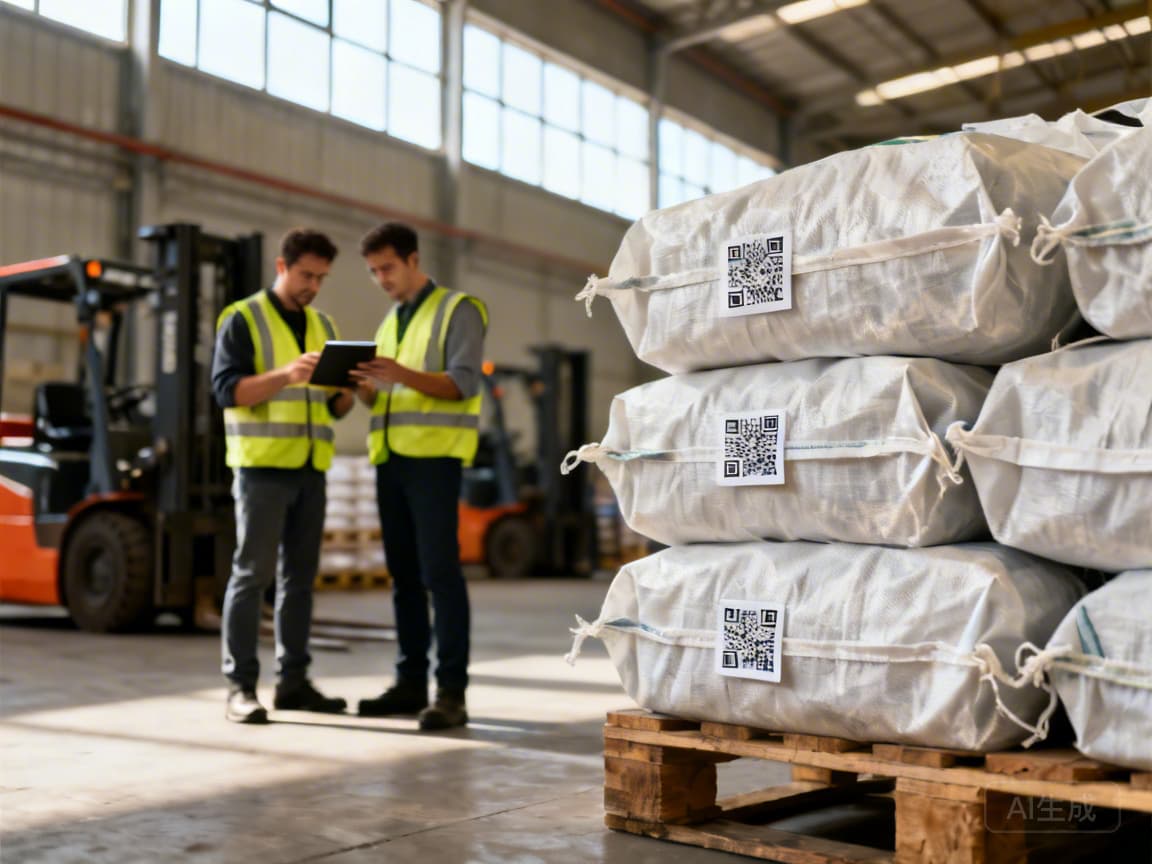
The first strategic pivot moves FIBCs from passive vessels to active data carriers. Consider the challenge of modern regulations like the EU's Supply Chain Act or China's dual-carbon goals, which demand verifiable environmental and social data. By integrating technologies such as RFID tags, QR codes, or IoT sensors directly into bag construction, a FIBC becomes a digital "passport" tracking its lifecycle from raw material to end-of-life. This enables granular data on location, condition, and carbon footprint.
This approach aligns with broader market trends toward technology upgrades and intelligent production to counter cost pressures. It transforms compliance from a reactive burden into a proactive tool for optimization. Real-time data can prevent loss (e.g., monitoring for moisture in "bulk bag chips"), optimize inventory, and provide the auditable transparency that stakeholders demand. As seen in the strategic evolution of companies like Tech-Long, which emphasizes customer experience and localized service, success lies in moving beyond traditional product sales to offering integrated, value-adding solutions.
“将经济成功与社会责任、环境保护相结合,是实现可持续发展的关键。” – Implementation Experience from momo's CSR case.
Building a "Circular Buffer" Against Material Volatility
The second, critical angle addresses the core pain point identified in market insights: production capacity expansion and insufficient demand leading to intensified raw material price fluctuations. Relying solely on virgin polypropylene exposes companies to global market shocks. The strategic response is to develop a closed-loop system for FIBCs—a circular model encompassing professional collection, cleaning, inspection, and reintroduction into the supply chain.
This creates a stable "secondary raw material" supply, acting as a buffer against resin price spikes. The business case extends beyond simple recycling; it's about securing material sovereignty and predictable long-term costs. Momo's practice of engaging its vast supplier network offers a powerful blueprint. By establishing clear CSR principles with nearly 10,000 suppliers, as momo did, companies can integrate FIBC circularity standards—such as minimum recycled content and take-back protocols—into supplier codes of conduct. This builds a resilient, green supply chain ecosystem rather than relying on fragmented, one-off "bulk bag recycling" efforts.
The Branded Interface: Communicating Value Beyond the Factory Gate
The third strategic lever is often overlooked: FIBC as a brand vehicle. In a market trending toward high-end, diversified, and green development, the bag's design—its structure, color, and print—can communicate a powerful sustainability narrative to the end-user. This could be a food ingredient manufacturer or a chemical company whose brand is enhanced by its packaging choices.
Moving beyond safety labels and logos, design can visually tell a story of circularity. A dedicated symbol for bags containing a high percentage of recycled material, or a QR code linking to the bag's lifecycle history, turns a functional item into a testament to corporate responsibility. This approach answers the call from cases like Tech-Long, where breaking from "traditional" industrial marketing to focus on holistic customer experience is vital. It elevates the FIBC from an anonymous bulk item to a customized brand touchpoint, supporting premium positioning and customer loyalty.
A Practical Roadmap for Transformation
Shifting your FIBC strategy requires a phased, actionable approach. Here is a concise roadmap to begin this transition:
- Assess & Pilot: Conduct a current-state analysis of your FIBC spend, usage patterns, and disposal methods. Launch a pilot project for digitizing a batch of bags or establishing a closed-loop program with a trusted logistics partner.
- Collaborate & Standardize: Engage suppliers and customers using the model exemplified by industry leaders. Develop joint standards for bag durability, recycled content, and data tracking. Integrate these criteria into your formal procurement and vendor assessment frameworks.
- Scale & Integrate: Expand successful pilots. Invest in a managed pool of high-quality, trackable, and reusable FIBCs. Use the collected data to drive broader supply chain decisions, report on ESG metrics with confidence, and market your sustainable logistics advantage.
The data is clear: with green packaging commanding 80% of market share under regulatory push, the future belongs to integrated, intelligent, and circular solutions. By redefining the FIBC as a strategic asset, businesses do not just adapt to change—they harness it to build a more resilient, efficient, and valuable supply chain.
Related News
Other news you might be interested in
Choosing the Right Bulk Bag Manufacturer for Safer, More Efficient Operations
Learn how to specify bulk bags, evaluate manufacturers, and validate quality and supply reliability to reduce operational risk and support safer, more efficient handling.
The 140th Canton Fair: New Trends in the Export Market for FIBC Bulk Bags, Jumbo Bags, and PP Woven Packaging
Explore how export buyers can evaluate FIBC bulk bags and PP woven packaging beyond unit price. Get practical guidance on specifications, supplier verification, sustainability requirements, and RFQs—and prepare your next sourcing conversation with COSEK.
Want to know more?
Get in touch with us for more information about our services and products.