Transform FIBC Bags into Strategic Assets: Boost Efficiency & Enable Circularity
RUNCHEN
AuthorWith more than 25 years of experience in FIBC bulk bag manufacturing and sales, RUNCHEN operates its own production facility with stable batch capacity. We specialize in FIBC bulk bags, jumbo bags, ton bags, and customized industrial packaging solutions.
Transform FIBC Bags into Strategic Assets: Boost Efficiency & Enable Circularity
For decades, Flexible Intermediate Bulk Containers (FIBCs or bulk bags) have been viewed as simple, disposable logistics items—a cost to be minimized. This perspective is now obsolete. Driven by a global push for sustainable operations and process optimization, forward-thinking companies are redefining these workhorses. By managing FIBCs as strategic assets across their entire lifecycle, businesses can unlock significant operational efficiency and build a robust foundation for circular economy practices.
The Efficiency Lever: FIBCs as Your "Process Connector"
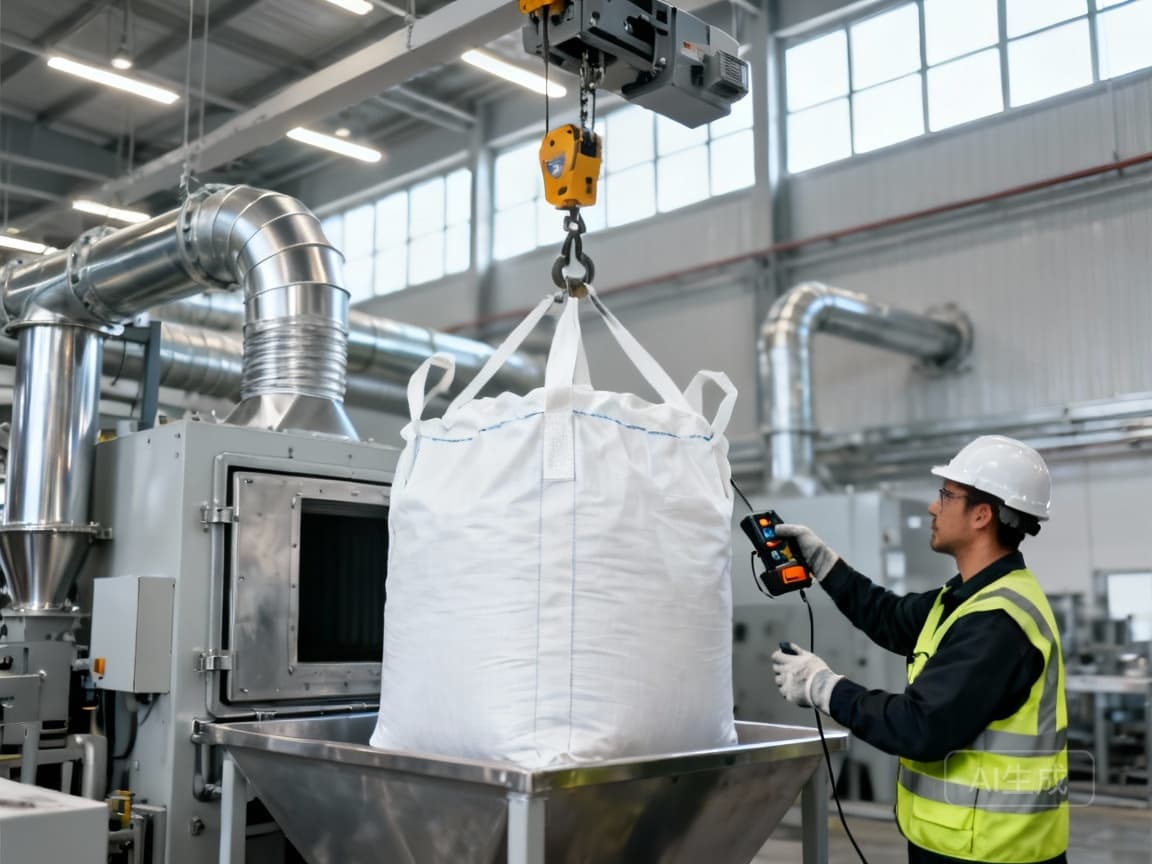
The true cost of an FIBC isn't just its purchase price; it's the total cost of handling, emptying, and managing material flow from warehouse to production line. This interface is a critical leverage point for overall plant efficiency. A case study from Endema, a solution provider for industries like plastics, food, and chemicals, illustrates this shift. Their custom FIBC discharging stations do more than just open bags—they integrate electric hoists, sealed hoppers, rotary valves, and dust collection into a cohesive pneumatic conveying system.
The results go beyond basic unloading: dust-free operation, guaranteed material quality, and improved workshop environments. This transforms the FIBC from a passive container into an active, optimized "process connector." The key lesson is customization; the solution must be tailored to specific material characteristics (e.g., powder flowability, hygroscopy) and existing plant layout. For older facilities, this means integrating and upgrading current resources. For new plants, it underscores the necessity to design with future automation and material handling upgrades in mind from the start.
Actionable Step: Audit Your "Connector" Efficiency
To assess your current state, evaluate these key points:
- Time & Labor: How long does manual unpacking take? How many personnel are involved?
- Contamination & Loss: Is there visible dust emission during discharge? What is the rate of material residue left in the bag?
- System Integration: How seamlessly does the emptying process feed into the next production step?
The Sustainability Gateway: Closing the FIBC Loop
Operational efficiency must be paired with environmental responsibility. Here, macro-trends directly intersect with FIBC strategy. The global mono-material packaging market—valued at $3.94 billion in 2024 and projected to reach $5.63 billion by 2029 (CAGR 7.3%)—is a powerful indicator. This growth, fueled by simplified recycling and Extended Producer Responsibility (EPR) laws, makes the material composition of your FIBCs a strategic decision.
Your FIBC is not waste; it is a future feedstock. The pivotal question is: are your bulk bags designed for this future?
A bag constructed from a single polymer type (e.g., pure polypropylene) is inherently more recyclable than a multi-layer, multi-material alternative. Companies like Shandong Lusu Packaging emphasize that correct handling and storage (e.g., proper sling use, protection from weather) are essential for extending FIBC life, which is the first and most profitable form of recycling. The next step is establishing a closed-loop system: procuring recyclable mono-material FIBCs, implementing consistent return logistics, and partnering with specialized bulk bag recycling services to transform used bags into valuable granulate.
Actionable Step: Initiate the Circular Dialogue
Your next conversation with your FIBC supplier should extend beyond price per unit. Focus on these strategic topics:
- Material Innovation: Do you offer mono-material solutions compatible with growing recycling streams?
- Design for End-of-Life: Can we design features (e.g., easy-to-clean liners, standardized loops) that facilitate automated handling and recycling?
- Take-Back Models: What partnership models exist for the collection and guaranteed recycling of our used FIBCs?
Building Your Strategic FIBC Framework: A Four-Step Plan
Transforming perception into practice requires a structured approach. Follow this framework to build your FIBC asset management strategy.
Step 1: Conduct a Lifecycle Audit
Map the complete journey of your FIBCs: procurement specifications, in-house handling procedures, emptying methods, cleaning processes (if reusable), and final disposal or recycling destination. Quantify associated costs, labor, and waste at each stage.
Step 2: Foster Collaborative Innovation
Engage with suppliers as solution partners, not just vendors. Share your audit findings and efficiency/sustainability goals. Collaborate on custom designs that address your specific material challenges and future automation roadmaps.
Step 3: Institutionalize Best Practices
Formalize operational guidelines. The foundational safety and handling procedures from Shandong Lusu—such as correct hoisting and forklift operation—must become standardized work instructions. Expand these to include cleaning protocols for reusable bags and procedures for segregating and storing used FIBCs for recycling.
Step 4: Measure, Report, and Iterate
Establish Key Performance Indicators (KPIs) to track progress. Relevant metrics include:
- FIBC cycle count (for reusable bags)
- Material discharge efficiency (time + residue loss)
- FIBC recycling/recovery rate
- Incident rate related to FIBC handling
Redefining Value for a Sustainable Future
The humble FIBC bag is at a crossroads. Companies that continue to see it as a cheap consumable will face rising waste costs and missed efficiency gains. Those that reimagine it as a manageable, optimizable asset will secure a competitive advantage. By mastering the FIBC's role as a process connector and closing its material loop, you do more than improve logistics—you enhance production fluency, safeguard product quality, protect worker health, and add tangible, credible substance to your corporate sustainability narrative. The data and case studies show the path is clear; the strategic opportunity is now.
Related News
Other news you might be interested in
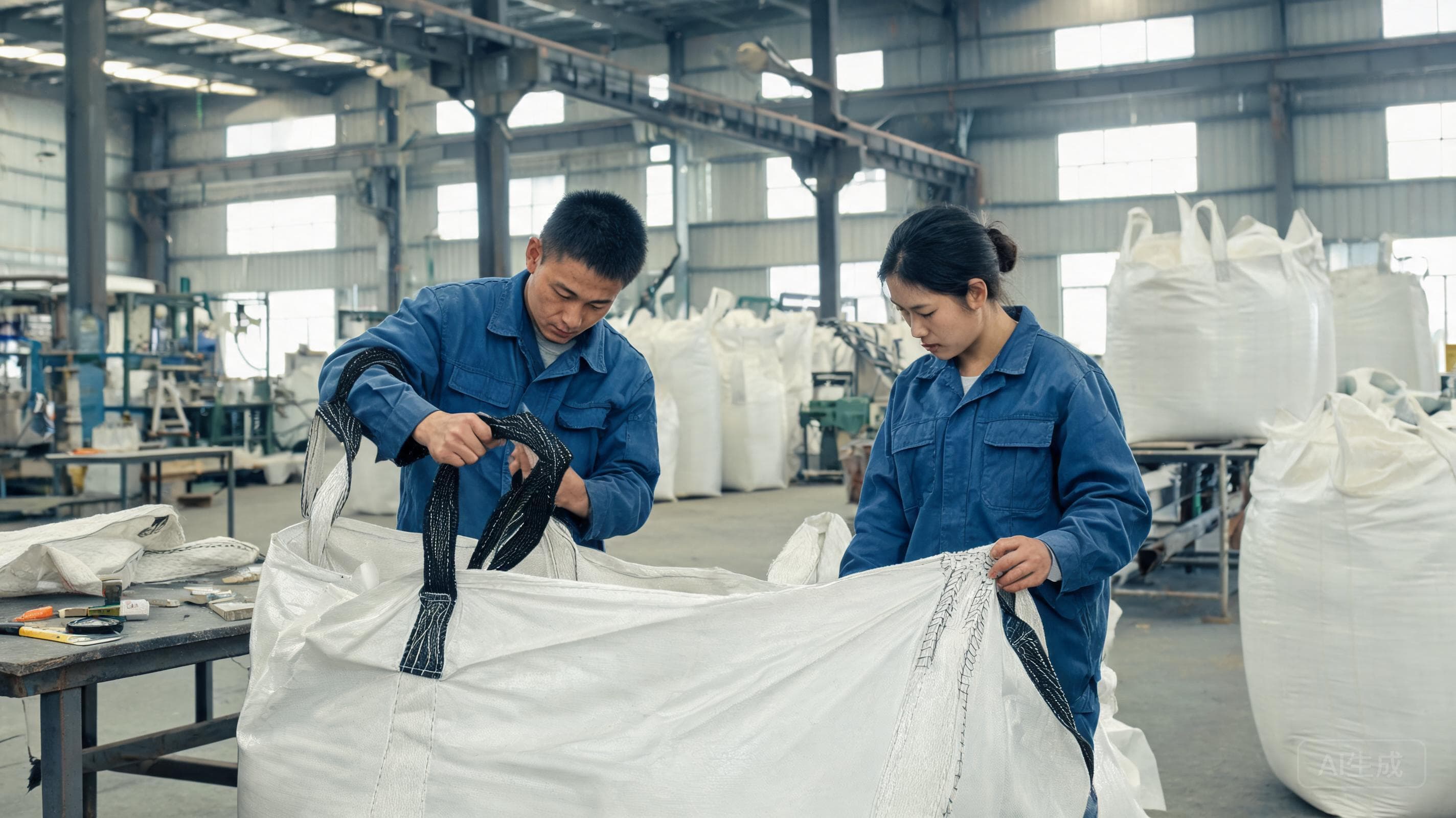
How to Choose FIBC Bulk Bags That Reduce Transit Risk and Support Reliable Supply
Learn how to match FIBC bulk bag design to your material, handling process, and route. Use samples, testing, and supplier checks to reduce transit risk and improve supply reliability.
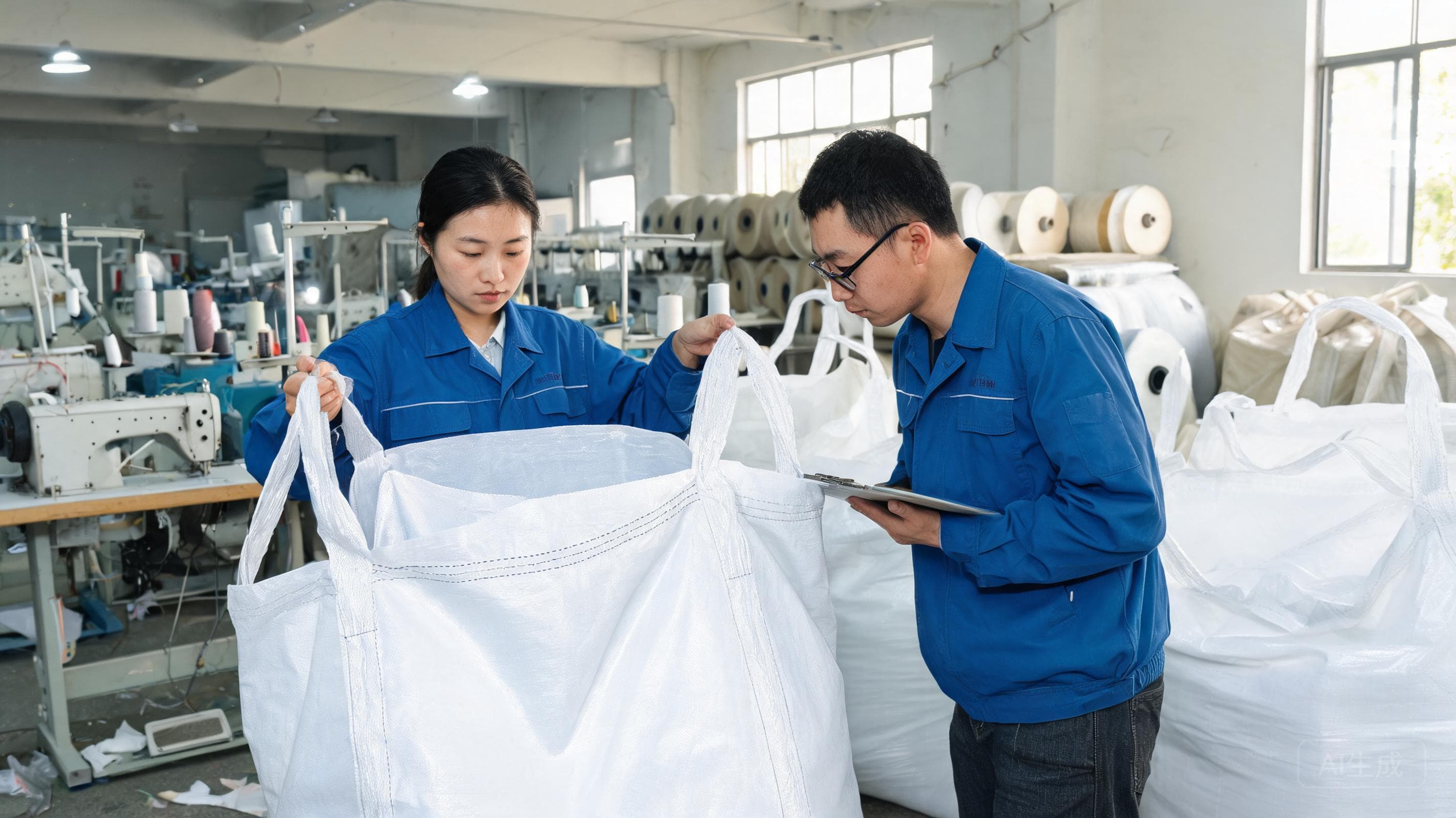
Choosing the Right FIBC Manufacturer: A Practical Guide to Safer, More Reliable Bulk Packaging
Evaluate FIBC manufacturers by application fit, quality controls, total cost, and supply reliability. Use this practical guide to define specifications, assess samples, and plan a controlled trial.
Want to know more?
Get in touch with us for more information about our services and products.