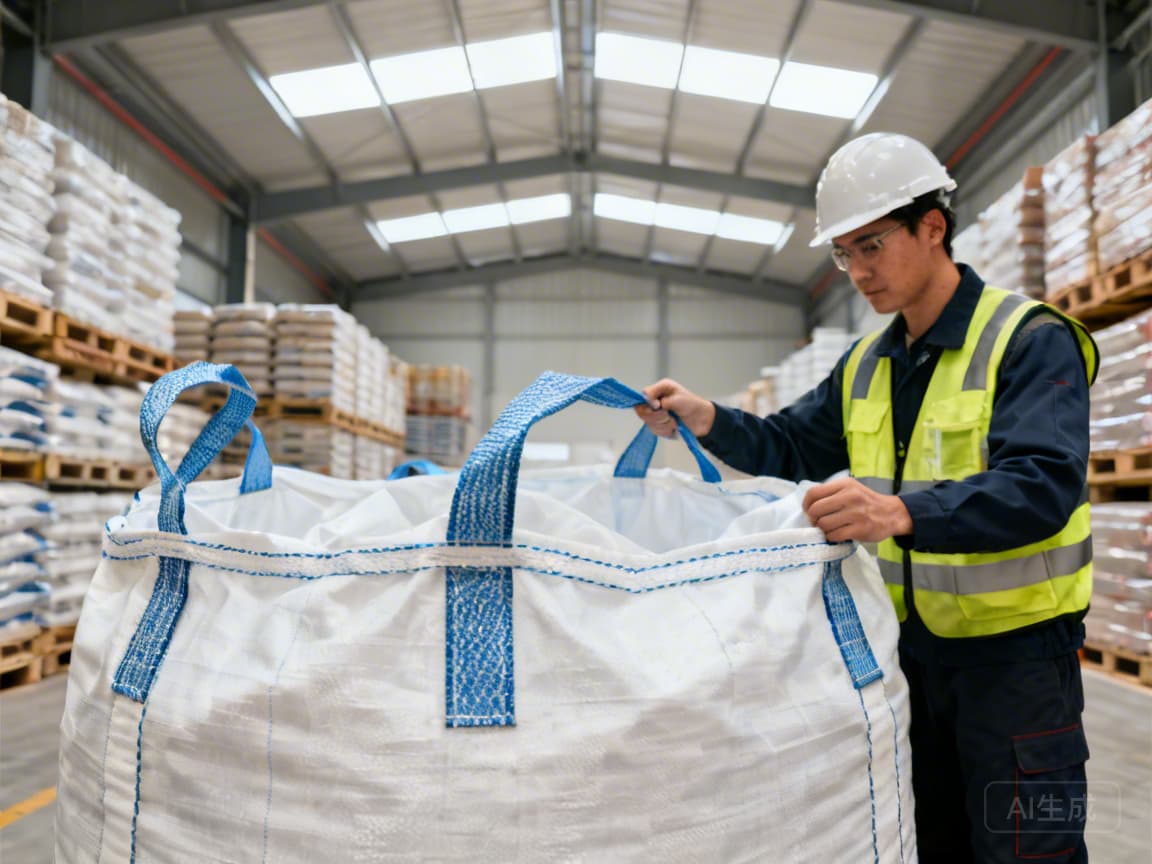
Transform FIBCs: Achieve 95% Circularity & Cut Logistics Loss to 0.5%
RUNCHEN
AuthorWith more than 25 years of experience in FIBC bulk bag manufacturing and sales, RUNCHEN operates its own production facility with stable batch capacity. We specialize in FIBC bulk bags, jumbo bags, ton bags, and customized industrial packaging solutions.
From Cost Container to Value Engine: The Strategic Transformation of FIBCs
The bulk bag, or Flexible Intermediate Bulk Container (FIBC), has long been viewed through a transactional lens: a cost-effective vessel for moving dry flowable goods. However, this perspective is becoming dangerously obsolete. Driven by stringent environmental regulations, the demand for supply chain resilience, and the digitization of logistics, a strategic shift is underway. The modern FIBC is no longer just a container; it is evolving into a critical node for data, sustainability, and efficiency. By embracing this transformation, forward-thinking manufacturers can achieve radical outcomes, such as 95% material circularity and reducing in-transit losses to a mere 0.5%.
This evolution mirrors a broader trend identified in market insights: industries worldwide are应对成本压力 (addressing cost pressures) via technological upgrades and intelligent production. For FIBCs, this means transcending the traditional "cost-saving" dialogue and positioning the asset as a strategic lever for supply chain optimization and corporate responsibility.
The Three Pillars of the Modern FIBC Strategy
To harness this potential, businesses must re-evaluate their FIBC programs across three interconnected dimensions: sustainability as a system, data as a driver, and design as a differentiator.
1. Sustainability as a Strategic Asset: Closing the Loop
With green packaging now commanding 80% of the market share in China and regulations like the EU's Packaging and Packaging Waste Regulation setting global precedents, sustainability is a compliance mandate and a competitive edge. The goal shifts from using a "less bad" bag to creating a circular asset.
The opportunity lies in designing FIBCs for their entire lifecycle. This involves using high-percentage recycled polypropylene or exploring bio-based materials like PLA (polylactic acid), a market projected to grow at over 20% CAGR. The real breakthrough, however, comes from integrating these materials into a closed-loop system. Imagine a scenario for a global chemical manufacturer:
By implementing FIBCs with scannable QR codes for ownership tracking and partnering with a dedicated recycling network, the company can achieve a 95% circularity rate. The packaging cost transforms from a recurring expense into a managed, recoverable asset within the supply chain, mitigating virgin material price volatility and regulatory risk.
This approach directly aligns with the market's future outlook, which focuses on the innovation of packaging materials under the circular economy.
2. Data-Driven Logistics: The Intelligent, Connected Bag
In logistics, uncertainty equates to cost and waste. Traditional FIBCs are "dumb" containers, offering no insight into their condition or journey. Modern technology changes this entirely. By embedding IoT sensors, RFID tags, or GPS modules, an FIBC becomes a proactive data source.
This concept parallels the success seen in the provided case study of a Fortune 500 technology company. There, AI-powered analytics reduced customer acquisition costs by 42% and increased conversion by 156% by providing clarity and predictability. Similarly, a "smart" FIBC provides multi-touch attribution for your physical goods. Data on location, temperature, humidity, and shock can:
- Predict and prevent loss: Real-time humidity alerts can prevent spoilage, enabling the 0.5% loss target for sensitive goods like food or pharmaceuticals.
- Optimize inventory & warehouse flow: Automated RFID scanning provides perfect visibility, speeding up loading and unloading.
- Validate handling conditions: Provide indisputable data for quality disputes and insurance claims.
This intelligence transforms logistics from a cost center into a source of reliability and customer trust.
3. Advanced Design for Complex Challenges
The one-size-fits-all FIBC is a relic. Today's challenges require precision engineering. This goes beyond custom dimensions to the molecular level of material science, addressing specific industry pain points:
- For cryogenic products (like Dippin' Dots): Materials must remain flexible and crack-resistant at temperatures as low as -196°C.
- For fertilizers or chemicals: Multi-layer liners with specialized coatings are needed for corrosion resistance and moisture barrier.
- For electronics or flammable powders (like bean bag filler): Static-dissipative or conductive fabrics are critical for safety.
This design-centric approach, fueled by technological upgrades, is how industry leaders add definitive value and protect their clients' most sensitive cargo.
Implementation: A Framework for Strategic Partnership
Adopting this new model requires a partnership mindset, not a vendor transaction. Drawing from the implementation experience in the success cases, a structured framework is key:
- Assessment & Vision: Collaborate to map the current FIBC lifecycle, total cost, and pain points. Define strategic goals—is it circularity, loss prevention, or data visibility?
- Pilot Design: Co-create a pilot program. This could involve a batch of sensor-equipped bags for a high-value route or a closed-loop trial for a specific plant. Start focused to measure impact clearly.
- Integration & Scale: Integrate data streams into existing Warehouse (WMS) or Enterprise (ERP) systems. Formalize recycling or refurbishment partnerships. Scale the successful model across the organization.
- Continuous Optimization: Use the collected data and experience to refine materials, designs, and processes, creating a cycle of continuous improvement.
The journey transforms the FIBC from a purchased commodity into a core component of a smarter, greener, and more resilient supply chain. It elevates the conversation from the procurement office to the boardroom, where supply chain directors and sustainability officers are driving the future. In an era of volatility and transformation, the intelligent bulk bag is not just a package; it's a strategic advantage.
Related News
Other news you might be interested in
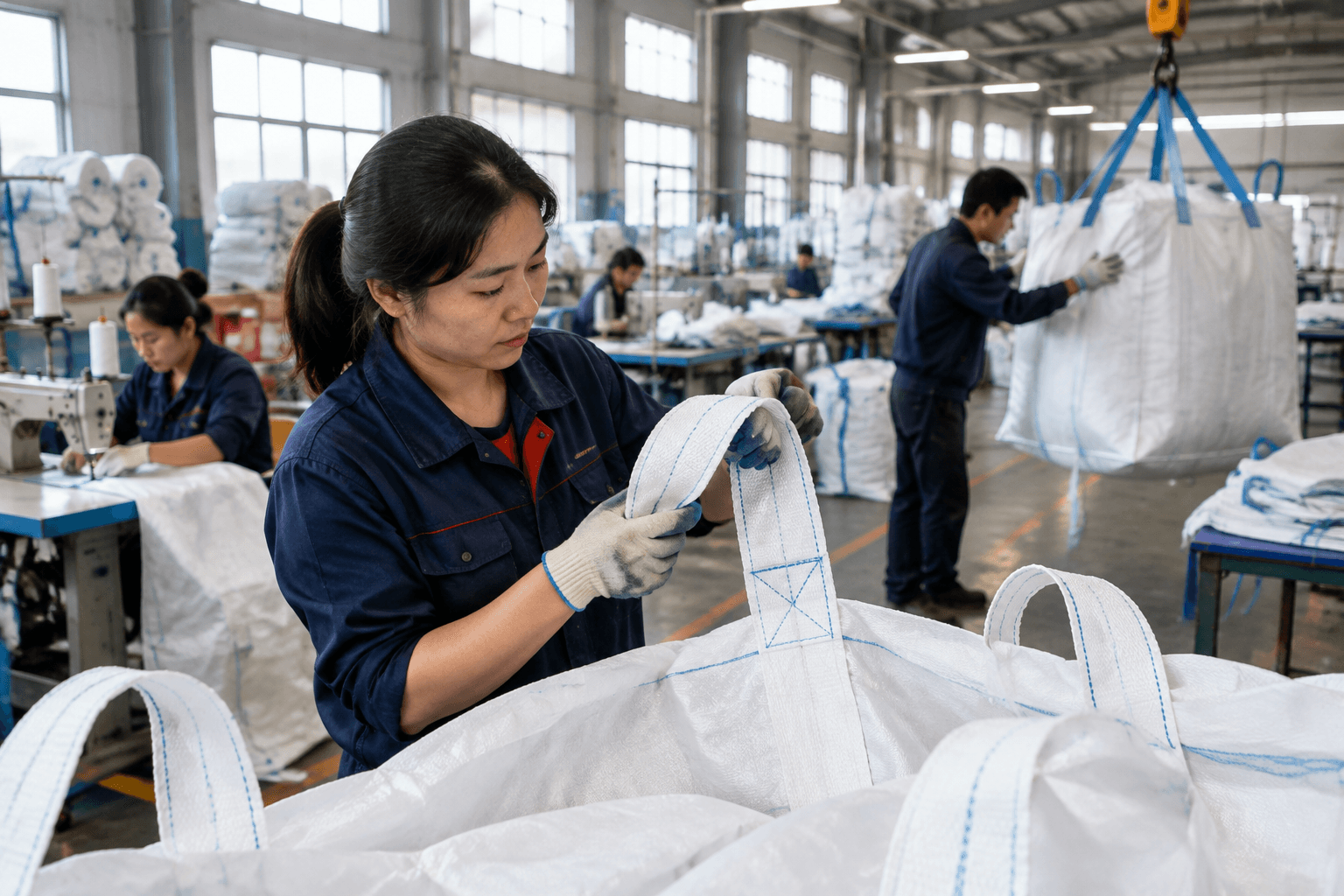
Choosing the Right Bulk Bag Manufacturer for Safer, More Efficient Operations
Learn how to specify bulk bags, evaluate manufacturers, and validate quality and supply reliability to reduce operational risk and support safer, more efficient handling.
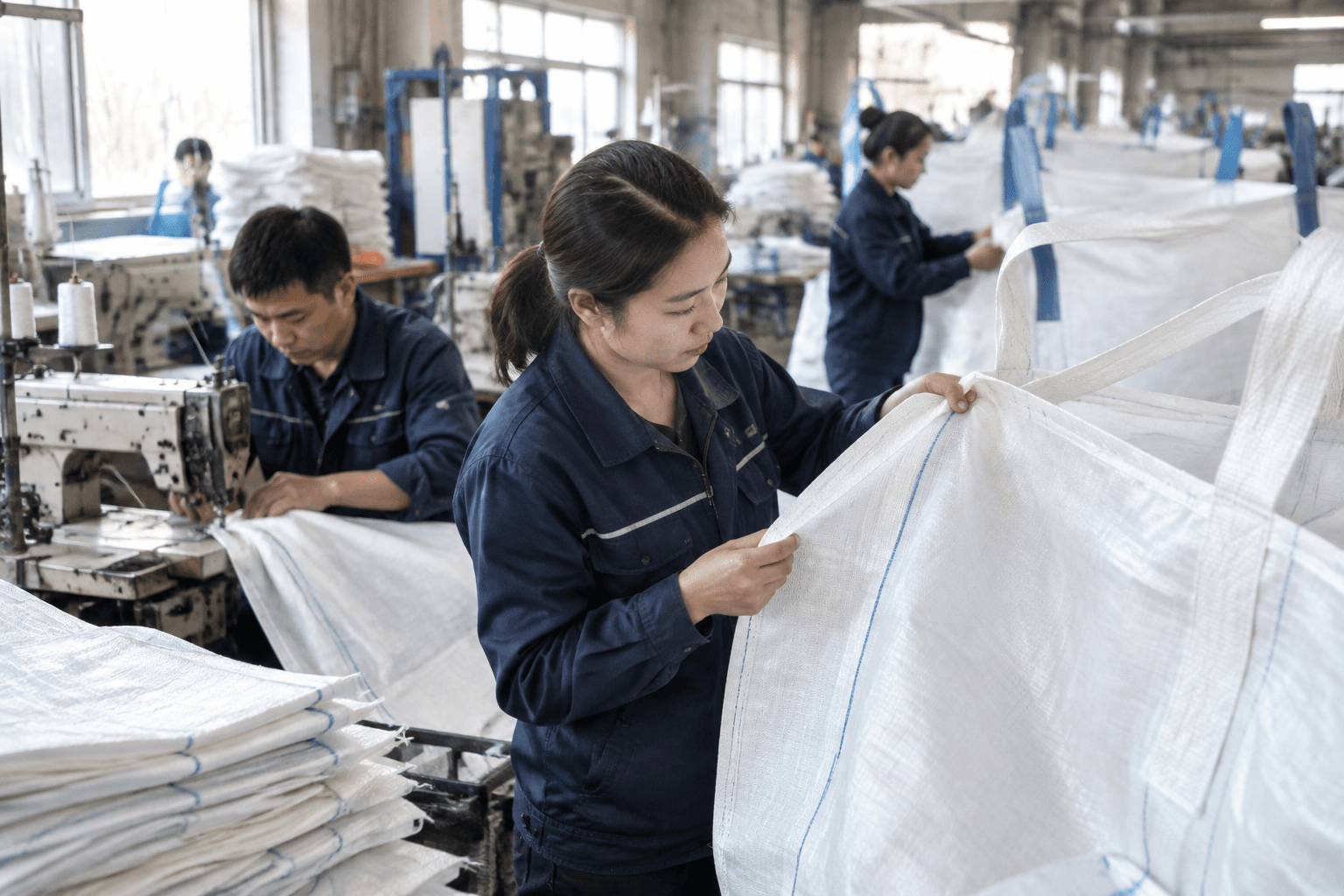
The 140th Canton Fair: New Trends in the Export Market for FIBC Bulk Bags, Jumbo Bags, and PP Woven Packaging
Explore how export buyers can evaluate FIBC bulk bags and PP woven packaging beyond unit price. Get practical guidance on specifications, supplier verification, sustainability requirements, and RFQs—and prepare your next sourcing conversation with COSEK.
Want to know more?
Get in touch with us for more information about our services and products.