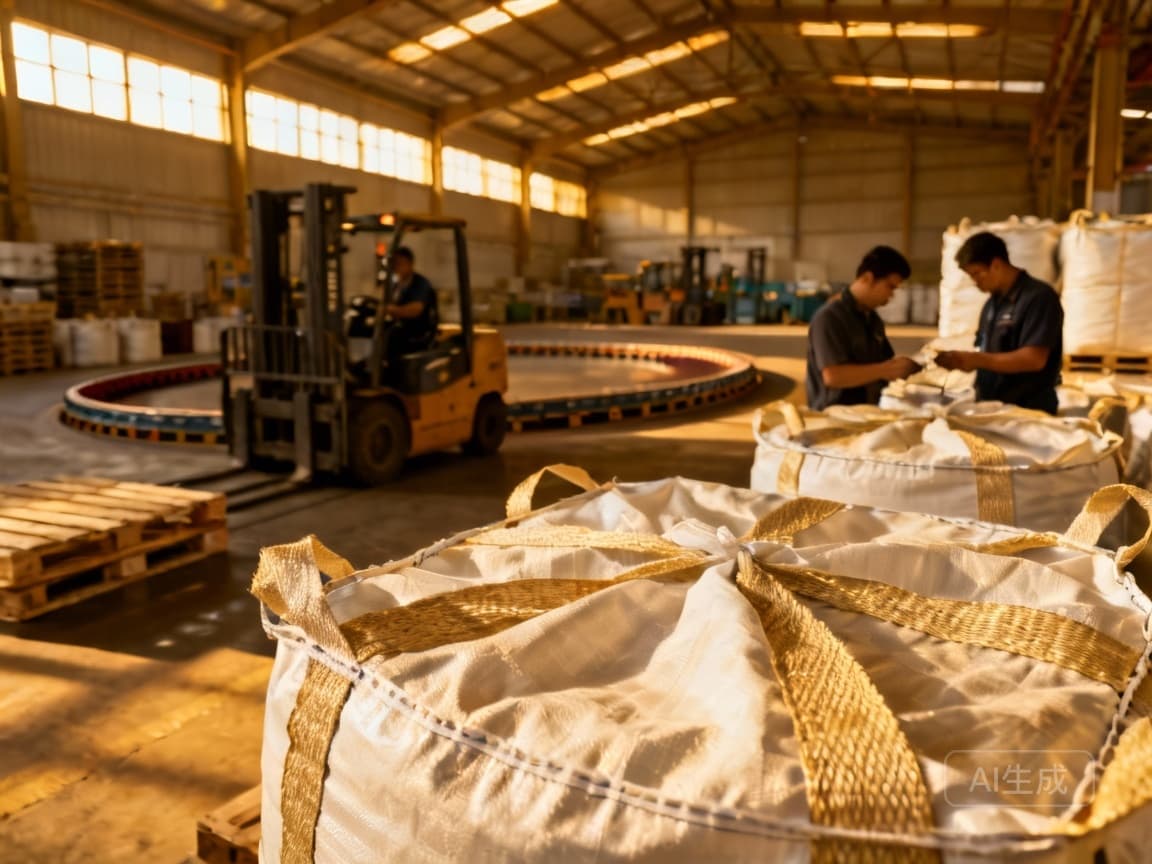
Transform FIBCs into Circular Assets: A 25-Use Blueprint for Supply Chains #4

RUNCHEN
AuthorWith more than 25 years of experience in FIBC bulk bag manufacturing and sales, RUNCHEN operates its own production facility with stable batch capacity. We specialize in FIBC bulk bags, jumbo bags, ton bags, and customized industrial packaging solutions.
From Linear Liability to Circular Asset: Redefining FIBC Value in the Supply Chain
For decades, the Flexible Intermediate Bulk Container (FIBC) has been viewed through a linear, transactional lens: a cost-effective vessel to move product from Point A to B, destined for disposal or uncertain recycling after a handful of uses. This model is no longer sustainable—economically or environmentally. Data reveals a stark reality: while global demand for robust packaging like FIBCs remains strong, growth is pressured by rising raw material costs, environmental regulations, and the urgent need for supply chain decarbonization. The future belongs to those who reimagine these workhorses not as consumables, but as durable, intelligent, circular assets. This shift transforms a packaging line item into a strategic lever for resilience, efficiency, and ESG leadership.
The Proven Blueprint: Lessons from Circular Pioneers
The concept is not theoretical. Leading companies are already demonstrating the operational and environmental logic of circular systems. A compelling case comes from momo, a major e-commerce player. Faced with the challenge of reducing packaging waste and logistics costs, they developed a reusable "circular bag" made from recycled plastic film recovered from their own logistics network. The result? Each bag is designed for up to 25 reuses, dramatically cutting virgin material consumption and waste.
This initiative shows that combining AI-driven packaging algorithms with human-process oversight (HI) creates an effective model for optimization, where environmental responsibility directly enhances operational efficiency.
For industrial B2B sectors, the principles are directly transferable: standardized design, a managed return system, and clear accountability for the asset's lifecycle. The goal is to migrate from a mindset of "purchase and dispose" to "manage and recirculate."
The Four-Pillar Framework for a Circular FIBC Program
Building a successful circular ecosystem requires moving beyond ad-hoc reuse. It demands a systematic approach built on four interconnected pillars.
Pillar 1: Design for Durability and Traceability
The journey begins at the drawing board. A circular FIBC must be engineered for dozens of cycles, not just a few. This involves specifying higher-tenacity fabrics, reinforcing stress points, and designing cleanable, repairable features like spouts. Crucially, each bag must have a unique, scannable identifier—a QR code or RFID tag—to become a data point. This allows for tracking an asset's location, use count, and inspection history, turning a simple bag into a smart node in your supply chain network.
Pillar 2: An Economically Viable Business Model
The upfront cost of a premium, trackable FIBC can be a barrier. Circular models overcome this through innovative commercial structures. Options include leasing programs, pallet-style exchange pools, or a "pay-per-use" fee. These models lower the initial capital outlay for the end-user while ensuring the manufacturer retains ownership and responsibility for the asset's end-of-life, creating alignment for maximum lifecycle value. The focus shifts from unit price to Total Cost of Ownership (TCO), where savings from reduced disposal fees and new bag purchases are quantified.
Pillar 3: Orchestrated Logistics and Partner Networks
A bag cannot circulate without a system to move it back. Successful implementation hinges on reverse logistics. This often means collaborating closely with logistics partners and customers to establish efficient return routes—perhaps backhauling empty FIBCs on return trips. Furthermore, partnering with certified cleaning and repair specialists is essential to maintain product integrity and safety for sensitive cargoes, such as those in the growing cosmetics or high-purity chemical sectors.
Pillar 4: Data-Driven Performance Management
The identifier on the bag unlocks its true strategic value: data. A centralized platform that tracks key performance indicators (KPIs) turns anecdote into insight. Critical metrics include:
- Average Uses Per Asset: Are bags meeting their 25+ use design target?
- Cycle Time & Location Data: Identifying bottlenecks in the return and cleaning process.
- Asset Utilization Rate: Preventing loss and optimizing inventory levels across the network.
Implementing Your Circular Transition: A Practical Roadmap
Transitioning to a circular model is a journey, best taken in phases.
- Conduct a Pilot: Start with a single plant, product line, or strategic customer. Use this to test bag design, tracking technology, and the return process.
- Build the ROI Case: Calculate based on pilot data. Factor in hard savings (reduced new bag procurement, lower waste disposal costs) and soft value (enhanced ESG reporting, brand equity, supply chain transparency).
- Scale the Ecosystem: Expand the program geographically and across product lines, integrating lessons learned. Formalize partnerships with logistics and service providers.
- Communicate the Value: Leverage the program in sustainability reports and customer communications. As seen with innovators like Zhejiang Fulai New Materials, who invest heavily in eco-friendly material R&D, leadership in sustainability is a powerful market differentiator.
Conclusion: The Strategic Imperative
The linear "take-make-dispose" model for FIBCs is a relic. The convergence of digital technology, material science innovation, and unwavering sustainability pressure creates an imperative for change. By adopting a circular asset model, companies do more than reduce waste—they build a more predictable, efficient, and resilient supply chain. They transform a cost center into a source of strategic advantage and a tangible demonstration of corporate stewardship. The question is no longer if to make this shift, but how quickly you can start designing your FIBCs for their second, tenth, or twenty-fifth use.
Related News
Other news you might be interested in
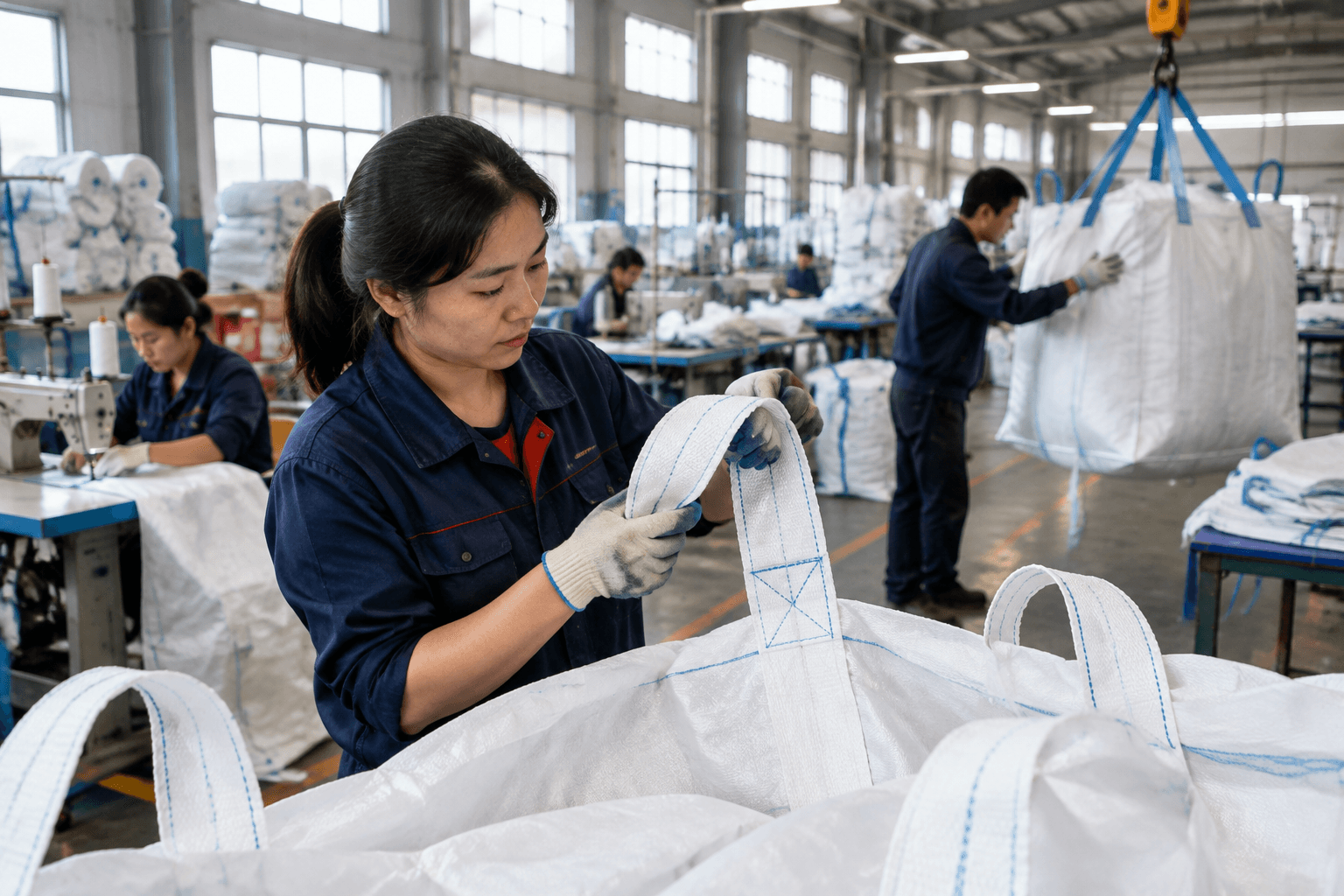
Choosing the Right Bulk Bag Manufacturer for Safer, More Efficient Operations
Learn how to specify bulk bags, evaluate manufacturers, and validate quality and supply reliability to reduce operational risk and support safer, more efficient handling.
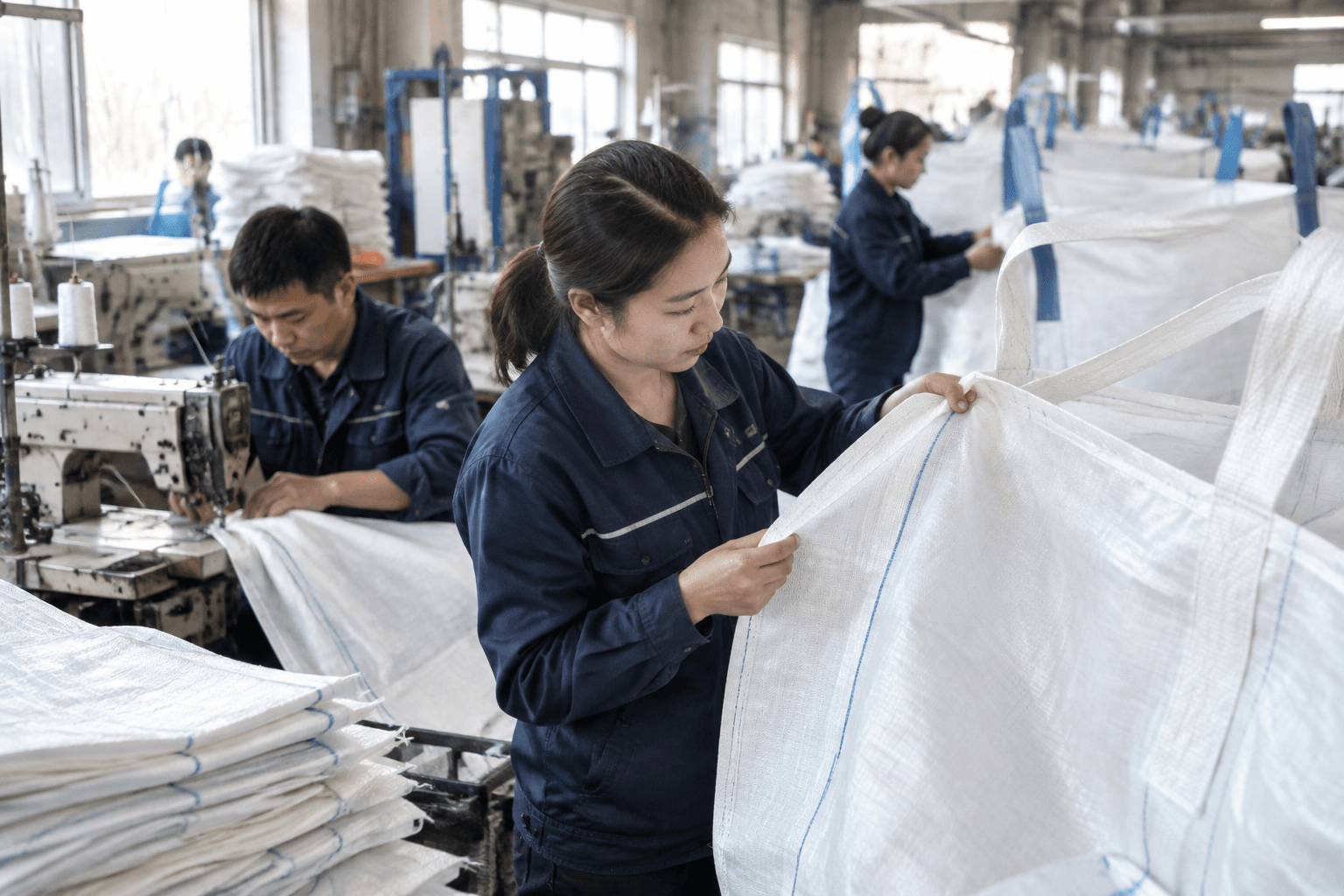
The 140th Canton Fair: New Trends in the Export Market for FIBC Bulk Bags, Jumbo Bags, and PP Woven Packaging
Explore how export buyers can evaluate FIBC bulk bags and PP woven packaging beyond unit price. Get practical guidance on specifications, supplier verification, sustainability requirements, and RFQs—and prepare your next sourcing conversation with COSEK.
Want to know more?
Get in touch with us for more information about our services and products.