Unlock 30% System Efficiency: Integrate FIBCs into Your Production Flow
RUNCHEN
AuthorWith more than 25 years of experience in FIBC bulk bag manufacturing and sales, RUNCHEN operates its own production facility with stable batch capacity. We specialize in FIBC bulk bags, jumbo bags, ton bags, and customized industrial packaging solutions.
Unlock 30% System Efficiency: Integrate FIBCs into Your Production Flow
For procurement and operations managers, the Flexible Intermediate Bulk Container (FIBC or bulk bag) is often viewed as a commodity—a cost item focused on price per unit and basic specifications. This transactional mindset creates a significant market blind spot. True value and substantial efficiency gains, often exceeding 30% in operational improvements, are not found in the bag itself but at its intersection with your production system. The strategic shift is from purchasing a container to engineering a seamless, intelligent material flow. This requires viewing the FIBC as a critical system node, not a standalone product.
From Discharge Pain Points to Systemic Design
The most significant inefficiencies—dust, contamination, product loss, and safety hazards—manifest at the "last meter": the discharge point. A superior FIBC is rendered ineffective by a poor unloading process. The key is to design your FIBC strategy backward from this critical interface.
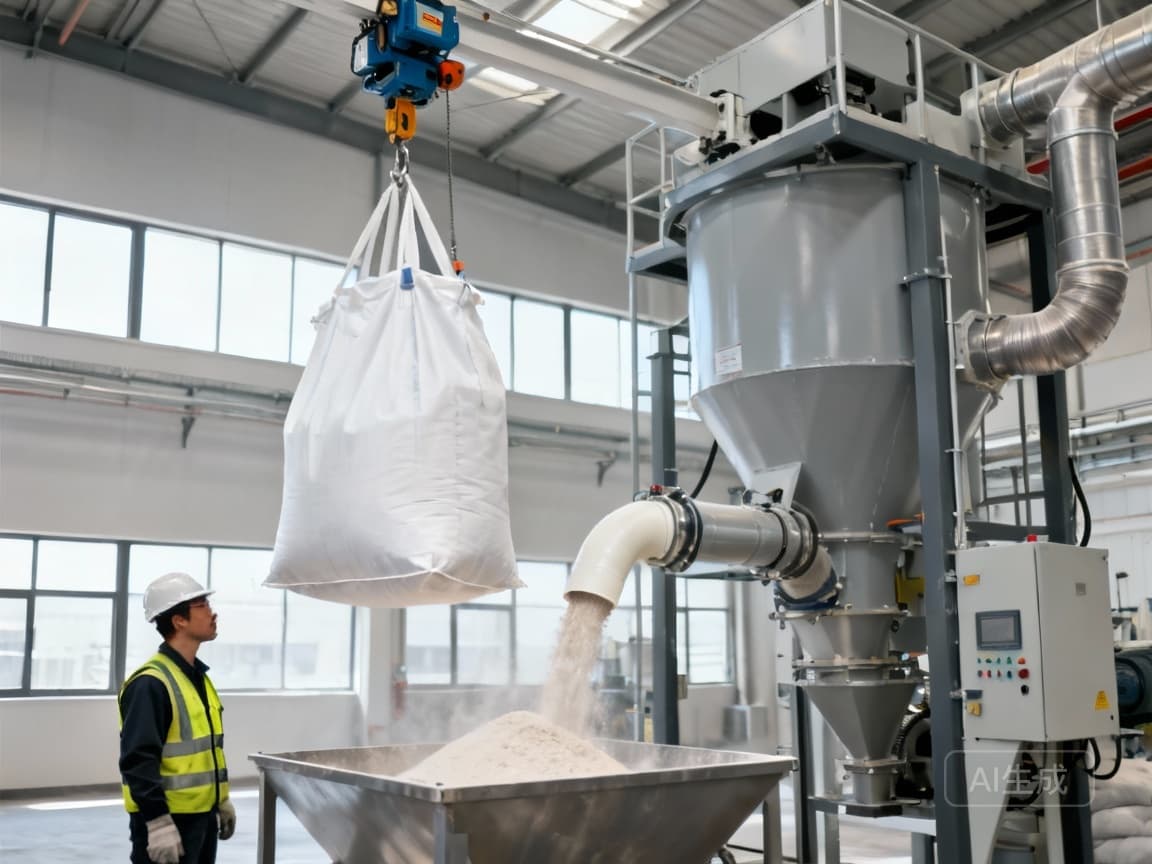
Consider the challenge faced by a specialty chemical manufacturer. Manually emptying powder from bulk bags created consistent dust, product degradation, and slow batch times. The solution, as demonstrated by providers like Endema, wasn't a better bag but an integrated "bulk bag unloading station." This system included a dust-tight spout clamp, integrated filtration, and automated conveying. The result was a closed-loop system that eliminated dust, ensured total discharge, and accelerated material introduction into the reactor.
"Your FIBC procurement decision should start with the challenges in your unloading area. The bag is just one component of the material introduction system." – Industry Systems Integrator Perspective
This approach yields measurable outcomes: near-total dust containment, up to 99.5%+ product recovery, and a drastic reduction in manual handling. The ROI is calculated not on bag cost, but on reduced waste, improved product quality, enhanced worker safety, and faster cycle times.
Actionable Integration Steps:
- Conduct a Discharge Audit: Film your current unloading process. Document dust generation, residual product left in bags, manual effort required, and potential safety near-misses.
- Define System Parameters: Work with a solutions provider to specify not just the FIBC, but the necessary bulk bag unloader, dust collection, and transfer equipment based on your material characteristics (flowability, abrasiveness, hygroscopic nature).
- Plan for Flexibility: Design the station to handle different bag sizes and connection types to future-proof your operation against product line changes.
Sustainability as an Operational Advantage
The drive for sustainable packaging is often framed as a marketing or compliance exercise. For FIBCs, the real value lies in operational cost reduction for your entire supply chain. The market is shifting decisively, with the global mono-material packaging market projected to grow from $3.94 billion in 2024 to $5.63 billion by 2029 (7.3% CAGR). This growth is fueled by Extended Producer Responsibility (EPR) laws and brand ESG targets that push requirements upstream.
A traditional multi-layer FIBC, while durable, creates a recycling nightmare. Different polymers must be separated—a costly, often non-viable process. A mono-material FIBC, constructed from a single type of polypropylene, simplifies this drastically. For your customers, it means lower waste handling fees, easier compliance reporting, and a cleaner path to circularity.
The calculation shifts from pure purchase price to Total Cost of Ownership (TCO):
- Purchase Cost: Comparable or slightly higher for advanced mono-material designs.
- Use Cost: Identical performance in transport and storage.
- End-of-Life Cost: Significantly lower. Avoided landfill fees and potential revenue from clean recycling streams.
- Brand Value: Enables your customers to meet their sustainability KPIs, strengthening your partnership.
Implementing Lifecycle Asset Management
Treating FIBCs as disposable consumables is a costly, linear model. Shifting to a circular asset management mindset unlocks further value. Each FIBC is a reusable asset, and its lifespan is determined by handling. As highlighted by safety protocols from manufacturers like Shandong Lusu Packaging, most damage occurs from incorrect handling: improper slinging, forklift impacts, and dragging.
Extending an FIBC's life from 5 to 15 uses directly reduces cost per trip and environmental impact. This requires a formal lifecycle management program:
- Inspect: Implement a pre- and post-use checklist for tears, contamination, and lifting hardware integrity.
- Clean & Repair: Establish certified cleaning and repair protocols for lightly damaged bags.
- Track: Utilize UHF RFID "bag tags bulk" solutions to log each bag's history, location, and trip count, transforming inventory from a liability into a visible, managed asset.
This digital tracking integrates with warehouse management systems, prevents loss, optimizes rotation, and provides data for predictive replacement, moving from reactive failure to proactive management.
The Path to Strategic Partnership
The journey from commodity purchase to system efficiency begins with a change in perspective. Stop asking "how much per bag?" and start asking:
- How does material flow from the truck bay into our process without loss or contamination?
- How does our packaging choice affect our customers' waste costs and sustainability metrics?
- Are we managing our containers as assets with a known location, condition, and lifecycle?
By focusing on integration, sustainable operability, and active asset management, FIBCs transform from a cost center into a lever for system-wide efficiency, risk reduction, and competitive advantage. Partner with suppliers who offer this systemic expertise, and begin unlocking the 30% that lies hidden in your material flow.
Related News
Other news you might be interested in
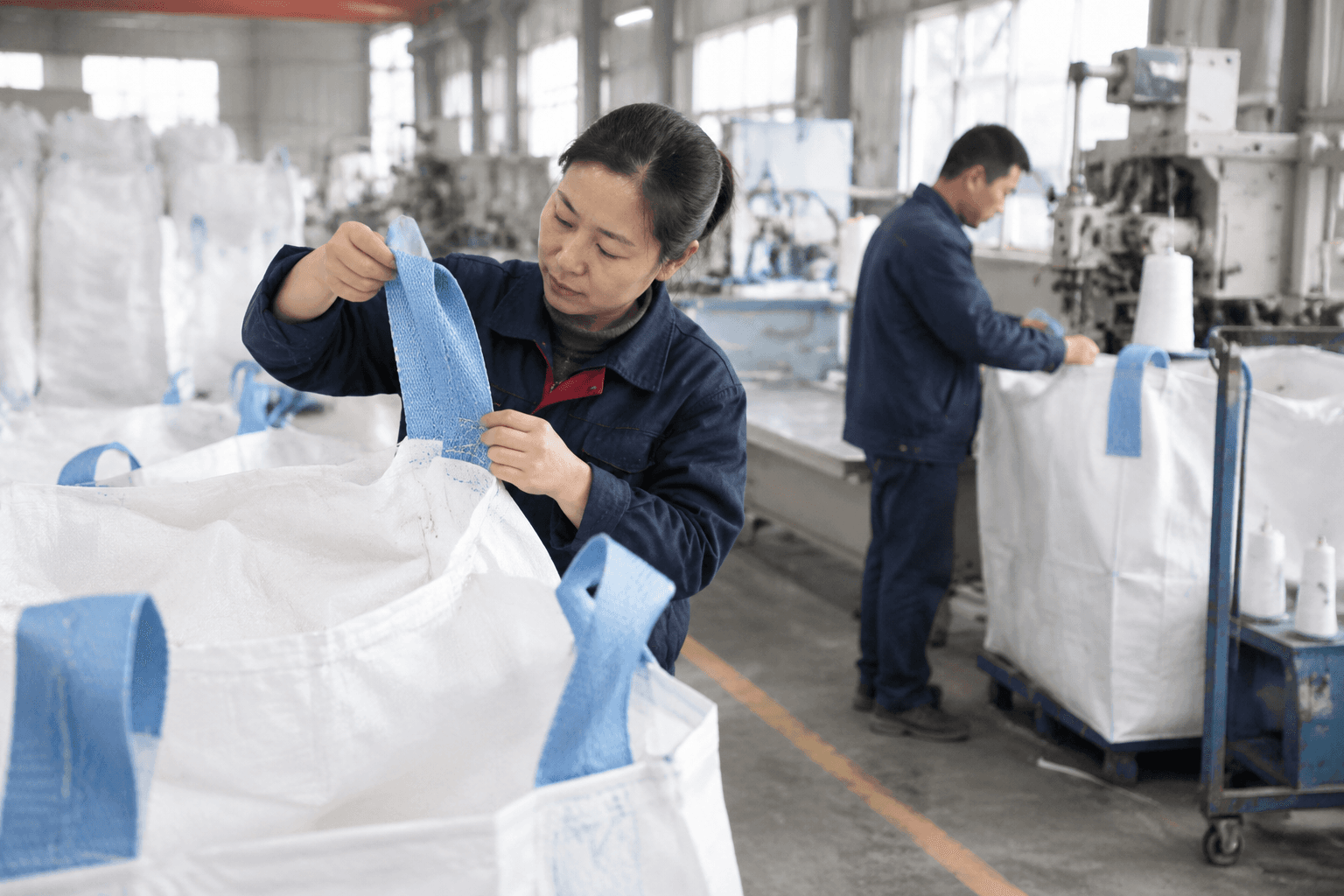
Choosing the Right FIBC Bulk Bag: A Procurement Guide for Safer, More Reliable Packaging
Use this practical FIBC procurement guide to define your application, compare specifications and suppliers, verify compliance, and request a bag configuration that fits your operation.
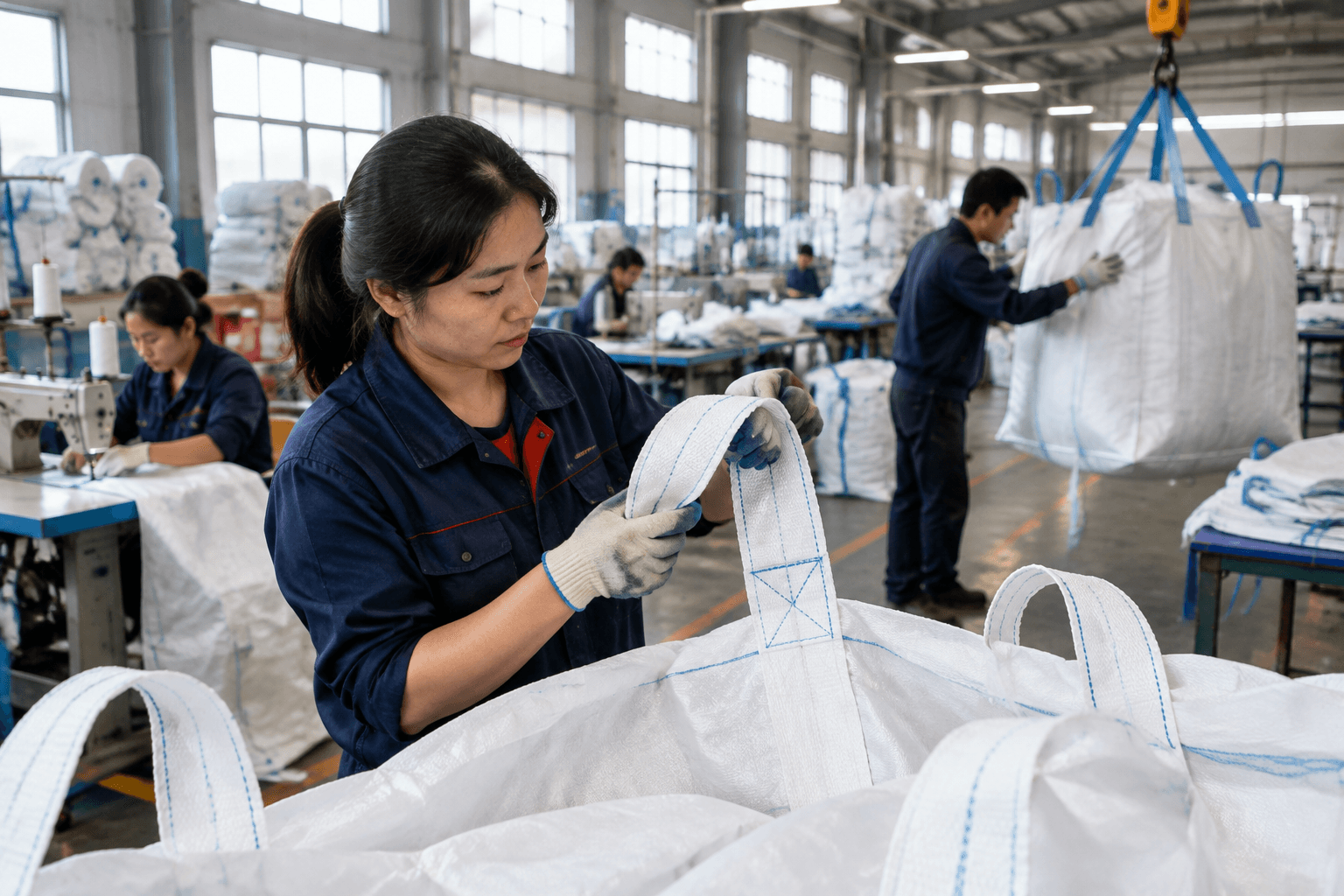
Choosing the Right Bulk Bag Manufacturer for Safer, More Efficient Operations
Learn how to specify bulk bags, evaluate manufacturers, and validate quality and supply reliability to reduce operational risk and support safer, more efficient handling.
Want to know more?
Get in touch with us for more information about our services and products.