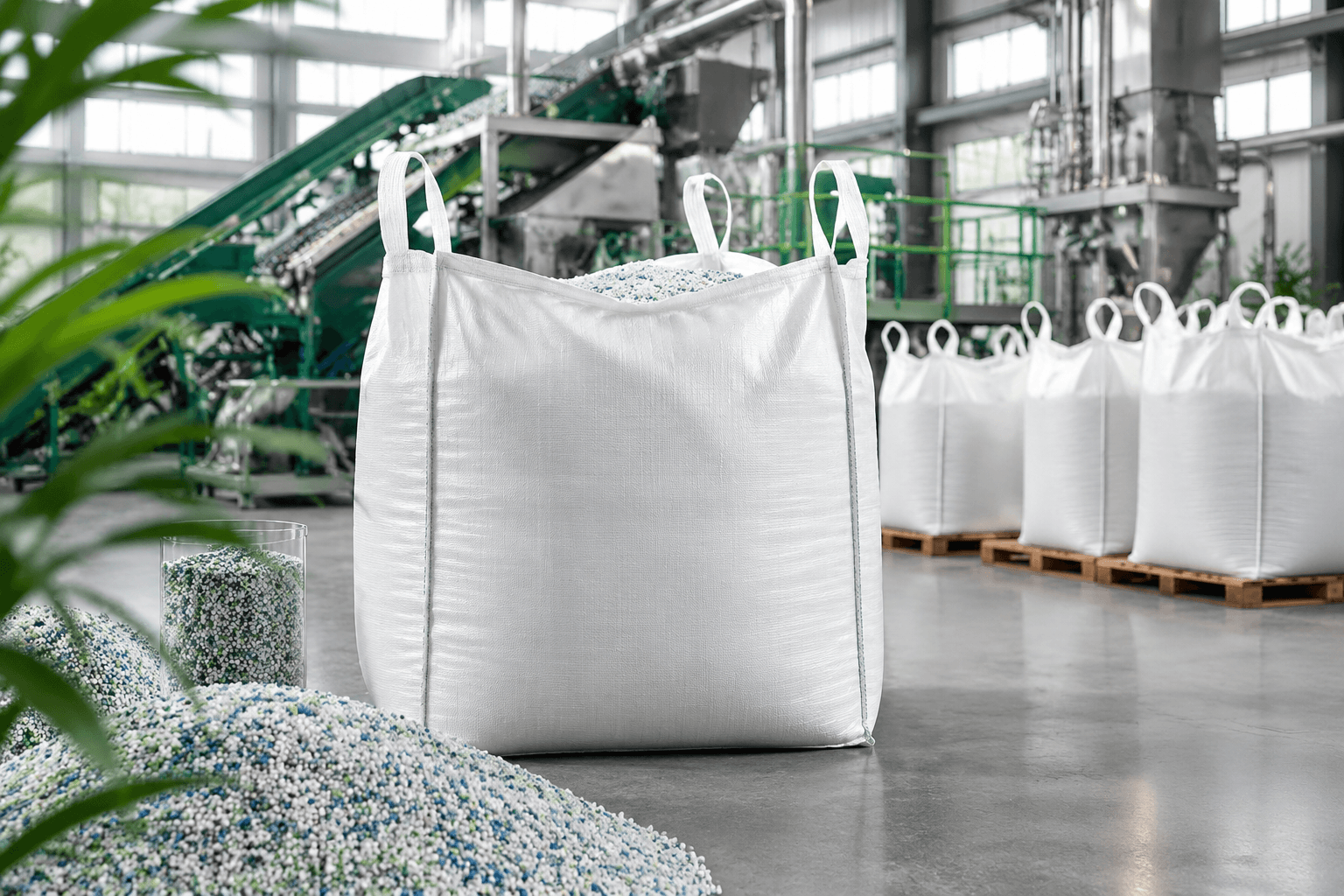
2026 FIBC Bulk Packaging Market: Trends, Growth Drivers, Sustainability and the Future of Flexible Intermediate Bulk Containers
RUNCHEN
AuthorWith more than 25 years of experience in FIBC bulk bag manufacturing and sales, RUNCHEN operates its own production facility with stable batch capacity. We specialize in FIBC bulk bags, jumbo bags, ton bags, and customized industrial packaging solutions.
FIBC bags continue to play an important role in global supply chain management, helping businesses store, handle, and transport bulk materials efficiently across industries. Bulk packaging solutions are very important for industries dealing with large quantities of materials. They are efficient, durable, and easy to store and transport.
FIBC bags are used by companies to improve handling efficiency and safely transport products in industries including agriculture, food processing, chemicals, construction, and mining. As industries expand and supply chains grow more complex, the need for reliable bulk packaging is strong.
At the same time, buyer expectations are changing. Companies are now putting more emphasis on quality, sustainability, safety, and supply chain resilience. These factors are shaping the future of the FIBC market and driving manufacturers to come up with packaging solutions that meet the evolving demands of the industry.
Understanding the Global Demand for FIBC Bags
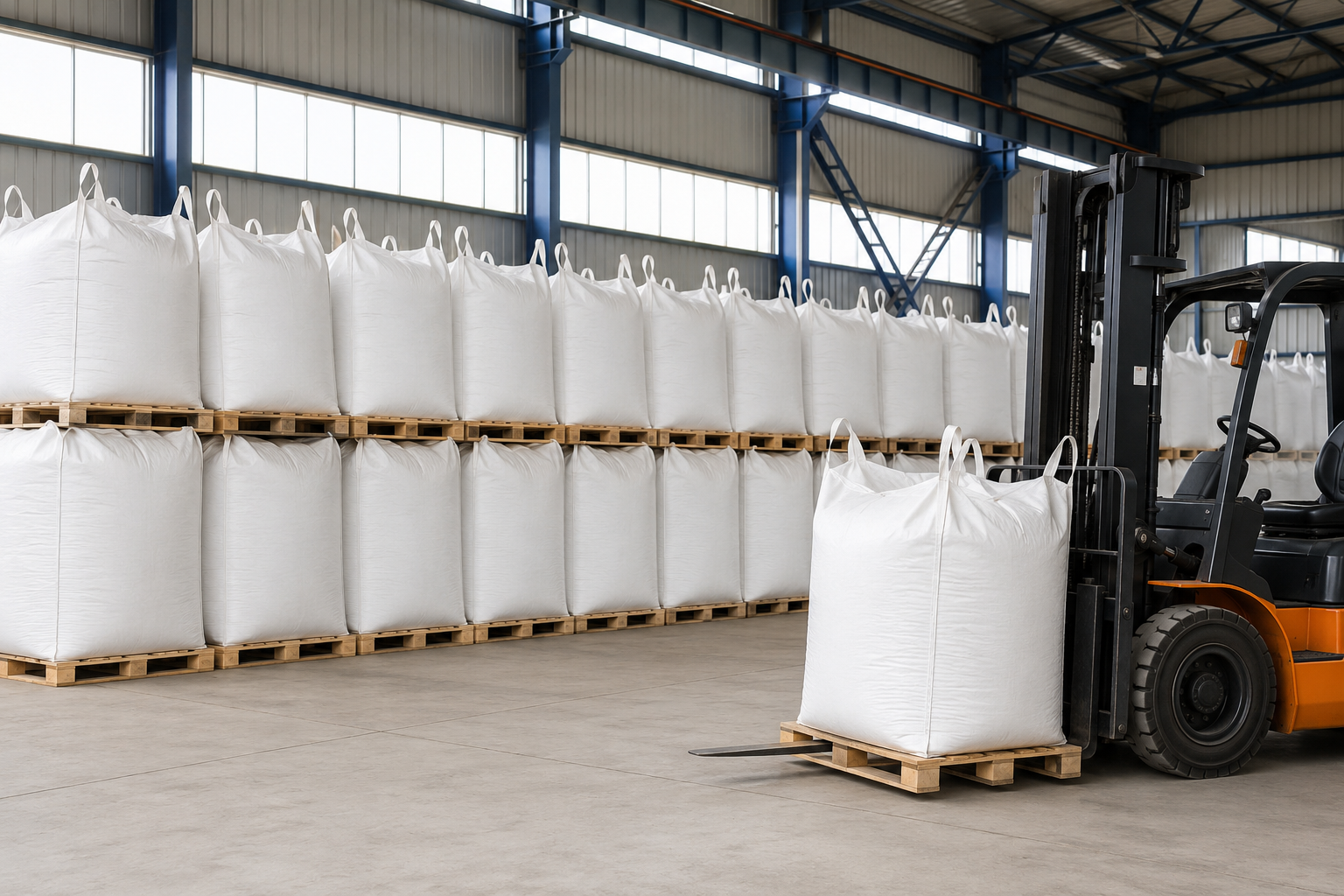
FIBC bags are a practical solution to bulk material handling in many industries, and the demand for these bags is rising.
Businesses are constantly trying to find ways to become more efficient and cut down on handling and transportation costs. FIBC bags help achieve these goals by allowing for a large quantity of material to be stored and shipped in fewer packages.
International trade has increased and helped to create increased demand. As products travel through increasingly long and complex supply chains, companies need packaging solutions that can enable storage, transportation, and handling at numerous locations.
Another reason for the continued popularity of FIBC bags is their versatility. They can be adjusted to suit different products, industries, and operating environments and are therefore suitable for a wide range of applications.
As supply chains continue to expand globally, the role of efficient bulk packaging solutions remains highly relevant.
Key Industries Driving FIBC Market Growth
There are still a number of industries that require bulk handling, and this continues to drive demand for FIBC bags.
Agriculture is still one of the biggest users of FIBC bags. Most bulk commodities, such as grains, seeds, animal feed, and fertilizers, are stored and transported in bulk quantities.
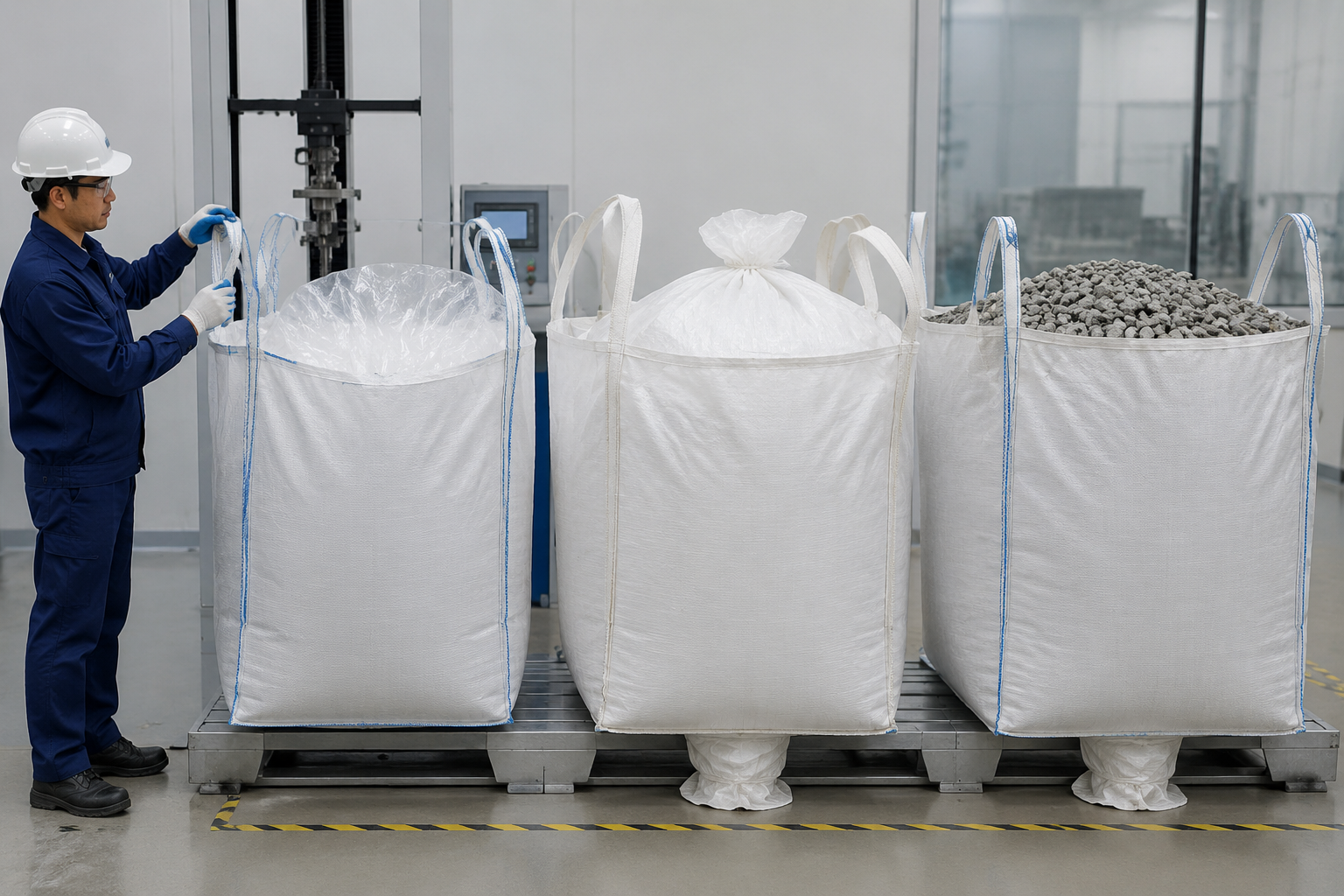
The chemical industry also uses FIBC bags to transport large quantities of powders, granules, and other industrial materials. Often, special bag designs are required to address safety and product protection requirements.
Food processing companies use FIBC bags for ingredients like sugar, flour, starch, and other bulk food products. In many such applications, product cleanliness and contamination control are often important considerations.
Bulk packaging solutions are also needed for mining and industrial manufacturing operations, which require the ability to handle large loads and support efficient transportation and storage.
The diversity of these industries helps maintain steady demand across the global FIBC market.
Major Trends Shaping the FIBC Industry in 2026
Several trends are shaping the way buyers evaluate packaging solutions and how manufacturers respond to market needs.
An increasing focus on packaging efficiency is a big trend. Companies want solutions that improve material handling and reduce operational complexity.
Customization is also growing in importance. Different industries often have different requirements for bag constructions, filling systems, discharge options, and safety features. Buyers are increasingly seeking packaging solutions that are tailored to their particular applications.
Another priority is safeguarding the product. Companies are placing greater emphasis on preventing contamination, reducing product loss, and maintaining quality throughout the supply chain.
Packaging decisions continue to be affected by logistics efficiency. Packaging that facilitates storage, stacking, transportation, and handling can help smooth operations and optimize available resources.
Another trend is the growing interest in sustainable packaging practices. While performance remains the primary requirement, many businesses are also evaluating packaging solutions through a sustainability lens.
These trends are expected to continue shaping purchasing decisions throughout 2026 and beyond.
Sustainability and the Future of Bulk Packaging
Sustainability has become an increasingly important topic within industrial packaging.
Many companies are trying to cut down on waste and be more efficient with their resources without hurting their performance. This has led to an increased interest in packaging solutions that can be reused and recycled.
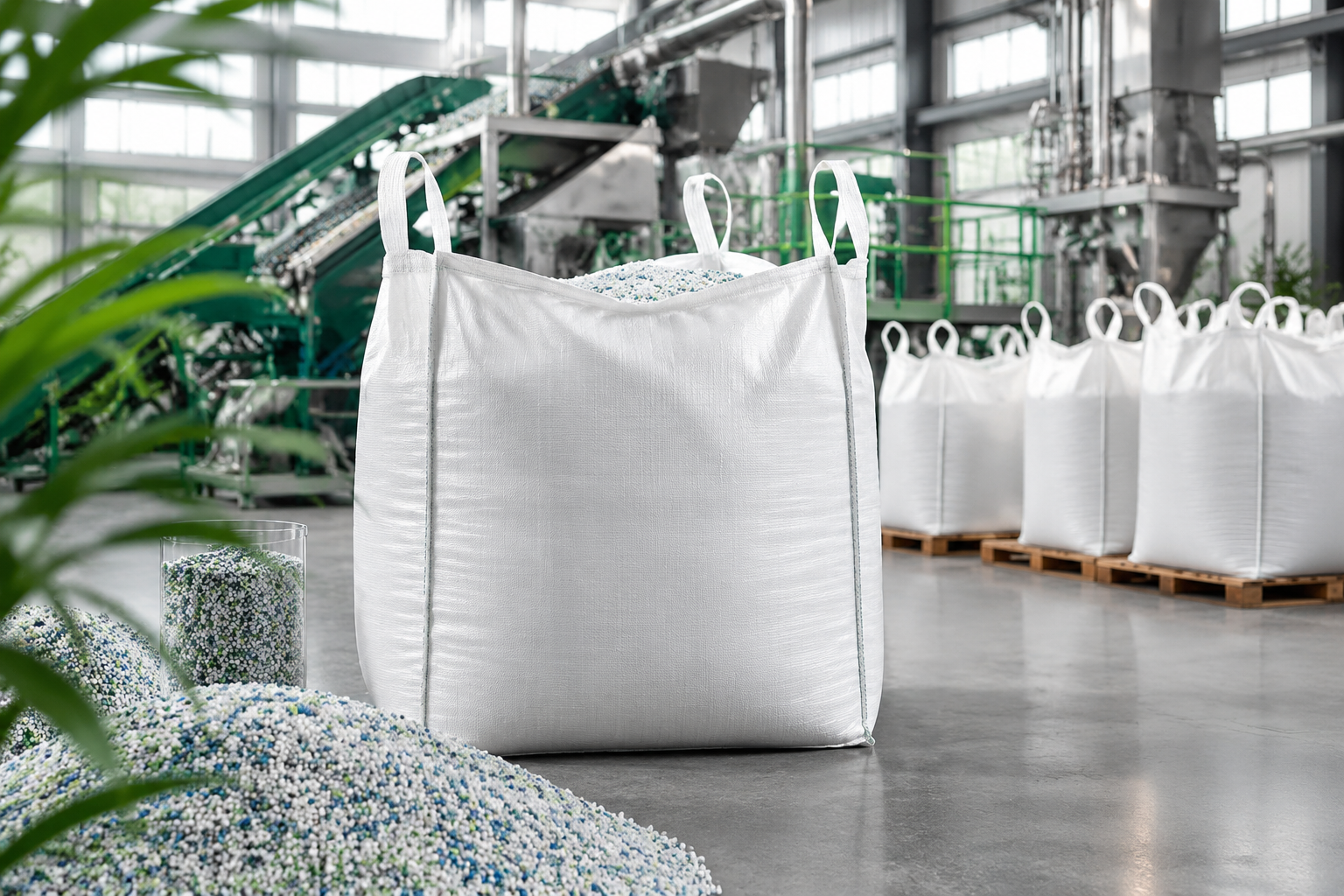
FIBC bags are generally made of polypropylene, which can be recycled in many cases through proper recycling systems. Reuse may also be possible, depending on the application and condition of the bag, if suitable circumstances are present.
“Companies are also looking at ways to optimize packaging designs to use less material but still provide strength and reliability.
The supply chain is increasingly taking initiatives to reduce waste, improve handling practices, and implement responsible material management.
Environmental considerations are likely to continue to play an important role in future packaging decisions, although sustainability requirements will vary across industries and regions.
How Quality, Safety, and Compliance Continue to Influence Buyers
Price remains an important consideration when sourcing packaging, but it is no longer the only factor influencing purchasing decisions.
Companies are increasingly looking to suppliers for quality, consistency, and compliance.
The performance of the packaging directly depends on the quality of the product. Good construction minimizes the chance of product loss, handling problems, and operational interruptions.
Safety needs are also becoming increasingly important, especially in industries that work with sensitive or regulated materials.
Many clients expect packaging solutions to be subject to adequate testing and quality control processes before going to market. This could be a certain certification and compliance requirements, depending on the application.
This may be necessary for some applications involving hazardous materials such as UN-certified FIBC bags.
Traceability and documentation have also emerged as key concerns in procurement. Buyers want to be sure that products are made consistently and are properly supported by records when needed.
These expectations are driving manufacturers to maintain stronger quality systems and more transparent production processes.
Supply Chain Expectations in a Changing Global Market
The reliability of suppliers has become a much more important factor for businesses in recent years as supply chains have undergone significant changes.
Buyers are looking more and more for manufacturing partners that can offer reliable production capacity and dependable delivery performance.
Lead times have become an important consideration. The packaging supply delays can disrupt multiple steps of the customer’s operation, and therefore, reliability is an important selection criterion.
Another important aspect is customization support. Businesses want suppliers who can adapt to changing product requirements and operational needs.
Companies are looking for stability and continuity in their supply chains, and the value of long-term supplier relationships is growing.
Manufacturers that can combine quality, responsiveness, and consistent production are often better placed to deal with these changing expectations.
What’s Next for the FIBC Industry?
The future of the FIBC industry is likely to be shaped by a combination of efficiency, quality, and adaptability.
The Bulk Packaging Solutions market is likely to remain in demand, as the industries are increasingly in need of moving their goods and materials on a global scale.
At the same time, buyers are also expected to have very high expectations on product quality, customization, and supply chain reliability.
Sustainability will remain a factor in procurement decisions, but companies seeking to optimize the flow of logistics and material handling processes will continue to prioritize operational efficiency.
Manufacturers such as RUNCHEN are consistently innovating their FIBC bag offerings to meet the changing customer needs and changing industry standards in various sectors.
Those businesses that react well to these developments will be best positioned to thrive in the years ahead.
Conclusion
The global FIBC market is continually evolving as industries look for packaging solutions that support efficiency, safety, sustainability, and reliable supply chain performance. There is demand from agriculture, chemicals, food processing, and construction and mining, all of which have their own packaging needs.
As buyer expectations continue to evolve, product quality, compliance, customization, and long-term supplier reliability will become increasingly important. Companies focusing on these segments will be better placed to address future packaging challenges and to capitalize on upcoming opportunities in the global FIBC market.
Related News
Other news you might be interested in
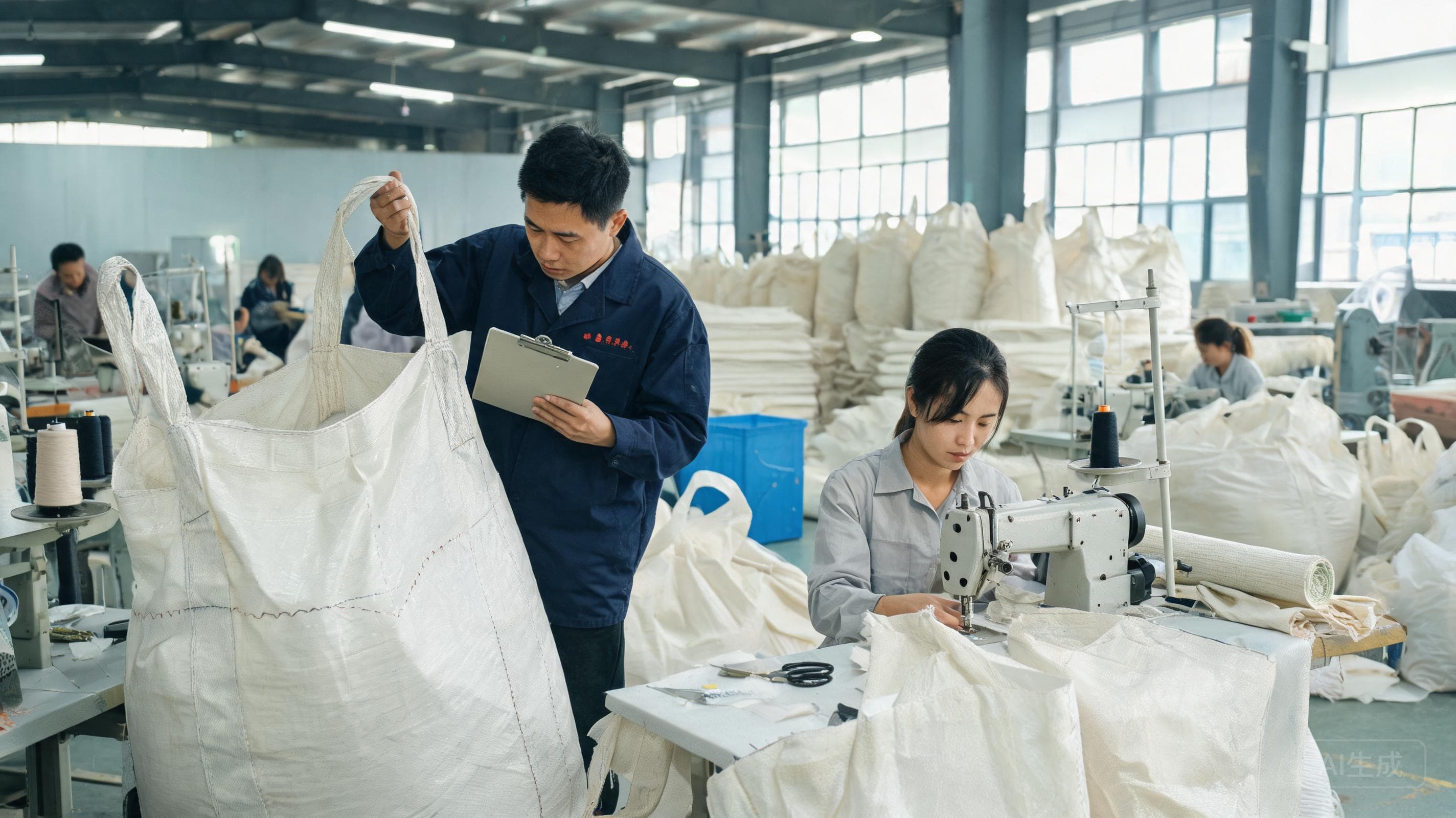
How to Qualify a Bulk Bag Manufacturer for Reliable, Compliant Packaging Supply
Use this practical framework to assess bulk bag specifications, quality controls, compliance, delivery reliability, and total cost before choosing a manufacturing partner.
How to Choose a Bulk Bag Manufacturer That Protects Product Quality and Reduces Supply Risk
Evaluate bulk bag manufacturers on application fit, quality controls, compliance, and supply readiness. Use a clear specification and trial plan to reduce product loss and procurement risk.
Want to know more?
Get in touch with us for more information about our services and products.