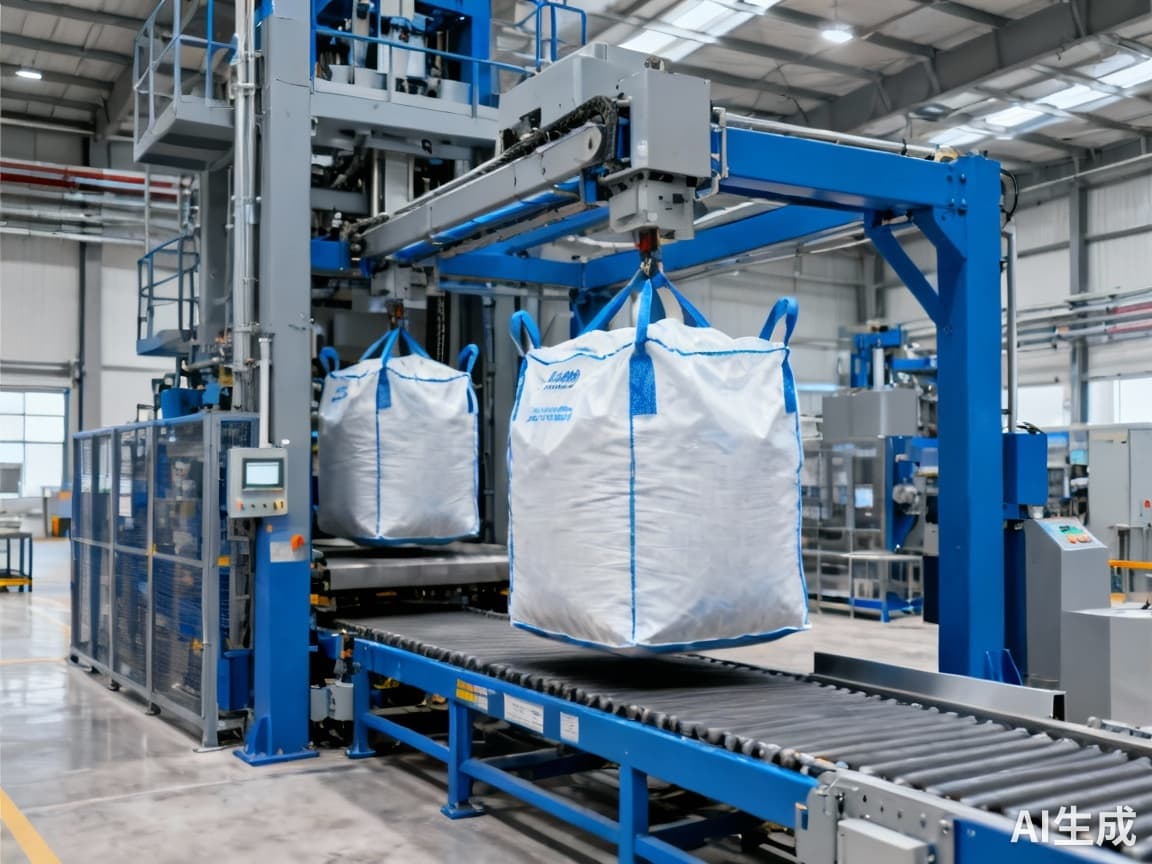
Bulk Bags Cut Waste & Reshape China's $1T Packaging Market by 2025 #39
RUNCHEN
AuthorWith more than 25 years of experience in FIBC bulk bag manufacturing and sales, RUNCHEN operates its own production facility with stable batch capacity. We specialize in FIBC bulk bags, jumbo bags, ton bags, and customized industrial packaging solutions.
Beyond Cost Savings: How Bulk Bags Are Quietly Reshaping China's $1 Trillion Packaging Ecosystem
China's packaging industry stands at a critical inflection point. With the packaging paper market projected to exceed 1 trillion yuan by 2025 and growing at 5-6% annually, manufacturers face increasing pressure to balance economic growth with environmental responsibility. The traditional focus on cost reduction alone is no longer sufficient—progressive companies are now leveraging bulk bags as strategic tools for sustainable transformation within this massive market.
The Silent Revolution in Packaging Efficiency
Bulk bags, often overlooked in sustainability discussions, are emerging as powerful enablers of circular economy principles. Unlike single-use packaging solutions that contribute to waste streams, these durable containers offer multiple lifecycle applications while significantly reducing material consumption. The shift toward bulk packaging represents not just an operational improvement but a fundamental rethinking of packaging's role in supply chain sustainability.
Case Study: Tingyi (Master Kong) Holding Corp.'s Packaging Transformation
Tingyi's implementation of bulk bags demonstrates the tangible benefits of this approach. The company transitioned from conventional packaging to specialized ton bags combined with tanker transportation, achieving remarkable results:
- Substantial reduction in single-use packaging waste through reusable container systems
- Optimized packaging management through standardized bulk handling processes
- Reduced plastic consumption by eliminating disposable packaging materials
The company's experience proves that bulk bags effectively minimize packaging waste while maintaining operational efficiency—a critical consideration in large-scale manufacturing environments.
China Foods Limited's Sustainable Packaging Initiative
China Foods Limited adopted PE bulk bags for transporting bottle preform slices, complementing this move with rPETG labels and other sustainable materials. Their implementation highlights:
- Superior performance in heavy raw material transportation compared to traditional options
- Enhanced environmental performance through renewable material integration
- Improved circularity through packaging systems designed for multiple lifecycles
Market Transformation: The $1 Trillion Opportunity
The Chinese packaging market's evolution toward sustainability creates unprecedented opportunities for bulk bag adoption. Several key trends are driving this shift:
Green Packaging Acceleration
The demand for biodegradable and recyclable packaging materials is growing exponentially, with green packaging expected to capture 80% market share in coming years. Bulk bags align perfectly with this trend, offering:
- Superior recyclability compared to many conventional packaging options
- Reduced environmental footprint through material efficiency
- Compatibility with circular economy business models
Diversification and Premiumization
As the packaging industry moves toward premiumization and diversification, bulk bags provide the flexibility needed for specialized applications across food, chemical, and electronic sectors. Their adaptability makes them ideal for customized solutions that maintain sustainability standards.
Implementation Framework: Four-Phase Adoption Strategy
Based on successful industry implementations, we recommend a structured approach to bulk bag integration:
Phase 1: Comprehensive Assessment
Conduct a thorough audit of current packaging waste streams and evaluate bulk bag suitability for specific product lines. Key considerations include:
- Material compatibility and protection requirements
- Handling infrastructure and equipment capabilities
- Supply chain partners' readiness for bulk transportation
Phase 2: Controlled Pilot Program
Select appropriate product lines for initial implementation, focusing on areas with:
- High packaging waste generation
- Compatible physical characteristics (flowability, density, stability)
- Supportive operational teams and management
Phase 3: Performance Optimization
Analyze pilot results to refine bag specifications, handling procedures, and transportation methods. Critical factors include:
- Optimal bag capacity and design features
- Loading/unloading efficiency improvements
- Cost structure analysis and ROI calculation
Phase 4: Enterprise-Wide Expansion
Develop scaled implementation plans incorporating:
- Supplier collaboration programs for consistent quality
- Training programs for operational teams
- Closed-loop systems for collection, cleaning, and reuse
Quantifiable Benefits and Value Proposition
Organizations implementing bulk bag systems can expect measurable advantages across multiple dimensions:
Waste Reduction Impact
Bulk bags typically reduce packaging waste by 60-80% compared to single-use alternatives, with some applications achieving near-elimination of disposable packaging materials.
Economic Advantages
While initial investment may be higher, total cost of ownership often shows 20-40% savings through reduced material costs, lower disposal fees, and improved handling efficiency.
Sustainability Metrics
Carbon footprint reduction of 30-50% is achievable through decreased material consumption and transportation efficiency improvements.
Strategic Recommendations for 2025 Market Leadership
As the packaging market approaches its trillion-yuan milestone, forward-thinking organizations should:
- Conduct packaging portfolio analysis to identify priority conversion opportunities
- Engage bulk bag specialists early in packaging design processes
- Develop circular economy partnerships with suppliers and logistics providers
- Implement tracking systems to measure sustainability performance metrics
- Anticipate regulatory changes favoring reusable and recyclable packaging
Conclusion: The Future Is Bulk
The evidence from industry leaders like Tingyi and China Foods demonstrates that bulk bags represent more than just packaging—they're strategic tools for sustainable transformation. As China's packaging market grows toward its projected trillion-yuan valuation, companies that embrace bulk packaging solutions will not only reduce costs and waste but also position themselves as leaders in the new era of sustainable manufacturing.
The time for incremental change has passed. The packaging revolution is here, and it's happening one bulk bag at a time.
Related News
Other news you might be interested in
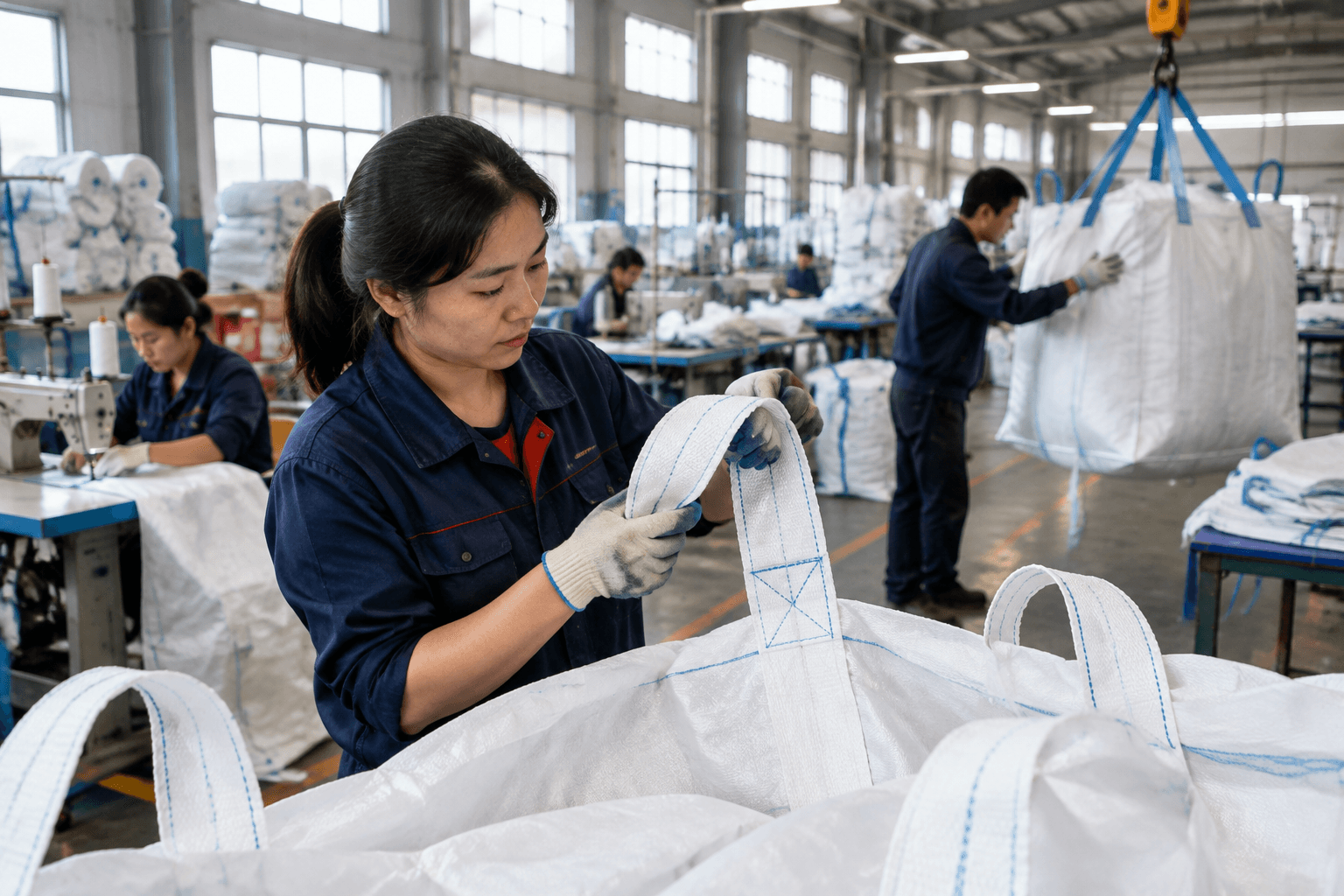
Choosing the Right Bulk Bag Manufacturer for Safer, More Efficient Operations
Learn how to specify bulk bags, evaluate manufacturers, and validate quality and supply reliability to reduce operational risk and support safer, more efficient handling.
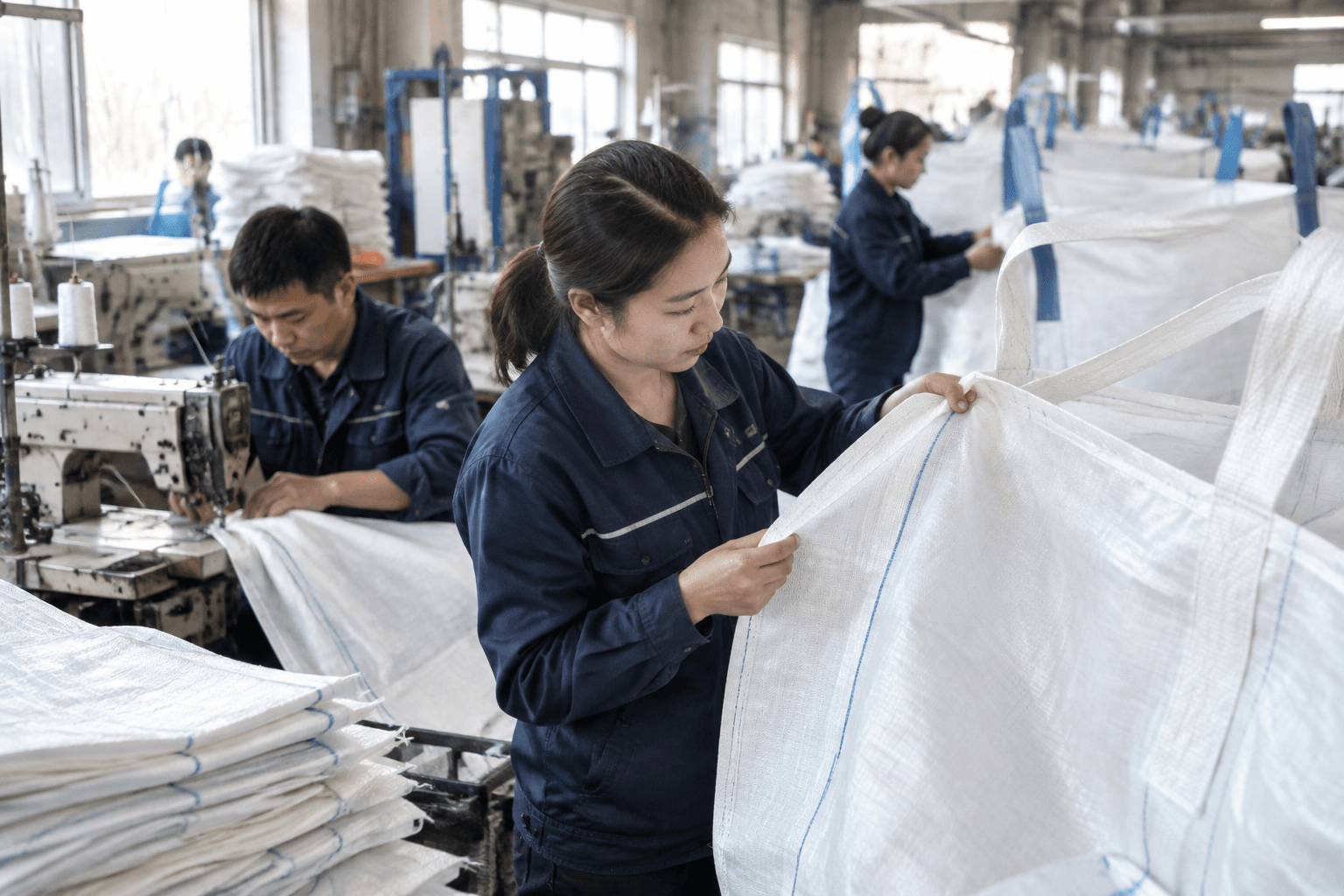
The 140th Canton Fair: New Trends in the Export Market for FIBC Bulk Bags, Jumbo Bags, and PP Woven Packaging
Explore how export buyers can evaluate FIBC bulk bags and PP woven packaging beyond unit price. Get practical guidance on specifications, supplier verification, sustainability requirements, and RFQs—and prepare your next sourcing conversation with COSEK.
Want to know more?
Get in touch with us for more information about our services and products.