China's $1T Packaging Market: How FIBCs Cut Plastic Use & Drive Circular Supply Chains #40
RUNCHEN
AuthorWith more than 25 years of experience in FIBC bulk bag manufacturing and sales, RUNCHEN operates its own production facility with stable batch capacity. We specialize in FIBC bulk bags, jumbo bags, ton bags, and customized industrial packaging solutions.
China's $1 Trillion Packaging Market: How FIBCs Reduce Plastic Usage & Promote Circular Supply Chains
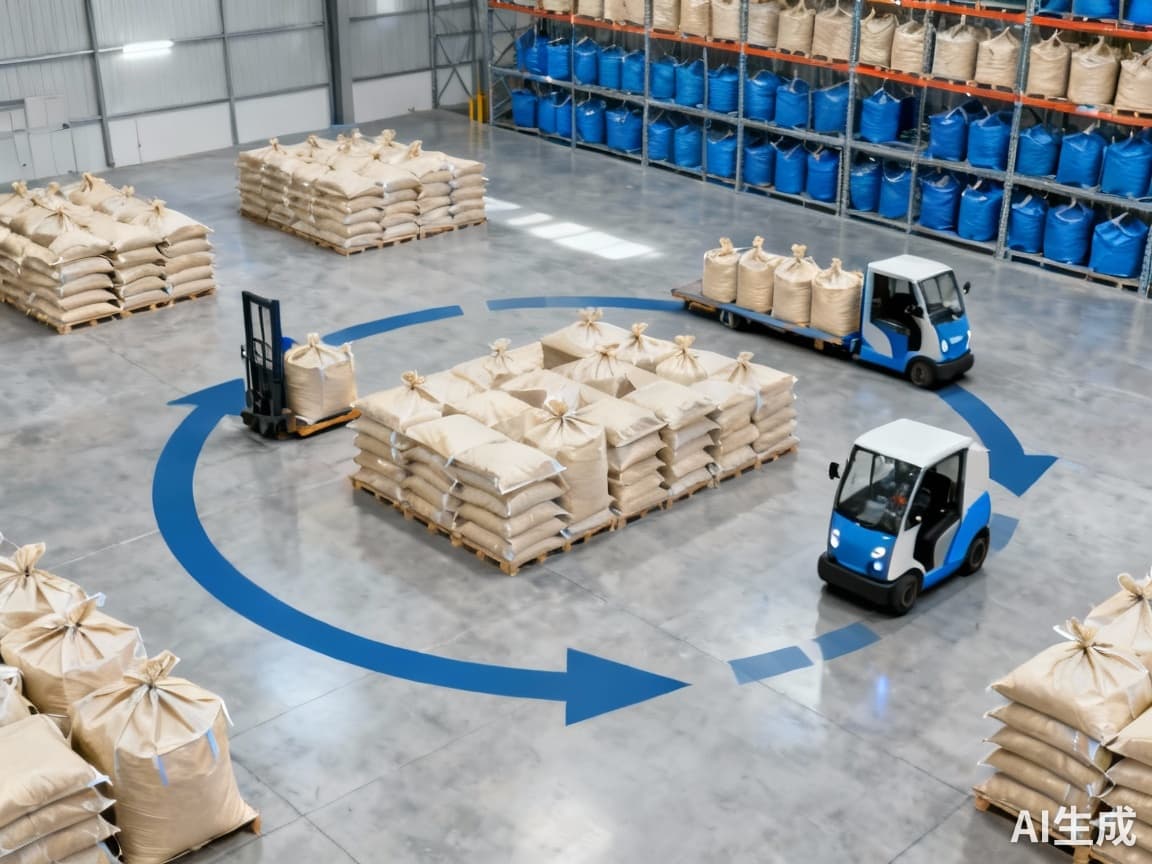
China's packaging industry is at a pivotal moment, with the market expected to surpass ¥1 trillion by 2025 while maintaining a steady 5-6% annual growth rate. This vast market is undergoing a fundamental transformation as sustainability pressures, regulatory requirements, and supply chain optimization needs converge. Flexible Intermediate Bulk Containers (FIBCs), commonly referred to as ton bags, are emerging as key enablers of circular supply chains—going beyond traditional cost savings to deliver systemic environmental and operational advantages.
The Sustainability Imperative in Packaging
The shift toward circularity in China's packaging market is driven by multiple factors: stringent environmental policies, including plastic reduction mandates, growing corporate ESG commitments, and increasing demands for resilient supply chains. While traditional packaging approaches focused on single-use solutions, progressive manufacturers now recognize that sustainable packaging is not just an environmental concern—it's a strategic business necessity.
Market insights suggest that eco-friendly packaging will capture 80% market share in the coming years, with demand for biodegradable and recyclable packaging materials rising significantly. This transition isn't merely about material replacement; it's about redefining packaging as an integral component within circular supply chain systems.
Case Studies: FIBCs in Practice
Real-world applications demonstrate how FIBCs are delivering measurable sustainability outcomes:
Tingyi (Master Kong) Holding Corporation: Systemic Plastic Reduction
Tingyi faced the dual challenge of cutting plastic usage while improving packaging waste management across its extensive manufacturing operations. Their solution involved a comprehensive overhaul of their raw material transportation system:
- Replaced conventional packaging with FIBCs for bulk material transport
- Adopted tanker truck transportation compatible with FIBC systems
- Established paper packaging recovery processes
- Developed integrated packaging management protocols
The results showed that FIBC packaging enables significant plastic reduction in large-scale raw material transportation. The key takeaway was that effective packaging waste management requires systematic solutions rather than isolated measures.
China Foods Limited: Customized Packaging Optimization
China Foods Limited encountered challenges in managing diverse packaging materials across its product lines. Their innovative approach included:
- Implementing PE FIBCs for bottle preform slice transportation
- Using metal turnover ton containers for cap transport
- Developing material-specific packaging solutions
- Creating standardized yet adaptable packaging protocols
This case highlights that FIBCs are particularly well-suited for industrial-grade raw material packaging, with different materials requiring tailored solutions. The implementation experience proved that customized solutions outperform generic designs in both efficiency and sustainability metrics.
Implementation Framework: Transitioning to FIBC Systems
Based on these successful cases, we've developed a structured approach for evaluating and adopting FIBC systems:
Assessment Phase
- Material Characterization: Analyze physical properties (granular, liquid, fragile), chemical compatibility, and handling requirements
- Logistics Integration: Evaluate compatibility with existing transportation, loading/unloading equipment, and filling systems
- Sustainability Metrics: Establish baseline measurements for plastic usage, recovery rates, and carbon footprint
Implementation Roadmap
- Pilot Program Design: Begin with a single production line or supplier relationship to test and refine the approach
- Partner Selection: Choose FIBC suppliers based on technical expertise, industry experience, and sustainability credentials
- Performance Measurement: Track key indicators including plastic reduction percentage, recovery rates, and operational efficiency metrics
Successful FIBC implementation requires viewing packaging not as a cost center but as a strategic supply chain asset that enables circularity and operational excellence.
Future Evolution: Next-Generation FIBC Solutions
The FIBC landscape continues to evolve with emerging trends that will shape the future of sustainable packaging:
- Advanced Materials: Development of biodegradable and compostable FIBC materials that maintain performance characteristics
- Smart Packaging: Integration of RFID tracking, IoT sensors, and blockchain technology for enhanced traceability and lifecycle management
- Closed-Loop Systems: Implementation of comprehensive recovery and regeneration systems for FIBC materials
- Expanded Applications: Growth into e-commerce logistics, premium food packaging, and international supply chains
These advancements position FIBCs not just as packaging solutions but as intelligent nodes within circular supply networks that generate data, enable transparency, and drive continuous improvement.
Strategic Recommendations for Manufacturers
For companies considering FIBC adoption, we recommend the following strategic approach:
- Conduct a comprehensive packaging audit to identify high-impact opportunities for FIBC implementation
- Engage cross-functional teams including procurement, operations, sustainability, and logistics in the evaluation process
- Establish clear sustainability metrics that align with corporate ESG goals and reporting requirements
- Develop phased implementation plans that allow for learning and adjustment based on pilot results
- Build partnerships with experienced FIBC providers who can offer technical expertise and innovation capabilities
The transformation of China's packaging market presents both challenges and opportunities. FIBCs offer a proven pathway toward more sustainable, efficient, and circular supply chains that deliver environmental benefits while maintaining operational excellence. As the market continues its rapid growth and evolution, manufacturers who embrace these solutions will position themselves for long-term success in an increasingly sustainability-focused business environment.
Related News
Other news you might be interested in
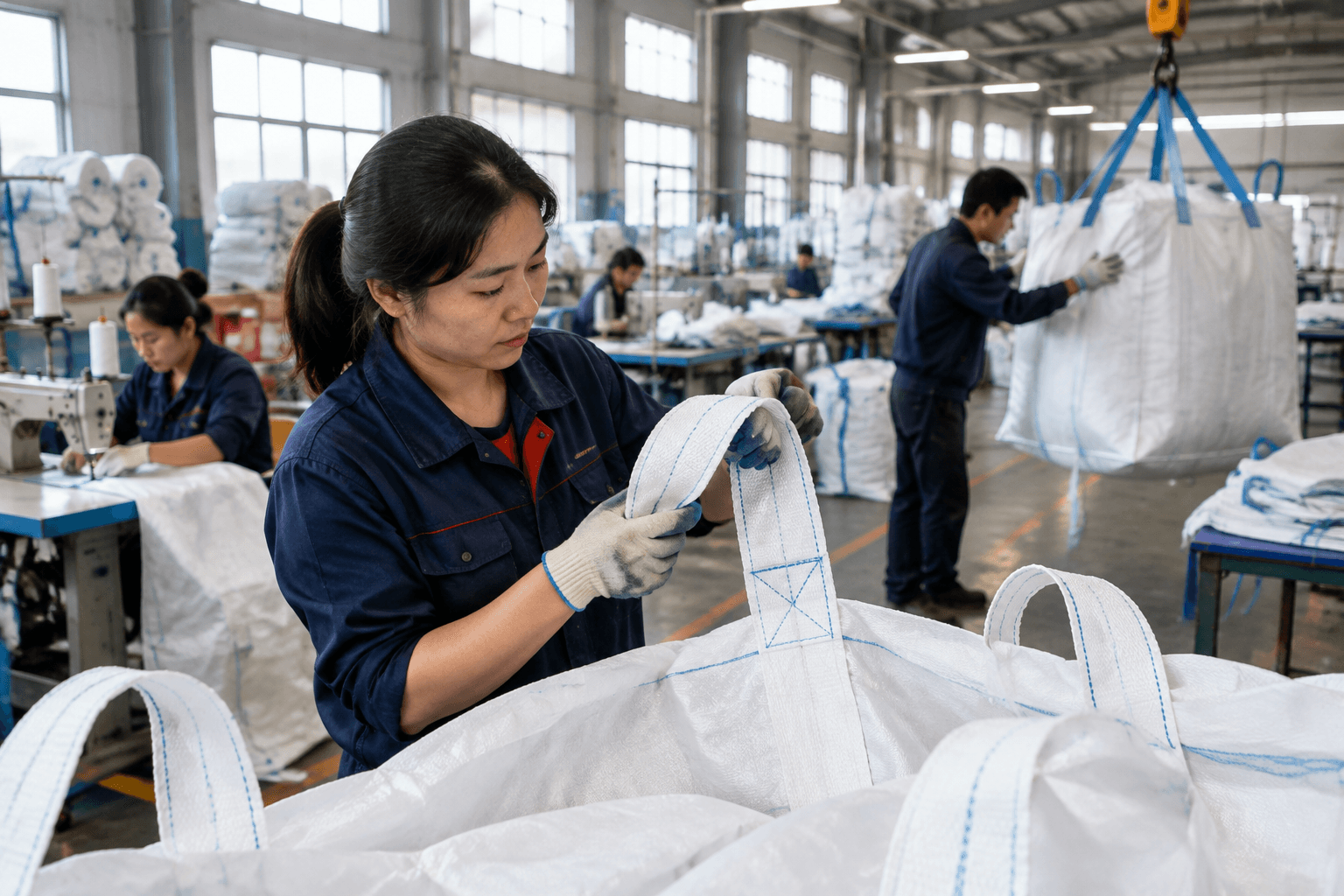
Choosing the Right Bulk Bag Manufacturer for Safer, More Efficient Operations
Learn how to specify bulk bags, evaluate manufacturers, and validate quality and supply reliability to reduce operational risk and support safer, more efficient handling.
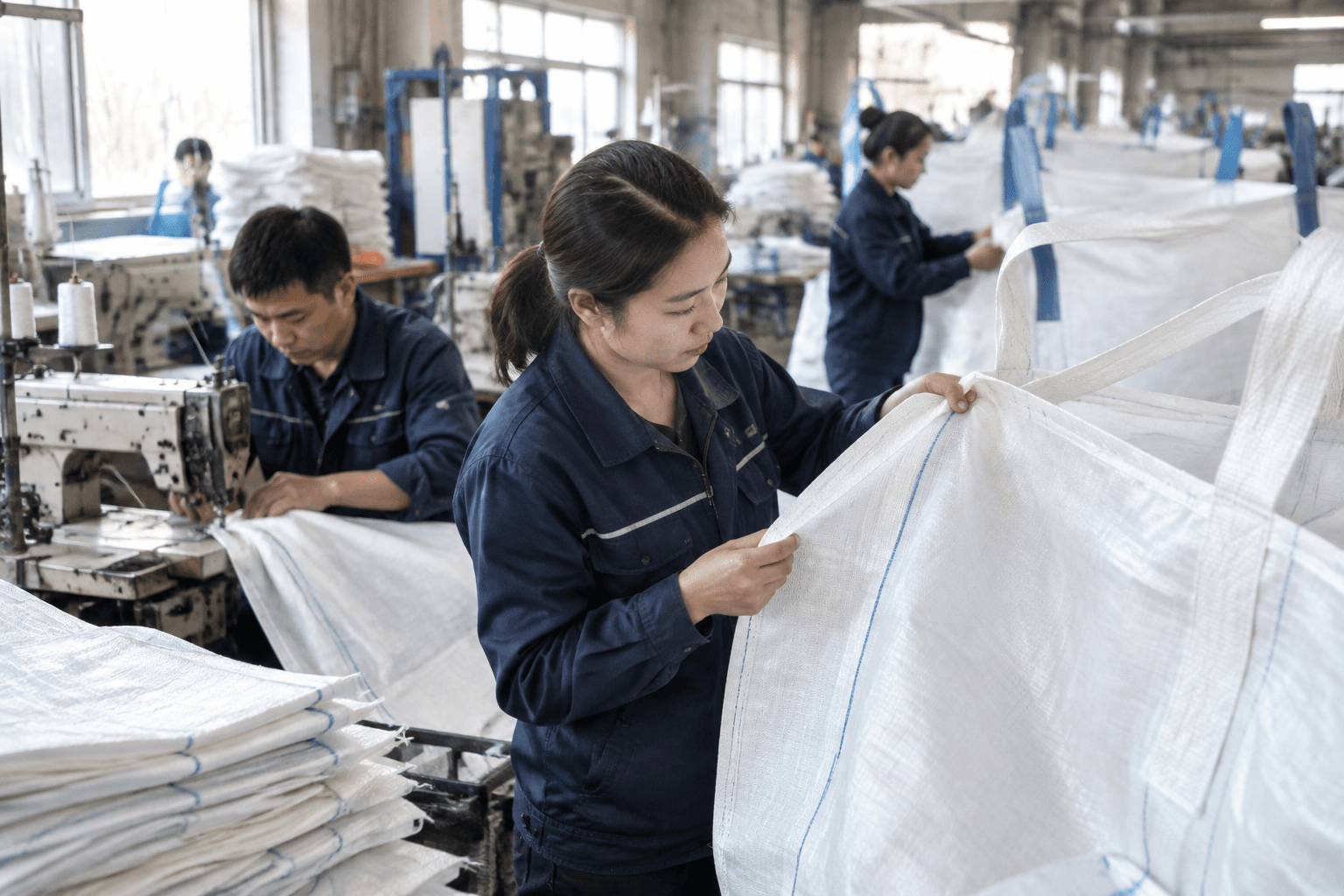
The 140th Canton Fair: New Trends in the Export Market for FIBC Bulk Bags, Jumbo Bags, and PP Woven Packaging
Explore how export buyers can evaluate FIBC bulk bags and PP woven packaging beyond unit price. Get practical guidance on specifications, supplier verification, sustainability requirements, and RFQs—and prepare your next sourcing conversation with COSEK.
Want to know more?
Get in touch with us for more information about our services and products.