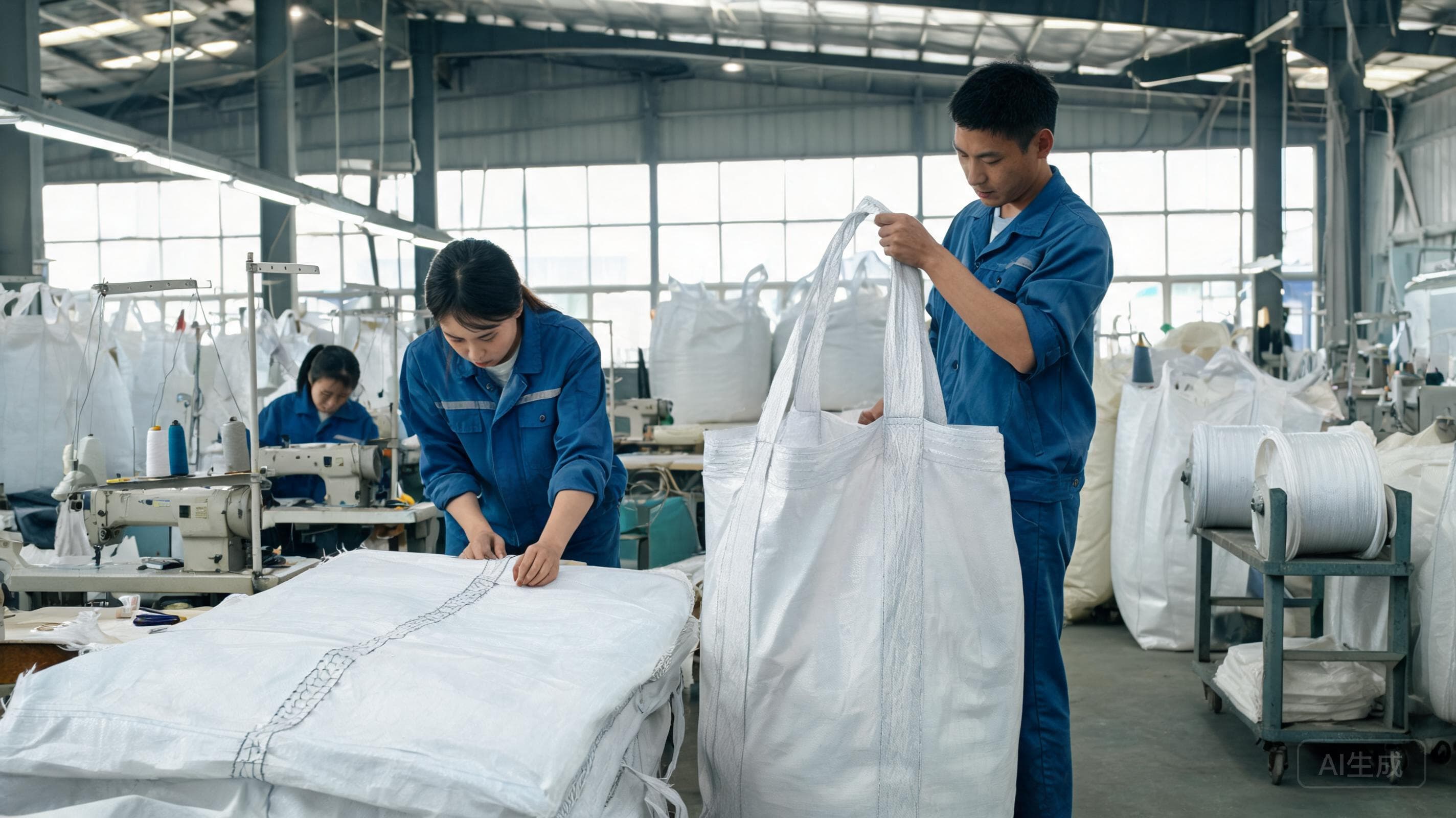
Choosing the Right FIBC Bulk Bag Manufacturer for Safer, More Efficient Operations
RUNCHEN
AuthorWith more than 25 years of experience in FIBC bulk bag manufacturing and sales, RUNCHEN operates its own production facility with stable batch capacity. We specialize in FIBC bulk bags, jumbo bags, ton bags, and customized industrial packaging solutions.
Choose an FIBC manufacturer based on operational needs
Packaging requirements are expanding while production schedules remain tight. A bulk bag that does not suit the product or filling line can lead to delays, rework, product loss, or handling risks. Choosing an FIBC manufacturer is an operational decision—not simply a comparison of unit prices.
Buyers must often balance procurement, quality, operations, and EHS priorities. Align those teams around the application so the bag specification reflects the product, process, and conditions it will face.
Start with the material, process, and handling requirements
Define what the bag will contain, including product density and flow, moisture sensitivity, and any food-contact or dangerous-goods requirements. Then map the full journey: filling, storage, transport, discharge, and, if applicable, reuse. This establishes the necessary dimensions, construction, lifting arrangements, liners, and closures.
Production-line fit matters, too. Filling speed, equipment configuration, and changeover requirements can affect bag performance in practice. Share line requirements with prospective suppliers and ask what documentation, testing, or certification is needed before approving the specification.
Match the FIBC construction to the application
Different products and processes call for different bag configurations. Product names can help start the discussion, but final suitability depends on the material, operating conditions, destination, and compliance requirements.
- For standard industrial materials: Consider the COSEK White General-Purpose FIBC Bulk Bag. Confirm dimensions, safe working load, lifting configuration, and discharge options against the intended use.
- For eligible food-contact applications: Evaluate the COSEK White and Red Food-Grade Bulk Bag. Request applicable food-contact documentation and details of relevant manufacturing controls.
- Where leakage or material loss is a concern: Assess the COSEK White Cylindrical Leak-Proof Bulk Bag against the product’s containment needs and handling conditions.
- For regulated dangerous goods: Consider the COSEK White UN Certified Dangerous Goods FIBC Bulk Bag. Verify the exact certification scope, design, classification, and permitted use against applicable shipping rules.
Do not approve a bag based on its label alone. Confirm that its construction and documented performance match your specific product and process.
Evaluate quality and compliance controls
A dependable FIBC manufacturer should explain how it controls incoming materials, weaving and conversion, stitching, inspection, testing, and finished-goods release. Request documentation for the selected bag, including specifications, relevant test records, traceability details, and certificates where applicable.
For food-grade applications, ask how the supplier manages contamination prevention, material identification, and production controls. Confirm which standards or declarations apply to your order; a general product description may not cover your requirements. For UN-rated bags, check the exact design type and certification scope. A broad compliance claim does not establish that a specific bag is suitable.
Before production begins, agree on acceptance criteria, sampling plans, defect handling, and change control. These steps clarify what must remain consistent and how proposed specification changes will be reviewed.
Reduce downtime with specification and changeover planning
Dimensions, filling spouts, lifting loops, and discharge features are part of the production-line interface—not minor packaging details. Share machine drawings, current bag samples, and known line constraints with the manufacturer early to identify fit or handling issues before a production run.
Where practical, standardize specifications across compatible products to simplify purchasing and setup. Retain distinct controls for food-grade, leak-proof, or dangerous-goods applications. Review setup steps, operator handling, and waste generated when switching bag types or products.
Include operators and maintenance staff in trials. A bag may meet its technical specification yet still be awkward to load, fill, move, or discharge. Practical feedback before a large order can reveal issues that document review alone will not catch.
Consider sustainability and workplace realities
Discuss material efficiency, packaging waste, reuse expectations, and end-of-life handling with the supplier. Request information relevant to the intended application, and avoid broad environmental claims that are not supported by measurable evidence.
Examples from other industries can prompt useful questions about waste reduction and workplace conditions, but they do not establish FIBC-specific performance. If sustainability is part of your sourcing decision, request application-relevant measures such as waste tracking, material utilization, and documented improvement actions.
Compare suppliers on total cost and supply reliability
The lowest quoted bag price may not produce the lowest operating cost. Compare total cost of ownership, including filling-line compatibility, handling time, product loss, inspection requirements, and potential quality-failure costs. A bag that reduces line disruption or prevents material loss may deliver greater value over time.
Assess each supplier’s production capacity, lead times, order flexibility, communication, and response to demand changes. Ask how production changes are communicated and approved, particularly when they could affect dimensions, materials, performance, or certification.
For cross-border sourcing, review current commercial, logistics, and regulatory details for the specific sourcing route. When evaluating references or examples, distinguish documented outcomes relevant to your application from broad or unverified claims.
Use a practical FIBC qualification checklist
Before placing a production order, use this checklist to align the specification and the teams responsible for approving it:
- Define the product, filling method, storage conditions, transport route, and discharge process.
- Document required dimensions, safe working load, safety factor, lifting features, closure, liner, and printing or identification needs.
- Identify food-contact, dangerous-goods, or other regulatory requirements and confirm the documentation required with the order.
- Review samples and verify fit on the actual filling and handling equipment before committing to a large production run.
- Agree on quality criteria, inspection methods, traceability, delivery schedule, and procedures for specification changes.
- Record the business case using measures that matter to your operation, such as changeover time, handling effort, product loss, rejects, and on-time delivery.
Turn bag selection into a measurable sourcing improvement
The right FIBC solution combines application fit, verified compliance, production compatibility, and dependable supply. Shortlist the COSEK White General-Purpose FIBC Bulk Bag, COSEK White and Red Food-Grade Bulk Bag, COSEK White Cylindrical Leak-Proof Bulk Bag, or COSEK White UN Certified Dangerous Goods FIBC Bulk Bag according to your use case, then verify the specification against your product and process.
Send COSEK your product type, filling-line details, required certifications, and delivery expectations to request a sample, technical consultation, or quotation. Contact COSEK to review your requirements and get a tailored FIBC recommendation and quote.
Related News
Other news you might be interested in

Choosing the Right FIBC Bulk Bag Supplier for Safer, More Efficient Operations
Use this practical guide to match FIBC bulk bags to your product, equipment and compliance needs—and compare suppliers through documentation, trials and total cost.
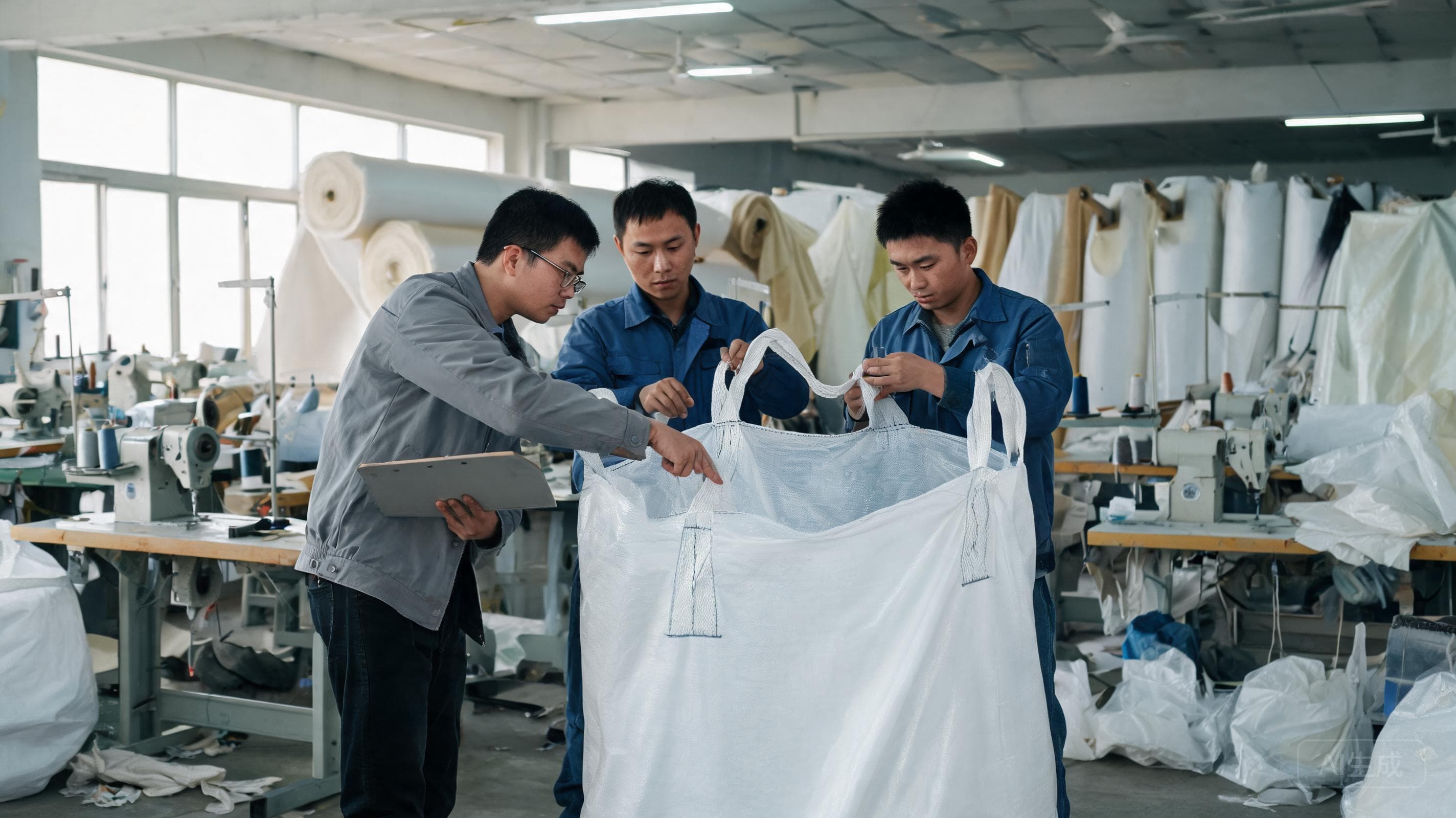
How to Choose a FIBC Supplier That Protects Your Packaging Line, Product, and Margins
Learn how to assess FIBC design, quality controls, production fit, and supply reliability. Use this practical checklist to compare suppliers and reduce risk before placing an order.
Want to know more?
Get in touch with us for more information about our services and products.