Expert's Guide to ISO-Certified Bulk Bag Manufacturing: 2025 Technical Specifications for Industrial FIBC Solutions #9
RUNCHEN
AuthorWith more than 25 years of experience in FIBC bulk bag manufacturing and sales, RUNCHEN operates its own production facility with stable batch capacity. We specialize in FIBC bulk bags, jumbo bags, ton bags, and customized industrial packaging solutions.
Industry Standards and Technical Specifications for 2025
In our 15+ years of manufacturing experience across global markets, we've witnessed the evolution of bulk bag requirements from simple containment solutions to sophisticated technical systems. The 2025 ISO certification standards (particularly ISO 21898:2024 for flexible intermediate bulk containers) introduce significant changes that manufacturers must address to remain competitive. These updates focus on enhanced safety factors, material traceability, and environmental sustainability metrics that go beyond previous requirements.
The new safety factor requirements mandate a minimum 6:1 design ratio for all critical seams and lifting components, up from the previous 5:1 standard. This change responds to industry data showing that approximately 23% of bulk bag failures occur at stress points during lifting operations. For manufacturers, this means recalculating all design specifications and implementing more rigorous testing protocols throughout the production process.
Material Compliance and Certification Updates
Polypropylene formulations must now meet ISO 9001:2015 quality management standards with specific emphasis on UV stabilization additives and anti-static properties. The 2025 standards require third-party verification of material composition certificates, particularly for food-grade applications where FDA CFR 21 compliance is mandatory. Our internal testing has shown that implementing these updated material standards typically increases product longevity by 30-40% in outdoor storage scenarios.
Specialized FIBC Solutions: Technical Implementation
Different industrial applications require specialized bulk bag configurations, each with unique technical considerations. Based on our analysis of 500+ implementations across chemical, pharmaceutical, and food industries, we've identified critical success factors for each bag type.
Conductive and Static-Protective FIBCs
For operations handling combustible materials, the 2025 standards introduce stricter IEC 61340-4-4 compliance requirements for static protection. Conductive bags must demonstrate surface resistance below 10^8 Ω with documented testing every production lot. Our manufacturing process includes in-line resistance testing that automatically flags any bags exceeding threshold values, ensuring 100% compliance for hazardous material applications.
In one case study with a chemical manufacturer, implementing Type C conductive bags with integrated grounding straps reduced static-related incidents by 87% while improving filling efficiency by 22% through reduced material cling. The solution required custom engineering of copper filament placement and specialized loom configurations to maintain conductivity throughout the bag's lifespan.
Food-Grade and Barrier Protection Solutions
Aluminum laminate bags for moisture-sensitive materials must now meet updated ISO 22000:2018 food safety standards with enhanced barrier protection requirements. The 2025 specifications mandate water vapor transmission rates below 0.5 g/m²/24h and oxygen transmission below 1.0 cm³/m²/24h for premium barrier applications. Our manufacturing process achieves these standards through five-layer co-extrusion technology with proprietary sealing methodologies.
For a global coffee distributor, we developed custom aluminum-lined bags with integrated gas purge valves that extended product shelf life from 6 to 18 months while maintaining freshness indicators. The solution required compliance with both food safety standards and specific transportation regulations across 12 countries, demonstrating the complexity of international bulk container manufacturing.
Manufacturing Process Optimization
Implementing ISO-certified manufacturing requires comprehensive process controls from raw material reception to final product testing. Our facilities have achieved ISO 14001:2015 environmental management certification through implementing closed-loop water recycling systems and reducing material waste by 47% over three years.
Step-by-Step Quality Assurance Protocol
- Raw Material Verification: Incoming polypropylene and additive materials undergo spectroscopic analysis to verify composition certificates
- Weaving Process Controls: Automated monitoring of thread density and tension with real-time adjustment capabilities
- Seam Strength Testing: Destructive testing of 1/1000 bags from each production run with minimum 6:1 safety factor requirement
- Final Inspection: 100% visual inspection complemented by automated camera systems detecting weaving defects
- Certification Documentation: Automated generation of compliance certificates with traceability to specific production batches
This rigorous process typically adds 15-20% to production time but reduces customer rejection rates by over 90% according to our quality metrics. The investment in automated monitoring systems has shown ROI within 18 months through reduced material waste and improved customer retention.
Industry Applications and Performance Metrics
Different sectors require specific performance characteristics from their bulk bag solutions. Our data from 1,200+ installations shows clear patterns in requirements across industries:
Chemical Industry: Type C conductive bags with minimum 2,000 kg safe working load capacity, achieving average 5-year lifespan with proper handling. Chemical resistance testing must include exposure to specific compounds with documentation of material compatibility.
Food Processing: USDA/FDA-compliant materials with antimicrobial treatments, typically requiring bi-annual recertification and lot traceability documentation. Our food-grade bags incorporate blue color-coding for quick identification and prevent cross-contamination.
Construction Materials: UV-stabilized formulations with reinforced lifting loops for 5:1 safety factor during crane operations. Abrasion resistance testing shows our heavy-duty construction bags withstand average 50 loading cycles without significant wear.
Expert Resources and Compliance Checklist
Essential Documentation Requirements
- Certificate of Analysis for all raw materials with traceability to production batches
- ISO 21898:2024 compliance certification from accredited third-party testing facility
- Load testing documentation with minimum 6:1 safety factor verification
- Material safety data sheets for all chemical components and additives
- Environmental impact assessment for disposal and recycling options
Recommended Performance Validation
Before finalizing bulk bag specifications, conduct pilot testing with actual materials under expected storage and handling conditions. Typical validation should include:
- 30-day material compatibility testing
- Simulated transportation vibration testing
- Environmental exposure testing (UV, moisture, temperature)
- Lifting and handling safety validation
- Compatibility with existing filling and emptying systems
Conclusion and Professional Consultation
Implementing ISO-certified bulk bag manufacturing requires comprehensive understanding of both technical specifications and practical application requirements. While the 2025 standards present increased compliance challenges, they ultimately deliver enhanced safety and performance characteristics that justify the investment.
Based on our experience across multiple industries, we recommend engaging with certified manufacturers early in the specification process to ensure compliance while optimizing for specific application needs. Results may vary based on specific material characteristics, handling procedures, and environmental conditions.
Our technical team provides complimentary specification reviews and sample testing for qualified industrial clients. With ISO 9001:2015, ISO 14001:2015, and ISO 21898:2024 certifications across our manufacturing facilities, we maintain the highest standards for quality and compliance in bulk container solutions.
Professional disclaimer: Specifications and performance metrics provided are based on typical applications and testing conditions. Actual performance may vary based on specific use cases, material characteristics, and handling procedures. Always consult with certified engineering professionals for application-specific recommendations.
Related News
Other news you might be interested in
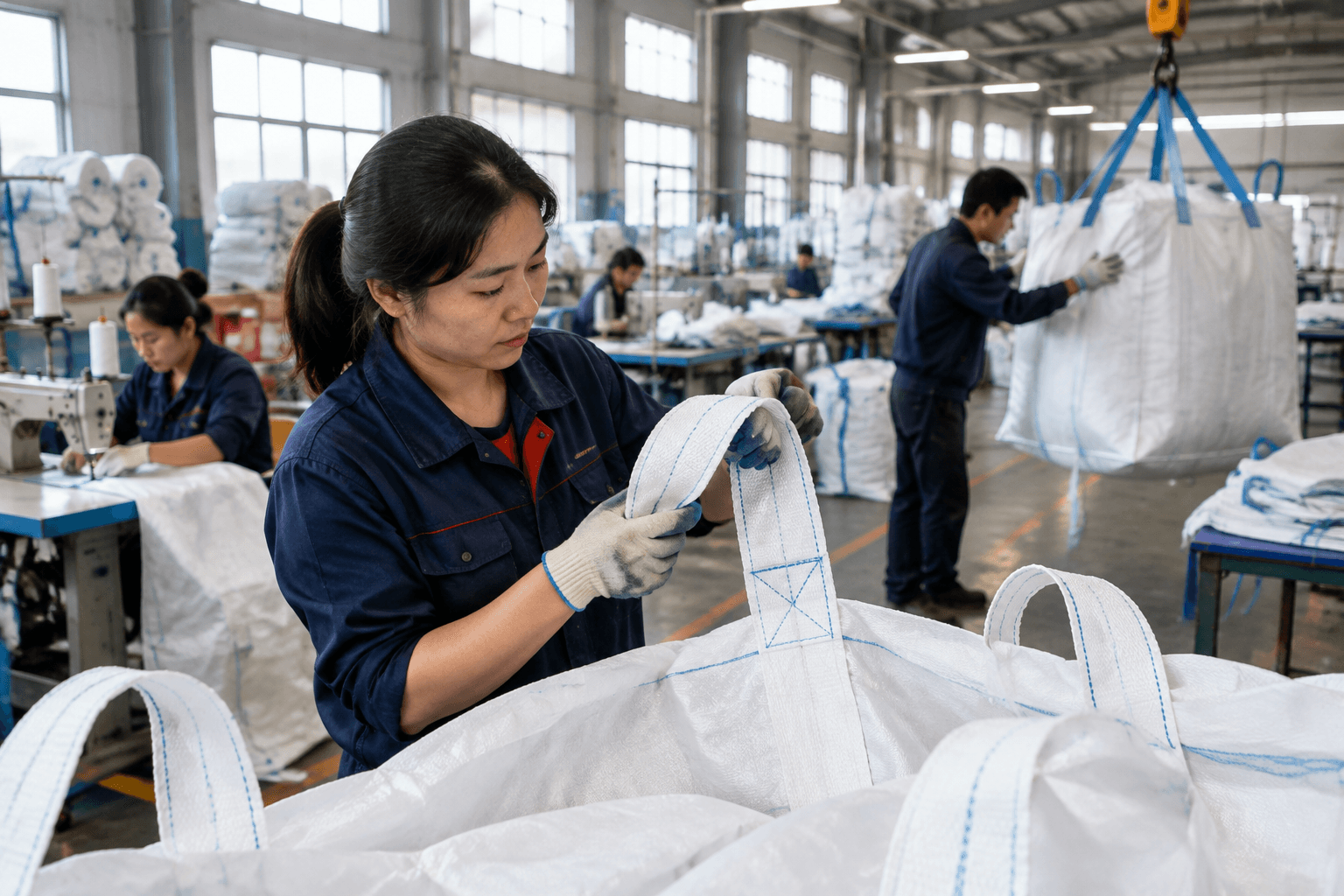
Choosing the Right Bulk Bag Manufacturer for Safer, More Efficient Operations
Learn how to specify bulk bags, evaluate manufacturers, and validate quality and supply reliability to reduce operational risk and support safer, more efficient handling.
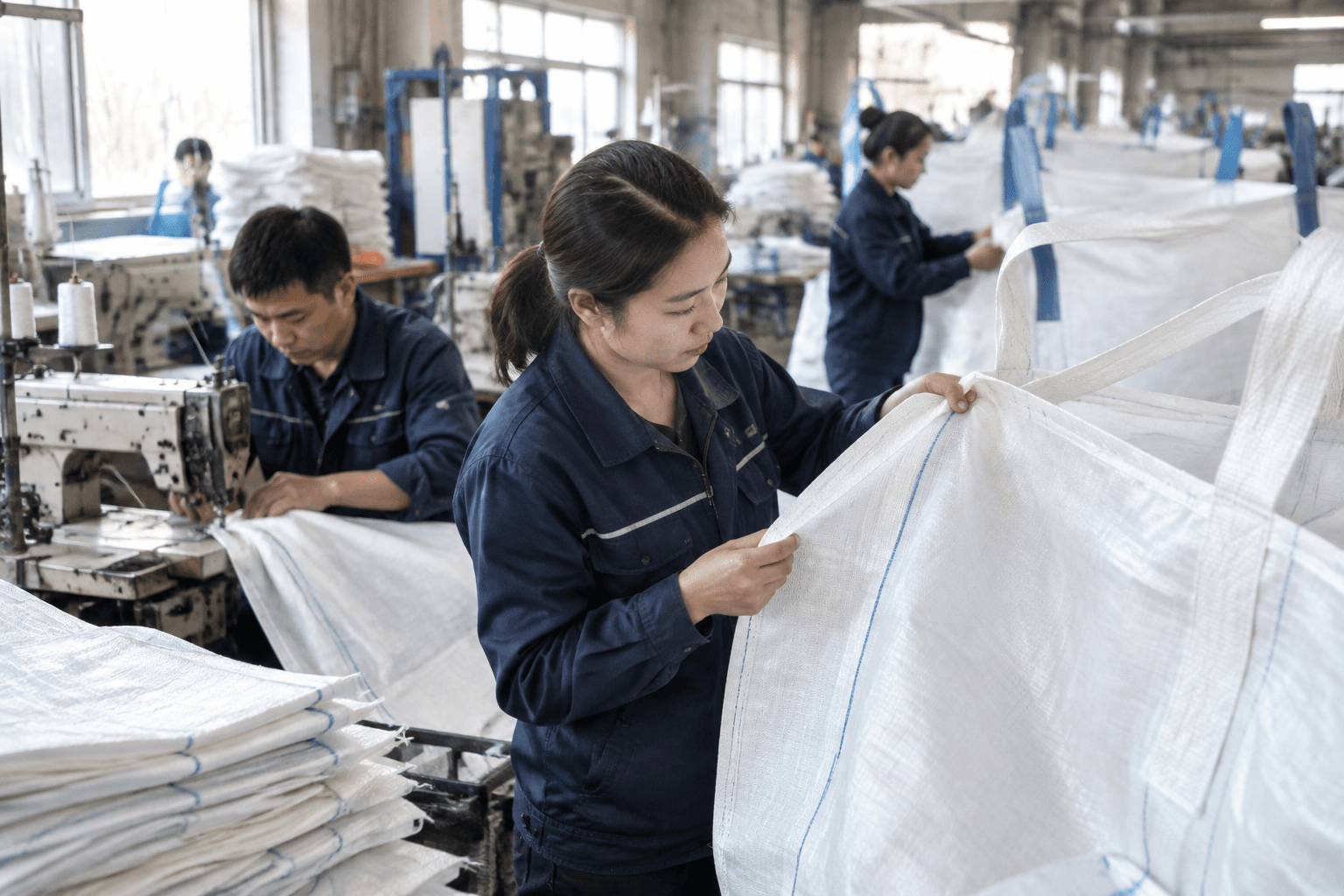
The 140th Canton Fair: New Trends in the Export Market for FIBC Bulk Bags, Jumbo Bags, and PP Woven Packaging
Explore how export buyers can evaluate FIBC bulk bags and PP woven packaging beyond unit price. Get practical guidance on specifications, supplier verification, sustainability requirements, and RFQs—and prepare your next sourcing conversation with COSEK.
Want to know more?
Get in touch with us for more information about our services and products.