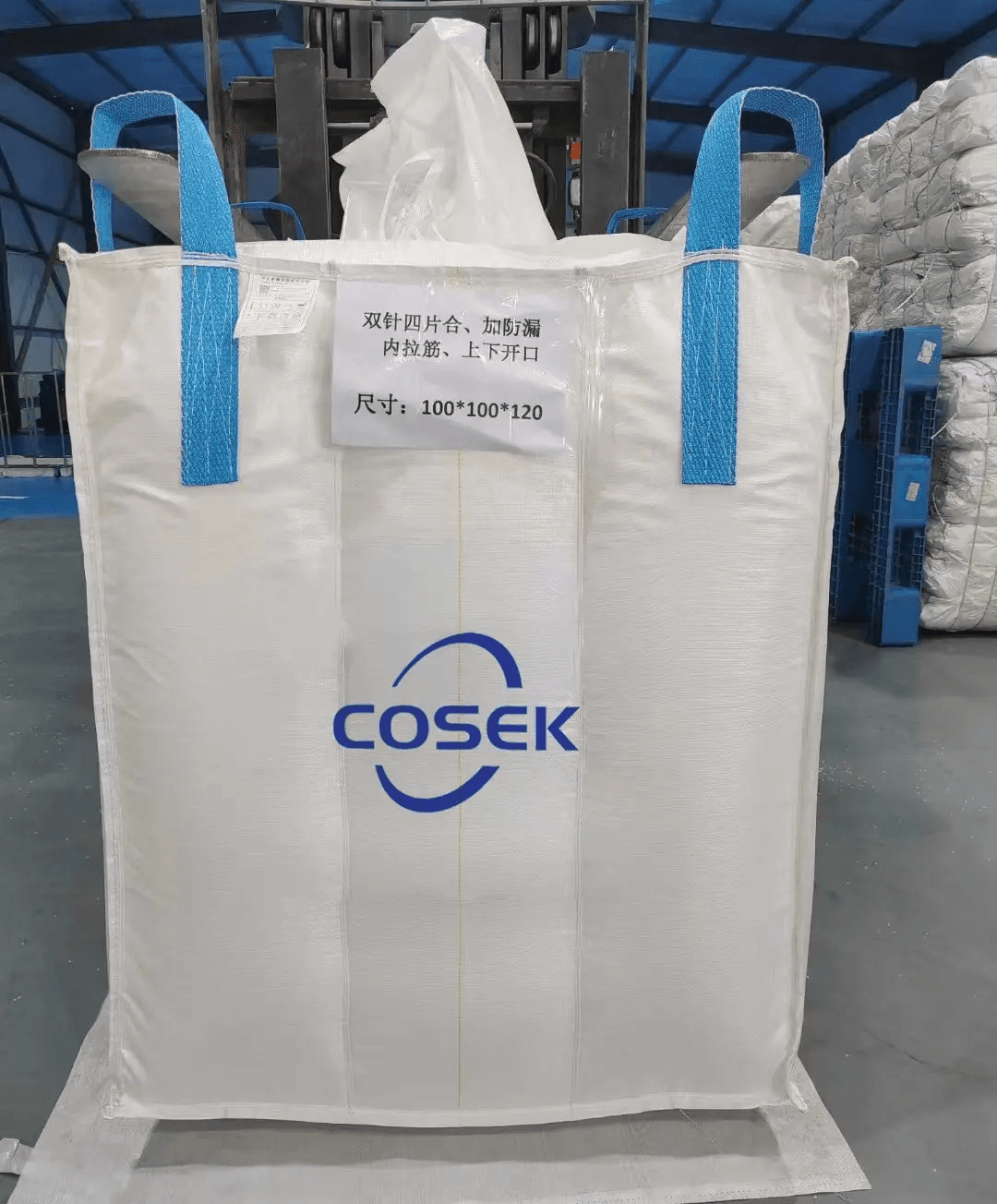
Export Packaging Upgrades for Construction and Mineral Materials: Abrasion-Resistant Bulk Bags Help Reduce Breakage Losses for Cement, Sand, and Mineral Powder
RUNCHEN
AuthorWith more than 25 years of experience in FIBC bulk bag manufacturing and sales, RUNCHEN operates its own production facility with stable batch capacity. We specialize in FIBC bulk bags, jumbo bags, ton bags, and customized industrial packaging solutions.
Summary
As global infrastructure construction, urban renewal, mineral resource trade, and building material exports continue to grow, cross-regional transportation of cement, sand, mineral powder, quartz sand, metal powders, and various construction additives is expanding steadily. For these high-density, abrasive, and dust-prone bulk materials, packaging breakage, leakage, moisture exposure, and handling losses have long been major pain points in export supply chains.
Against this background, abrasion-resistant FIBC bulk bags are becoming an important packaging choice for the construction and mineral industries. Compared with ordinary woven sacks or small packaging, abrasion-resistant bulk bags offer stronger load capacity, better tear resistance, suitability for forklift and lifting operations, and easier container transportation.
For exporters, upgrading bulk bag packaging can not only reduce breakage losses, but also improve warehousing efficiency, lower rework costs, and strengthen overseas customers’ confidence in delivery stability.
Export Growth in Construction and Mineral Materials Drives Packaging Strength Upgrades
Construction materials and mineral raw materials are usually heavy, hard, sharp-edged, and subject to high stacking pressure. During factory handling, port warehousing, container transportation, and overseas unloading, packaging may go through multiple rounds of handling, lifting, stacking, and friction.
If the bulk bag structure is not strong enough, problems such as fabric wear-through, lifting strap breakage, seam cracking, or bottom leakage may occur.
Cement, mineral powder, and fine sand materials present another risk. Once the package is damaged, material leakage can cause direct product loss and may also contaminate warehouses, containers, and customer sites, increasing cleaning, replenishment, and claim costs.
As a result, construction and mineral exporters are shifting from low-cost packaging to high-strength, abrasion-resistant packaging solutions that help control losses.
Cement and Powder Materials: Leakage Prevention and Moisture Protection Are Equally Important
Cement, fly ash, lime powder, mineral powder, and construction additives are typical powder materials. They have strong flowability and fine dust characteristics. If the bag body, needle holes, stitching areas, or bottom structure are not properly handled, powder leakage may occur during transportation.
At the same time, these materials are sensitive to moisture. Humidity changes during long-term storage or sea transportation may cause caking and affect the customer’s final application.
For powder-based building materials, bulk bag selection should focus on the following factors:
- Whether the bag uses high-strength PP woven fabric
- Whether stitching areas are reinforced
- Whether coated fabric, inner liners, or moisture-proof structures are required
- Whether the filling and discharge spouts can reduce dust and leakage
- Whether the bag shape is suitable for container stacking and forklift handling
Tear-Resistant Bulk Bags for Cement, Mineral Powder, and Building Material Exports
For cement, mineral powder, lime powder, construction additives, chemical powders, and other high-density bulk materials, COSEK Tear-Resistant FIBC Bulk Bag Are Usable.This product is designed for the storage, handling, and export transportation of powders, granules, blocks, and other bulk materials. The bag uses a high-strength woven structure and can be customized with lifting straps, filling spouts, discharge spouts, inner liners, and moisture-proof options according to loading weight, material characteristics, and transportation requirements.
For cement and mineral powder materials that are prone to leakage and moisture exposure, tear-resistant bulk bags can help reduce breakage, material leakage, and handling losses. They are especially suitable for factory bulk shipments, port transfer, and container export applications.
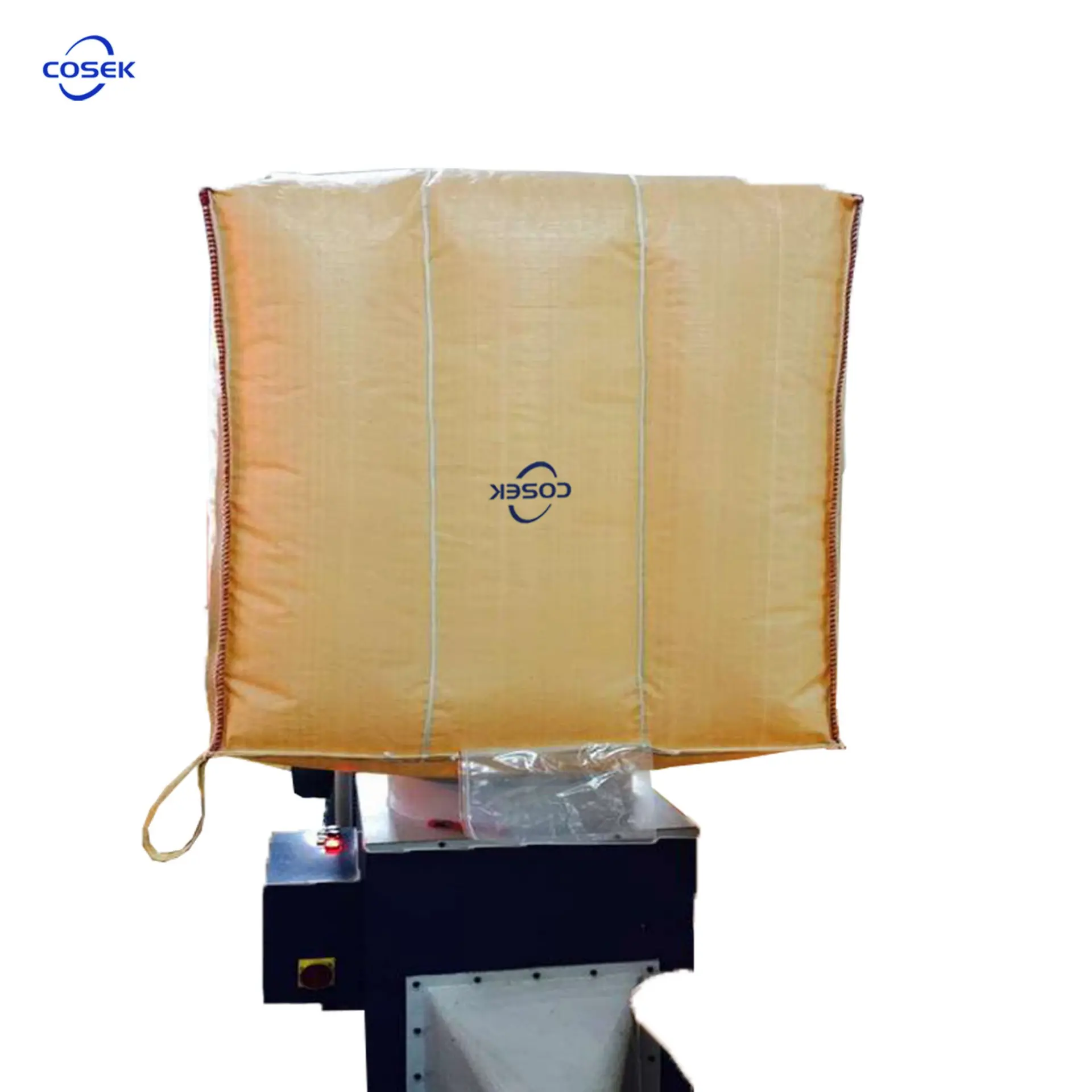
COSEK Tear-Resistant FIBC Bulk Bag
Sand and Mineral Granules: Abrasion Resistance Determines Transportation Stability
Sand, quartz sand, ore granules, metal mineral powders, and ceramic raw materials are highly abrasive. During bag filling, forklift transfer, stacking, and unloading, these materials continuously rub against the inner wall of the bag.
If the fabric weight is too low or the bottom structure is weak, the bag may become worn, swollen, deformed, or even broken after long-distance transportation.
For mineral granule cargo, the packaging solution must address more than loading capacity. It also needs to answer several practical questions: whether the bag remains stable after filling, whether it deforms after stacking, whether the lifting force is evenly distributed, and whether unloading is convenient for the customer.
Abrasion-resistant bulk bags can reduce mid-transport breakage risks by strengthening the bag material, optimizing lifting strap stress distribution, and customizing discharge structures, improving delivery consistency for the entire shipment.
Container Transportation Requires More Stable and Space-Efficient Bulk Bags
Construction and mineral exports are usually shipped by full container load. Bulk bag loading efficiency directly affects logistics cost per unit.
If the bag expands too much after filling or has an irregular shape, it wastes container space and increases the risk of unstable stacking and cargo movement during transportation.
During long-distance sea shipping, bulk bags are also affected by container vibration, compression, and humidity changes. A stable bag shape can reduce gaps between bags, keep the cargo tighter inside the container, improve loading efficiency, and reduce friction losses during transportation.
Internal Reinforcement Bulk Bags Improve Loading Efficiency for Mineral Powder and Building Materials
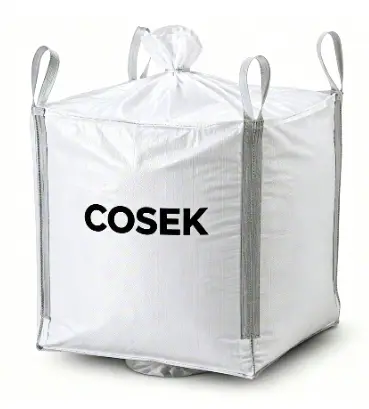
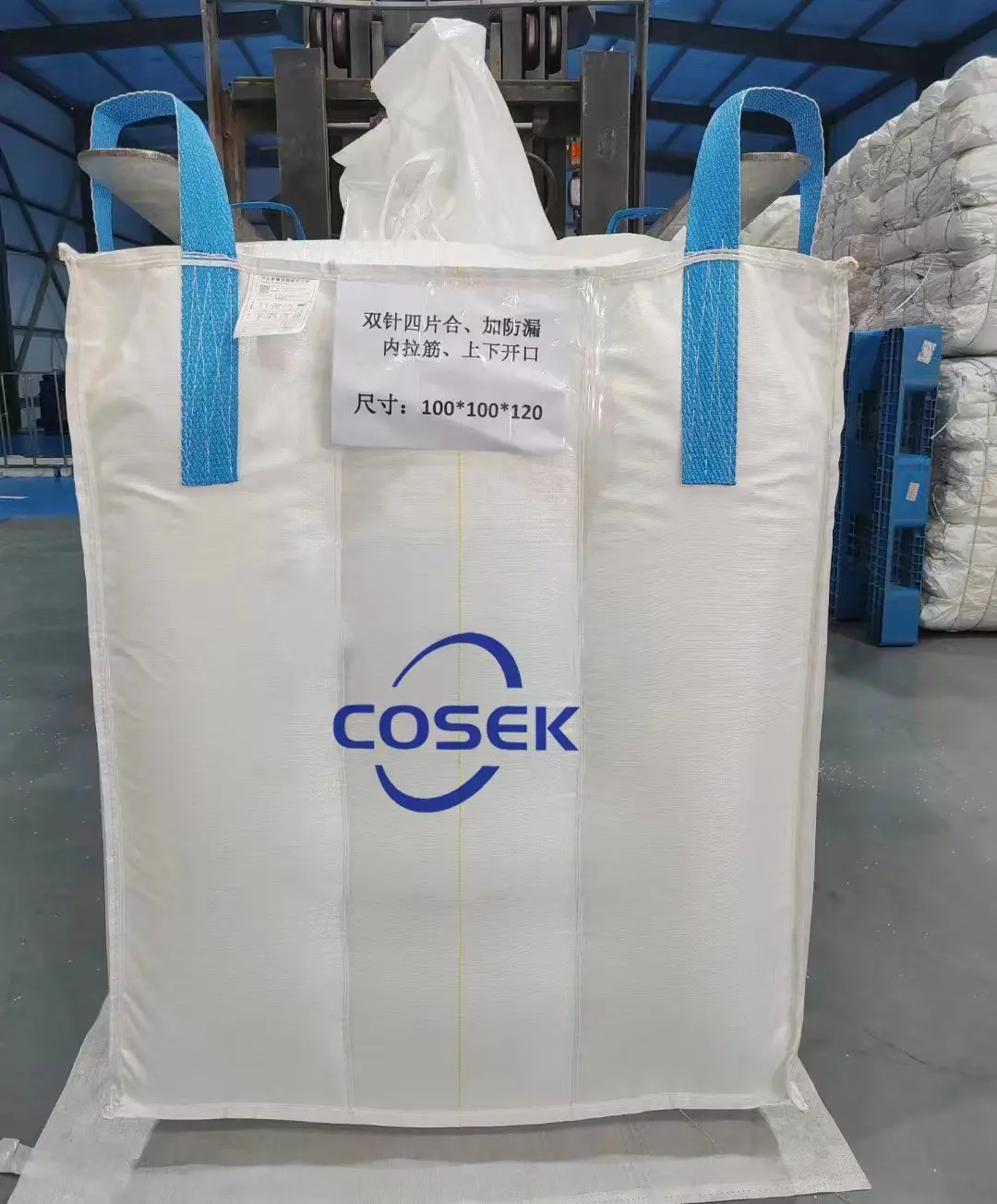
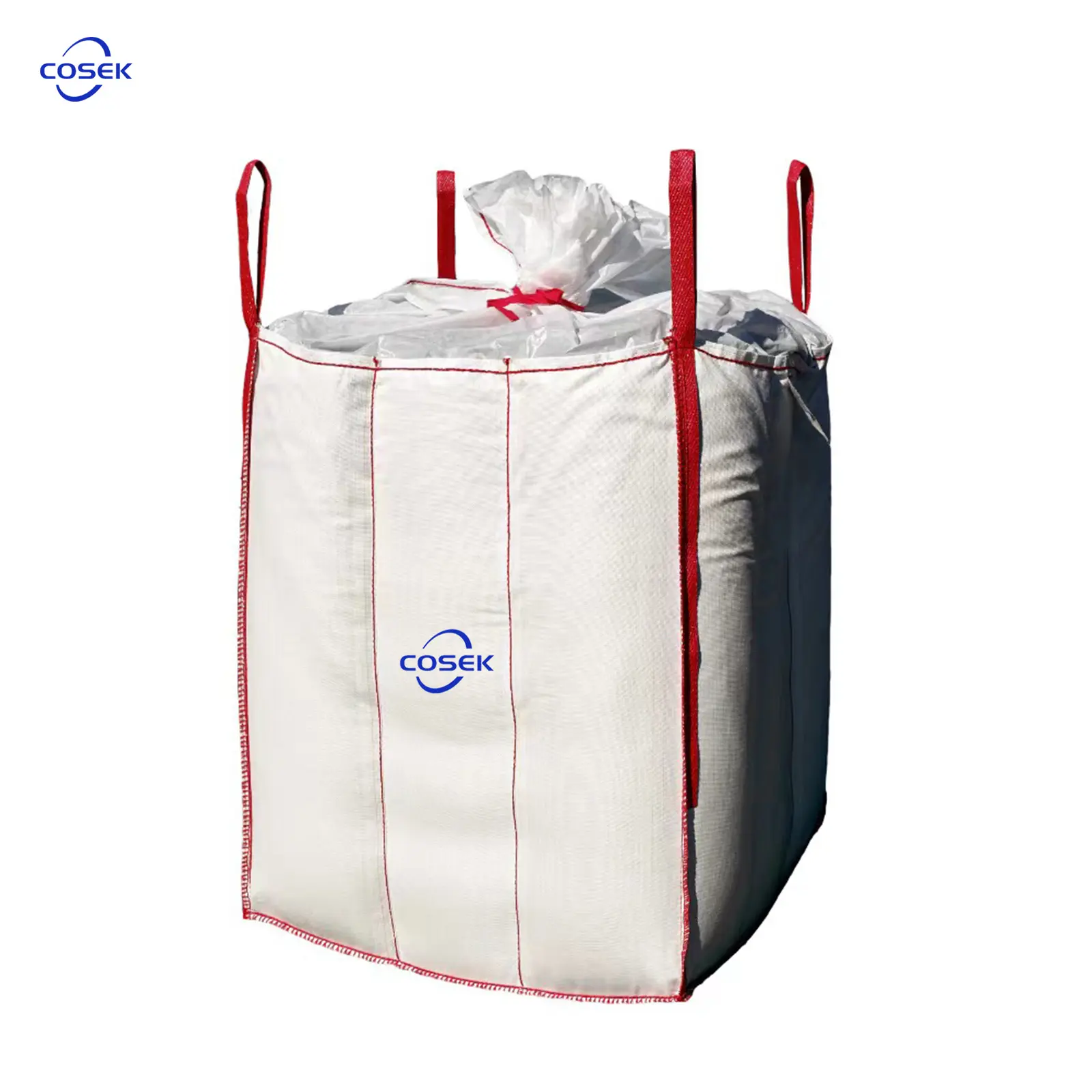
For mineral powder, quartz sand, plastic granules, construction additives, powder raw materials, and other bulk materials that require stable stacking, Internal Reinforcement Ton Bag are usable.This product uses an internal reinforcement structure to help the bulk bag maintain a more regular square shape after filling. It reduces side bulging and improves pallet stacking, warehouse management, and container loading efficiency.
For export mineral powder, cement additives, and high-density granular materials, the internal reinforcement structure helps reduce space waste and keeps the packaging more stable during long-distance transportation and warehouse handling.
Internal Reinforcement Ton Bag
Export Customers Pay More Attention to the Total Cost Behind Packaging Losses
In construction and mineral export business, packaging cost is only one part of the total order cost. However, packaging failure can create much higher losses.
Broken bags may lead to cargo shortages, customer complaints, port cleaning, replenishment costs, delivery delays, and damage to brand reputation. For overseas buyers, stable and reliable packaging means fewer unloading problems and lower warehousing risks.
Therefore, more buyers now ask about specific bulk bag parameters during the inquiry stage, such as safe working load, fabric weight, lifting strap structure, stitching method, liner options, warning printing, and container transportation suitability.
For exporters, selecting the right abrasion-resistant bulk bag according to material characteristics can help reduce later communication costs and quality disputes.
Key Factors When Choosing Bulk Bags for Construction and Mineral Materials
For materials such as cement, sand, and mineral powder, companies should evaluate the following points when purchasing bulk bags:
- Material density: High-density materials require stronger bag bodies and lifting strap structures
- Particle shape: Sharp or rough particles should use abrasion-resistant and tear-resistant designs
- Moisture protection requirements: Cement and mineral powders may require liners or coated fabric
- Handling method: Forklifts, cranes, and automatic filling equipment affect lifting strap and opening design
- Transportation route: Sea freight, land transport, port transfer, and repeated handling require higher stability
- Discharge method: Discharge spout design affects unloading efficiency and dust control at the customer site
- Brand identification: Clear printing helps batch management, warehouse identification, and export brand presentation
Industry Trend: Construction and Mineral Packaging Is Moving from Consumable Packaging to Supply Chain Management
As global trade in building materials and mineral raw materials continues to develop, bulk bag packaging is shifting from a simple transportation consumable to part of supply chain efficiency and quality management.
For bulk materials such as cement, sand, and mineral powder, abrasion-resistant bulk bags not only perform a loading function. They also affect handling efficiency, warehouse order, transportation safety, and customer experience.
In the future, FIBC products with high-strength woven structures, abrasion and tear resistance, moisture-proof liner options, stable bag shape design, and customization capability will play a more important role in construction and mineral export packaging.
Related News
Other news you might be interested in
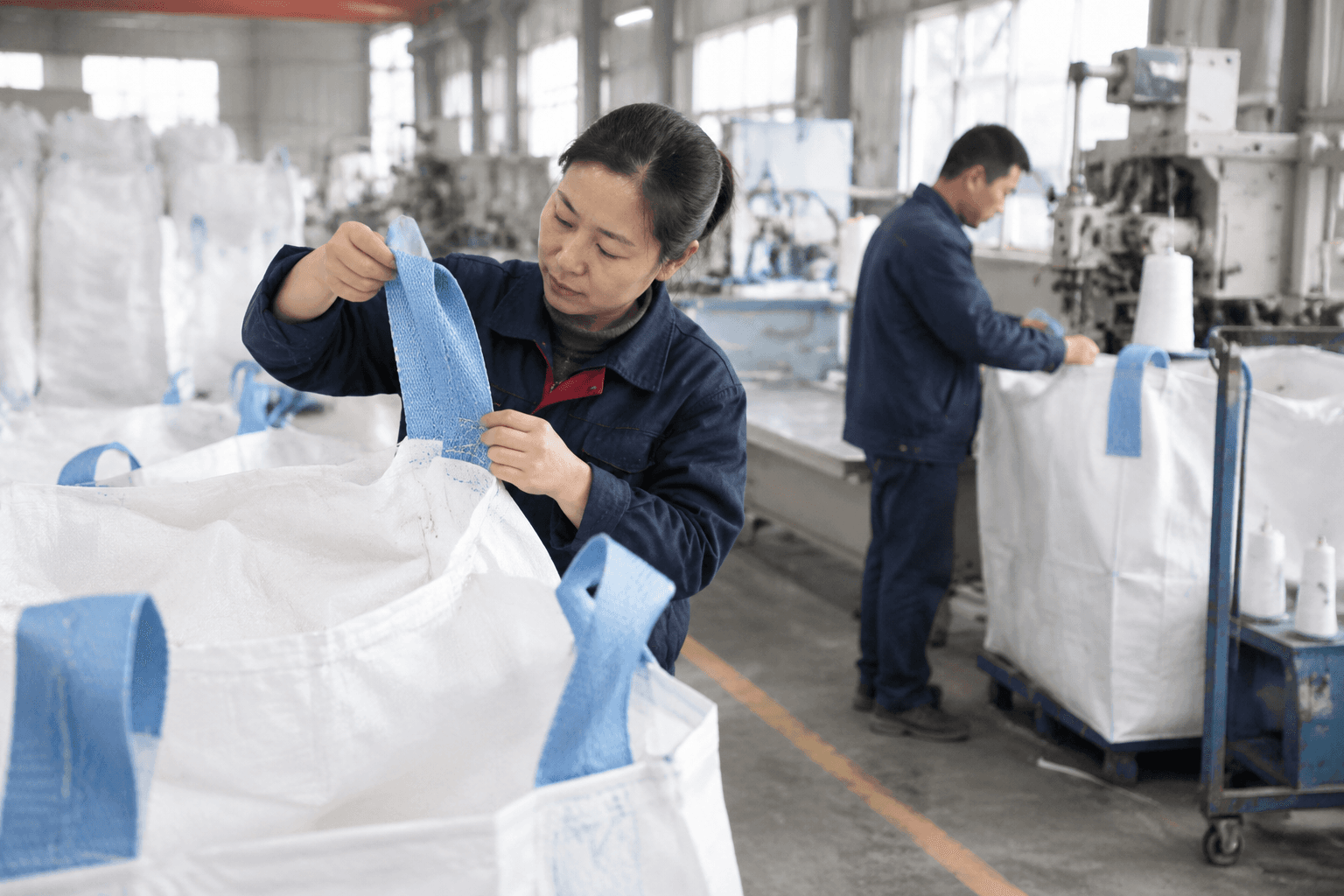
Choosing the Right FIBC Bulk Bag: A Procurement Guide for Safer, More Reliable Packaging
Use this practical FIBC procurement guide to define your application, compare specifications and suppliers, verify compliance, and request a bag configuration that fits your operation.
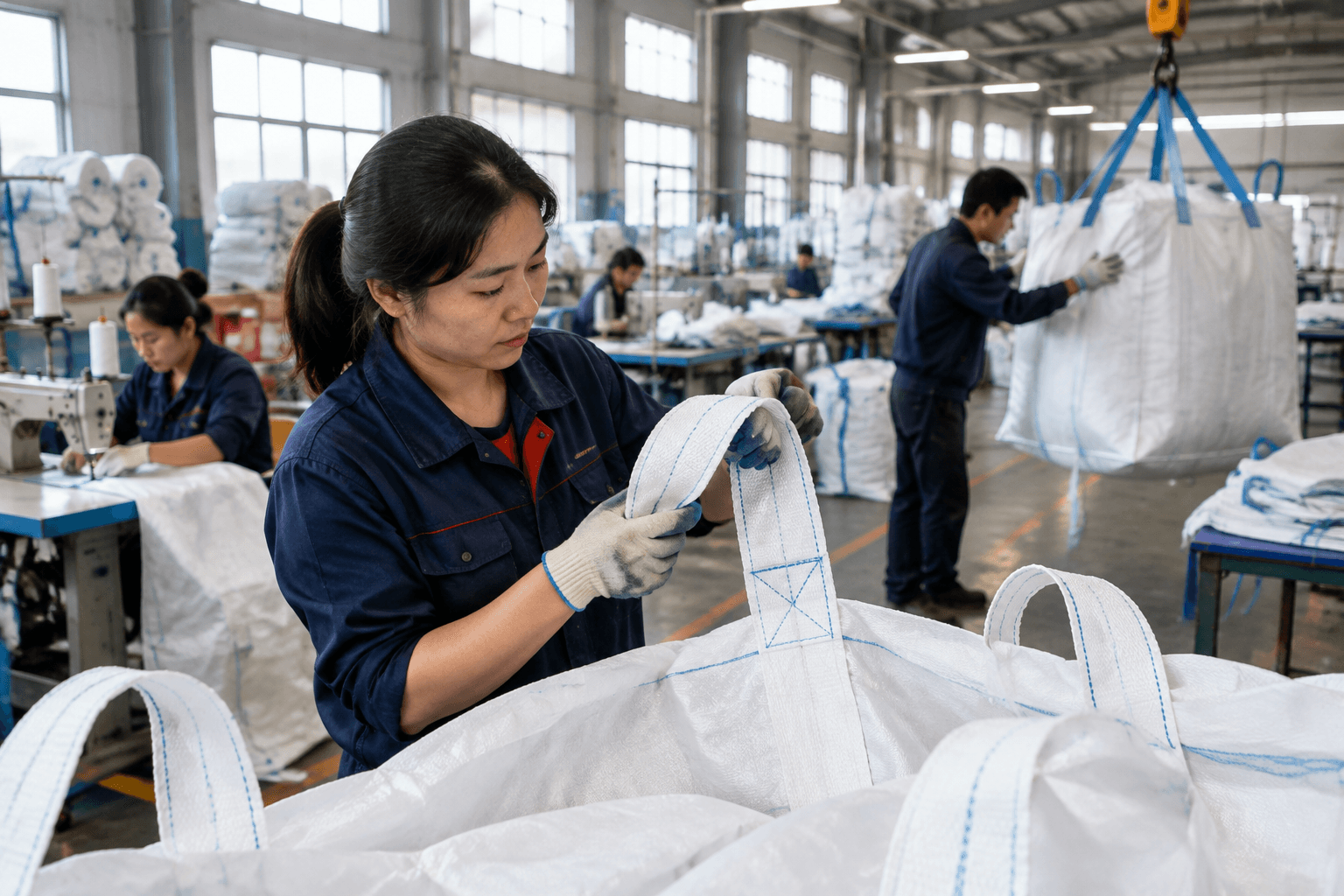
Choosing the Right Bulk Bag Manufacturer for Safer, More Efficient Operations
Learn how to specify bulk bags, evaluate manufacturers, and validate quality and supply reliability to reduce operational risk and support safer, more efficient handling.
Want to know more?
Get in touch with us for more information about our services and products.