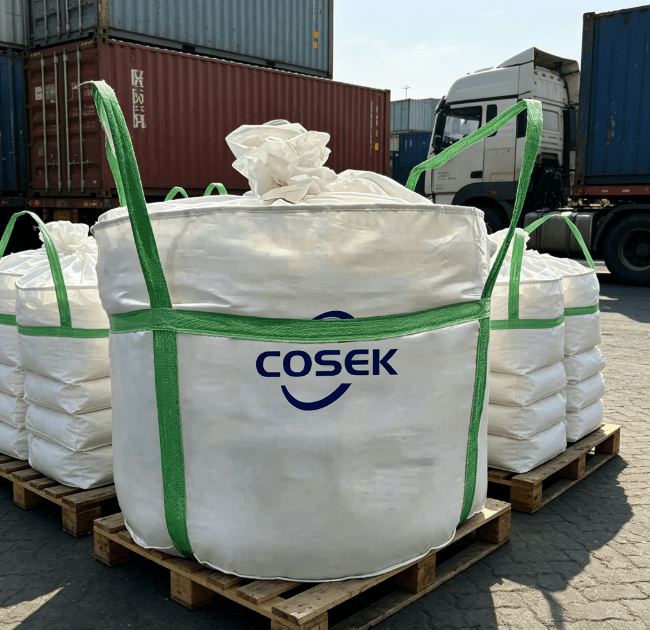
Global Buyers Promote Low-Carbon Industrial Packaging as Demand for Recyclable Polypropylene Bulk Bags Continues to Rise
RUNCHEN
AuthorWith more than 25 years of experience in FIBC bulk bag manufacturing and sales, RUNCHEN operates its own production facility with stable batch capacity. We specialize in FIBC bulk bags, jumbo bags, ton bags, and customized industrial packaging solutions.
Low-Carbon Procurement Is Driving Industrial Packaging Upgrades
In the past, bulk bag purchasing decisions were mainly based on price, load capacity, and delivery time. In recent years, however, global buyers have started to include packaging recyclability, reduction of single-use packaging waste, and standardized storage and transportation efficiency in their supplier evaluation process.
This trend is especially clear in industries such as chemical powders, plastic resins, grains and feed, minerals, building materials, and food ingredients. These sectors rely heavily on large-capacity packaging for bulk materials.
Compared with small bags or certain rigid containers, FIBC bulk bags are usually made from high-strength PP woven fabric. They are lightweight, large in capacity, foldable after use, and suitable for forklift handling and lifting operations. As companies work to reduce unit transportation costs and packaging waste, demand for recyclable polypropylene bulk bags continues to increase.
Recyclable PP Material Becomes the Core Value of Green Bulk Bags
Polypropylene, or PP, is the main material used in FIBC bulk bags. It offers high strength, good abrasion resistance, and low weight. Under suitable recycling conditions, PP bulk bags can enter recycled polypropylene systems and be processed into recycled plastic pellets, pallets, turnover boxes, construction waste bags, or other industrial plastic products.
For global buyers, low-carbon packaging is not simply about replacing one material with another. It is about achieving lower waste and higher efficiency across the supply chain.
A suitable bulk bag should meet three key requirements:
First, it should reduce packaging waste.
Large-capacity bulk bags can reduce the need for small packaging and minimize repeated repacking.
Second, it should improve logistics efficiency.
Standardized bag shapes, stable stacking, and mechanical handling can help reduce labor and time costs in warehousing and transportation.
Third, it should offer recycling or reuse potential.
When the material is clean, the bag structure remains intact, and the application allows it, some PP bulk bags can be reused. After reaching the end of their service life, they may also enter recycling and regeneration processes.
General PP Bulk Bags for Multi-Industry Low-Carbon Packaging
For general industrial materials, grains, feed, building material granules, and warehouse handling, companies usually need a basic packaging solution that is versatile, easy to handle, and cost-effective.
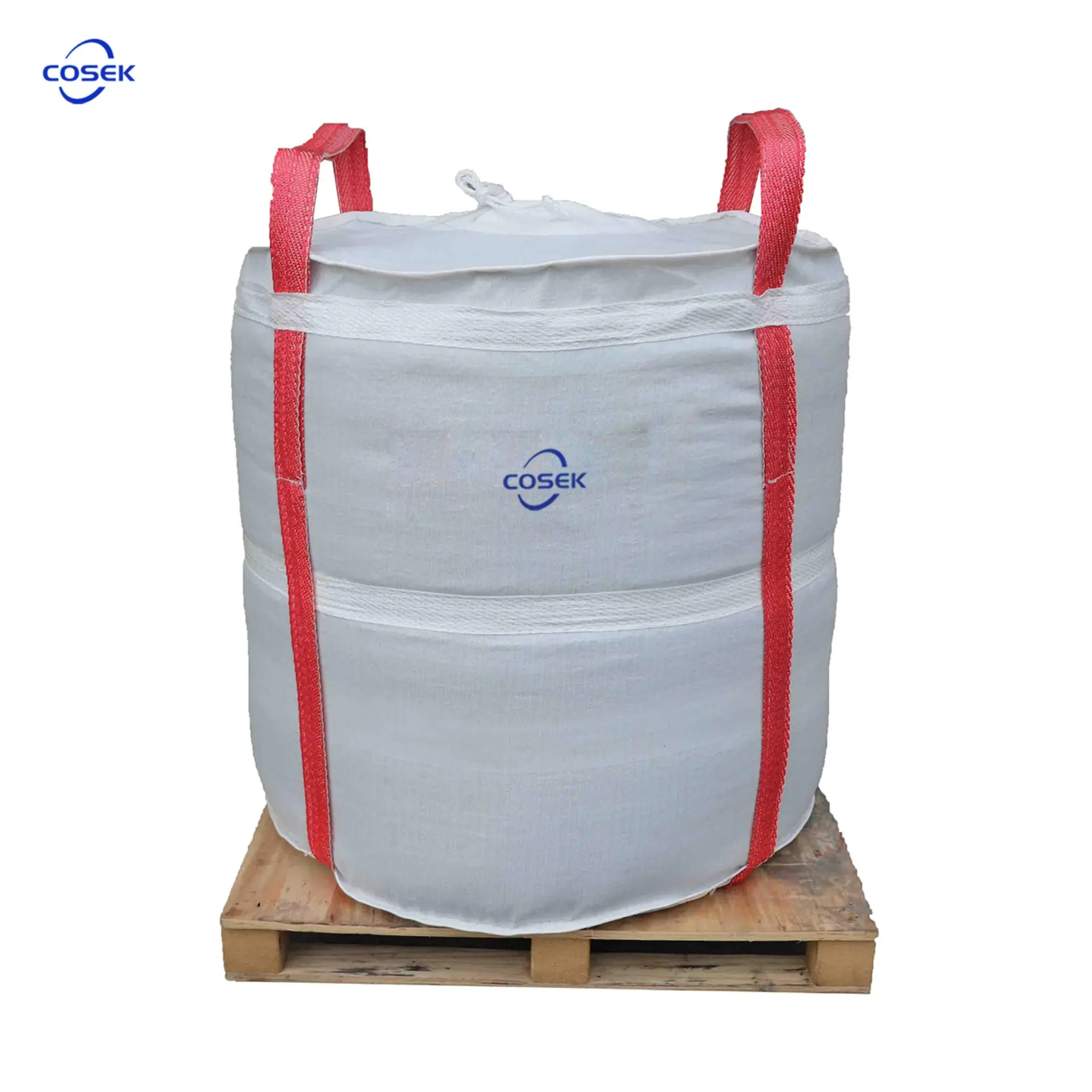
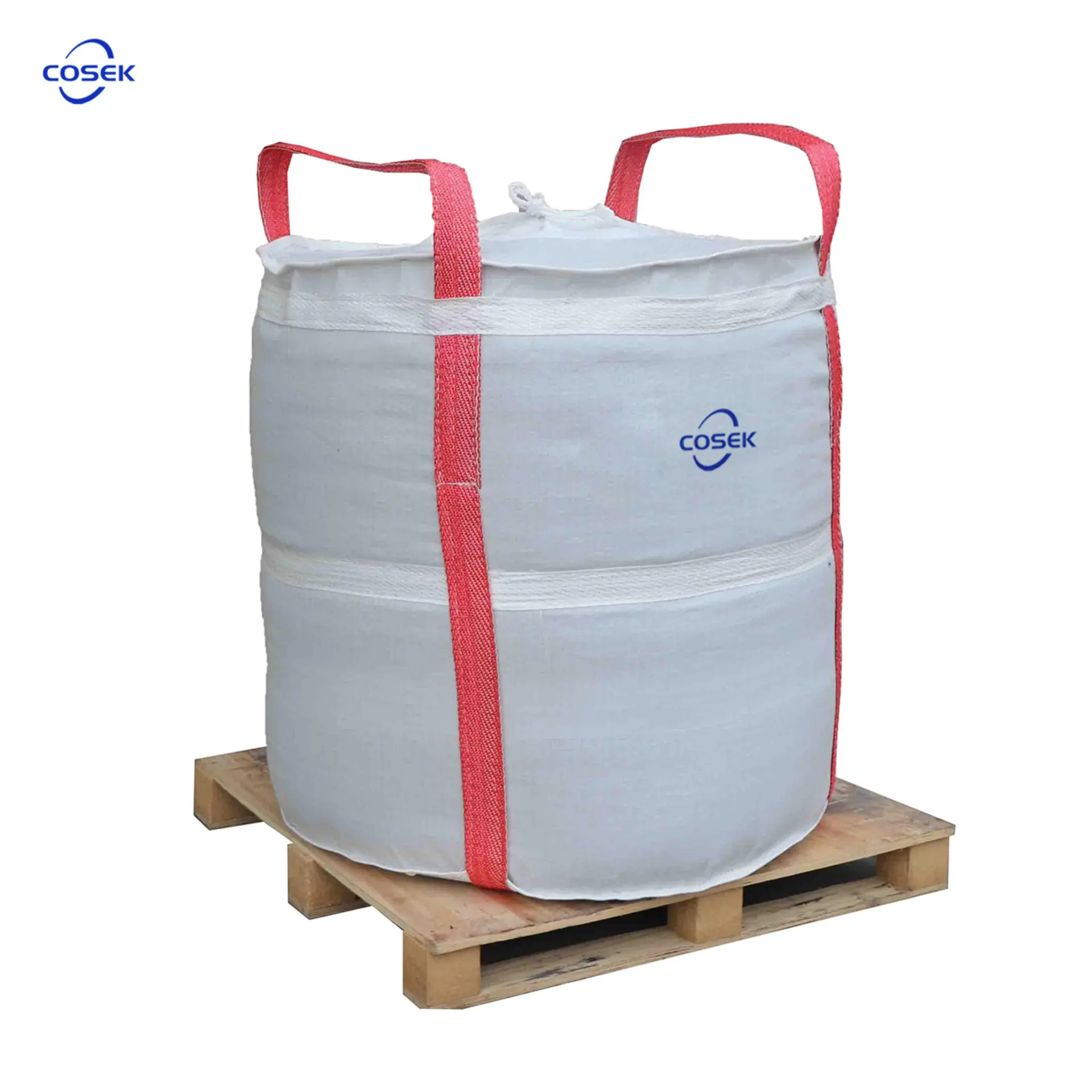
COSEK White FIBC Bulk Bag with Red Lifting Straps is made from PP woven material and is suitable for the storage and transportation of grains, feed, building materials, and other bulk goods. Its large-capacity structure, red lifting straps, and square bag design make it easier for warehouse identification, forklift handling, and stacking management.
For buyers looking to reduce fragmented packaging and improve loading and unloading efficiency, general FIBC bulk bags are a practical low-carbon packaging upgrade.
Behind Market Growth Is a Change in Purchasing Standards
Several market research organizations expect the global FIBC market to continue expanding after 2026. Growth is mainly driven by stable demand from the chemical, agricultural, food processing, construction material, and mineral industries.
At the same time, buyers in Europe, North America, and multinational supply chains are paying more attention to sustainable packaging, EPR policies, supply chain carbon emissions, and packaging recyclability. These factors are changing the way companies evaluate packaging suppliers.
This means that future competition in the bulk bag industry will no longer be limited to whether a bag can carry one ton of goods. Buyers will increasingly look at whether a packaging solution can meet comprehensive requirements, including load capacity, sealing, moisture resistance, stacking stability, recyclability, labeling, and export compliance.
Internal Reinforcement Bulk Bags Improve Loading Efficiency
In long-distance export transportation, low-carbon packaging is also reflected in space utilization. If a bulk bag expands too much after filling, it may affect stacking stability, reduce container loading efficiency, and increase transportation costs per unit of goods.
Internal reinforcement bulk bags use an internal baffle structure to help the bag maintain a more regular square shape after filling. This reduces side bulging and improves stacking stability and warehouse space utilization.
For export-oriented bulk materials such as chemical powders, plastic resins, minerals, building materials, and food ingredients, a more stable bag shape can help optimize container loading efficiency, reduce movement and damage during transportation, and improve overall supply chain performance.
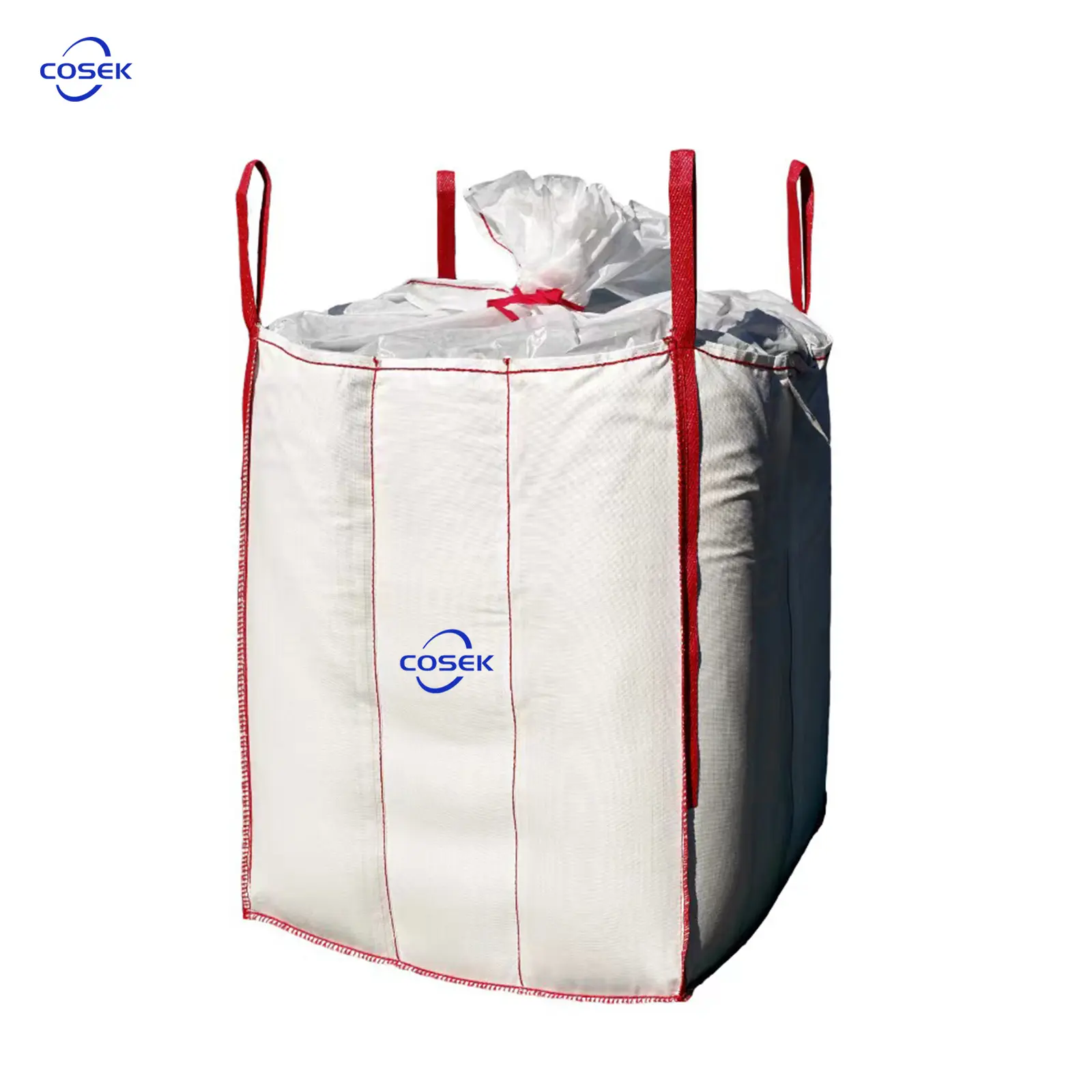
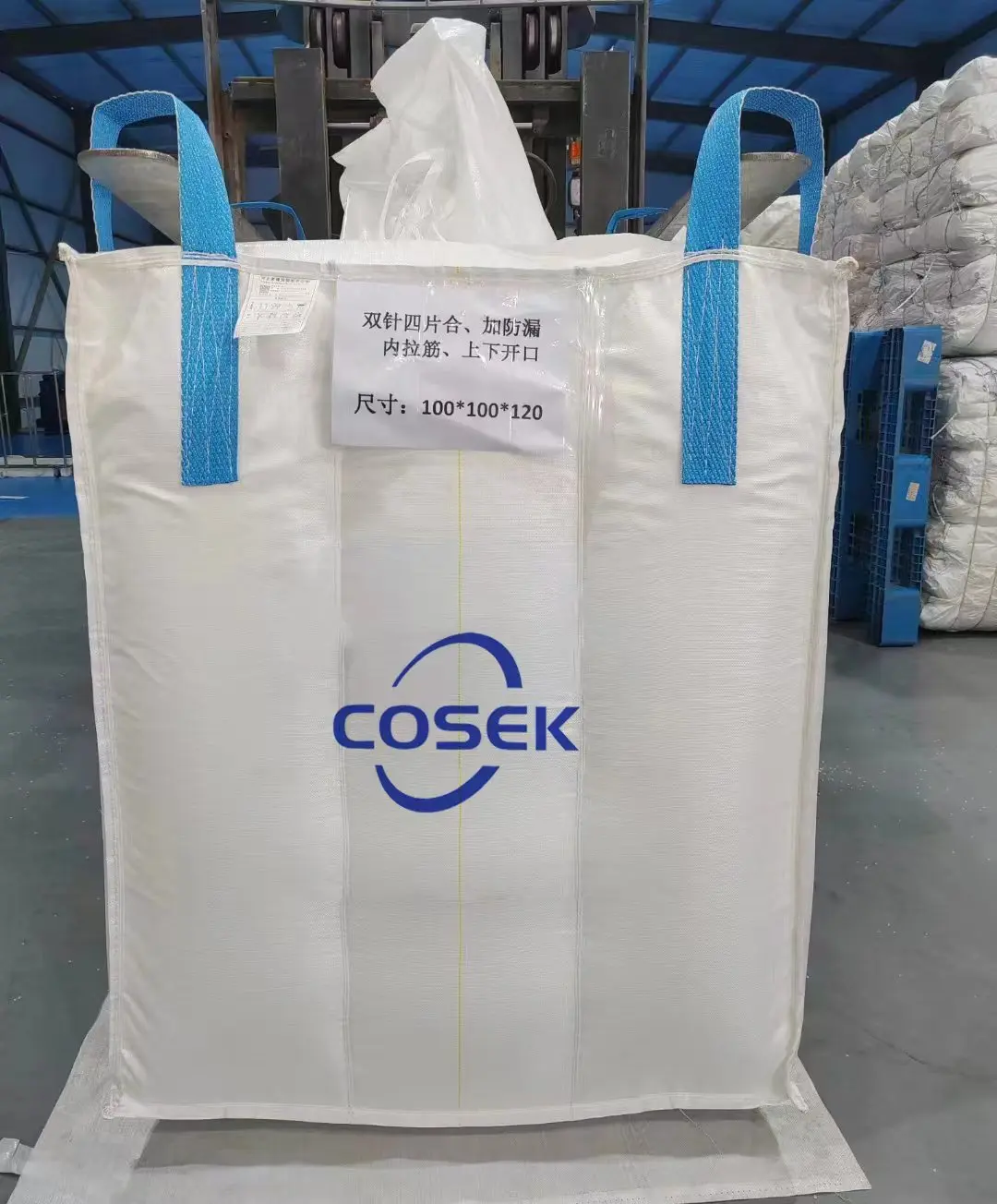
Internal reinforcement bulk bags
Recyclable Bulk Bags Are Not Just a Single Product, but a Supply Chain Solution
It is important to note that low-carbon industrial packaging does not mean all bulk bags should use the same structure. Different materials require different packaging designs.
Food ingredients often require cleanliness and foreign matter control. Chemical powders may require leakage prevention and static control. Agricultural products may need breathability or moisture protection. Minerals and building materials place greater emphasis on load capacity and abrasion resistance.
When choosing recyclable PP bulk bags, buyers should evaluate the following factors:
Whether the bag is mainly made of PP woven fabric for easier recycling classification.
Whether the bag structure fits the density, flowability, and handling method of the target material.
Whether an inner liner, moisture-proof film, conductive structure, or UN-certified dangerous goods packaging is required.
Whether the bag supports clear printing, batch identification, and export labeling.
Whether the bag can be reused or recycled while maintaining the required safety factor.
Industry Outlook: From Packaging Cost to Green Competitiveness
As global buyers continue to promote low-carbon supply chains, the value of recyclable polypropylene bulk bags will become even more important. For export companies, bulk bags are no longer just packaging materials used before shipment. They are now an important factor affecting customer experience, transportation efficiency, environmental image, and long-term purchasing trust.
For companies in the chemical, agricultural, food ingredient, mineral, and building material industries, upgrading bulk bag packaging solutions in advance can help reduce transportation and warehousing losses while building stronger supply chain competitiveness under the global low-carbon procurement trend.
Related News
Other news you might be interested in
Choosing the Right FIBC Bulk Bag: A Procurement Guide for Safer, More Reliable Packaging
Use this practical FIBC procurement guide to define your application, compare specifications and suppliers, verify compliance, and request a bag configuration that fits your operation.
Choosing the Right Bulk Bag Manufacturer for Safer, More Efficient Operations
Learn how to specify bulk bags, evaluate manufacturers, and validate quality and supply reliability to reduce operational risk and support safer, more efficient handling.
Want to know more?
Get in touch with us for more information about our services and products.