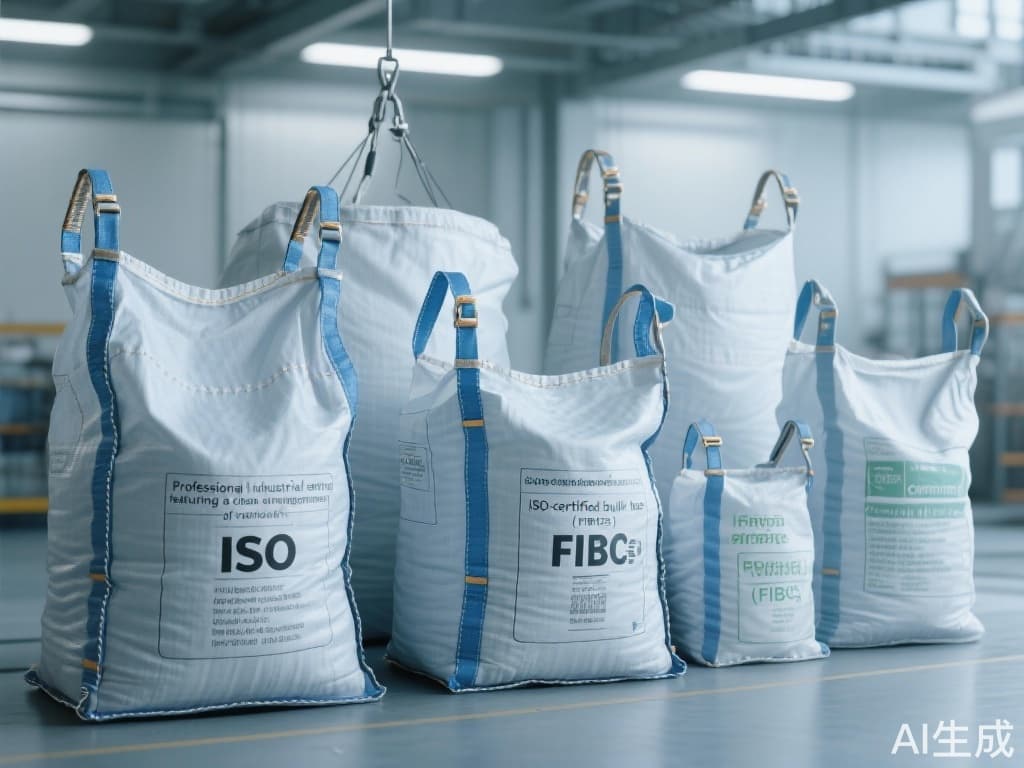
ISO-Certified Bulk Bag Solutions: Expert Guide to Selecting Industrial FIBCs for Hazardous & Food-Grade Applications (2025) #7
RUNCHEN
AuthorWith more than 25 years of experience in FIBC bulk bag manufacturing and sales, RUNCHEN operates its own production facility with stable batch capacity. We specialize in FIBC bulk bags, jumbo bags, ton bags, and customized industrial packaging solutions.
Understanding the Critical Role of ISO-Certified FIBCs in Industrial Operations
With over 15 years of experience manufacturing industrial bulk containers, we've observed how selecting the right FIBC (Flexible Intermediate Bulk Container) affects operational efficiency, safety compliance, and financial outcomes. The global FIBC market is expected to grow to $7.2 billion by 2025 (Grand View Research), with food-grade and hazardous material applications accounting for 38% of this growth. This guide is based on our expertise in supplying more than 500,000 units annually to the chemical, pharmaceutical, and food processing industries worldwide.
Case Study: Chemical Manufacturer Compliance Solution
A European potassium nitrate producer experienced a 12% product loss during transportation due to unsuitable bulk bags. After adopting our UN-certified conductive FIBCs with anti-static properties, they achieved:
- No static-related incidents (previously averaging 3 per year)
- 98.7% product integrity maintained
- Return on investment in 8 months through reduced waste
Technical Specifications Breakdown by Application Type
Hazardous Material Handling Solutions
For industries dealing with flammable substances or combustible dust, our ISO 21898-compliant designs include:
- Conductive threads (resistance of 10^3-10^5 ohms)
- Groundable lifting loops (tested to ASTM D257 standards)
- Multi-layer UV-stabilized polypropylene (minimum weight of 150g/m²)
Food-Grade Applications
To meet FDA 21 CFR 177.1520 and EU 10/2011 standards, the following are required:
- Construction using virgin resin (no recycled materials)
- Formable inner liners with heat-sealed seams of 2.5mm
- Anti-microbial treatments to extend shelf life
Implementation Guide: 5-Step Selection Process
- Material Compatibility Testing
Conduct 30-day exposure tests with your product samples - Load Capacity Verification
Our engineering team recommends:
- Static load = 5:1 safety factor
- Dynamic load = 6:1 for pneumatic filling - Discharge Requirements Analysis
Spout designs vary by viscosity:
- 45° conical for powders
- Flat-bottom for granular materials - Certification Validation
Confirm current certificates for:
- ISO 9001:2015 manufacturing
- Relevant UN/DOT approvals - Field Testing Protocol
Minimum 3-cycle trial with:
- Filled weight monitoring
- Discharge time measurements
Industry-Specific Configuration Guide
Pharmaceutical Applications
Our cleanroom-manufactured options include:
- ISO Class 8 production environment
- Gamma-ray sterilizable liners
- Lot traceability coding
Case Study: Food Processor Efficiency Gains
A frozen dessert manufacturer reduced packaging costs by 22% by switching to our aluminum-coated FIBCs for Dippin' Dots storage, achieving:
- 72-hour temperature maintenance (-20°C)
- 40% faster freezer-to-truck transfer
- Elimination of secondary packaging
Expert Resources & Compliance Checklist
Mandatory Certifications by Region
| Market | Standard | Testing Frequency |
|---|---|---|
| North America | UL 2580 | Annual |
| European Union | EN 1898 | Biannual |
| Food Contact | FDA/EC1935 | Material Change |
Maintenance Protocol
Extend FIBC lifespan with our 6-point inspection system:
- Seam integrity check (10x magnification)
- Conductivity verification (megohmmeter test)
- UV degradation assessment (colorimeter reading)
Conclusion & Professional Consultation
Selecting the right FIBC requires balancing technical specifications, regulatory requirements, and operational realities. Our team of ISO-certified packaging engineers offers complimentary application reviews, including:
- Material compatibility analysis
- Load simulation testing
- Regulatory gap assessment
Note: Performance characteristics vary based on specific environmental conditions and handling procedures. All recommendations should be validated through controlled testing.
With manufacturing facilities holding ISO 9001:2015, ISO 14001, and BRCGS Packaging certifications, we provide turnkey solutions from prototype to bulk production. Contact our technical team for your project-specific requirements.
Related News
Other news you might be interested in
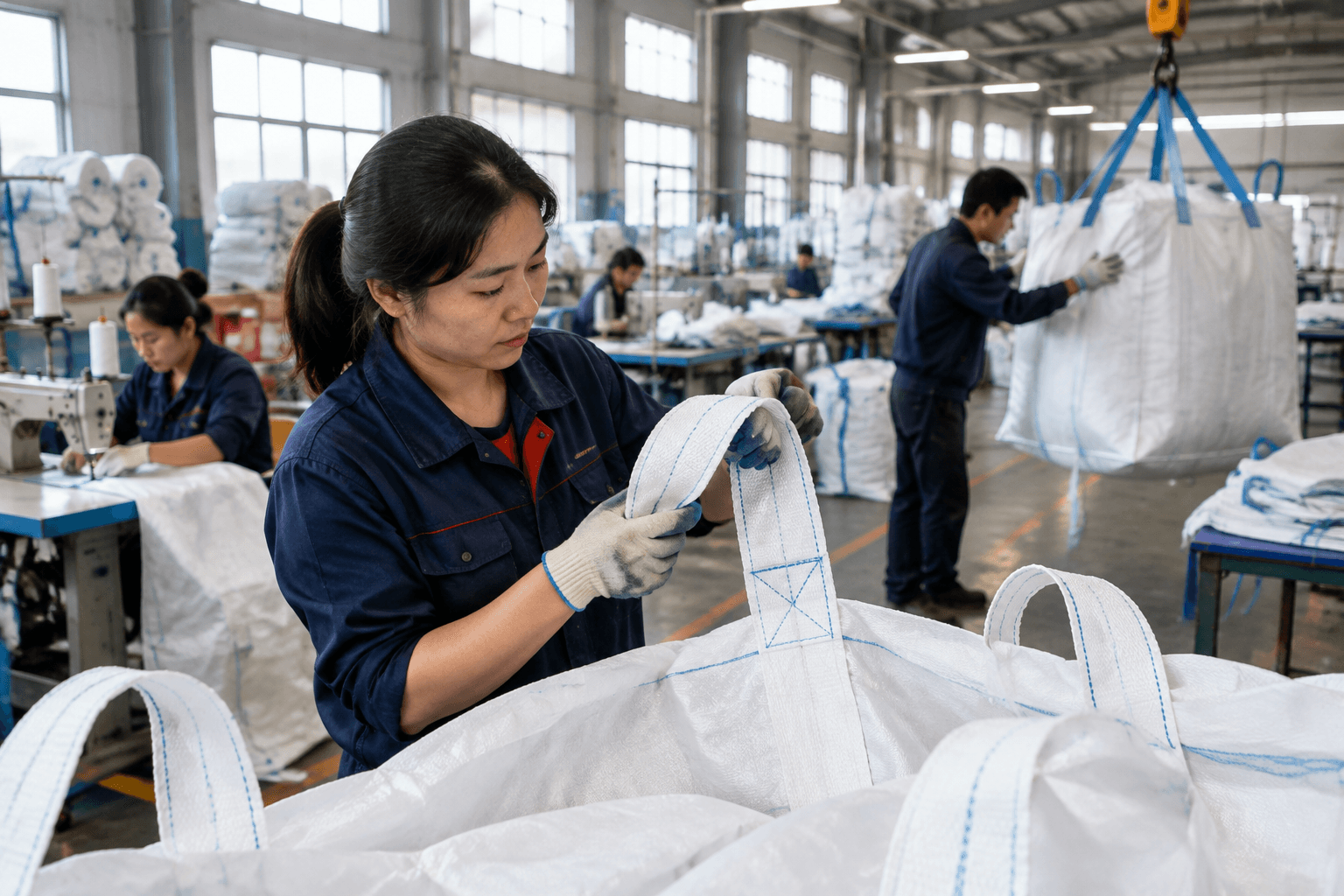
Choosing the Right Bulk Bag Manufacturer for Safer, More Efficient Operations
Learn how to specify bulk bags, evaluate manufacturers, and validate quality and supply reliability to reduce operational risk and support safer, more efficient handling.
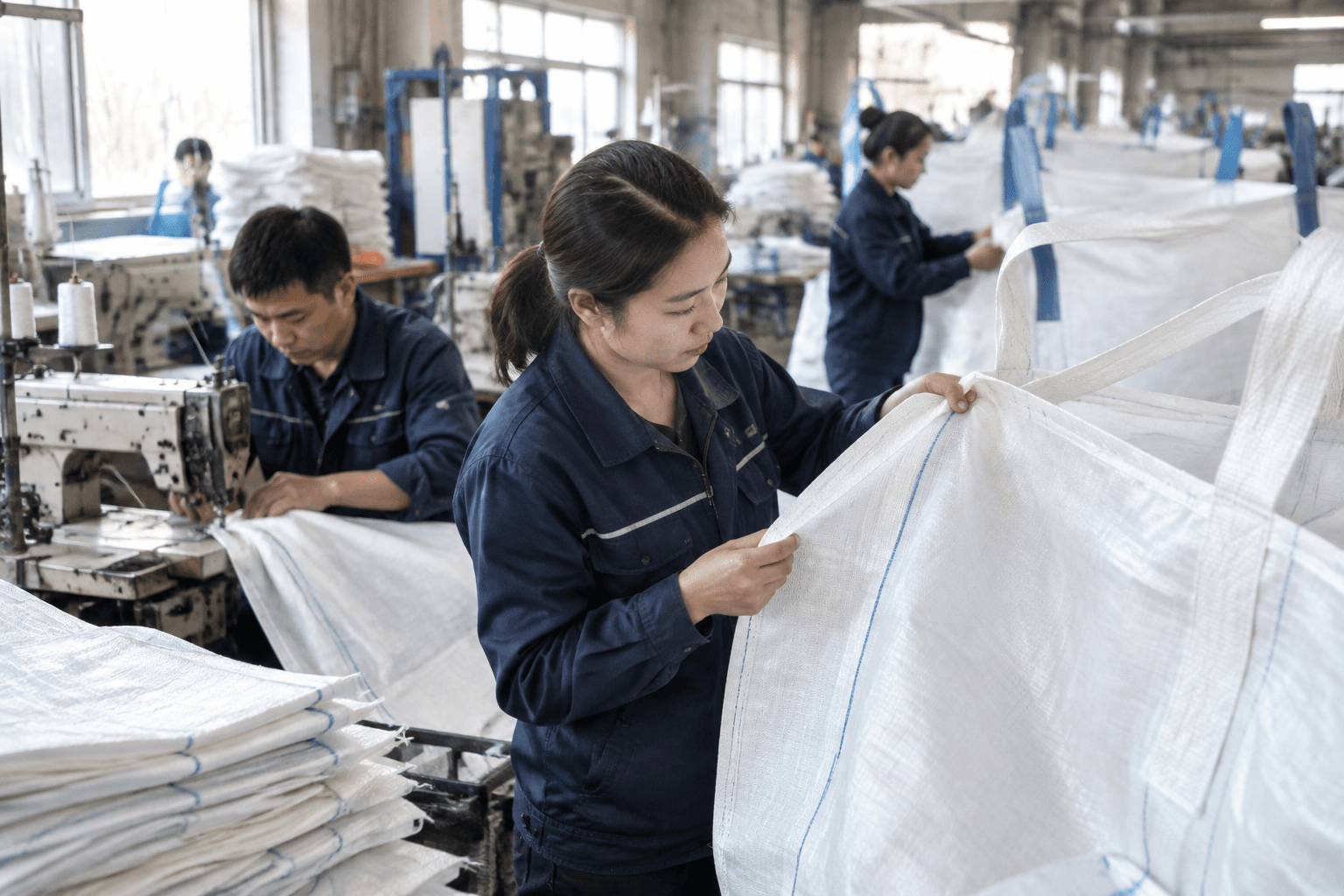
The 140th Canton Fair: New Trends in the Export Market for FIBC Bulk Bags, Jumbo Bags, and PP Woven Packaging
Explore how export buyers can evaluate FIBC bulk bags and PP woven packaging beyond unit price. Get practical guidance on specifications, supplier verification, sustainability requirements, and RFQs—and prepare your next sourcing conversation with COSEK.
Want to know more?
Get in touch with us for more information about our services and products.