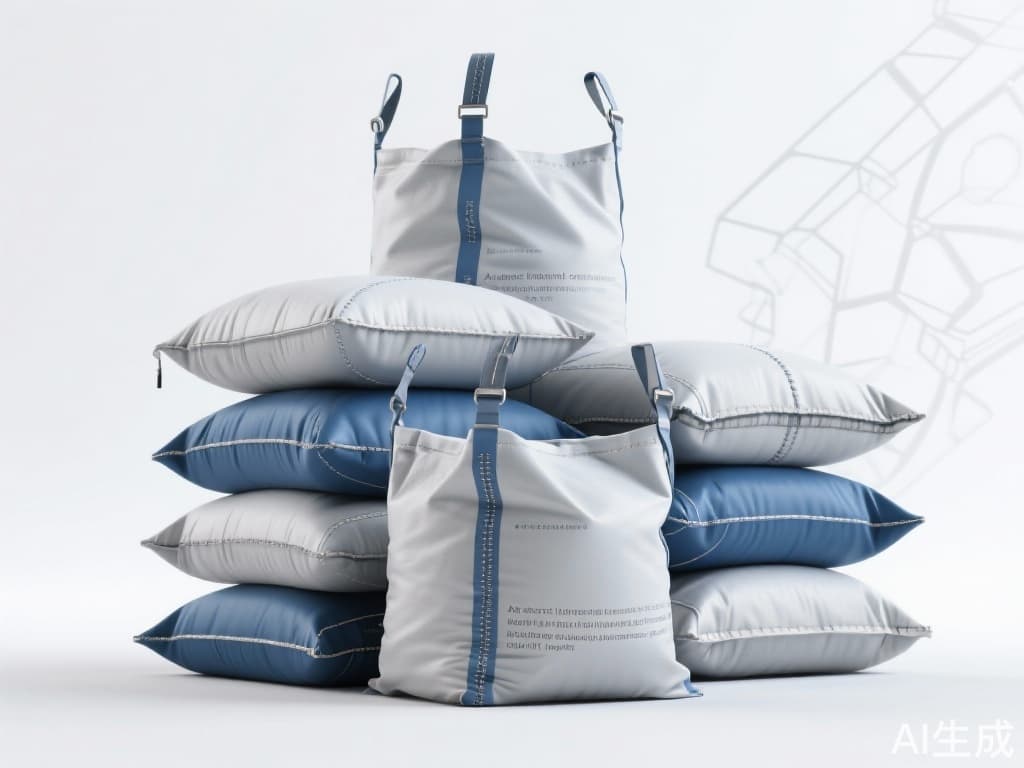
ISO-Certified Bulk Bag Solutions: Expert Guide to Selecting the Right FIBC for Your Industry in 2025 #1
RUNCHEN
AuthorWith more than 25 years of experience in FIBC bulk bag manufacturing and sales, RUNCHEN operates its own production facility with stable batch capacity. We specialize in FIBC bulk bags, jumbo bags, ton bags, and customized industrial packaging solutions.
Understanding FIBC Specifications for Different Industrial Applications
In our 15+ years of manufacturing flexible intermediate bulk containers (FIBCs), we've identified critical specification requirements that vary significantly by industry. The food-grade sector, represented by searches like "dippin dots bulk bag" and "bulk bag chips", demands Type D conductive bags with FDA-approved liners. Conversely, construction material handlers searching for "bulk bag sand" or "chippings bulk bag" typically require heavy-duty top lift designs with 6:1 safety factors.
Case Study: Food-Grade FIBC Implementation
When a major frozen dessert supplier needed "dippin dots bulk bag size" solutions, we developed custom 1,000kg capacity bags with:
- Type D static protection (ISO 284 standard)
- Food-grade polyethylene liners (FDA 21 CFR compliant)
- UV-stabilized polypropylene fabric
The solution reduced product loss by 23% compared to their previous packaging system.
Step-by-Step FIBC Selection Process
- Determine Load Characteristics
- Weight requirements (500kg - 2,000kg typical range)
- Material flow properties (free-flowing vs. cohesive)
- Identify Safety Requirements
- Static protection needs (Type A, B, C, or D per IEC 61340)
- Food contact compliance (where applicable)
- Select Lifting Configuration
- Top loops for "bulk tote bag" applications
- Four-loop designs for heavy construction materials
Industry-Specific Considerations
Chemical manufacturers require UN-certified bags (13H1/Y markings), while agricultural users searching for "bulk bag fertilizer" often opt for breathable designs with moisture barriers. Our testing shows properly specified FIBCs can increase handling efficiency by up to 40% compared to non-optimized containers.
Compliance and Certification Checklist
Ensure your FIBC supplier provides:
- ISO 9001:2015 certified manufacturing
- Third-party test reports for claimed specifications
- Traceability documentation (batch/lot numbers)
- Relevant industry certifications (FDA, EU 10/2011, etc.)
Case Study: Pharmaceutical Grade Solution
For a vaccine component manufacturer, we engineered:
- Class 1000 cleanroom-produced FIBCs
- Seamless conductive liner system
- Validated sterilization compatibility
The solution achieved 99.97% particulate containment during stability testing.
Future-Proofing Your FIBC Strategy
Emerging trends for 2025 include:
- Smart FIBCs with IoT tracking capabilities
- Biodegradable fabric options (currently in beta testing)
- Automation-compatible designs for "bulk bag filling equipment" integration
Cost-Benefit Analysis Framework
While premium FIBCs may cost 15-20% more initially, our data shows:
- 30-50% longer service life
- Reduced product loss (3-8% savings)
- Lower insurance premiums for compliant solutions
Expert Resources
Download our FIBC Specification Checklist:
- Material compatibility matrix
- Safety factor calculation guide
- Regulatory requirement summary by region
Industry Standards Reference:
- ISO 21898:2004 (FIBC design and construction)
- EN ISO 22450:2021 (recycling requirements)
- IEC 61340-4-4 (electrostatic protection)
Conclusion
Selecting the optimal FIBC requires balancing technical specifications, compliance requirements, and operational realities. As ISO 9001-certified bulk bag manufacturers, we recommend conducting annual packaging audits to ensure your solutions match evolving industry standards.
Note: Specific requirements may vary based on application details. Consult with our technical team for project-specific recommendations.
Our facility maintains:
- Class 8 cleanroom production capacity
- In-house test laboratory (ISTA 3A certified)
- Global logistics partnerships for reliable delivery
Related News
Other news you might be interested in
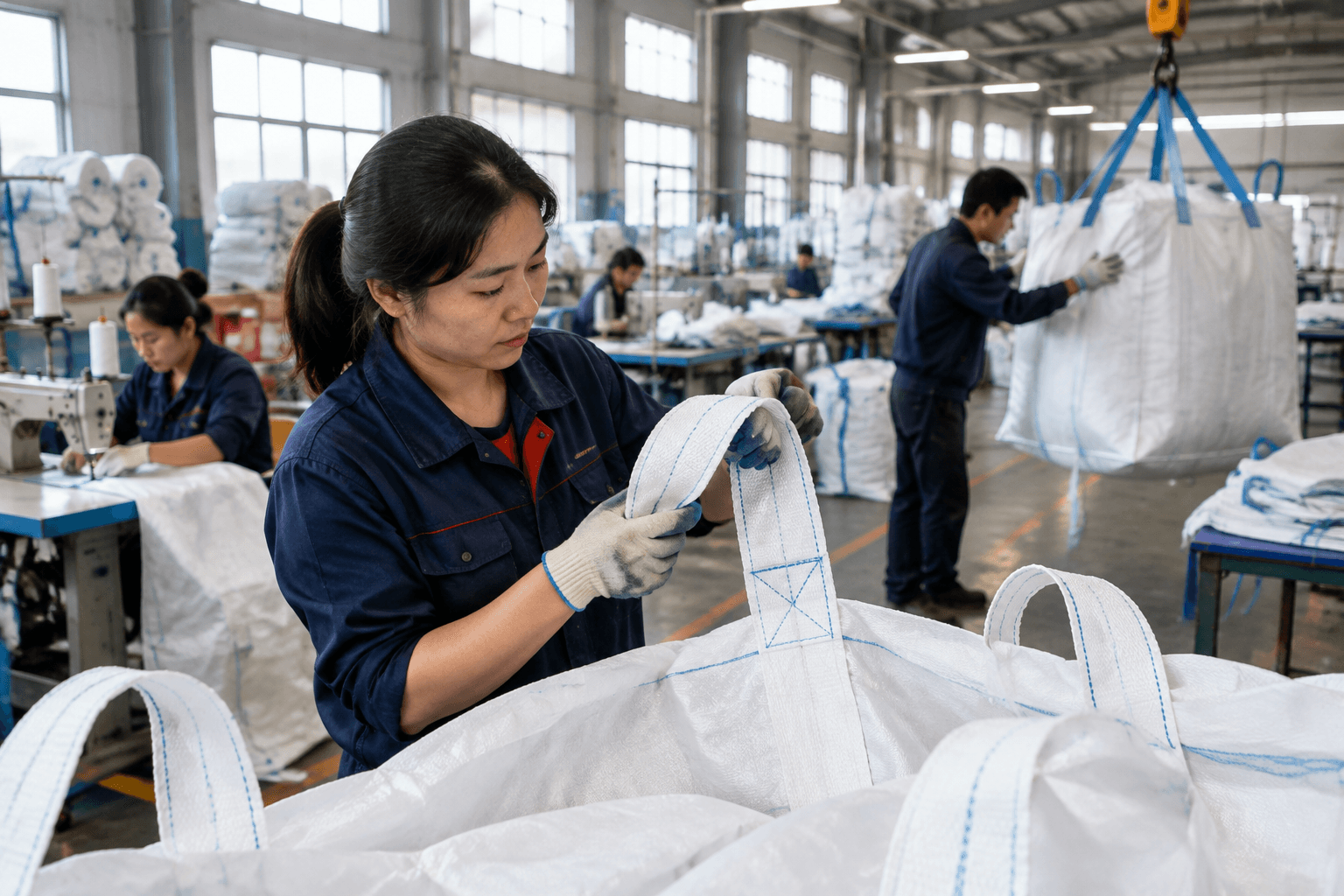
Choosing the Right Bulk Bag Manufacturer for Safer, More Efficient Operations
Learn how to specify bulk bags, evaluate manufacturers, and validate quality and supply reliability to reduce operational risk and support safer, more efficient handling.
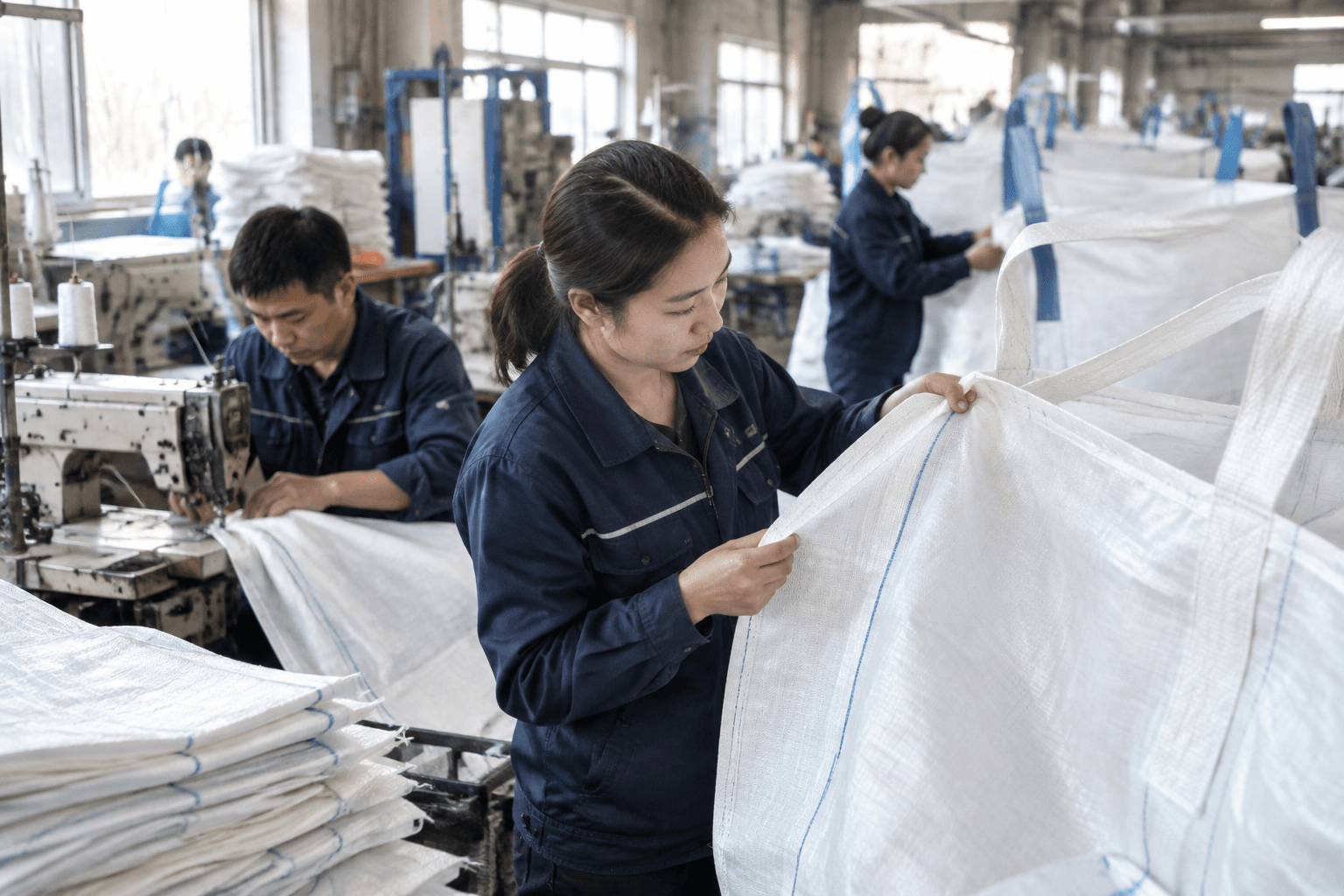
The 140th Canton Fair: New Trends in the Export Market for FIBC Bulk Bags, Jumbo Bags, and PP Woven Packaging
Explore how export buyers can evaluate FIBC bulk bags and PP woven packaging beyond unit price. Get practical guidance on specifications, supplier verification, sustainability requirements, and RFQs—and prepare your next sourcing conversation with COSEK.
Want to know more?
Get in touch with us for more information about our services and products.