Next-Generation FIBC Bags: How Smart Design Helps Powder Exporters Reduce Moisture Risk and Cargo Loss
RUNCHEN
AuthorWith more than 25 years of experience in FIBC bulk bag manufacturing and sales, RUNCHEN operates its own production facility with stable batch capacity. We specialize in FIBC bulk bags, jumbo bags, ton bags, and customized industrial packaging solutions.
Summary
As global powder export trade continues to grow, FIBC bulk bags are evolving from traditional transport packaging into more functional supply chain protection solutions. For chemical powders, mineral powders, food ingredients, feed additives, and new energy materials, moisture, caking, bag breakage, leakage, and long-cycle transportation losses have become key challenges for exporters. Through moisture-proof liners, structural reinforcement, sealing design, and scenario-based selection, next-generation FIBC bags are helping powder exporters reduce cargo loss risk and improve cross-border delivery stability.
Powder Exporters Are Facing Higher Packaging Risk
In international transportation, powdered products often go through multiple stages, including warehousing, inland transportation, container loading, ocean shipping, port transfer, and final unloading. Compared with domestic transportation, export scenarios involve longer shipping cycles, more complex environmental changes, and greater pressure on packaging.
The risks for powdered cargo do not only come from outer bag damage. Humid air may cause powder to cake, absorb moisture, or deteriorate. Friction and stacking during transportation may cause bag deformation. Improper lifting during handling may also lead to excessive localized stress. For exporters, once product quality problems occur at the destination port or customer warehouse, the losses often include cargo value, replacement costs, customer complaints, and reduced trust in future orders.
This is why more buyers are paying attention to FIBC bags with smart design instead of simply comparing the purchase price of each bag.
Moisture Control Has Become a Core Requirement
For powder exporters, moisture protection is the first barrier for delivery quality. Food ingredients, starch, fertilizer, resin powder, mineral powder, and fine chemical powders are especially vulnerable to moisture during high-humidity storage or long-distance ocean shipping.
For these applications, bulk bags with inner liner structures provide a more targeted solution. For example, Ton Bag with Inner Liner Film combines an inner liner with the outer bag structure to improve sealing and moisture resistance, helping reduce the possibility of external moisture entering the bag.
For buyers, choosing moisture-proof bulk bags should not only depend on fabric weight. It is also important to evaluate liner material, liner thickness, sealing method, filling spout structure, and discharge spout closure. Only when these details match the characteristics of the powder can the risk of moisture damage during transportation be effectively reduced.
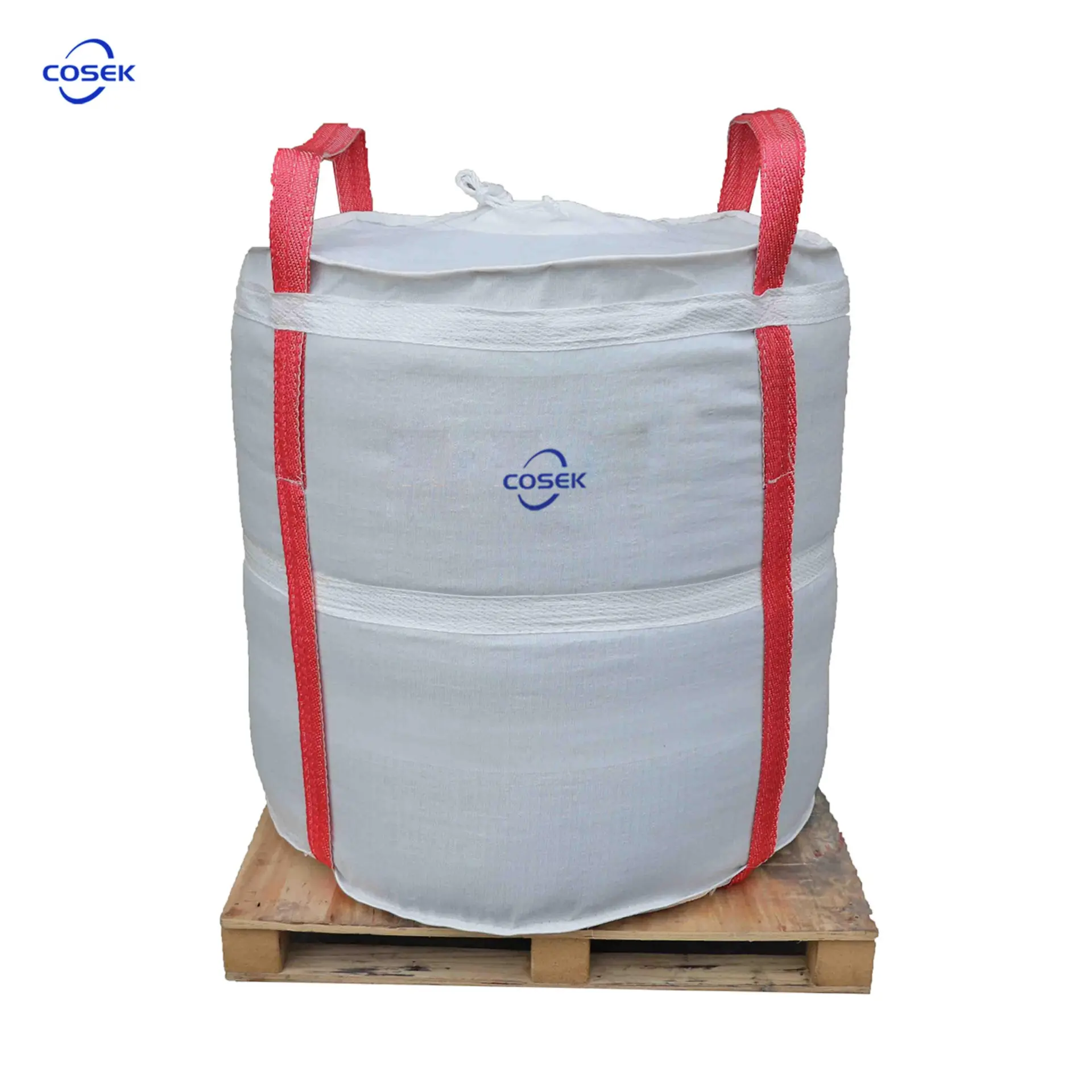
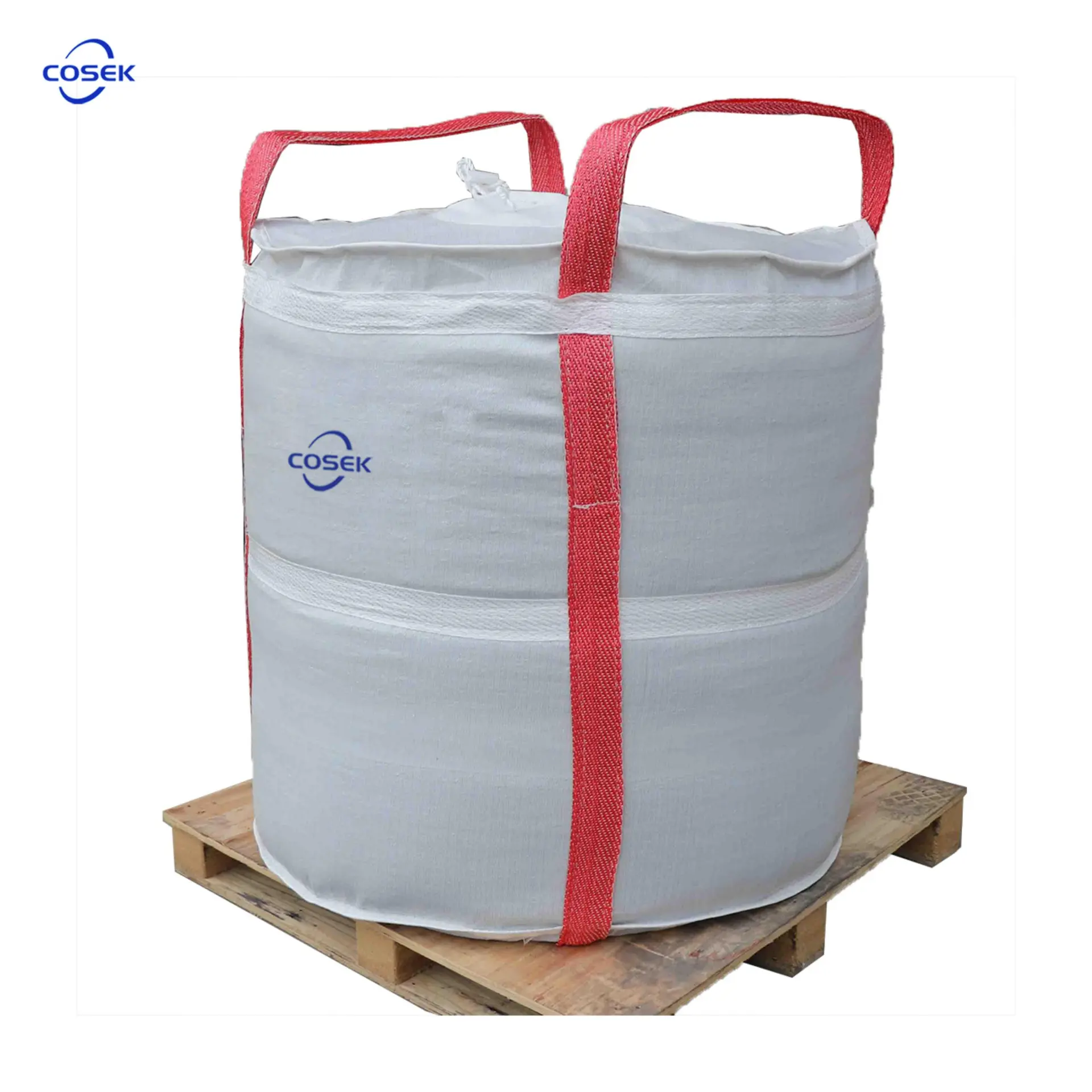
COSEK White Cylindrical Leak-Proof Bulk Bag
Structural Stability Reduces Cargo Loss During Handling
In addition to moisture protection, structural stability is also important for reducing cargo loss. After powder is filled into a bulk bag, insufficient bag support may lead to bulging, tilting, or unstable stacking during transportation. This not only affects container loading efficiency but may also increase safety risks during forklift handling and lifting.
For general powders, mineral powders, plastic granules, and industrial raw materials, exporters still need large volumes of stable and highly adaptable basic packaging solutions. Standard Bulk Bag can serve as a basic choice for regular powder transportation and is suitable for a wide range of industrial bulk material applications. For cargo that does not require special conductive, anti-static, or dangerous goods certification, standard bulk bags offer a balanced solution between load capacity, handling convenience, and cost control.
From an industry perspective, exporters are shifting from a “good enough” packaging mindset to a packaging strategy based on actual transportation scenarios. Different powders have different bulk density, flowability, loading weight, and handling methods, which means bag type, lifting loops, bottom structure, and filling/discharge spouts should also be selected accordingly.
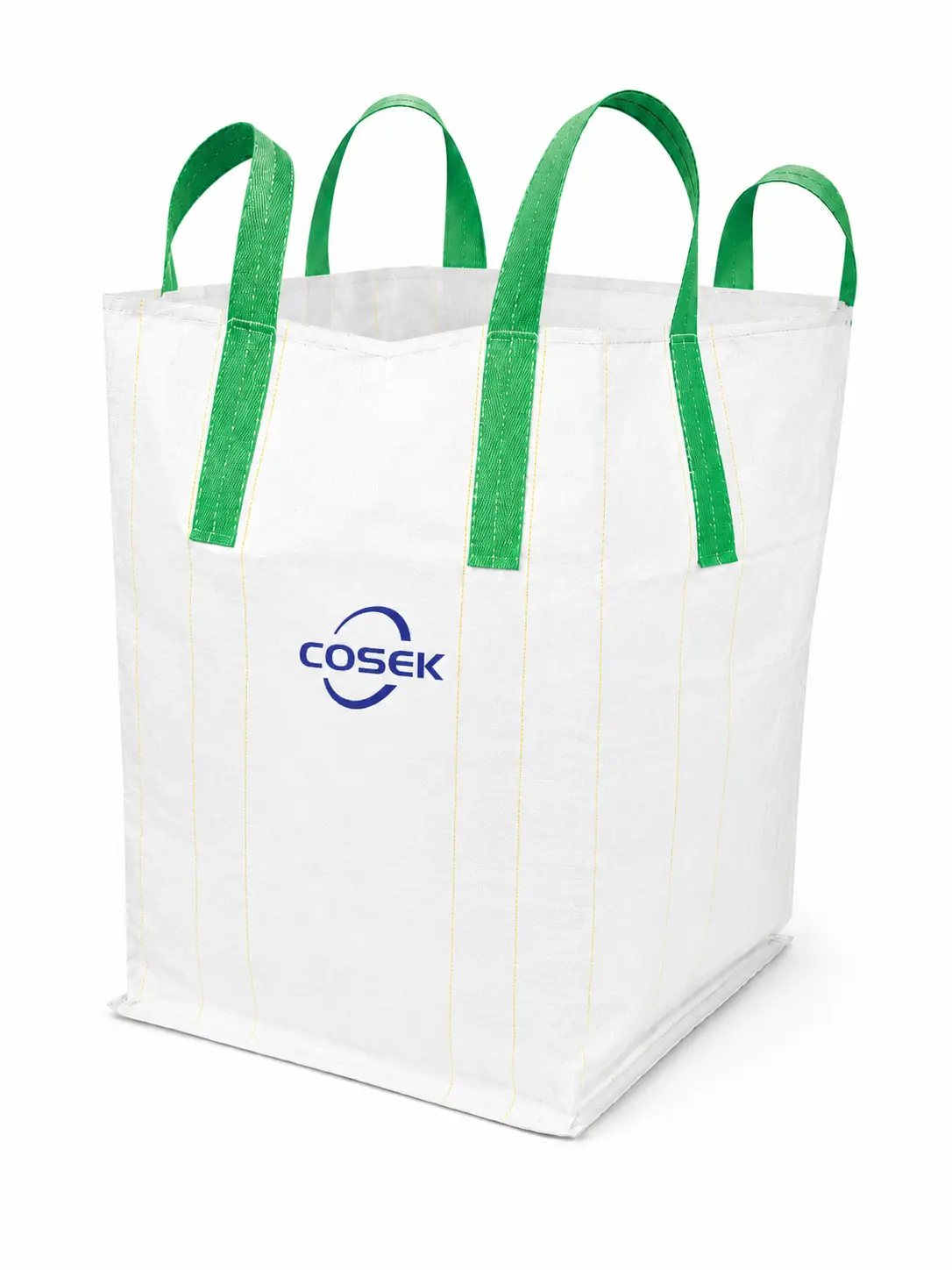
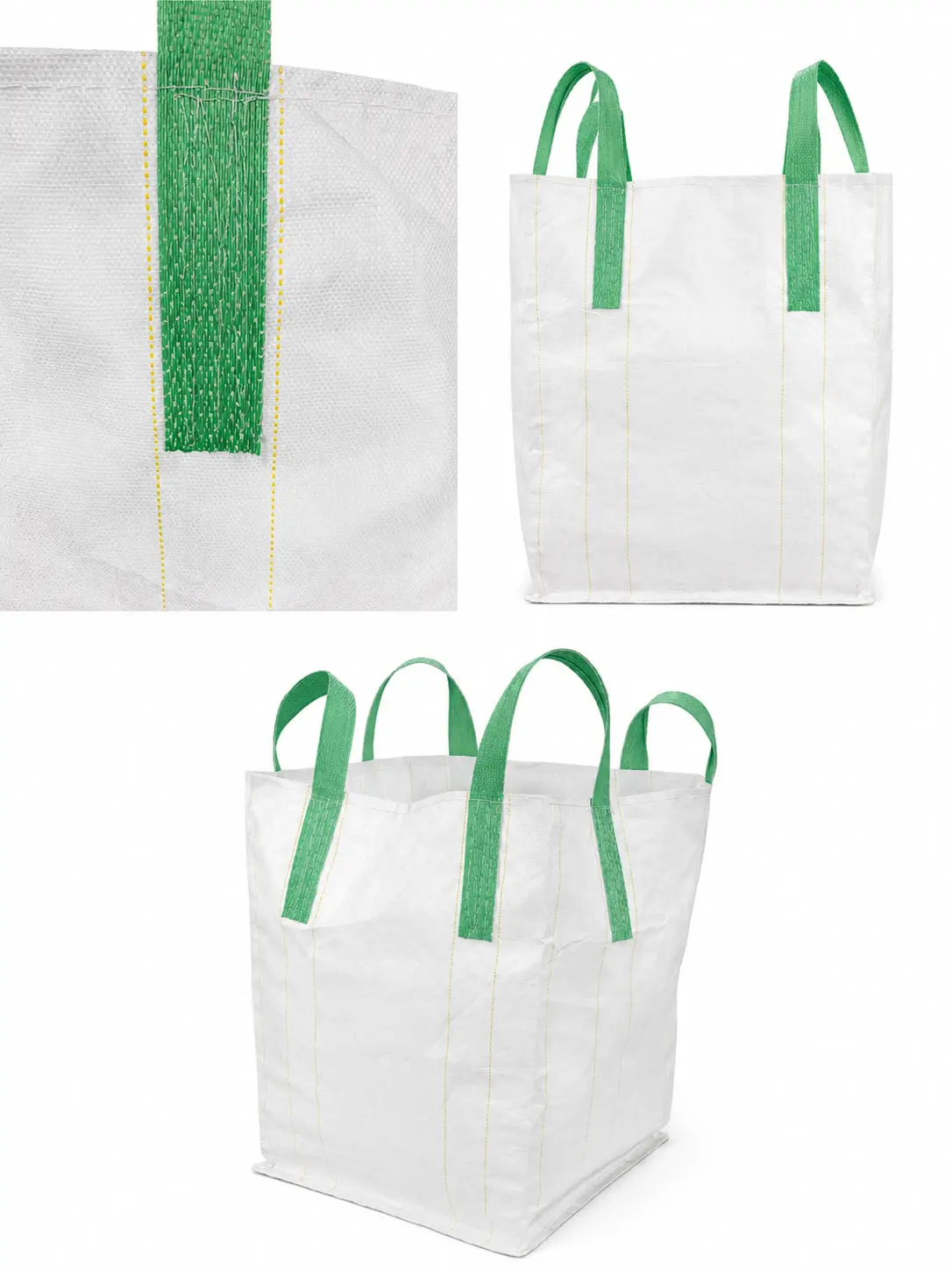
COSEK Small Bulk Bag
Smart Design Is Not Just About Adding More Material
When facing bag breakage, moisture damage, or long-distance transportation losses, many companies first think of increasing fabric weight. However, in real applications, simply making the bag thicker does not always solve the core problem.
Next-generation FIBC design focuses more on systematic matching, including:
Whether the fabric strength suits the cargo weight; Whether the liner structure meets the powder’s moisture protection requirements; Whether the bag shape is suitable for pallets, warehousing, and container loading; Whether the lifting loop structure matches the actual handling method; Whether the filling and discharge spouts can reduce leakage and dust escape; Whether food-grade, anti-static, conductive, or traceability features are required.
In other words, effective bulk bag design is not about being “thicker,” but about being “more suitable.” When the packaging structure matches the cargo properties, transportation route, and customer acceptance standards, it can more reliably reduce cargo loss.
From Packaging Cost to Supply Chain Protection
In export business, the value of bulk bags is being redefined. In the past, many purchasing decisions mainly focused on unit price. Today, more companies are beginning to calculate the total cost caused by packaging failure.
If a batch of powder cakes or absorbs moisture during ocean shipping, the result may include returns, price discounts, rework, reshipment, or even customer loss. In comparison, choosing a more suitable FIBC bag in advance can often save more hidden costs across the entire supply chain.
Therefore, when selecting bulk bags, powder exporters should provide suppliers with more complete application information, including product name, particle size, bulk density, loading weight per bag, shipping cycle, destination climate, storage conditions, and unloading method. The more complete the information, the easier it is to create a precisely matched bulk bag solution.
Industry Outlook: Next-Generation FIBC Bags Will Become More Scenario-Based
In the future, the development of the FIBC bulk bag industry will rely more on scenario-based design. Moisture-proof liners, stable bag shapes, clean production, UV-resistant materials, traceable labels, and more refined filling and discharge structures will become important directions for powder export packaging upgrades.
For powder exporters, next-generation FIBC bags are not only tools for reducing packaging breakage. They are also supply chain solutions that protect product quality, reduce customer complaints, and improve delivery stability. As global shipping cycles become longer and end customers set higher quality requirements, smart bulk bag design that reduces moisture risk and cargo loss will play an increasingly important role in international powder trade.
Related News
Other news you might be interested in
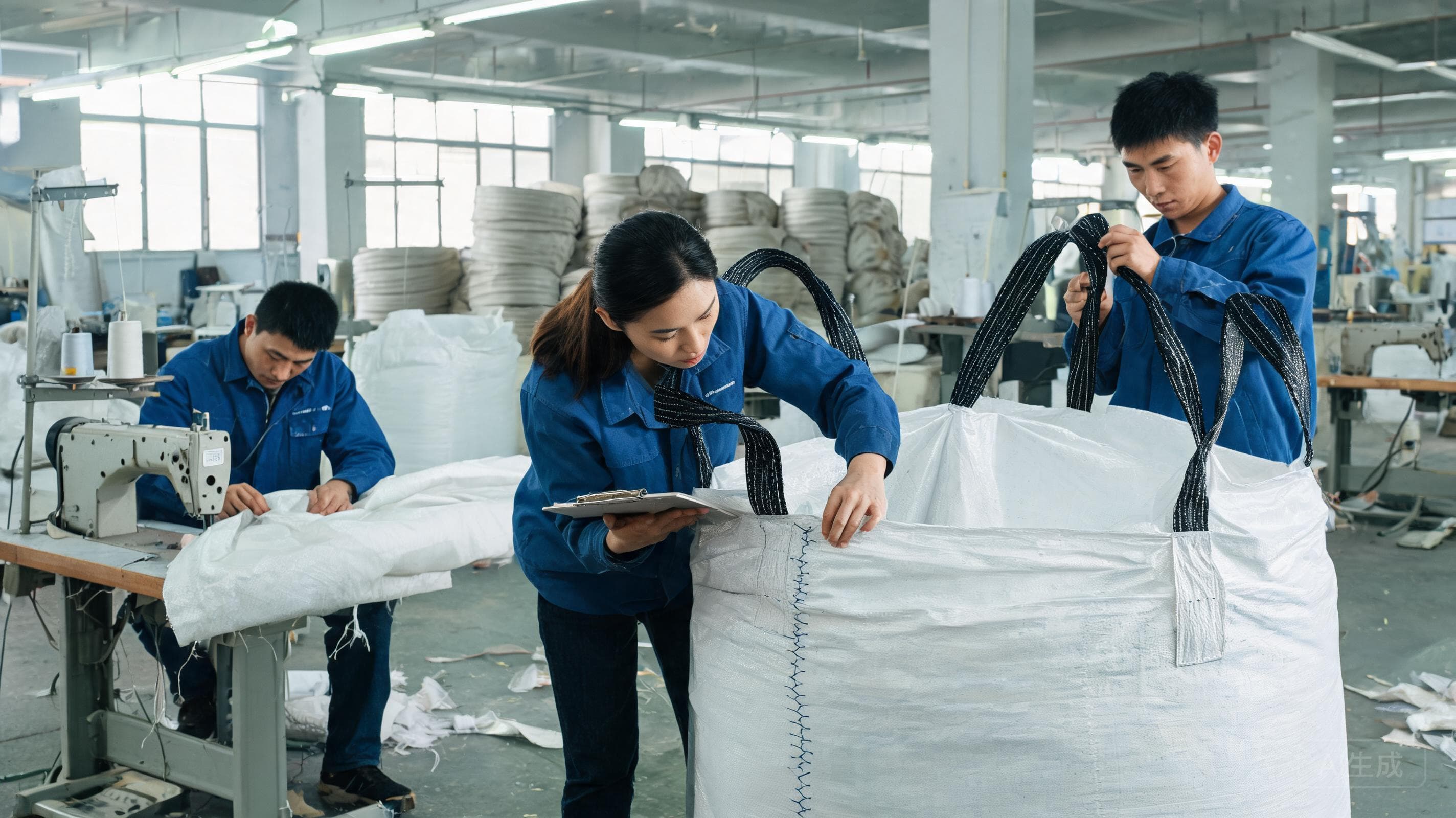
Choosing a FIBC Manufacturing Partner: Reduce Packaging Risk and Improve Supply Reliability
Learn how to specify FIBCs, assess manufacturer quality controls, and compare total costs. Use a practical RFQ checklist to reduce packaging risk and improve supply reliability.
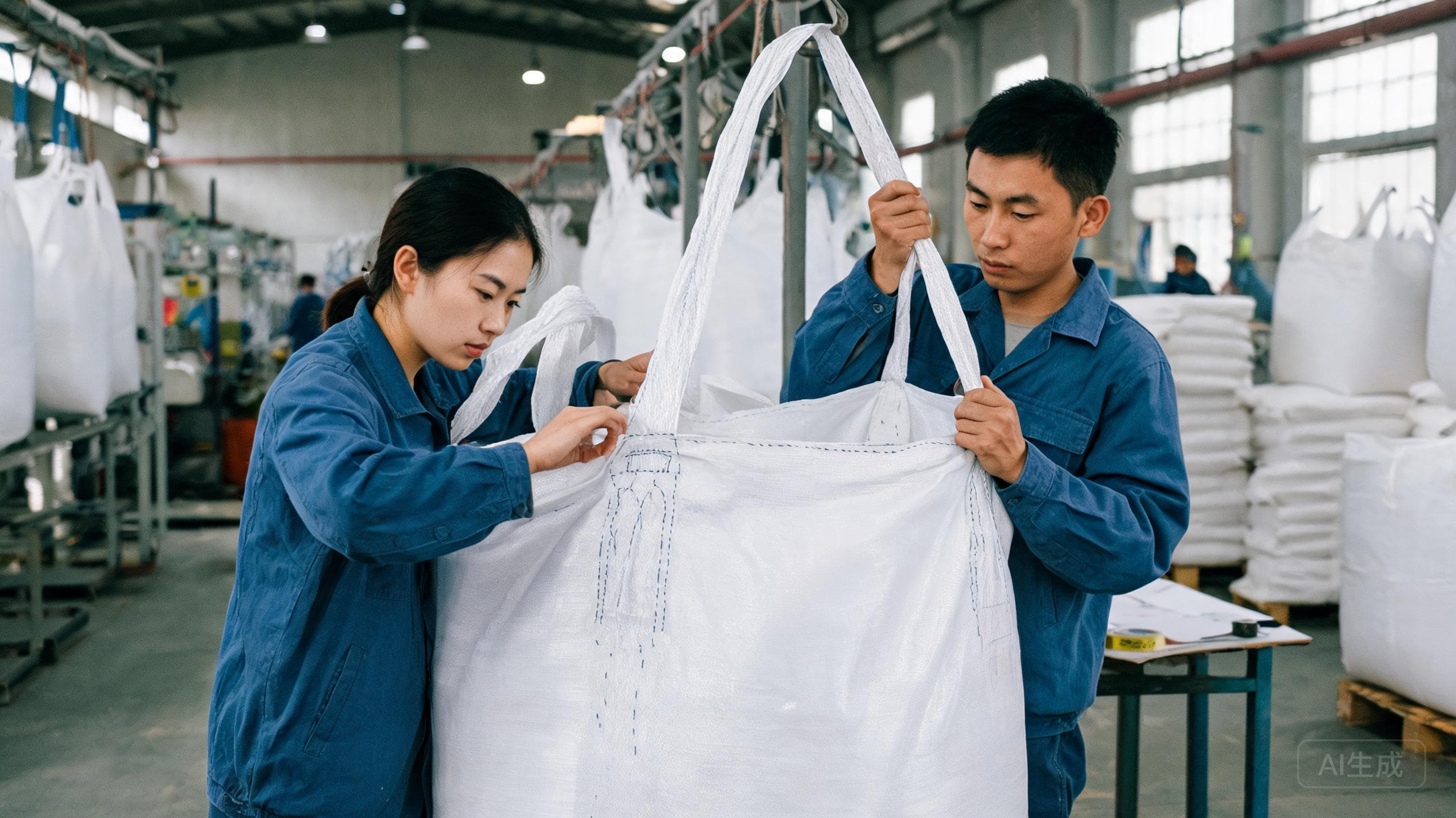
How to Choose a FIBC Manufacturer That Protects Product Quality, Compliance, and Total Cost
Use an application-led checklist to assess FIBC design, compliance, quality controls, and total cost. Compare manufacturers on verified evidence before requesting a tailored quote.
Want to know more?
Get in touch with us for more information about our services and products.