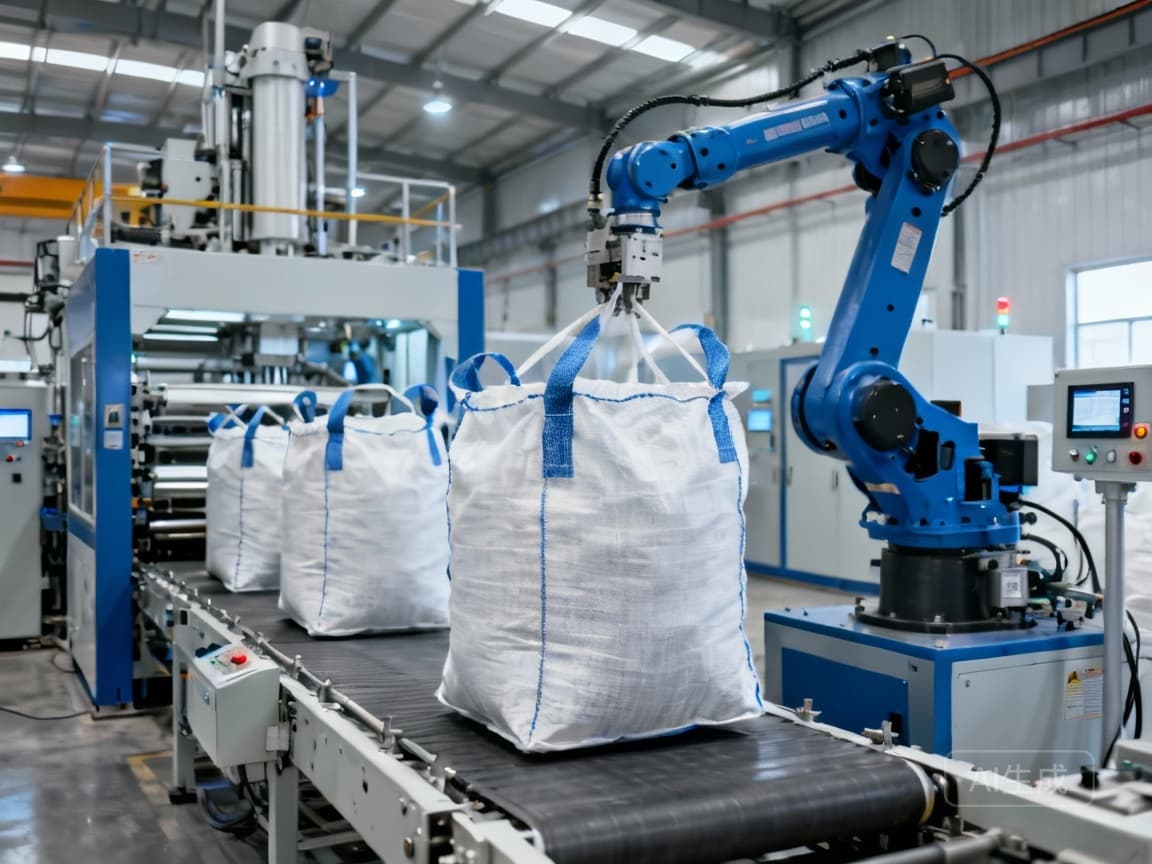
Operational Excellence in Ton Bag Manufacturing Drives 20%+ Efficiency Gains & ROI #68
RUNCHEN
AuthorWith more than 25 years of experience in FIBC bulk bag manufacturing and sales, RUNCHEN operates its own production facility with stable batch capacity. We specialize in FIBC bulk bags, jumbo bags, ton bags, and customized industrial packaging solutions.
Operational Excellence in Ton Bag Manufacturing Drives 20%+ Efficiency Gains & ROI
While most bulk bag industry discussions focus on product specifications and environmental considerations, government data and manufacturing case studies reveal a more compelling story: operational excellence drives the real ROI. With the packaging market projected to reach $218.37 billion by 2025 and growing at a 4.96% CAGR through 2030, the efficiency gap in manufacturing operations represents over $43 billion in optimization opportunities for forward-thinking companies.
The Hidden Efficiency Gap in Bulk Bag Manufacturing
Recent case studies from manufacturing operations demonstrate that significant productivity gains remain untapped in ton bag production facilities. One unnamed manufacturing enterprise implemented a comprehensive leadership training program focused on operational excellence, resulting in remarkable improvements:
- 20% productivity increase across production lines
- 18% improvement in quality metrics
- 14.5% efficiency enhancement in manufacturing processes
What makes these results particularly compelling is the rigorous ROI analysis applied. With a $300,000 investment in training, the company achieved significant returns through measurable productivity gains, proving that systematic operational improvements deliver tangible financial benefits.
The Washington State government's Results Washington program demonstrated that lean methodologies are equally effective in public sector operations, completing nearly 200 performance improvement projects with documented cost savings and efficiency gains.
Lean Manufacturing Principles Applied to Ton Bag Production
Implementing lean manufacturing principles requires a structured approach that goes beyond theoretical concepts. Based on successful implementations across manufacturing and government sectors, here's a practical framework for ton bag producers:
5S System Implementation Guide
- Sort (Seiri): Remove unnecessary items from production areas, reducing clutter and improving workflow
- Set in Order (Seiton): Organize tools and materials for efficient access, minimizing movement waste
- Shine (Seiso): Maintain clean workspaces to identify issues early and ensure equipment reliability
- Standardize (Seiketsu): Create consistent procedures across shifts and operators
- Sustain (Shitsuke): Maintain standards through regular audits and continuous improvement
The ROI calculation model used in successful implementations combines Kirkpatrick's four levels of evaluation with Phillips' ROI methodology, providing a comprehensive framework for measuring training and improvement impacts:
- Level 1: Reaction - Participant satisfaction with the training
- Level 2: Learning - Knowledge and skill acquisition
- Level 3: Application - On-the-job behavior changes
- Level 4: Impact - Business results and performance improvements
- Level 5: ROI - Financial return on investment calculations
Automation-Ready Packaging Meets Operational Excellence
The packaging market's shift toward automation-ready solutions creates both challenges and opportunities for ton bag manufacturers. With the food and beverage sector holding 54% market share and healthcare packaging growing at 7.14% CAGR, manufacturers must align operational excellence with market demands.
Successful companies are implementing AI-driven quality control systems that not only improve defect detection but also provide valuable data for process optimization. As demonstrated in industrial manufacturing cases, AI systems can:
- Accurately identify defective components and their sources
- Reduce scrap rates and rework costs through predictive analytics
- Optimize production workflows based on real-time performance data
- Identify line optimization opportunities that human observation might miss
The convergence of operational excellence and automation readiness creates a competitive advantage that extends beyond manufacturing efficiency to supply chain performance for end customers.
Practical Implementation Roadmap
Based on successful case studies and industry best practices, here's a 60-day implementation roadmap for achieving operational excellence in ton bag manufacturing:
Weeks 1-2: Assessment and Baseline Establishment
Conduct current-state value stream mapping, establish key performance indicators, and calculate baseline efficiency metrics. Document existing processes and identify quick-win opportunities.
Weeks 3-6: Leadership Development and Training
Implement structured training programs focused on lean principles, quality management, and leadership skills. Use the Kirkpatrick model to measure learning effectiveness and knowledge retention.
Weeks 7-10: Process Implementation
Roll out 5S methodology, standardize work procedures, and implement visual management systems. Begin data collection for ROI calculation and performance tracking.
Weeks 11-12: Evaluation and Continuous Improvement
Conduct comprehensive ROI analysis, document lessons learned, and establish ongoing improvement cycles. Implement regular audit processes to sustain gains.
Measuring Success and ROI
The ultimate validation of operational excellence initiatives comes through rigorous measurement. Successful organizations track:
- Productivity metrics: Output per labor hour, machine utilization rates
- Quality indicators: Defect rates, customer returns, first-pass yield
- Financial performance: Cost per unit, return on investment, working capital efficiency
- Customer impact: On-time delivery, order accuracy, customer satisfaction scores
The documented 20% productivity gains and 18% quality improvements demonstrate that operational excellence isn't just theoretical—it's financially measurable and operationally achievable. For ton bag manufacturers facing increasing pressure from e-commerce growth and automation demands, investing in operational excellence represents both a strategic imperative and a significant competitive advantage.
As the packaging industry continues its rapid growth, with e-commerce driving demand for durable, automation-ready solutions, manufacturers who embrace operational excellence will be positioned to capture market share while delivering superior value to customers through improved efficiency, quality, and reliability.
Related News
Other news you might be interested in
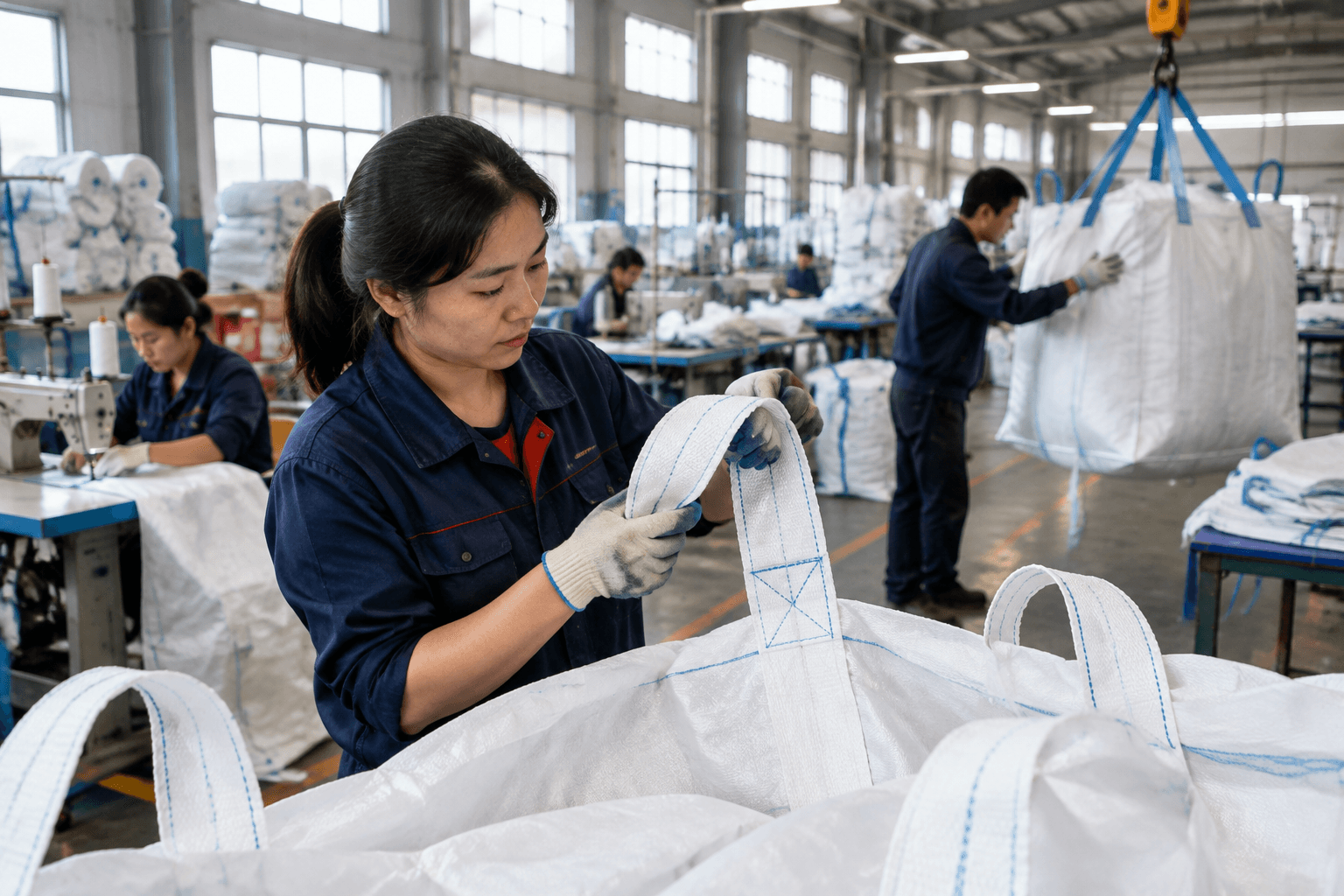
Choosing the Right Bulk Bag Manufacturer for Safer, More Efficient Operations
Learn how to specify bulk bags, evaluate manufacturers, and validate quality and supply reliability to reduce operational risk and support safer, more efficient handling.
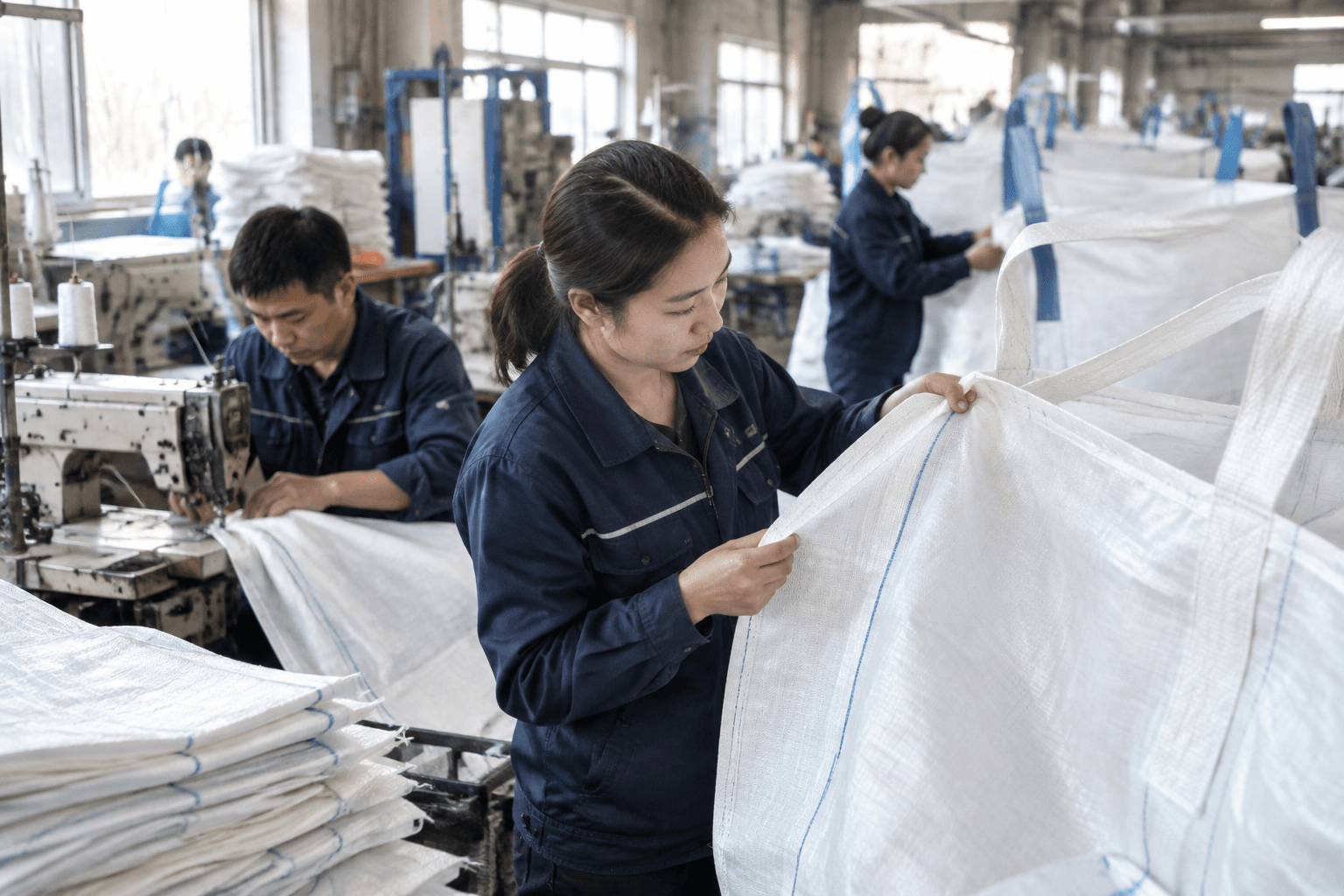
The 140th Canton Fair: New Trends in the Export Market for FIBC Bulk Bags, Jumbo Bags, and PP Woven Packaging
Explore how export buyers can evaluate FIBC bulk bags and PP woven packaging beyond unit price. Get practical guidance on specifications, supplier verification, sustainability requirements, and RFQs—and prepare your next sourcing conversation with COSEK.
Want to know more?
Get in touch with us for more information about our services and products.