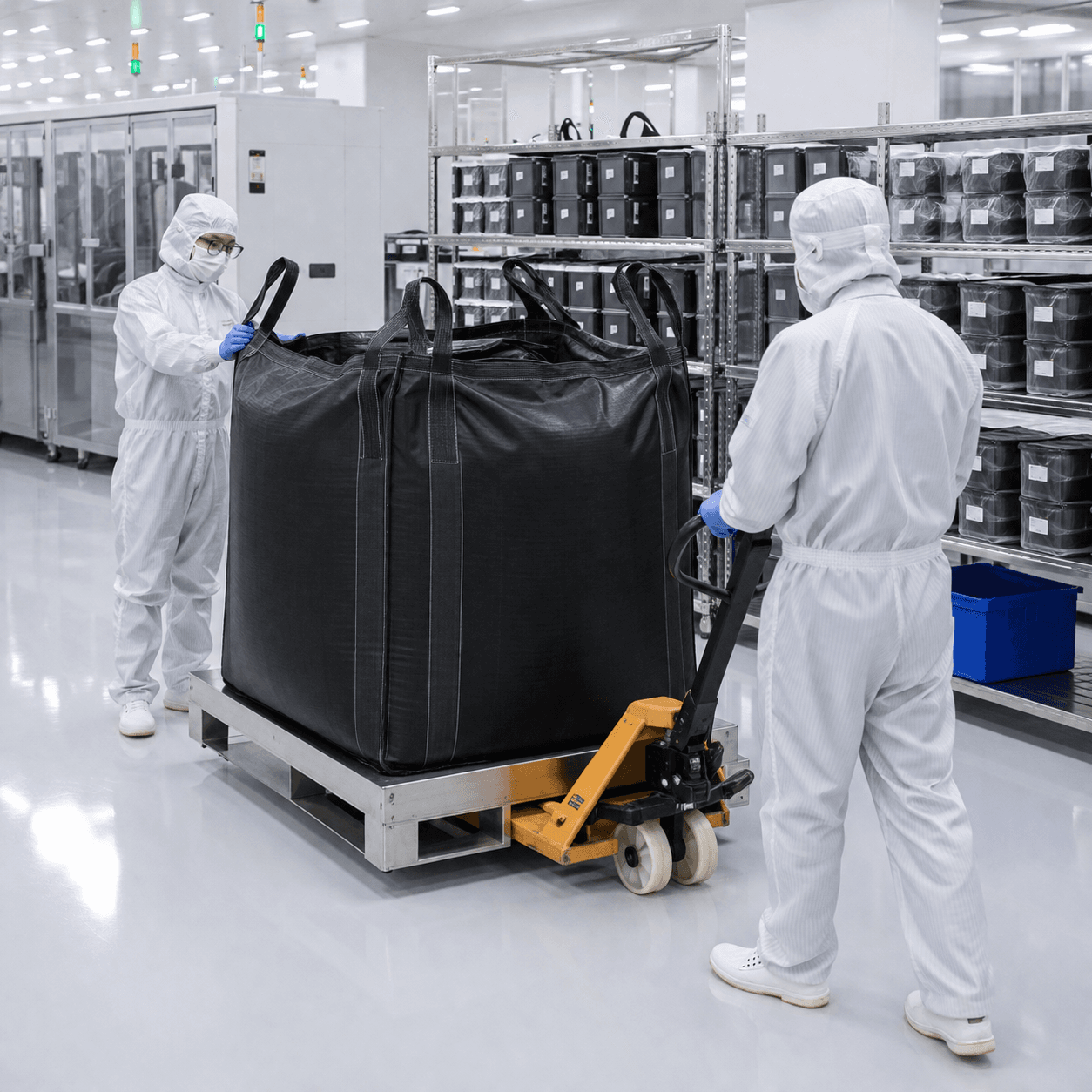
Rising Demand for Anti-Static and Conductive Bulk Bags: New Energy and Chemical Bulk Transport Drives Global Safety Standard Upgrades in 2026
RUNCHEN
AuthorWith more than 25 years of experience in FIBC bulk bag manufacturing and sales, RUNCHEN operates its own production facility with stable batch capacity. We specialize in FIBC bulk bags, jumbo bags, ton bags, and customized industrial packaging solutions.
Industry Trend: Booming New Energy and Chemical Sectors Make Conductive FIBCs Mandatory Packaging
In 2026, the global bulk powder trade continues to expand. Electrostatic fire incidents involving lithium battery raw materials and fine chemical combustible powders during storage, filling and cross-border sea transportation have drawn regulatory attention from multiple countries. The International Bulk Packaging Association has updated FIBC anti-static specifications, and chemical parks in Europe, America, Southeast Asia and the Middle East have successively introduced new electrostatic protection regulations for storage and transportation. Traditional ordinary polypropylene bulk bags are gradually phased out of high-risk material transportation scenarios, and procurement volumes of anti-static and fully conductive bulk bags have increased significantly year-on-year.
The lithium battery industry chain serves as the core growth engine. Ultrafine powders such as lithium carbonate, graphite and lithium iron phosphate are highly prone to electrostatic sparks due to friction; chemical raw materials such as dyes, resins and pharmaceutical intermediates also carry flammable and explosive risks. Buyers worldwide explicitly require packaging with complete electrostatic discharge structures and third-party anti-static test certificates at the inquiry stage. Bulk bags without compliant conductive structures will directly fail customs clearance, and the industry’s demand for safety packaging has entered a concentrated release period.
Standard Innovation: Global Anti-Static FIBC Classification System Tightens in 2026, Raising Export Certification Thresholds
This year, the global four-level (Type A/B/C/D) anti-static FIBC testing standards have been comprehensively improved, with stricter requirements on four core testing items: bag surface resistance, conductive filament arrangement, wear and aging resistance, and load-bearing discharge safety.
EU REACH and US OSHA have simultaneously strengthened port cargo sampling inspections. All FIBCs used for hazardous powder transportation must be clearly marked with anti-static grades and accompanied by complete test reports. Newly built lithium battery factories in Southeast Asia and petrochemical bases in the Middle East have also implemented local packaging access systems, and low-cost simple anti-static bags are gradually being eliminated by the market.
Against this policy backdrop, source factories with standardized production and complete anti-static qualifications highlight their competitive advantages. Two flagship explosion-proof conductive bulk bags on our site precisely match the latest international standards and cover transportation needs of materials with different hazard levels.
Conductive Ton Bag
This product is exclusive packaging for new energy lithium battery raw materials. It features a fully woven conductive yarn mesh, matched with integrated conductive lifting loops and a bottom grounding discharge port. The surface resistance of the bag body is stably controlled within the safe conductive range, which can quickly discharge static electricity generated during transportation.
Applicable scenarios: Long-distance sea transportation and factory cycle turnover of ultrafine lithium battery powders such as graphite powder, lithium carbonate and silicon anode materials. The thickened tear-resistant bag body, paired with an anti-seepage inner liner, combines anti-static and dust leakage prevention functions. It fully meets the procurement standards of European and American power battery enterprises, and supports batch customization of dimensions and inlet/outlet structures.
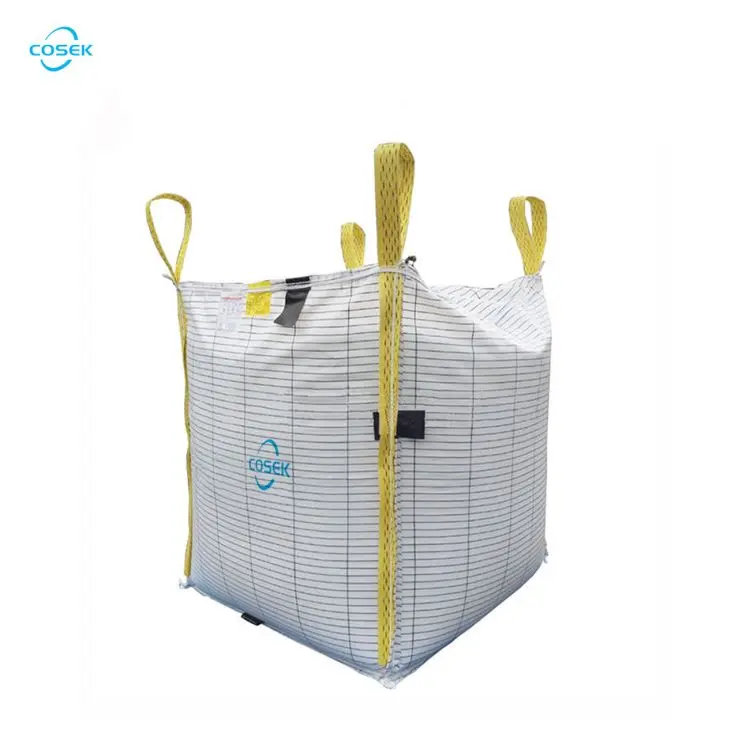
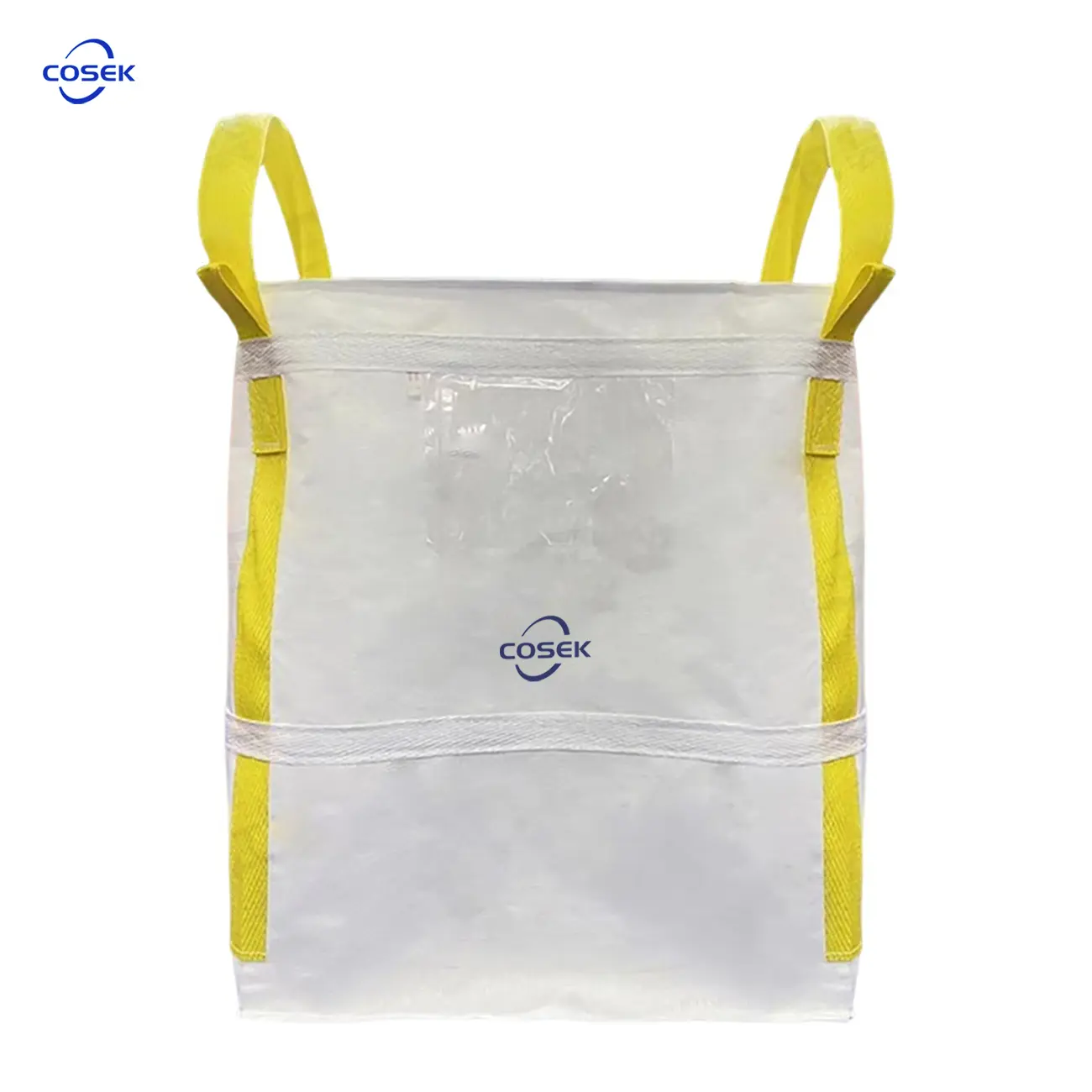
Conductive Ton Bag
COSEK Black Anti-Static Bulk Bag
Designed for bulk storage and transportation of medium and low hazard combustible powders in fine chemicals, pesticides and powder coatings, the bag body is evenly arranged with continuous conductive filaments. Static electricity can be quickly discharged through an external grounding device, delivering cost-effective performance with strong compliance.
Applicable scenarios: Storage and turnover of dye granules, resin powder, food additives and other combustible powders. It can be used with conductive pallets, has passed multiple international anti-static safety tests, and features moisture resistance, UV resistance and heavy-load wear resistance, making it the mainstream choice for small and medium-sized chemical export enterprises.
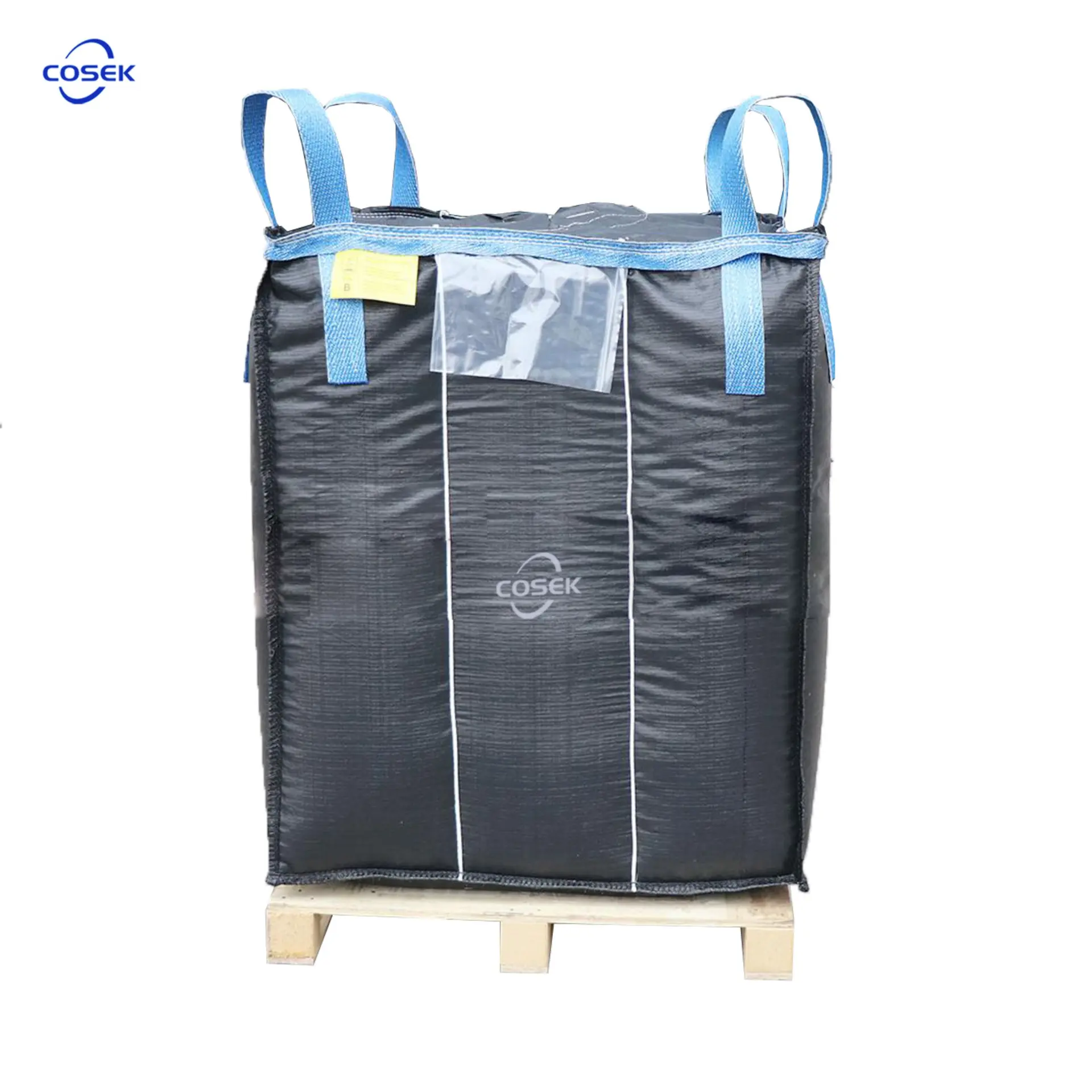
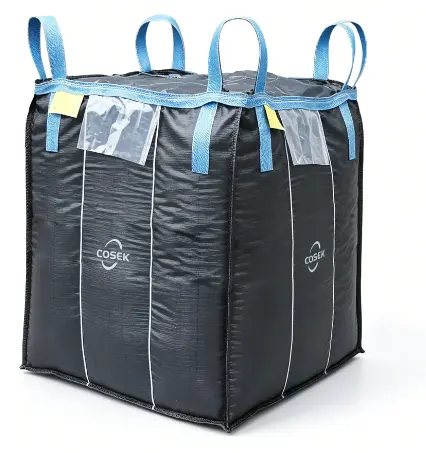
COSEK Black Anti-Static Bulk Bag
Market Shift: Overseas Procurement Logic Changes, Safety Certification and Custom Solutions Become Core Indicators
In 2026, the procurement logic of overseas buyers has changed significantly. Instead of simply comparing product unit prices, they prioritize checking anti-static classification, third-party test reports and factory ISO production qualifications.
Leading new energy and chemical enterprises tend to establish long-term fixed cooperation with manufacturers capable of customizing special bulk bags. They put forward personalized transformation demands for special working conditions such as ultrafine powders, highly corrosive materials and long-term sea storage, including sealed discharge, multi-layer anti-seepage and outdoor weather resistance.
Meanwhile, the ESG green procurement trend has also spread to the bulk bag industry. Demand for recyclable modified conductive PP fabrics is gradually rising, and orders for products with both conductive performance and eco-friendly recyclability grow significantly faster than ordinary conductive bulk bags.
Four Major Future Development Trends of the Industry
- Specialized product segmentation: Segments such as Type D conductive bulk bags for lithium batteries and Type C anti-static bulk bags for chemicals will continue to expand, while the market share of general-purpose packaging will keep shrinking.
- Normalized regulation: Global electrostatic storage and transportation safety standards will continue to tighten, and complete anti-static certification will become the basic threshold for exports.
- Continuous process iteration: Low-resistance conductive masterbatch and integrated conductive weaving processes will gradually become popular, continuously upgrading the explosion-proof safety performance of bulk bags.
- Popular one-stop packaging solutions: Suppliers that can simultaneously provide bulk bags, conductive inner liners and conductive pallets will see greater growth potential in overseas orders.
Conclusion
Driven by the expansion of the new energy industry, the growth of global chemical trade and the upgrading of international safety standards, the anti-static conductive bulk bag market has a clear long-term upward trend. For export enterprises, choosing source products that comply with the 2026 new anti-static classification standards and have mature mass production capacity can not only avoid risks of cargo detention and safety accidents, but also better seize the growth opportunities of global high-risk bulk material packaging. Our Type C and Type D anti-static bulk bag series can cover most chemical and new energy material storage and transportation scenarios, support drawing customization, batch delivery and full set of test certificates, and adapt to procurement compliance requirements of multiple countries around the world.
Related News
Other news you might be interested in
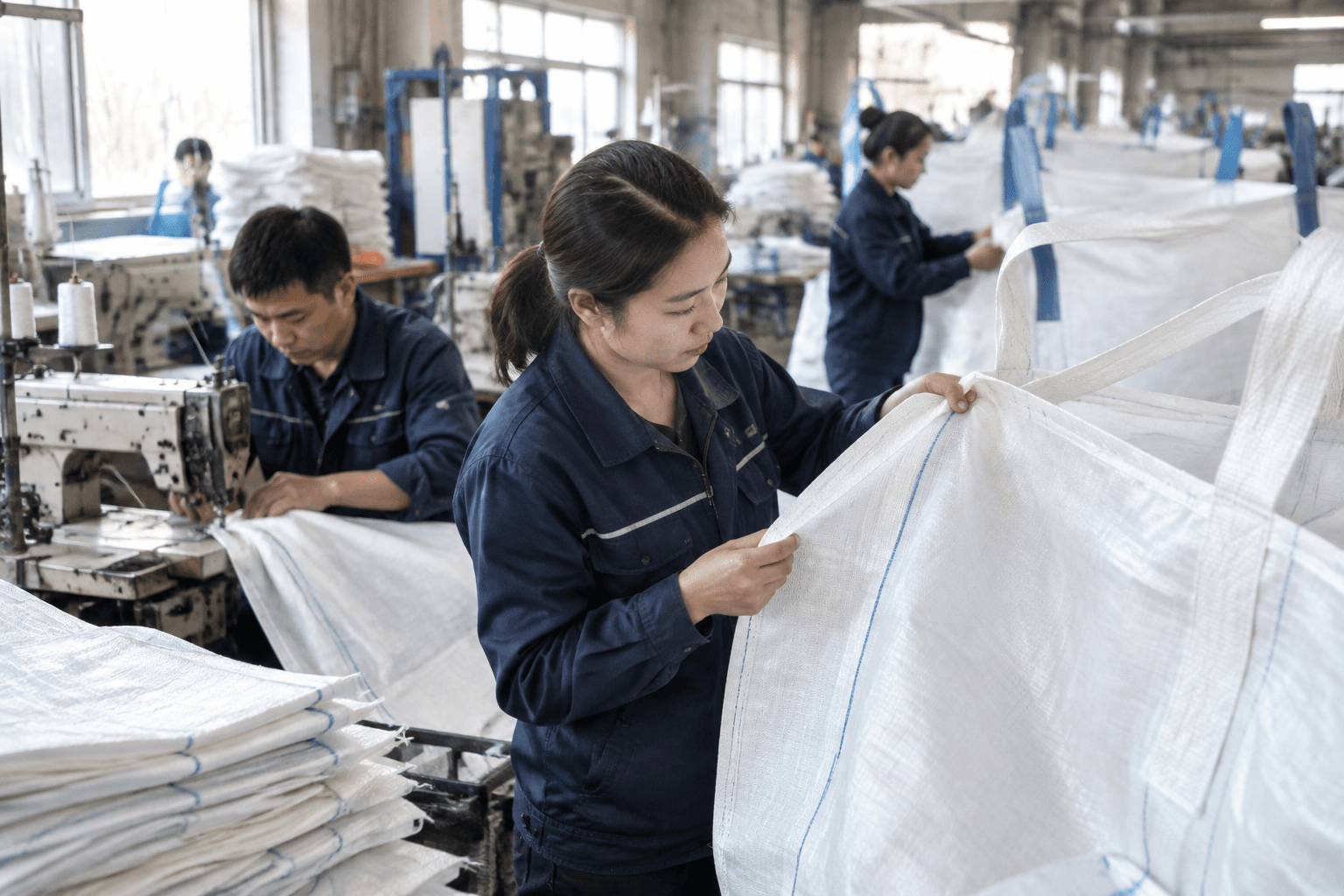
The 140th Canton Fair: New Trends in the Export Market for FIBC Bulk Bags, Jumbo Bags, and PP Woven Packaging
Explore how export buyers can evaluate FIBC bulk bags and PP woven packaging beyond unit price. Get practical guidance on specifications, supplier verification, sustainability requirements, and RFQs—and prepare your next sourcing conversation with COSEK.
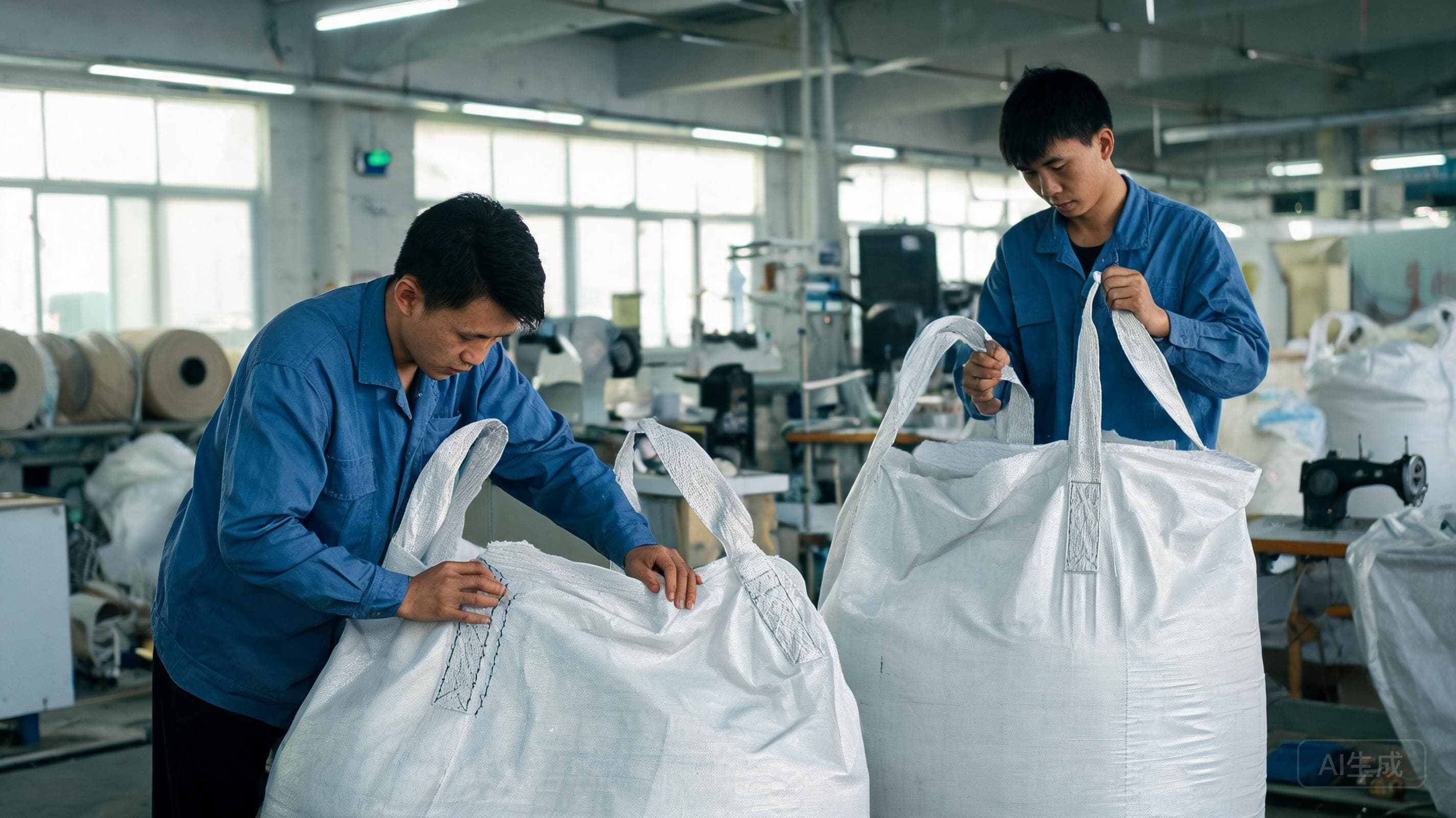
How to Choose the Right FIBC Bulk Bag for Safer, More Efficient Industrial Packaging
Choose an FIBC bulk bag by matching its construction to your product, handling process, compliance needs, and destination. Use technical review, pilot testing, and total-cost analysis to reduce risk.
Want to know more?
Get in touch with us for more information about our services and products.