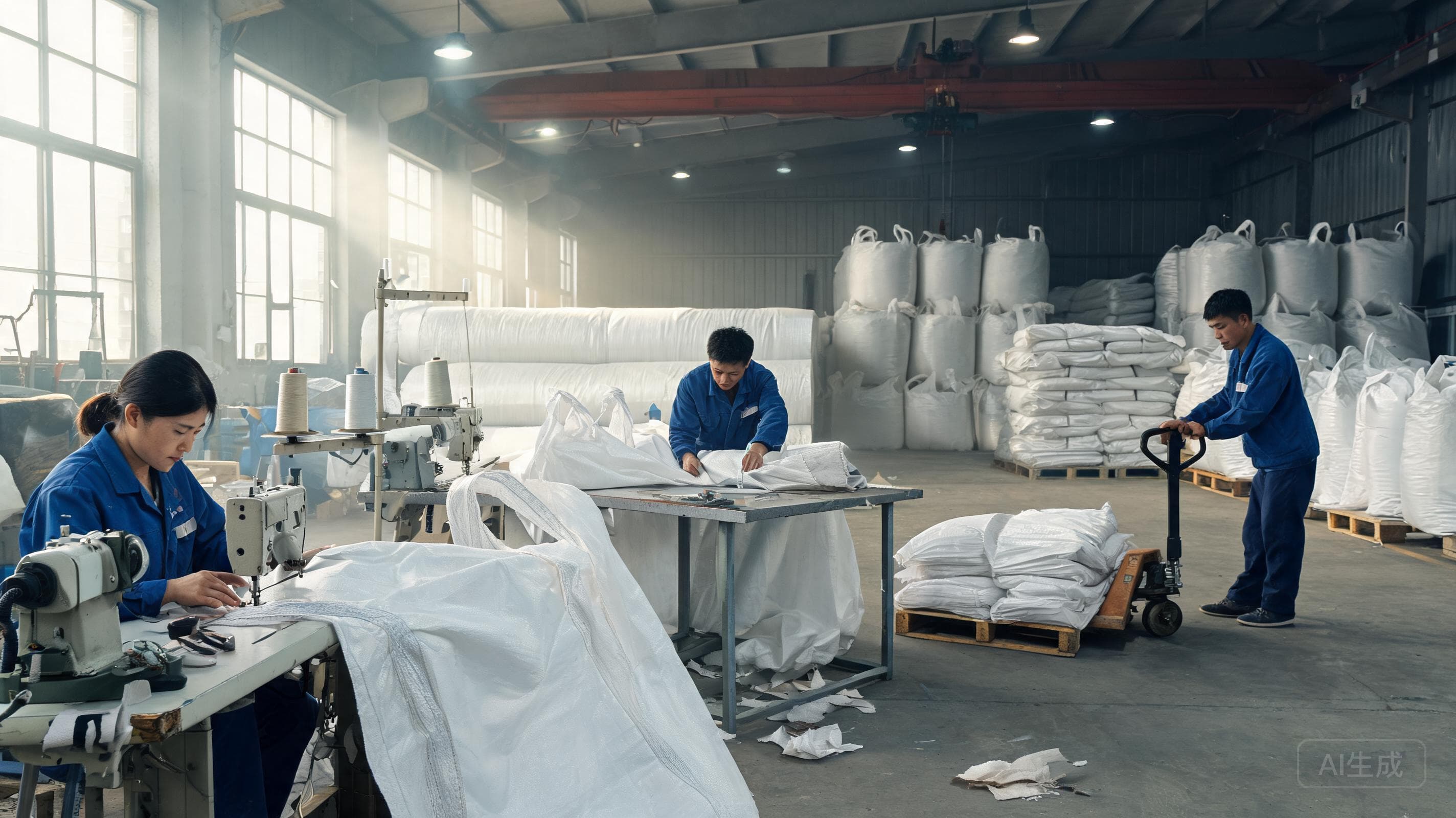
Sustainable Bulk Bag Solutions: Driving ESG Compliance, Cost Reduction, and Supply Chain Efficiency for Industrial Enterprises

RUNCHEN
AuthorWith more than 25 years of experience in FIBC bulk bag manufacturing and sales, RUNCHEN operates its own production facility with stable batch capacity. We specialize in FIBC bulk bags, jumbo bags, ton bags, and customized industrial packaging solutions.
Why Sustainable Bulk Packaging Matters to Industrial Enterprises
Industrial enterprises in healthcare, FMCG, food, chemicals, and other sectors face growing pressure to improve packaging performance while advancing environmental, social, and governance (ESG) objectives. Regulatory requirements, customer expectations, and internal sustainability targets are placing greater focus on material reduction, product protection, traceability, and responsible sourcing.
Bulk packaging is a practical area for improvement. Excess material can increase purchasing, transport, and disposal costs, while unsuitable designs may cause leakage, contamination, product damage, or handling delays. A fit-for-purpose FIBC strategy helps companies reduce waste without compromising load performance, compliance, or supply chain reliability.
The Procurement Challenge: Balancing Quality, Sustainability, and Total Cost
Selecting sustainable bulk bags requires more than choosing the lightest available option. Procurement teams must evaluate safe working load, construction, filling and discharge requirements, product compatibility, handling conditions, storage, transport, and applicable industry standards.
Reducing fabric weight without validating performance can increase the risk of failure. Conversely, over-specifying a bag can create unnecessary material use and higher landed costs. Teams must also substantiate ESG progress with reliable data, including material consumption, packaging reduction, transportation impact, and end-of-life considerations.
Common hidden costs include excess packaging weight, avoidable freight charges, damaged goods, disposal fees, rework, and supply interruptions. A structured packaging review can identify savings opportunities while protecting quality and compliance.
COSEK Bulk Bag Solutions for Compliance and Operational Performance
COSEK develops bulk bag solutions that combine practical sustainability improvements with the performance requirements of industrial operations. Each design can be evaluated against the product, process, and compliance needs of the application.
- White and Red Food-Grade Bulk Bag: Designed for applications where hygiene, product purity, and food-contact requirements are critical, including food, healthcare, and FMCG supply chains.
- Light Blue Integrated FIBC: Built for efficient handling and dependable performance, with integrated design features that can help simplify operations and reduce unnecessary packaging components.
- White Cylindrical Leak-Proof Bulk Bag: Suitable for sensitive or high-value materials that require stronger protection against leakage, contamination, and product loss.
- White General-Purpose FIBC Bulk Bag: A cost-conscious option for general industrial applications, with a lightweight design approach that supports material efficiency without sacrificing required load performance.
COSEK can also support application-specific customization, helping buyers align bag construction with filling, discharge, storage, transportation, and regulatory requirements.
How Sustainable Bulk Bags Create Measurable Business Value
A well-engineered bulk bag can contribute to value creation across the supply chain. Lower material usage may reduce purchase costs and packaging waste. Lower bag weight can improve transport efficiency, while leak-resistant construction can reduce product loss and cleanup. Consistent bag performance can also minimize handling interruptions, rejected loads, and avoidable claims.
Industrial enterprises have reported measurable improvements after reviewing their bulk packaging strategies. For example, internal reporting from CR Medical cited a 15% reduction in packaging material consumption and associated costs after adopting food-grade bulk bags. China Resources Beer has also identified sustainable packaging as part of its broader ESG and supply chain priorities.
Results vary by application, specifications, order volume, and operating conditions. The most reliable approach is to establish a baseline and measure the impact of the selected bag against current packaging performance.
A Practical ROI Framework for Sustainable Bulk Bag Programs
To quantify the business case, assess the current packaging system across five areas:
- Packaging cost: Compare current unit cost, material weight, order volumes, and waste.
- Logistics cost: Review bag weight, pallet utilization, container loading, freight, and handling requirements.
- Product protection: Track leakage, contamination, damage, rejected loads, and product loss.
- Compliance and reporting: Document specifications, certifications where applicable, supplier data, and ESG metrics.
- Operational efficiency: Measure filling, discharge, storage, inspection, and changeover performance.
This framework turns sustainability from a general objective into a measurable procurement initiative. It also helps stakeholders compare options using total cost of ownership rather than unit price alone.
How to Choose the Right Bulk Bag Manufacturing Partner
The right supplier should provide more than a catalog of standard products. Evaluate the manufacturer’s ability to understand your material, process, handling environment, and compliance requirements before recommending a design.
Key evaluation criteria include customization capability, quality control, production consistency, technical communication, testing support, documentation, and experience serving international B2B buyers. Confirm that the supplier can provide the appropriate product specifications and compliance documentation for your application, including food-grade or leak-resistance requirements where relevant.
A capable partner should also help you compare design alternatives, validate lightweighting opportunities, and balance material reduction with safe working load and service performance.
Build a More Efficient Bulk Packaging Strategy with COSEK
Ready to reduce packaging waste, control logistics costs, and strengthen your ESG program? Send COSEK your current bag specifications, material type, safe working load, filling and discharge requirements, annual volume, and target market. Our team can help identify suitable food-grade, leak-proof, integrated, or general-purpose FIBC options and outline the next steps for evaluation.
Request your customized bulk bag assessment from COSEK today and turn your packaging requirements into a clear, measurable improvement plan.
Related News
Other news you might be interested in
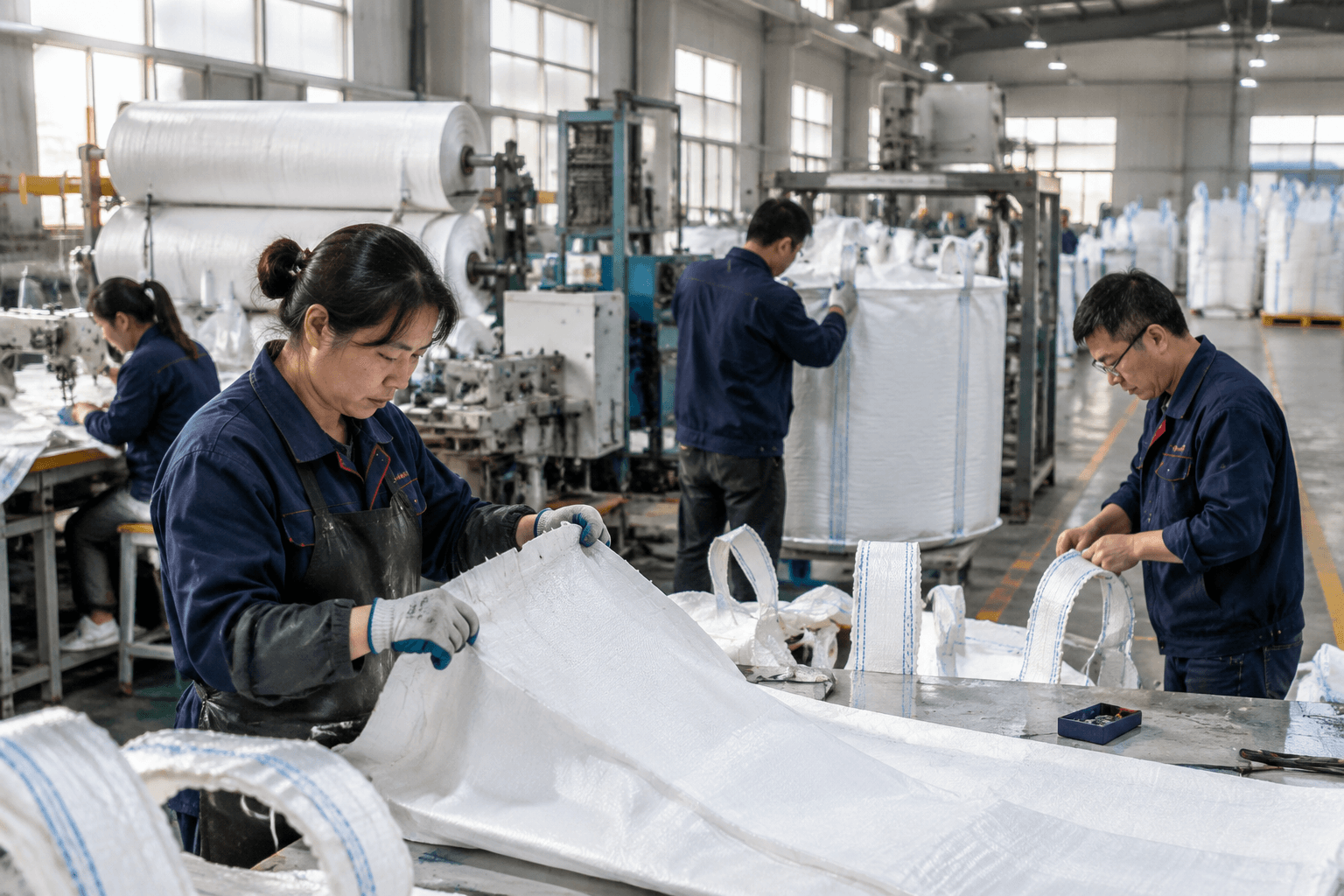
Choosing the Right FIBC Bulk Bag Manufacturing Partner for Reliable, Efficient Packaging Operations
Evaluate FIBC suppliers by application fit, quality control, automation compatibility, traceability, and total cost to improve containment, throughput, compliance, and supply reliability.
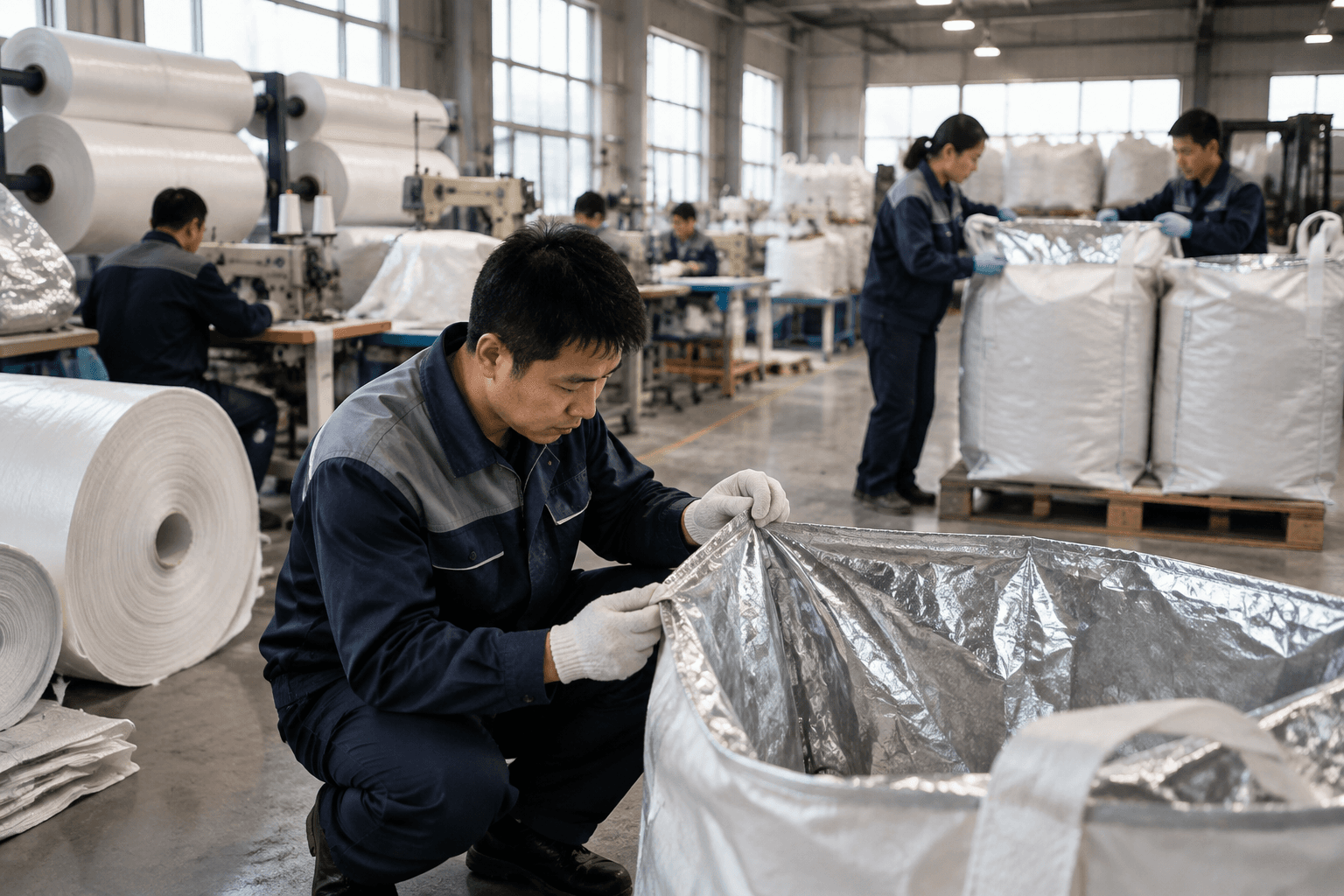
Engineered Ton Bags for Zero-Defect Packaging: Conductive, Formed Liner, and Aluminum Foil Solutions
Discover how conductive ton bags, formed liner bags, and aluminum foil bags eliminate static risk, liner failures, and moisture damage. Request a free packaging assessment and ROI projection.
Want to know more?
Get in touch with us for more information about our services and products.