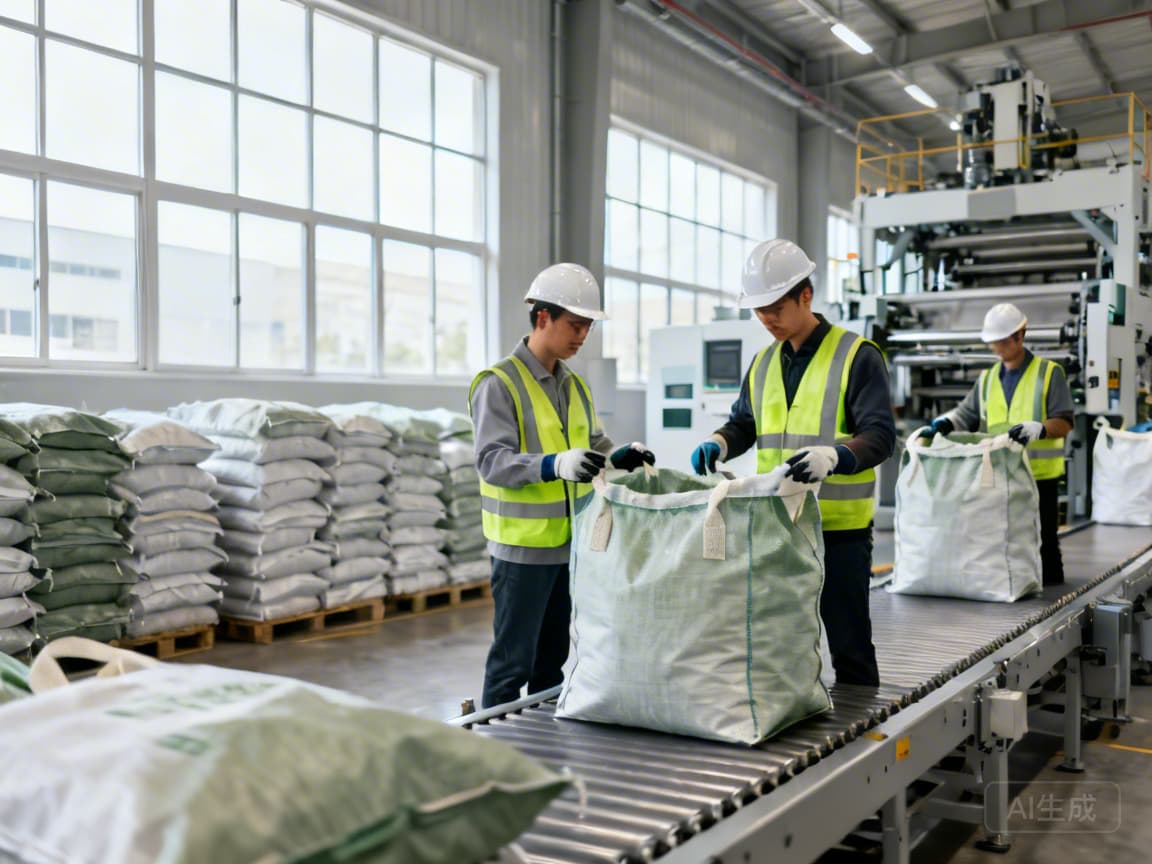
Transform FIBC Bags into ESG Assets: Cut Supply Chain Carbon & Unlock New Markets
RUNCHEN
AuthorWith more than 25 years of experience in FIBC bulk bag manufacturing and sales, RUNCHEN operates its own production facility with stable batch capacity. We specialize in FIBC bulk bags, jumbo bags, ton bags, and customized industrial packaging solutions.
From Cost Center to Competitive Edge: The Strategic Evolution of FIBC
The global packaging industry is at an inflection point. While data shows China's packaging export value growing at an impressive 12% annual rate, this opportunity is shadowed by a stringent new requirement: compliance with escalating international ESG and carbon neutrality standards, particularly in key markets like Europe and North America. For manufacturers exporting bulk materials, this creates a critical dilemma. Your Flexible Intermediate Bulk Container (FIBC or吨包袋) is no longer just a transport vessel; it has become a defined boundary of your supply chain's carbon footprint and a potential barrier—or gateway—to market access.
This shift demands a fundamental re-evaluation. The traditional OEM procurement model, focused solely on unit cost and basic specifications, is becoming obsolete. To compete and win in the new global economy, forward-thinking companies must re-engineer their FIBC from a simple cost item into a strategic compliance asset and data-enabled carrier.
The ESG Imperative: Your Bulk Bag as a Supply Chain Liability
The core challenge lies in modern supply chain carbon accounting. For your downstream customers, especially multinational corporations, the packaging used for your products falls squarely within their Scope 3 emissions—the indirect emissions from their value chain. The material composition, production energy, transport efficiency, and end-of-life fate of every FIBC you use contribute to their reported environmental impact.
As the Samsonite case demonstrates, in today's turbulent international environment, "ESG is not just a moral requirement, but a core part of business strategy."
This is not a niche concern. Market insights reveal that green packaging now commands 80% of market share in key sectors, driven by both regulation and consumer demand, with over 54% of consumers actively choosing sustainable packaging. The risk of inaction is clear: failure to address the sustainability of your packaging can lead to lost contracts with major clients who mandate strict ESG disclosures. Optimizing this visible, auditable link in your chain is a rapid and effective way to build supply chain resilience.
A Three-Tier Framework for Intelligent FIBC Value
Transforming this challenge into an advantage requires a systematic, engineering-led approach. We propose a layered "Intelligent FIBC" value model that progresses from basic compliance to strategic data empowerment.
Tier 1: Material & Design Compliance
The foundation involves selecting specific, certified recycled materials and optimizing bag design to reduce tare weight. This directly lowers the carbon footprint per trip and meets baseline green standards for `bulk bag recycling`. This step is about moving from virgin materials to a circular economy model, which over 65% of leading brands have already adopted in their packaging strategies.
Tier 2: Circulation & Digital Tracking
Here, the bag becomes a smart asset. Integrating technologies like RFID or QR codes (relevant to searches for `bag tags bulk`) enables single-bag lifecycle tracking. This system facilitates genuine circular reuse (`bulk bag recycling` programs) and, more importantly, generates precise, verifiable data on usage cycles, transport distances, and condition. This data is the raw material for accurate carbon accounting.
Tier 3: Data Empowerment & Insight Generation
The highest strategic tier leverages the data from Tier 2. Companies can generate automated Packaging Sustainability Reports for key clients, providing them with the auditable data they need for their own ESG reporting. This transforms a procurement function into a value-added service, strengthening client relationships and potentially justifying a premium. It requires syncing with `bulk bag filling equipment` and `bulk bag discharger` systems, underscoring that this is an integrated operational upgrade.
Quantifying Value and a Pragmatic Implementation Path
The return on this transformation extends beyond simple cost-per-bag savings. The value framework includes:
- Risk Mitigation Value: Avoiding the loss of high-value contracts or non-compliance penalties.
- Market Access Value: Unlocking markets with strict green thresholds and capturing premium orders.
- Operational Value: Reducing loss rates, optimizing inventory, and improving logistics through digital tracking.
Implementation should follow a clear, phased roadmap, mirroring the strategic focus seen in successful business adaptations. Drawing from the logic of Youzan's approach, we recommend a focused path:
- Diagnose: Audit your current FIBC carbon footprint and identify compliance gaps against target market standards.
- Pilot: Implement a trackable, circular FIBC program for a single, high-value export product line.
- Integrate: Connect packaging data systems with your broader supply chain management platforms.
- Communicate: Proactively market your green supply chain practices as a core component of your value proposition.
Conclusion: Packaging as a Strategic Platform
As the global supply chain undergoes a green and digital重塑 (reshaping), the FIBC represents one of the most visible, optimizable, and data-ready components. Partnering to reimagine your bulk bags is not merely a packaging purchase; it is the initiation of a minimum viable project for supply chain green digitization. It is an investment in building brand resilience, securing market access, and transforming a traditional cost center into a demonstrable competitive asset for the future.
Related News
Other news you might be interested in
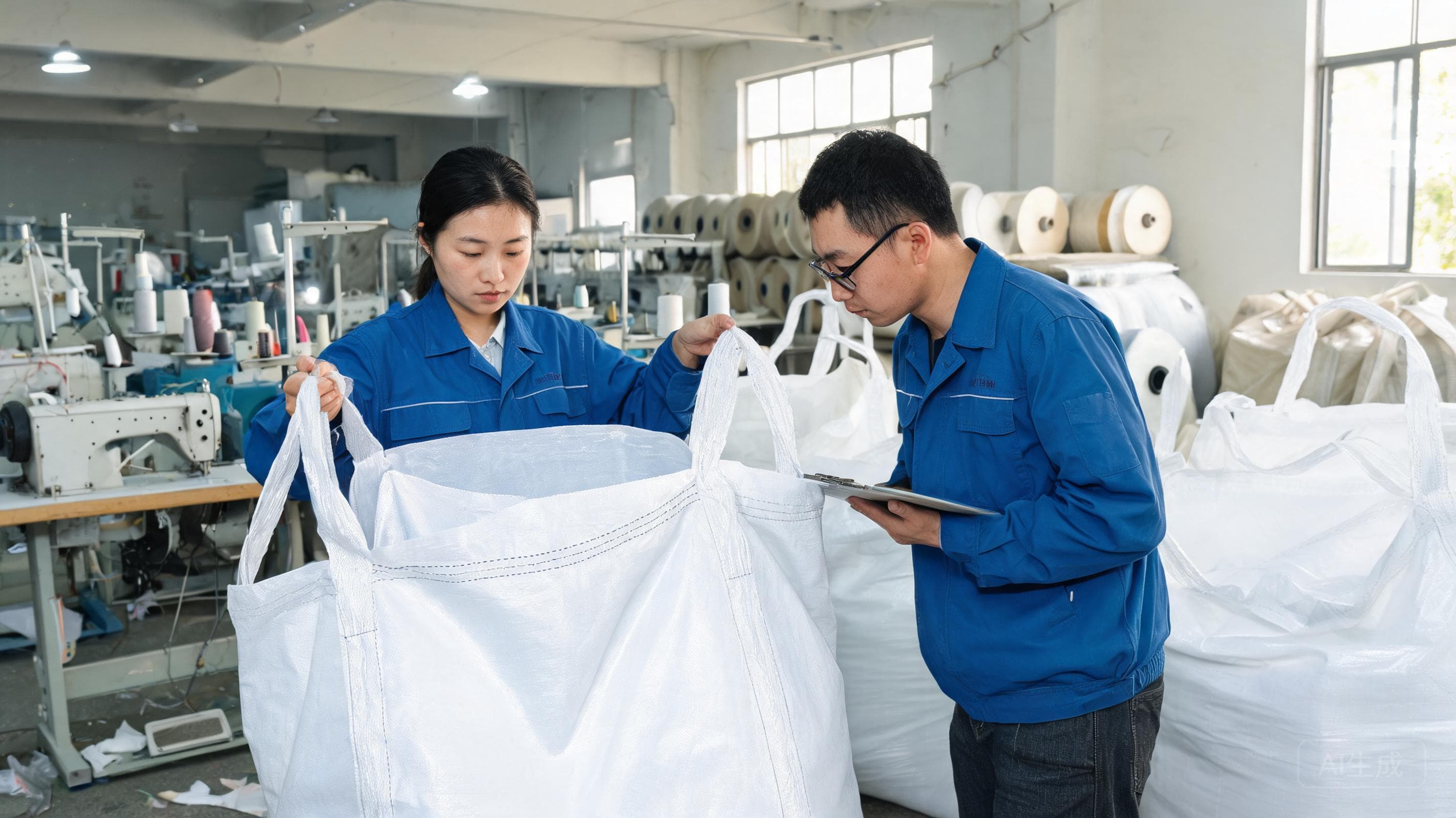
Choosing the Right FIBC Manufacturer: A Practical Guide to Safer, More Reliable Bulk Packaging
Evaluate FIBC manufacturers by application fit, quality controls, total cost, and supply reliability. Use this practical guide to define specifications, assess samples, and plan a controlled trial.
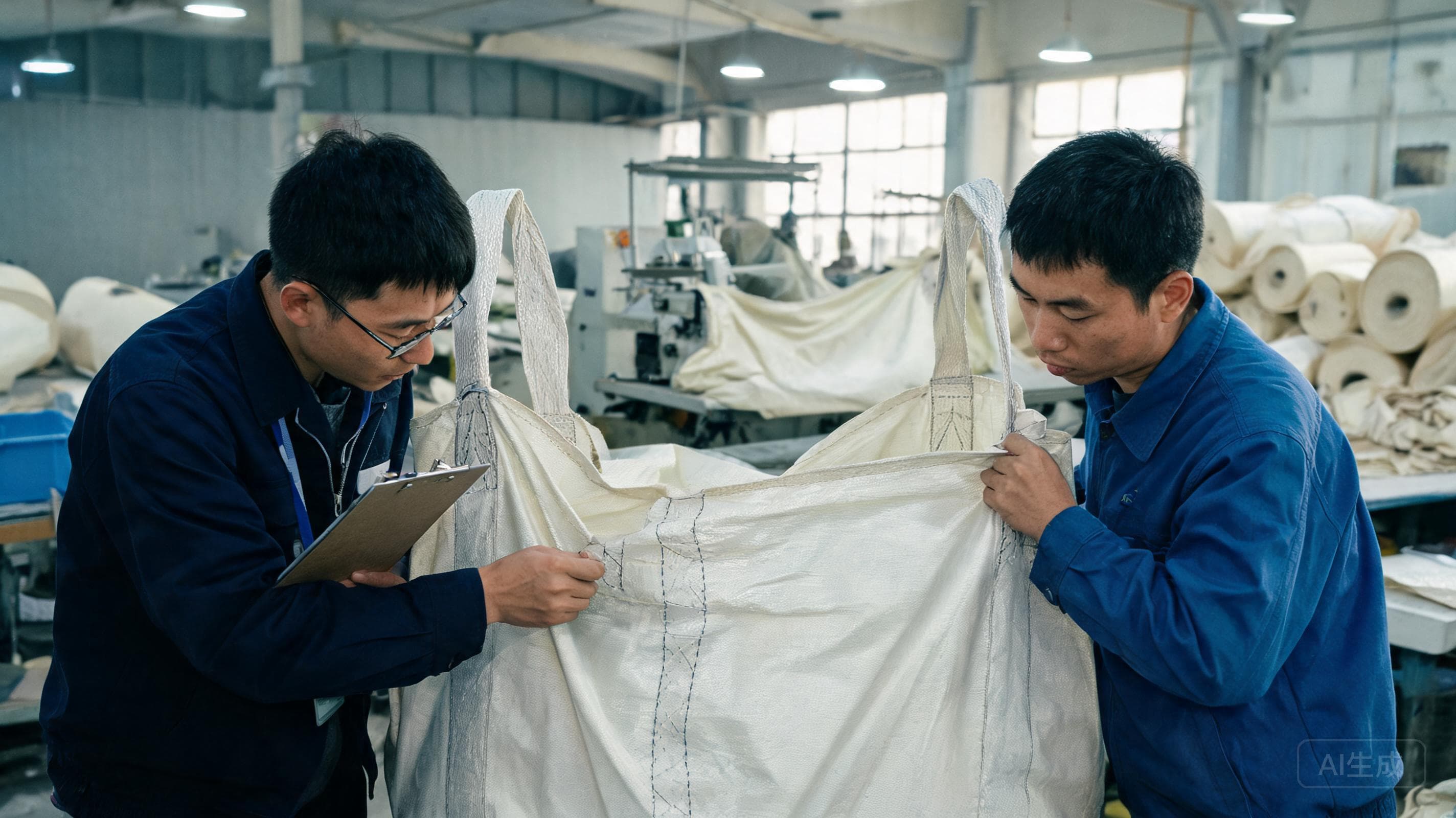
Choosing the Right FIBC Bulk Bag: A Buyer’s Guide to Safer, More Reliable Shipments
Compare FIBC bulk bags by material, handling conditions, safety requirements, and total cost. Use this practical guide to define specifications, assess suppliers, and plan a trial.
Want to know more?
Get in touch with us for more information about our services and products.