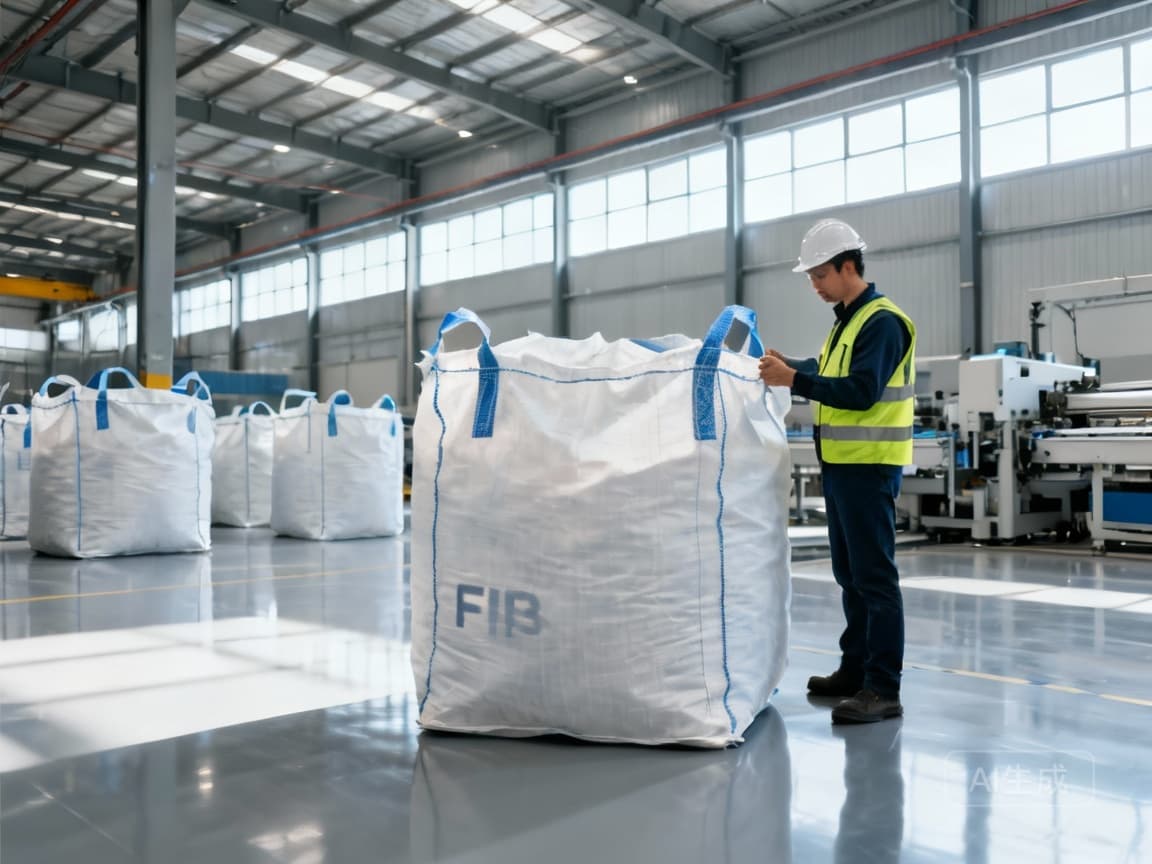
Transform FIBC Bags into Strategic Assets: A 544% ROI Blueprint for Operations
RUNCHEN
AuthorWith more than 25 years of experience in FIBC bulk bag manufacturing and sales, RUNCHEN operates its own production facility with stable batch capacity. We specialize in FIBC bulk bags, jumbo bags, ton bags, and customized industrial packaging solutions.
From Cost Center to Strategic Asset: Redefining FIBC Value
For decades, the Flexible Intermediate Bulk Container (FIBC or吨包袋) has been viewed through a singular lens: a cost. Procurement negotiates price per unit, operations complains about breakage, and sustainability sees a compliance hurdle. This transactional mindset leaves immense value on the table. By adopting a framework proven in technology deployments, we can transform FIBCs from a consumable expense into a data-driven strategic asset that optimizes core operations. This shift mirrors successful digital transformation projects, where clear KPIs, phased implementation, and change management are critical. It’s time to stop just buying bags and start managing a high-impact operational project.
The 544% ROI Mindset: Borrowing from Tech Implementation
The staggering results from leading technology implementations provide a blueprint. For instance, the 544% average ROI achieved by enterprises deploying the Trendyx AI platform wasn't accidental. It was the result of a structured, phased framework: Assessment & Strategy, Pilot Implementation, and Full-Scale Rollout. Similarly, Shyft's case studies show that organizations following comprehensive implementation best practices achieved a positive ROI 35% faster. FIBC management is no different. A haphazard approach focused only on upfront cost yields minimal gains. A systematic, project-based approach targeting total operational value unlocks exponential returns.
The first step is a fundamental perspective shift: from Total Cost of Ownership (TCO) to Total Owned Value (TOV). TOV quantifies the FIBC's contribution across its lifecycle—not just purchase price, but its impact on loading speed, material loss, labor safety, and brand reputation. Measuring TOV requires data most companies already have but don't connect: cycle counts, precise failure locations, discharge time, residue rates, and associated handling costs.
“Clear goals and KPIs are the foundation of success. Data quality has a major impact on implementation speed and success rates.” – Trendyx AI Implementation Experience
A Three-Phase FIBC Value Realization Blueprint
To translate this mindset into action, adopt this phased blueprint, directly informed by high-tech implementation methodologies.
Phase 1: Assess & Strategize
Form a cross-functional team (Procurement, Operations, Logistics, EHS/Sustainability). Define clear strategic objectives: Is the goal to reduce total handling cost, increase line speed for a critical powder, or achieve a specific ESG target? Conduct a baseline measurement. For example, a mineral company might track that manual handling of a certain bag design leads to a 30% higher spillage rate during discharge, costing thousands in lost product and cleanup.
Phase 2: Pilot & Validate
Select one production line or one material type for a controlled pilot. Choose a new bag design or handling process based on strategic goals. Define 3-5 pilot KPIs (e.g., reduce discharge time by 15%, achieve zero safety incidents, lower residue to <0.5%). Crucially, invest in operator training and change management. As seen with Shyft, where 92% adoption was achieved in the first three months, engaging users is critical for accurate data and sustained success.
Phase 3: Scale & Optimize
Analyze pilot data to create a fact-based specification for full-scale rollout. Establish a quarterly review rhythm, using collected data to drive continuous improvement. This data becomes powerful in future negotiations, moving discussions from price to proven value metrics. The goal, as with Trendyx AI's 12-month average time to positive ROI, is to have a clear, accelerated path to value.
Leveraging Sustainability for Strategic Advantage
Market insights clearly indicate that environmental compliance (ESG) is a key driver. Forward-thinking companies are moving beyond viewing this as mere risk mitigation. Your FIBC strategy can be a source of competitive advantage and even green financing appeal. This involves selecting bags designed for circularity—using recycled content, being recyclable, or designed for multiple lifecycles—and then tracking the data.
Quantify the carbon reduction from using recycled polymer or the waste diversion from a take-back program. This verified data can be integrated into corporate ESG reports, strengthening your brand narrative with downstream customers and investors. The bag transitions from a compliance item to a tangible component of your customer's sustainability story.
Conclusion: The Path to Partnership
The future of FIBCs lies at the convergence of two trends highlighted in market insights: automation & intelligence and sustainability & compliance. The bags of tomorrow will feature standardized lifting loops for automated guided vehicles (AGVs) and embedded RFID chips for traceability and lifecycle data capture. The supplier you choose must be a partner capable of navigating both tracks.
By adopting this data-driven, systematic approach—treating FIBC deployment with the same rigor as a software implementation—you unlock unprecedented operational efficiency, risk reduction, and strategic value. Stop purchasing a commodity. Start managing a strategic asset and partner with suppliers who provide not just a bag, but a blueprint for your operational success.
Related News
Other news you might be interested in
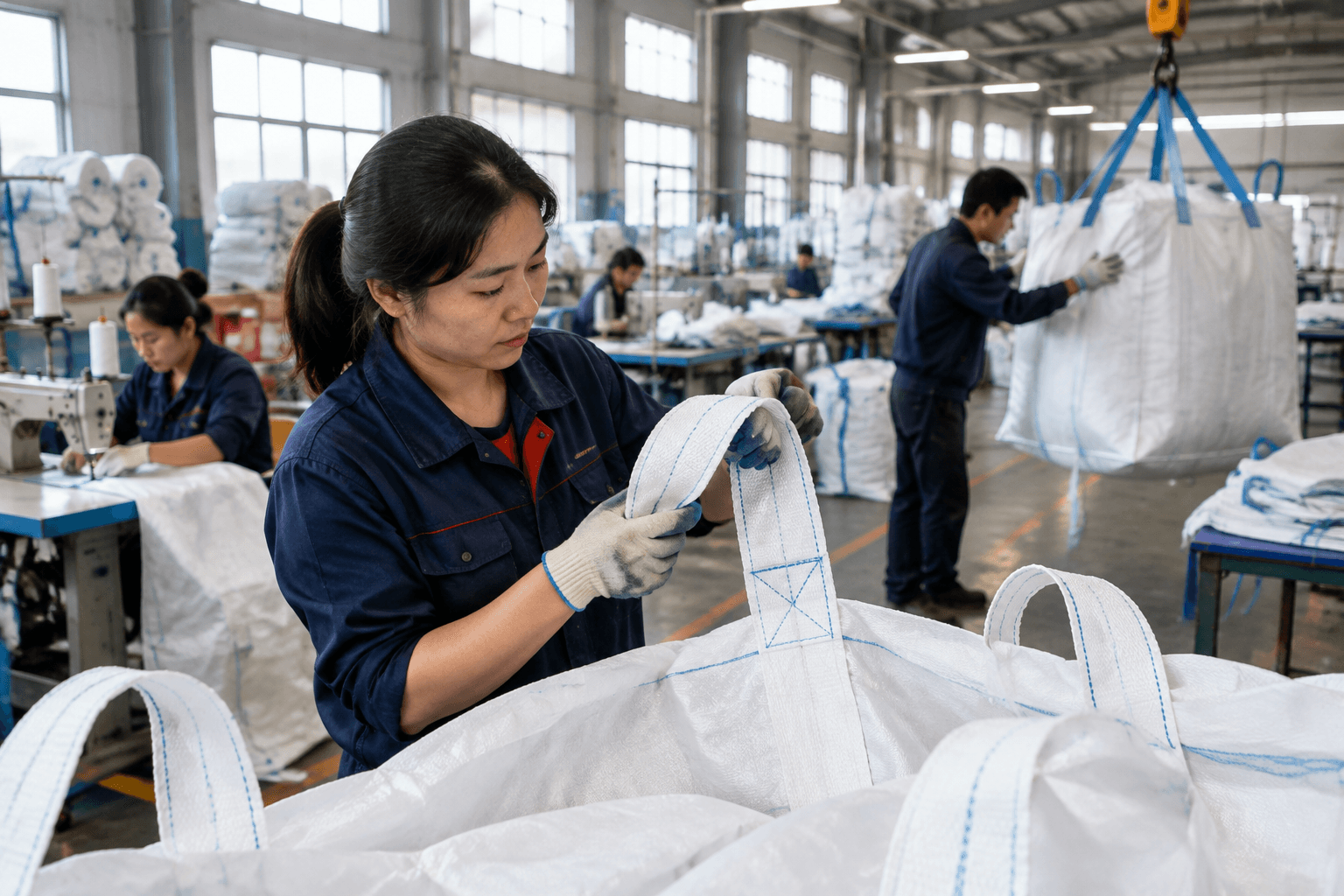
Choosing the Right Bulk Bag Manufacturer for Safer, More Efficient Operations
Learn how to specify bulk bags, evaluate manufacturers, and validate quality and supply reliability to reduce operational risk and support safer, more efficient handling.
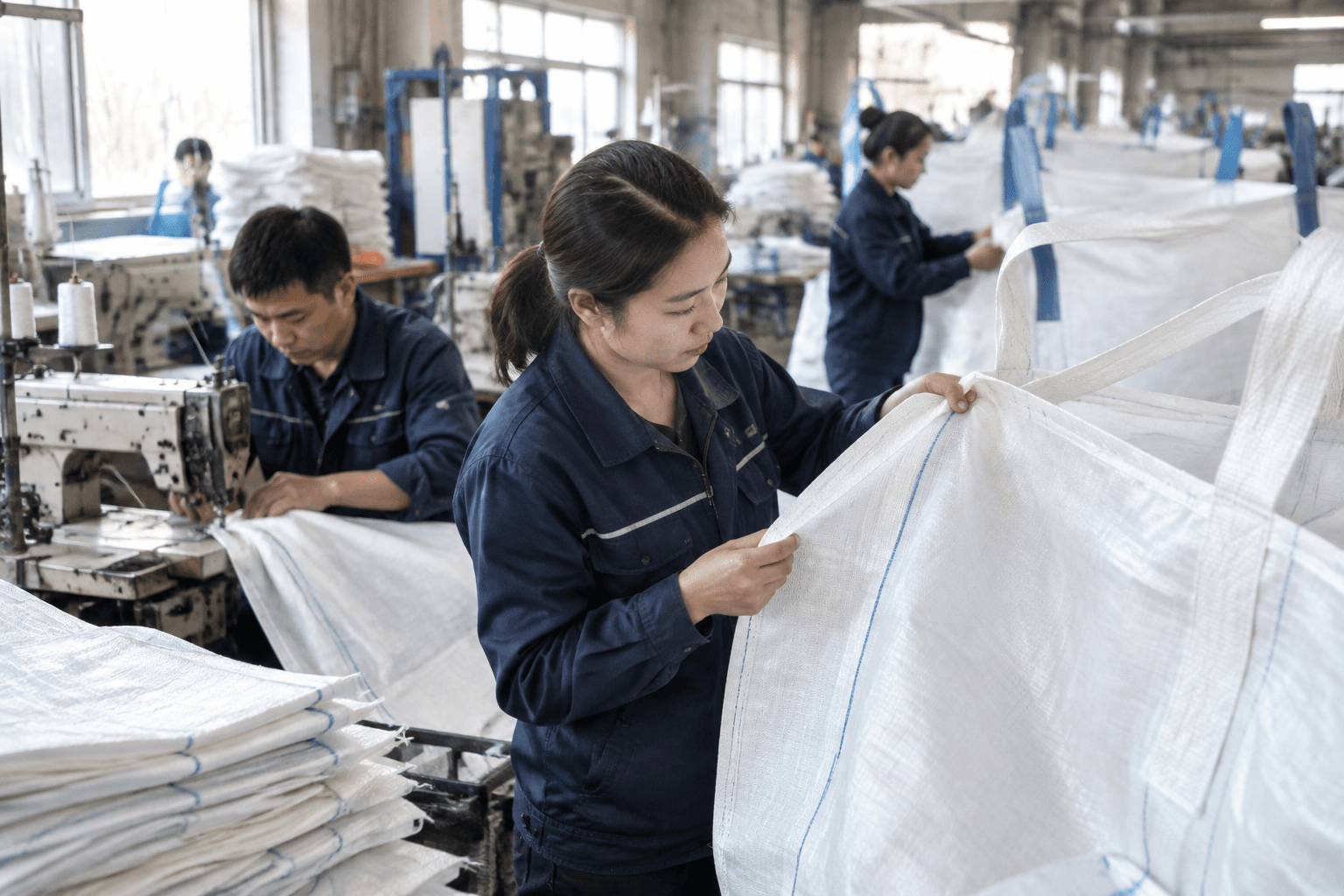
The 140th Canton Fair: New Trends in the Export Market for FIBC Bulk Bags, Jumbo Bags, and PP Woven Packaging
Explore how export buyers can evaluate FIBC bulk bags and PP woven packaging beyond unit price. Get practical guidance on specifications, supplier verification, sustainability requirements, and RFQs—and prepare your next sourcing conversation with COSEK.
Want to know more?
Get in touch with us for more information about our services and products.