2025 FIBC Procurement Guide: 7 Questions to Transform Sustainability into 30% Recovery Increase
RUNCHEN
AuthorWith more than 25 years of experience in FIBC bulk bag manufacturing and sales, RUNCHEN operates its own production facility with stable batch capacity. We specialize in FIBC bulk bags, jumbo bags, ton bags, and customized industrial packaging solutions.
Beyond Price Negotiation: A Strategic Framework for Sustainable FIBC Procurement in 2025
The rules of the game are changing. Driven by regulatory pressure and consumer demand, sustainability is no longer a niche consideration but a core component of operational and financial strategy. For procurement professionals sourcing Flexible Intermediate Bulk Containers (FIBCs), this shift demands a new evaluation framework. The global mono-material packaging market, a key enabler of recyclability, is projected to reach $4.24 billion in 2025, growing at a robust CAGR of 7.7%. This isn't just a market trend; it's a signal that your next bulk bag purchase order requires a new checklist.
Decoding Sustainability: From Buzzword to Procurement Checklist
Moving beyond vague promises requires translating concepts into actionable supplier questions. The goal is to procure bags designed for real-world circularity, not just marketed as "green."
1. Does "Mono-Material" Truly Mean Recyclable?
Not all mono-material bags are created equal. True recyclability depends on the compatibility of all components. A polypropylene (PP) body with polyethylene (PE) liners or incompatible sewing thread creates a recycling headache.
Actionable Question for Suppliers: "Can you provide a complete material breakdown and confirm that all components—base fabric, loops, liners, and thread—are compatible, single-polymer materials (e.g., all PP or all PE)?"
2. How Do You Verify Real-World Recyclability?
A "recyclable design" means little if the bag cannot enter and be processed in existing recycling streams. The gap between theory and practice is where value is lost.
Actionable Question for Suppliers: "Do your bags carry third-party recyclability certifications (e.g., UL ECVP, RecyClass), and can you provide case studies of their successful integration into specific regional recycling flows?"
3. Are You Prepared for EPR Cost Implications?
Expanding Extended Producer Responsibility (EPR) schemes are internalizing packaging waste management costs. The financial liability for a bag's end-of-life is increasingly shifting to the brand owner or filler.
Future-ready procurement must factor in these potential compliance fees. A slightly higher upfront cost for a truly recyclable bag can prevent significantly higher EPR costs later.
Actionable Question for Suppliers: "Based on this bag design, can you provide an assessment of its EPR compliance profile or potential fee mitigation strategies in key markets like the EU or North America?"
Integrating Safety and Sustainability: The Unbreakable Link
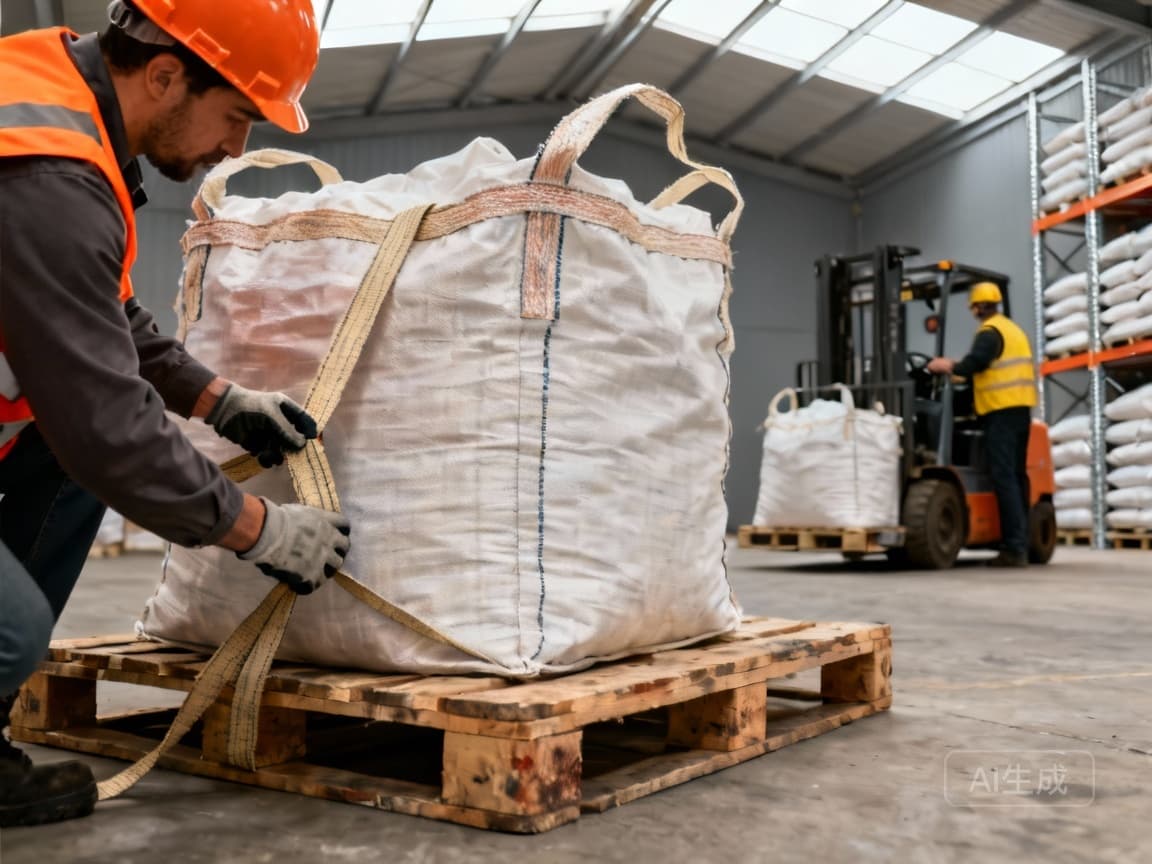
Operational safety is the first step in any circular economy model. A damaged bag is a sustainability failure—wasting resources and contaminating recycling streams. Real-world cases, like the operational guidelines from Shandong Lusu Packaging, prove the point. Their emphasis on correct practices—using pallets for搬运, avoiding fork contact with the bag body, and proper covered storage—directly extends bag life and protects material value.
Consider this: an improper forklift operation that punctures a liner causes a safety hazard and product loss. It also contaminates the bag, rendering it unfit for recycling. Therefore, a "sustainable operation checkpoint" is identical to a safety protocol. Investing in training for correct吊装 and handling isn't just risk mitigation; it's an investment in protecting both product and packaging asset value for a circular return.
Building a Future-Ready Supplier Assessment Matrix
Strategic FIBC procurement in 2025 requires evaluating partners on a broader matrix. Price and tensile strength remain, but they are now part of a larger picture.
Your updated evaluation criteria should include:
- Traditional Metrics: Price, technical specifications (safety factor, load capacity), lead time.
- Enhanced Sustainability Metrics: Certified mono-material structure, post-consumer recycled content比例, EPR compliance support, carbon footprint data availability.
- Operational Value Metrics: Provision of customized safety操作指南 and training materials (e.g., videos, posters) to ensure proper use and maximize service life.
The suppliers who can provide comprehensive data and solutions across this matrix are not just vendors; they are partners in risk reduction and long-term value creation.
Conclusion: Procuring Value, Not Just Containers
The 2025 procurement conversation must evolve. By integrating these sustainable and operational lenses into your sourcing framework, you move beyond buying a container to procuring compliance assurance, reduced lifecycle cost, and resilient brand value. Your next negotiation should start with a new question: "How will this bag perform not just on day one, but at its end-of-life, and how will you help us ensure it gets there intact?" Bring this framework to your next supplier meeting to transform sustainability from a pressure point into a measurable performance advantage.
Related News
Other news you might be interested in
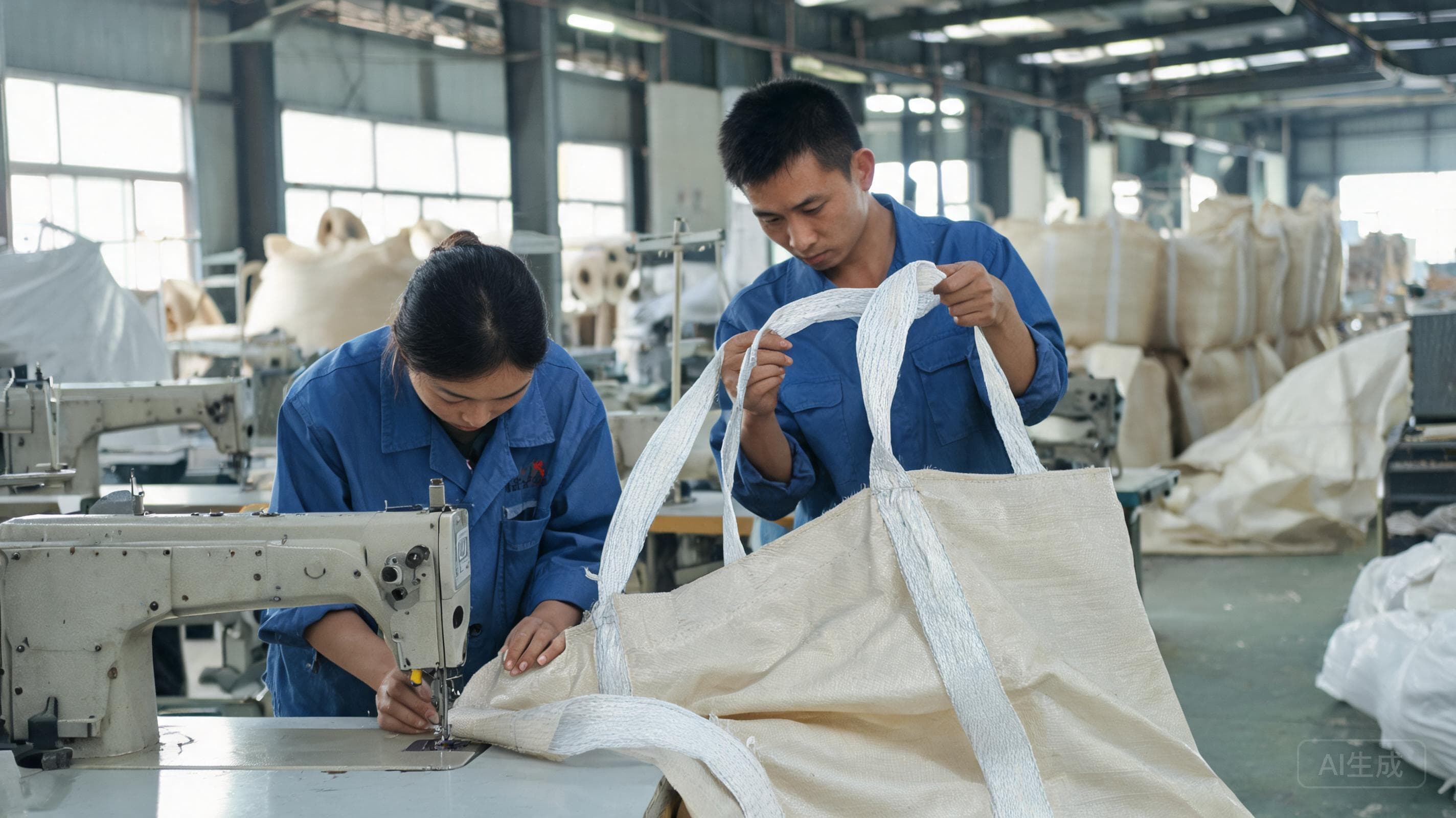
How to Choose a Bulk Bag Manufacturer That Protects Product Quality and Reduces Supply Risk
Evaluate bulk bag manufacturers on application fit, quality controls, compliance, and supply readiness. Use a clear specification and trial plan to reduce product loss and procurement risk.
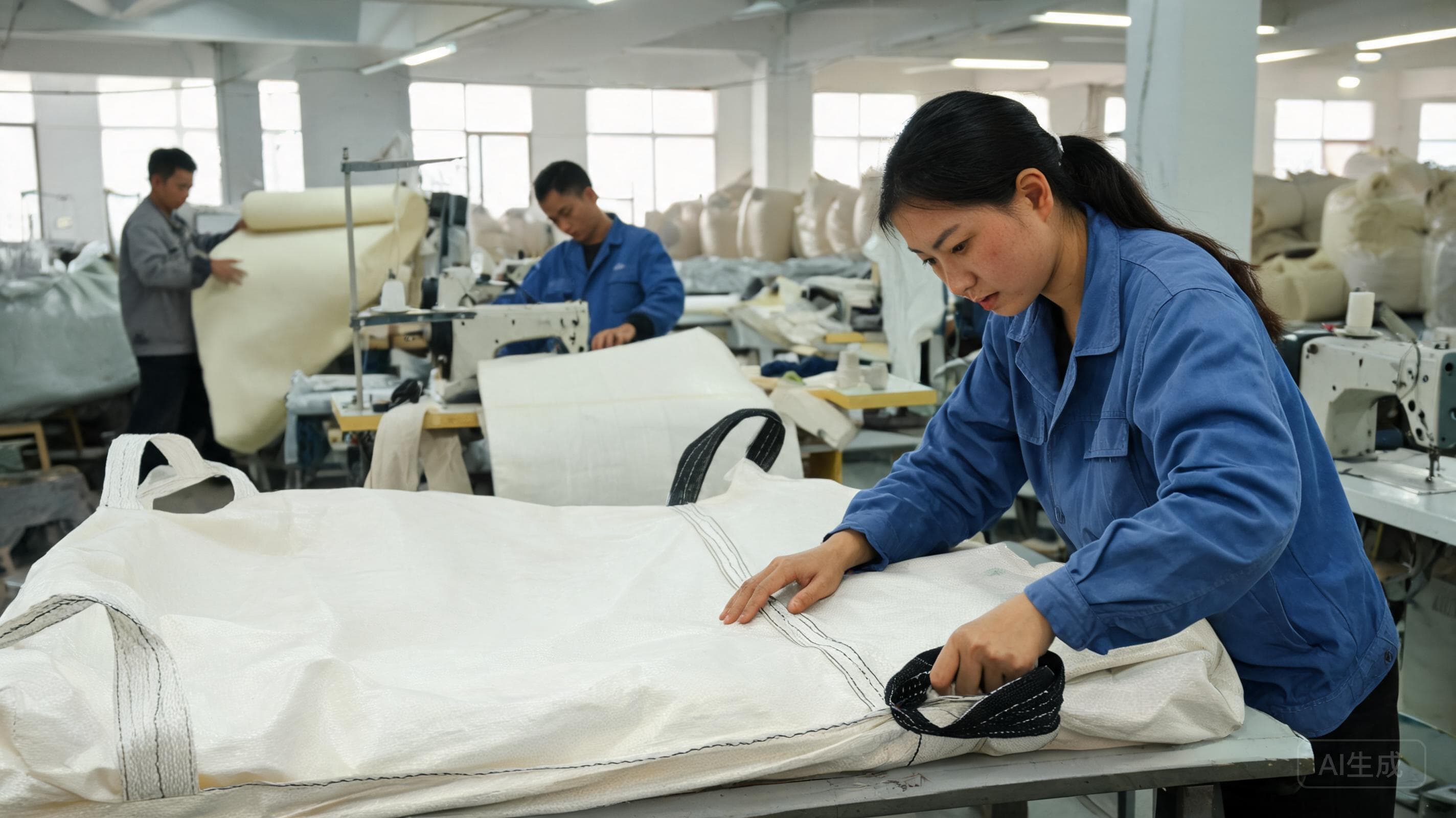
How to Choose the Right FIBC Supplier for Safer, More Reliable Bulk Packaging
Learn how to match FIBC design to your product and handling needs, assess supplier quality, compare total costs, and prepare a stronger request for quotation.
Want to know more?
Get in touch with us for more information about our services and products.