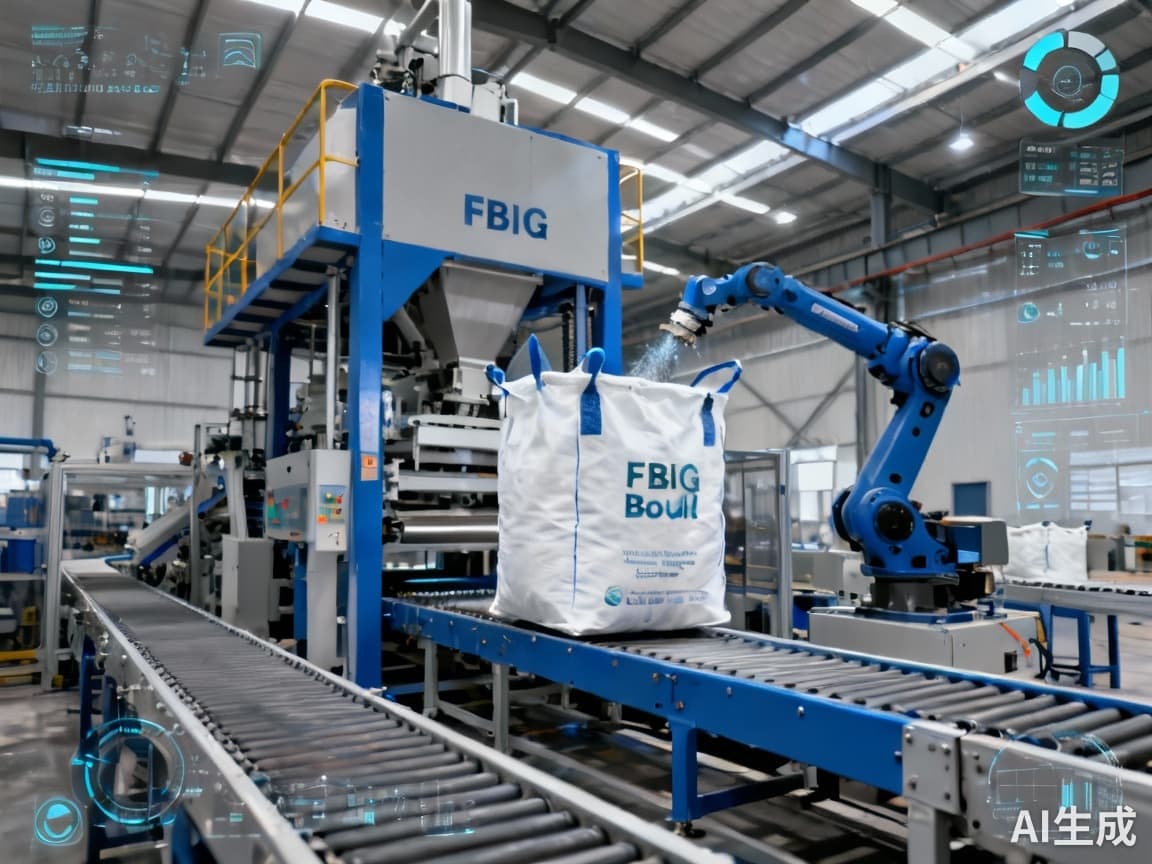
7-Step EPR Compliance Framework: Transform Packaging Systems with FIBCs & Cut Costs 35% #52
RUNCHEN
AuthorWith more than 25 years of experience in FIBC bulk bag manufacturing and sales, RUNCHEN operates its own production facility with stable batch capacity. We specialize in FIBC bulk bags, jumbo bags, ton bags, and customized industrial packaging solutions.
Beyond FIBC Replacement: Building an EPR-Compliant Packaging Ecosystem Transformation Framework
As global Extended Producer Responsibility (EPR) regulations intensify and sustainability becomes a core business imperative, companies are discovering that simple packaging substitutions are insufficient. The $3.94 billion single-material packaging market in 2024, projected to reach $5.63 billion by 2029 with a 7.3% CAGR, represents both a challenge and opportunity for forward-thinking organizations. Based on verified implementation experience from industry leaders like Tingyi (Cheng I) Holding Corp., we've developed a systematic framework that transforms packaging ecosystems while delivering substantial cost savings and compliance benefits.
The Limitations of Single-Solution Thinking in EPR Compliance
Many organizations approach EPR compliance through isolated product substitutions—replacing traditional packaging with Flexible Intermediate Bulk Containers (FIBCs) without considering the broader packaging ecosystem. This fragmented approach often leads to suboptimal results and missed opportunities. The case of Tingyi demonstrates that successful packaging transformation requires a holistic view encompassing material innovation, logistics integration, recycling infrastructure, and compliance management simultaneously.
"Packaging reform requires systematic planning and multiple parallel solutions," as demonstrated by Tingyi's comprehensive approach combining tanker transportation, carton recycling, and FIBC conversion to effectively reduce packaging waste.
The Four Dimensions of Packaging Ecosystem Transformation
Our research and implementation experience reveals that successful EPR compliance requires addressing four interconnected dimensions:
Dimension 1: Material Innovation
Selecting the right FIBC materials goes beyond basic specifications. Modern single-material FIBCs must meet stringent technical standards for recyclability, barrier properties, and compatibility with existing recycling streams. The shift toward mono-materials, driven by EPR requirements and the 80% market share expansion of green packaging in China's trillion-yuan packaging market, demands careful evaluation of material composition and end-of-life processing capabilities.
Dimension 2: Logistics Integration
FIBC implementation must align with existing logistics infrastructure. Companies should conduct comprehensive compatibility assessments of transportation systems, storage facilities, and handling equipment. Tingyi's experience shows that integrating tanker transportation with FIBC usage creates synergistic efficiency gains that exceed what either solution could achieve independently.
Dimension 3: Recycling Infrastructure
Establishing closed-loop recycling systems is critical for EPR compliance. This involves developing partnerships with certified recycling facilities, implementing collection systems, and ensuring material traceability. The increasing investment in advanced recycling technologies, driven by plastic waste collection initiatives, creates new opportunities for creating circular packaging ecosystems.
Dimension 4: Compliance Management
Meeting EPR requirements demands robust documentation, reporting systems, and regulatory alignment. Companies must establish clear compliance protocols, tracking mechanisms, and audit trails to demonstrate adherence to evolving regulatory standards across different jurisdictions.
The 7-Step Systematic Implementation Framework
Based on verified industry implementation experience, we recommend this phased approach to packaging transformation:
Phase 1: Assessment Preparation (1-2 Months)
- Current packaging process audit and waste mapping: Document all packaging flows, waste generation points, and compliance requirements
- EPR compliance gap analysis: Identify regulatory obligations and current compliance status across all operating regions
Phase 2: Solution Design (2-3 Months)
- Multi-solution parallel design: Develop integrated solutions combining FIBCs with complementary packaging innovations
- Dual assessment: Conduct simultaneous financial ROI analysis and environmental impact evaluation using standardized metrics
Phase 3: Pilot Implementation (3-4 Months)
- Controlled pilot deployment: Implement solutions in limited scope with rigorous data collection protocols
- System optimization and standardization: Refine processes based on pilot results and establish standardized operating procedures
Phase 4: Full-Scale Deployment (4-6 Months)
- Scaled implementation and continuous improvement: Roll out optimized solutions across operations with monitoring and improvement mechanisms
Quantifying the Comprehensive Value Proposition
Beyond the promised 35% cost reduction, organizations implementing this framework typically achieve:
- Compliance risk reduction: Systematic approach minimizes regulatory exposure and potential penalties
- Brand value enhancement: Demonstrable sustainability improvements strengthen market positioning
- Operational efficiency gains: Integrated packaging systems streamline operations and reduce handling requirements
- Waste reduction: Comprehensive approach addresses packaging waste at multiple levels throughout the value chain
Implementation Toolkit for Immediate Application
To facilitate rapid implementation, we recommend developing these essential tools:
- Supplier evaluation checklist: Criteria for selecting FIBC providers based on technical capabilities, sustainability credentials, and compliance support
- Compliance self-assessment tool: Framework for evaluating current EPR readiness and identifying improvement areas
- ROI calculation template: Standardized model for quantifying financial and environmental benefits
- Implementation timeline template: Detailed project plan with milestones, responsibilities, and dependencies
The transition to EPR-compliant packaging represents a significant business transformation opportunity. By adopting this systematic framework, organizations can position themselves as sustainability leaders while achieving substantial cost savings and operational improvements. The experience of pioneering companies like Tingyi demonstrates that those who approach packaging transformation holistically will gain competitive advantage in an increasingly regulated and environmentally conscious marketplace.
Related News
Other news you might be interested in
Choosing the Right Bulk Bag Manufacturer for Safer, More Efficient Operations
Learn how to specify bulk bags, evaluate manufacturers, and validate quality and supply reliability to reduce operational risk and support safer, more efficient handling.
The 140th Canton Fair: New Trends in the Export Market for FIBC Bulk Bags, Jumbo Bags, and PP Woven Packaging
Explore how export buyers can evaluate FIBC bulk bags and PP woven packaging beyond unit price. Get practical guidance on specifications, supplier verification, sustainability requirements, and RFQs—and prepare your next sourcing conversation with COSEK.
Want to know more?
Get in touch with us for more information about our services and products.