Beyond the Bag: How Strategic FIBC Partners Cut 56% of Supply Chain Emissions
RUNCHEN
AuthorWith more than 25 years of experience in FIBC bulk bag manufacturing and sales, RUNCHEN operates its own production facility with stable batch capacity. We specialize in FIBC bulk bags, jumbo bags, ton bags, and customized industrial packaging solutions.
Beyond the Bag: How Strategic FIBC Partners Cut Supply Chain Emissions
The global supply chain is undergoing a fundamental shift. For procurement and operations leaders in bulk-handling industries, the choice of a Flexible Intermediate Bulk Container (FIBC) is no longer just a tactical decision about cost and durability. It is a strategic lever for sustainability and compliance. As market data indicates, stringent ESG requirements from欧美 markets and a surge in demand for green packaging are rewriting the rules. Forward-thinking companies are moving beyond viewing FIBCs as a simple cost center, recognizing them as a critical asset for achieving ambitious environmental goals and securing market access.
The New Procurement Mandate: From Price Check to Carbon Audit
The pressure is cascading down the value chain. Leading global corporations have embedded sustainability into their core strategy, transforming their supplier selection criteria. Consider the case of YKK Group. Their "Sustainable Vision 2050" commits to climate neutrality and harmony with nature, supported by science-based targets. The results are measurable: a 56.2% reduction in Scope 1 & 2 emissions and a 32.7% cut in Scope 3 emissions against a 2018 baseline. For YKK’s suppliers, including packaging providers, this translates to a non-negotiable requirement: demonstrable contributions to carbon reduction and circularity. Similarly, Samsonite integrates ESG into its core business through "Our Responsible Journey," reflecting a broader trend where over 54% of consumers actively choose sustainable packaging. The mandate is clear: sustainable procurement is now a baseline for doing business with global leaders.
Mapping the FIBC Lifecycle: A Blueprint for Reduction
To meet this mandate, companies must adopt a full lifecycle perspective on their FIBCs. Emissions and impact are determined at every stage, from raw materials to end-of-life.
1. Smarter Materials and Manufacturing
The journey begins with raw materials. The shift from virgin polypropylene to incorporating post-consumer recycled (PCR) content directly reduces upstream carbon footprint. Furthermore, the manufacturing process itself is a key emissions source. Progressive FIBC partners are investing in energy-efficient production and renewable energy, mirroring the approach of companies that have achieved 100% renewable energy at production sites. This directly lowers the embodied carbon of each bag delivered to your facility.
2. Maximizing In-Use Efficiency and Longevity
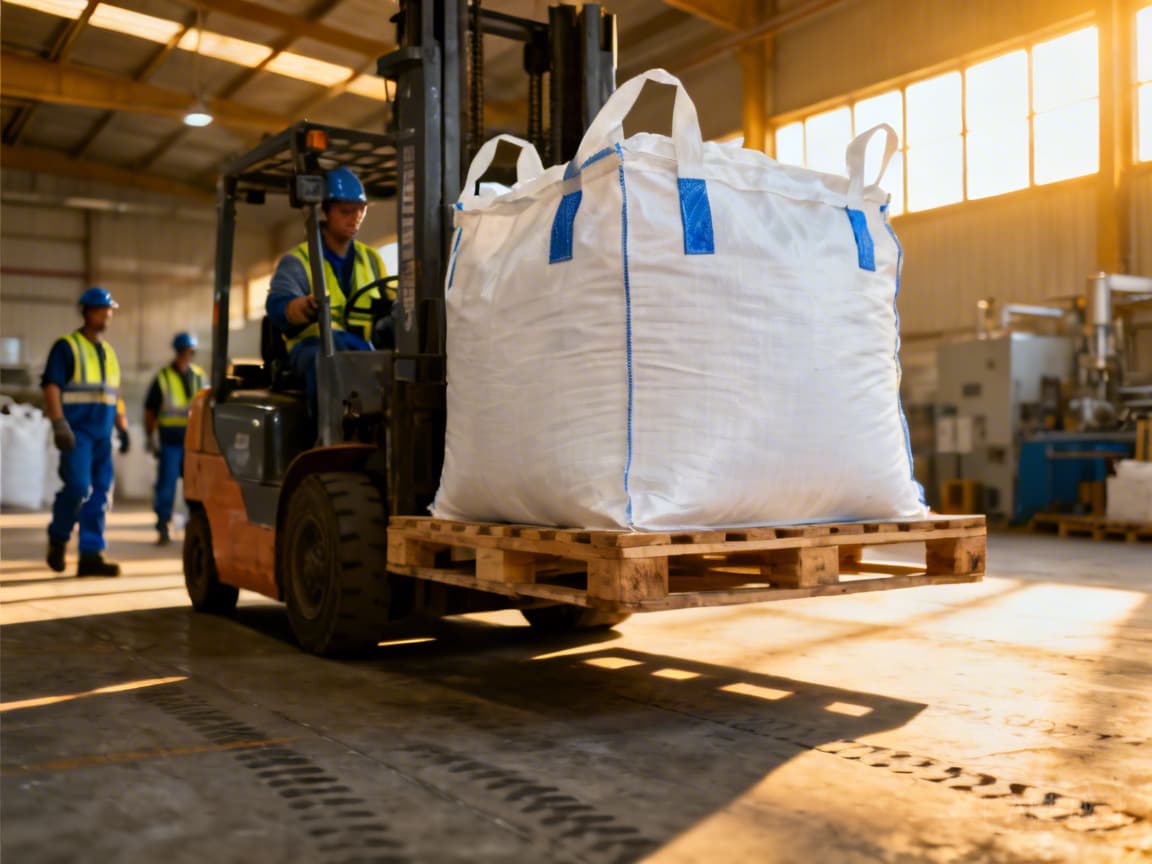
The operational phase offers significant leverage. Proper handling is not just a safety issue—it's an environmental imperative. As demonstrated by the operational guidelines from suppliers like Shandong Lusu Packaging, correct吊装,搬运, and storage practices prevent damage and extend service life. Avoiding friction,钩住, and exposure to sunlight and rain (as per storage guidelines) dramatically slows degradation. This practice of extending product life is a cornerstone of the circular economy, reducing the frequency of manufacture and disposal and slashing the per-shipment environmental cost.
3. Closing the Loop with End-of-Life Strategy
The final, often overlooked, stage is disposal. Landfilling represents a total loss of resources and a missed opportunity. True sustainability requires a plan for bulk bag recycling or responsible repurposing. Strategic FIBC manufacturers are developing take-back programs or partnerships to ensure used bags are processed into new materials, creating a closed-loop system that aligns with global circular economy goals and mitigates waste liability for the end-user.
Building a Strategic Partnership: The Sustainable FIBC Framework
Transitioning to a sustainable FIBC program requires a shift from transactional buying to strategic partnership. When evaluating suppliers, move beyond basic specifications and incorporate these critical questions into your assessment framework:
- Environmental Transparency: Can they provide data on recycled material content or product carbon footprint? What is their renewable energy usage in production?
- Lifecycle Services: Do they offer technical guidance for optimal use and storage to maximize lifespan? Do they provide a clear pathway for bag回收 or recycling?
- Compliance & Governance: Do their operations align with global standards akin to YKK’s Global Compliance Code (YGCC)? Is their quality management robust enough to ensure consistency and safety, preventing waste from premature failure?
The return on this investment is multifaceted. It includes direct contributions to Scope 3 emission reductions, enhanced brand value, resilience against future carbon taxes, and assured compliance with evolving regulations. The operational savings from reduced bag failure—a core lesson from industry experience—compound these strategic benefits.
Conclusion: The Sustainable Supply Chain Lever
In the mission to decarbonize supply chains, every component matters. FIBCs, used by the millions, represent a significant and actionable opportunity. By partnering with a manufacturer that views sustainability as a core engineering and strategic principle—one that manages the entire lifecycle from green materials to circular disposal—companies can transform a basic packaging item into a driver of ESG performance. The data from leaders like YKK proves the ambitious targets are achievable. The question is no longer if you should re-evaluate your FIBC strategy, but how quickly you can start. Begin the conversation with your supplier today—their answers will reveal whether they are a tactical vendor or a strategic partner for a sustainable future.
Related News
Other news you might be interested in
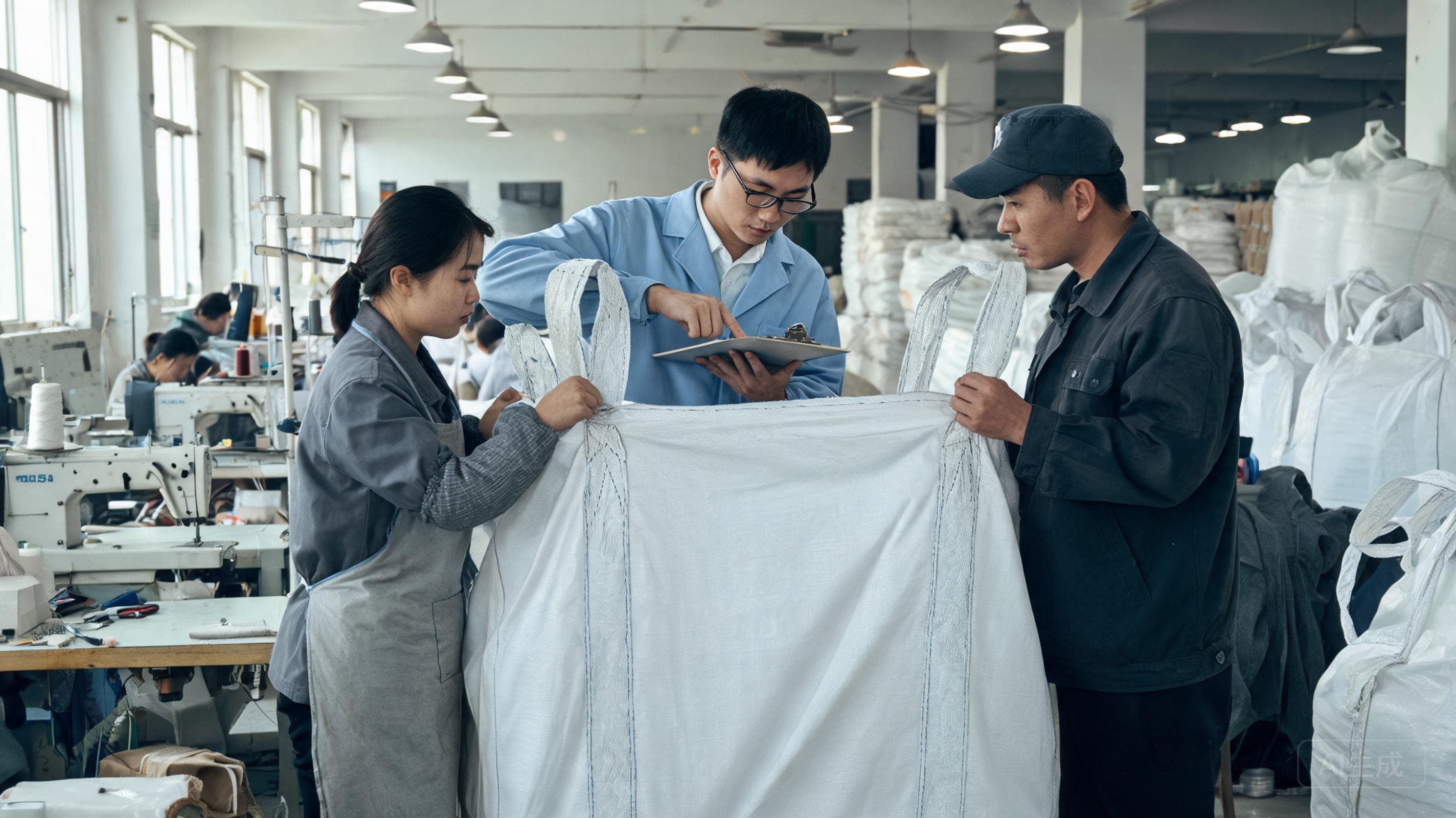
How to Choose the Right FIBC Bulk Bag Supplier for Safer, More Profitable Operations
Choose an FIBC supplier by matching bag design to your material and handling process, verifying quality controls, planning for supply continuity, and measuring total operating cost.
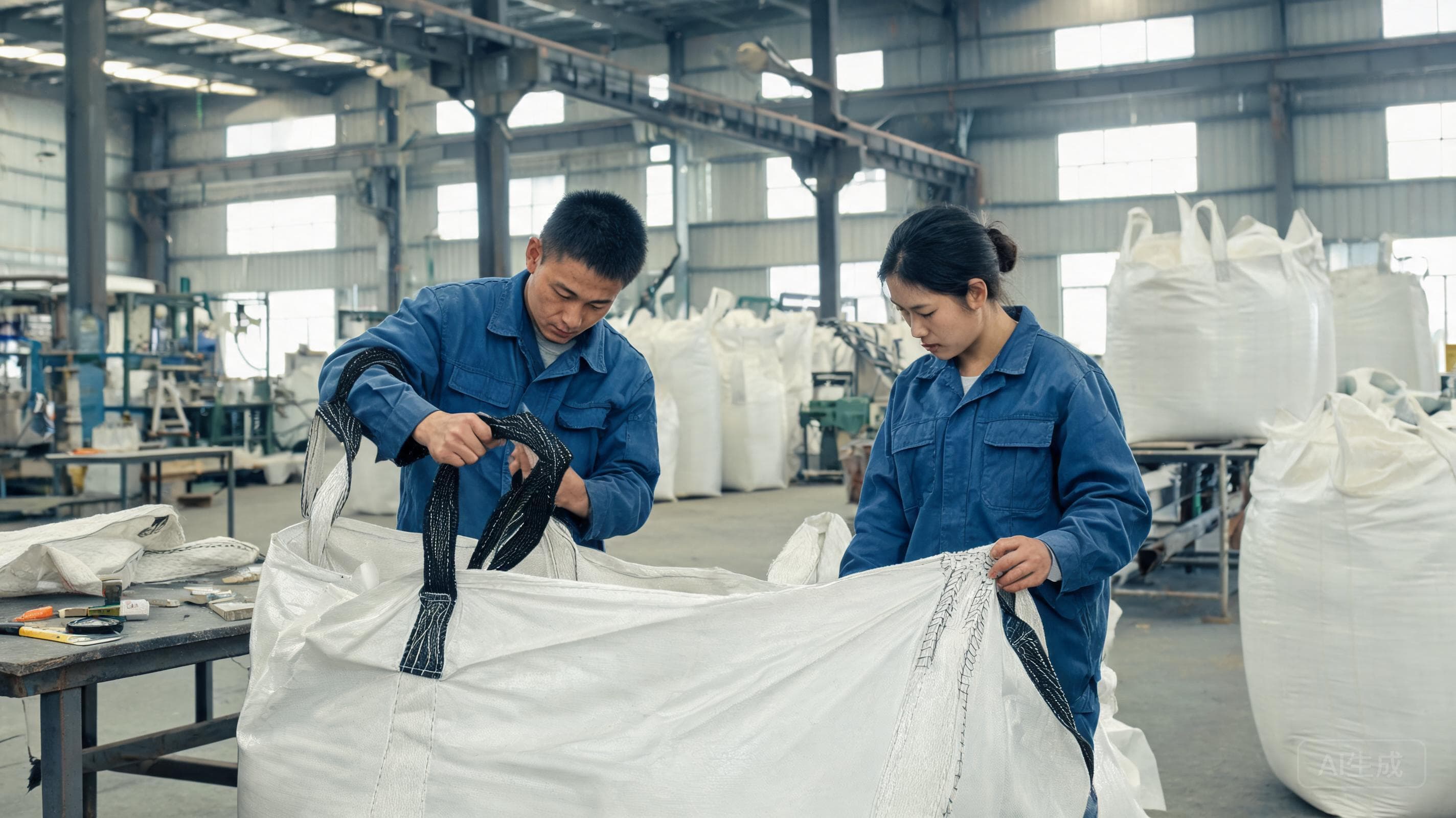
How to Choose FIBC Bulk Bags That Reduce Transit Risk and Support Reliable Supply
Learn how to match FIBC bulk bag design to your material, handling process, and route. Use samples, testing, and supplier checks to reduce transit risk and improve supply reliability.
Want to know more?
Get in touch with us for more information about our services and products.