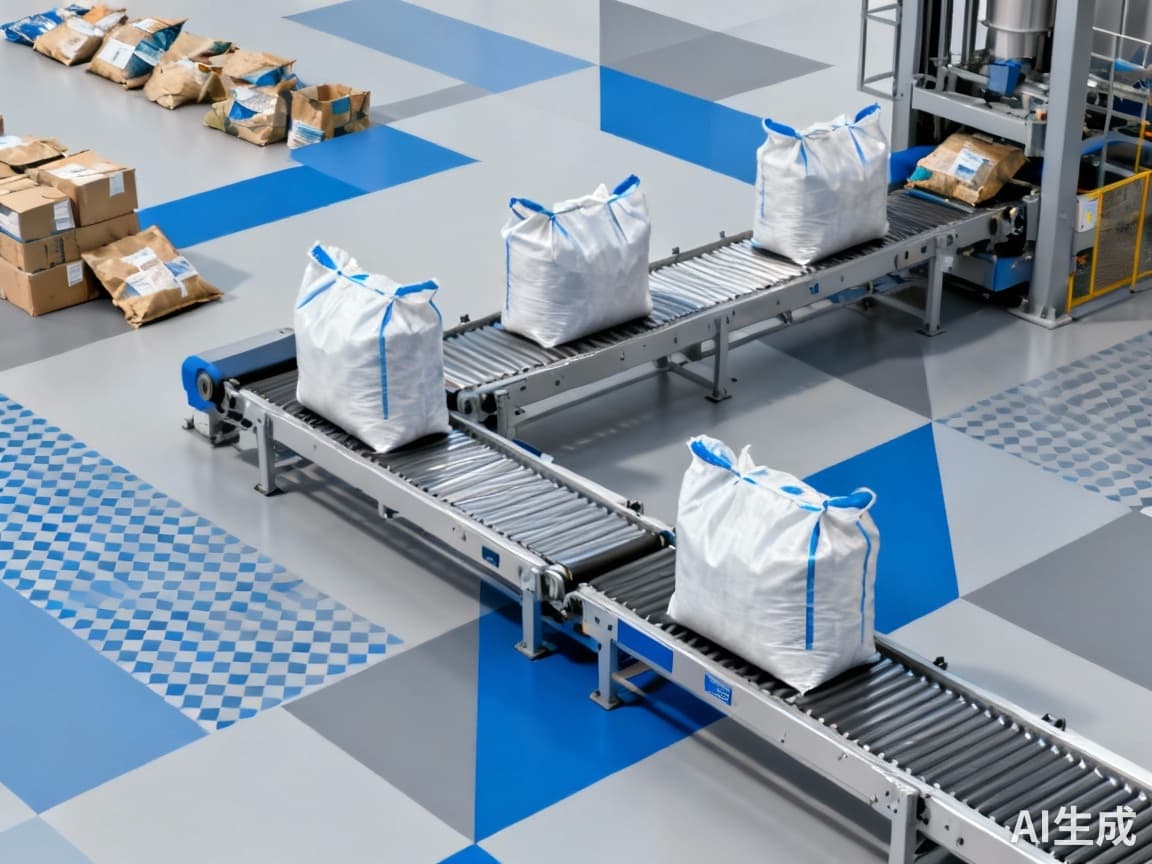
Bulk Bags Cut Plastic Waste 35% & Save $200K: Data-Backed Strategy for Volatile Markets #31
RUNCHEN
AuthorWith more than 25 years of experience in FIBC bulk bag manufacturing and sales, RUNCHEN operates its own production facility with stable batch capacity. We specialize in FIBC bulk bags, jumbo bags, ton bags, and customized industrial packaging solutions.
Market Volatility Demands New Packaging Strategies
The packaging industry is facing unprecedented challenges in 2024. With over 4 million tons of new production capacity coming online in China's packaging paper market and export orders surging dramatically in Q4 across Southern and Eastern regions, manufacturers are grappling with both supply chain instability and cost pressures. Global plastic production reached 460 million tons in 2019, representing a 230-fold increase over 70 years, with approximately 0.5% of plastic waste entering oceans annually. This perfect storm of market volatility and environmental pressure requires innovative solutions that address both economic and sustainability concerns simultaneously.
Data-Backed Case: How Bulk Bags Delivered 35% Plastic Reduction and $200K Savings
The Tingyi (Master Kong) case study demonstrates the tangible benefits of transitioning to bulk bag solutions. Faced with mounting plastic packaging waste and rising costs, the food manufacturing giant implemented a comprehensive bulk bag transportation system for raw materials, complemented by paper box and vinegar barrel recycling programs.
The results were substantial: 35% reduction in plastic usage and $200,000 in annual cost savings. More importantly, the company achieved significant ROI while enhancing its environmental credentials. This success story proves that sustainable packaging solutions can deliver both ecological and economic benefits when implemented correctly.
"The key insight from our implementation was that bulk bag systems require integrated recycling infrastructure to achieve maximum efficiency and cost savings," noted the Tingyi project team.
Five-Step Implementation Framework for Bulk Bag Transition
Based on successful industry implementations, here is a structured approach to adopting bulk bag solutions:
Step 1: Comprehensive Packaging Flow Assessment
Begin with a detailed analysis of your current packaging ecosystem. Map out material flows, identify waste hotspots, and calculate total cost of ownership for existing packaging solutions. This assessment should include:
- Material procurement costs
- Storage and handling requirements
- Transportation and logistics expenses
- Waste management and disposal costs
- Environmental impact metrics
Step 2: Design Integrated Recovery Logistics
The Tingyi case demonstrates that success depends on creating a closed-loop system. Develop a recovery network that ensures used bulk bags are efficiently collected, cleaned, and returned to service. This requires:
- Establishing collection points at customer facilities
- Implementing tracking systems for bag lifecycle management
- Developing cleaning and inspection protocols
- Creating quality standards for reused bags
Step 3: Select Appropriate Bulk Bag Specifications
Different applications require different bulk bag configurations. Consider these industry-standard options:
- Internal Loop Bags: Ideal for high-strength transportation needs
- Breathable Bags: Essential for food industry applications requiring ventilation
- Static-Control Bags: Critical for chemical and pharmaceutical industries
- Food-Grade Certified Bags: Necessary for direct food contact applications
Step 4: Establish Supplier Collaboration Standards
Work closely with FIBC bulk bag manufacturers to ensure compatibility with your operational requirements. Key considerations include:
- Standardized dimensions for handling equipment compatibility
- Quality assurance protocols and certification requirements
- Delivery schedules aligned with production cycles
- Technical support and maintenance services
Step 5: Implement Monitoring and Optimization Systems
Establish KPIs based on the Tingyi success metrics: 35% plastic reduction and significant cost savings. Monitor performance through:
- Regular waste audits and material flow analyses
- Cost tracking against baseline measurements
- Environmental impact assessments
- Customer feedback on packaging performance
Navigating Market Volatility with Strategic Packaging Choices
The 2024 packaging paper market volatility, characterized by massive new production capacity and surging export orders, creates both challenges and opportunities. Bulk bags offer a strategic advantage in this environment by providing:
Cost Stability: Unlike paper packaging subject to raw material price fluctuations, bulk bags offer more predictable pricing structures. With the packaging paper market experiencing significant volatility, switching to bulk bags can provide cost insulation.
Supply Chain Resilience: The Q4 export order surge in Southern and Eastern China demonstrated how traditional packaging supply chains can become bottlenecks. Bulk bag systems, with their reusability and standardized handling, offer greater flexibility during demand spikes.
Future-Proofing: With increasing regulatory pressure on plastic waste and growing customer demand for sustainable practices, bulk bag systems position companies favorably for evolving market expectations.
Risk Mitigation and Implementation Considerations
While bulk bags offer significant advantages, successful implementation requires addressing potential challenges:
Infrastructure Investment
The initial transition requires investment in bulk bag filling equipment and handling systems. However, the Tingyi case demonstrates that ROI can be achieved within reasonable timeframes through operational savings.
Logistics Coordination
Developing an efficient recovery network requires coordination with customers and logistics partners. This is particularly important for companies with distributed operations or multiple customer locations.
Quality Control
Implement rigorous inspection protocols for returned bags to ensure they meet performance standards. This includes structural integrity checks, cleanliness verification, and documentation of usage cycles.
Conclusion: Strategic Advantage in Uncertain Markets
The combination of market volatility, environmental pressures, and economic constraints makes bulk bags an increasingly attractive solution for industrial packaging. The documented 35% plastic reduction and $200,000 cost savings achieved by Tingyi demonstrate the tangible benefits available to companies that implement comprehensive bulk bag systems.
As we look toward 2025, with continued market uncertainty and increasing focus on sustainable practices, bulk bag solutions offer a way to build supply chain resilience while achieving environmental goals. The key to success lies in implementing a systematic approach that addresses both technical requirements and operational integration.
Companies considering this transition should begin with a detailed assessment of their current packaging ecosystem, followed by a phased implementation that prioritizes high-impact applications. By learning from successful implementations and adapting best practices to specific operational contexts, manufacturers can achieve similar results to the documented case studies.
Related News
Other news you might be interested in
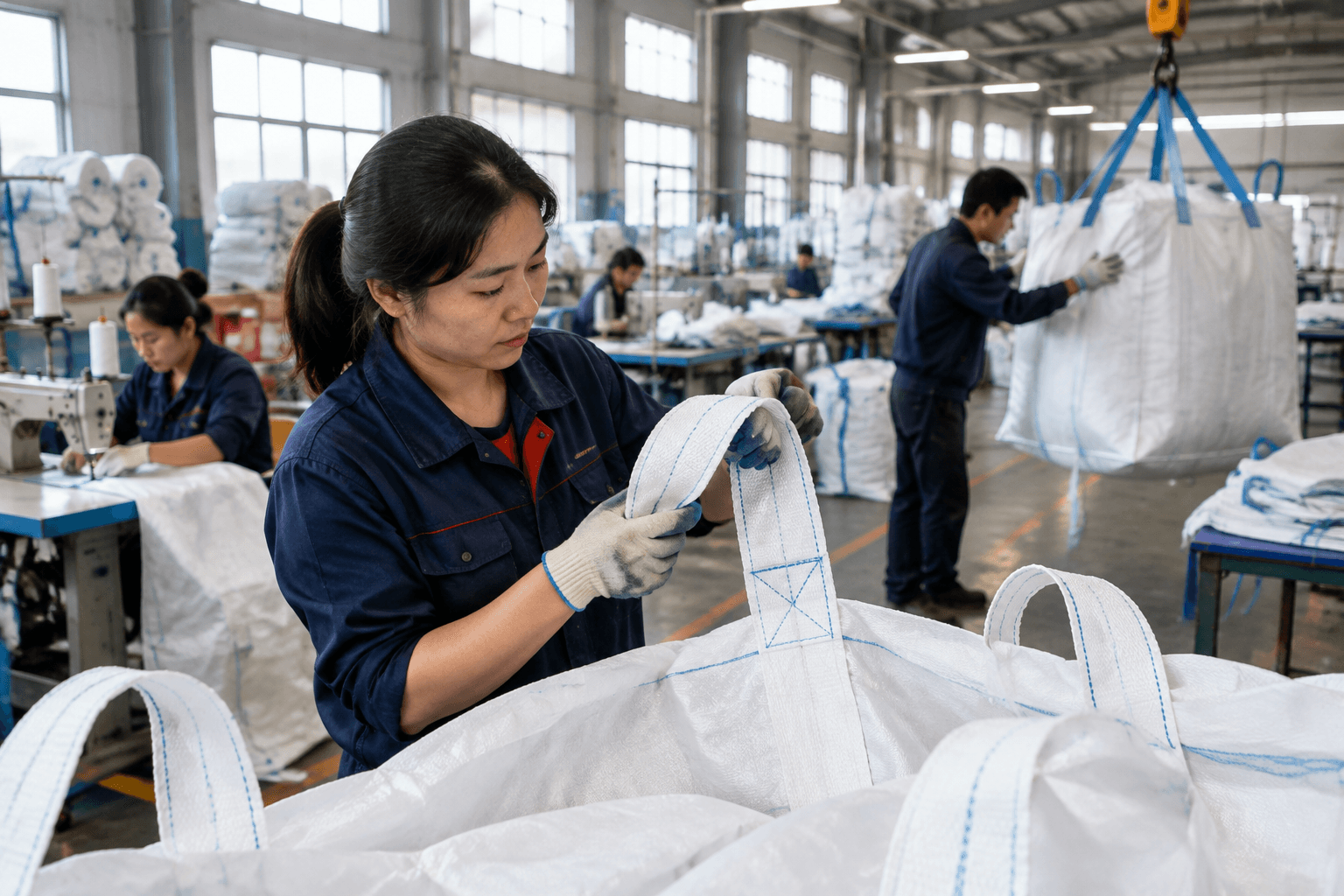
Choosing the Right Bulk Bag Manufacturer for Safer, More Efficient Operations
Learn how to specify bulk bags, evaluate manufacturers, and validate quality and supply reliability to reduce operational risk and support safer, more efficient handling.
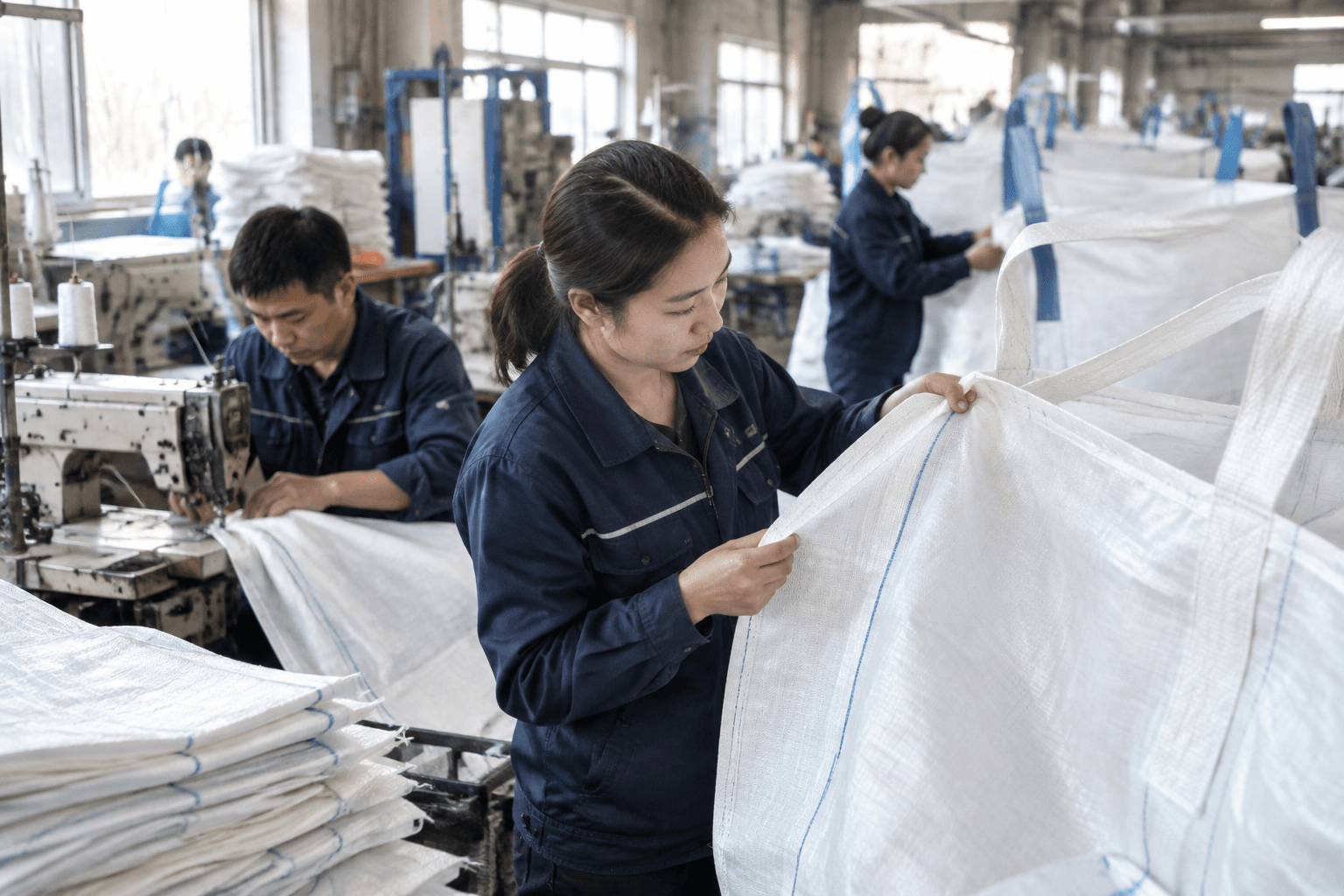
The 140th Canton Fair: New Trends in the Export Market for FIBC Bulk Bags, Jumbo Bags, and PP Woven Packaging
Explore how export buyers can evaluate FIBC bulk bags and PP woven packaging beyond unit price. Get practical guidance on specifications, supplier verification, sustainability requirements, and RFQs—and prepare your next sourcing conversation with COSEK.
Want to know more?
Get in touch with us for more information about our services and products.