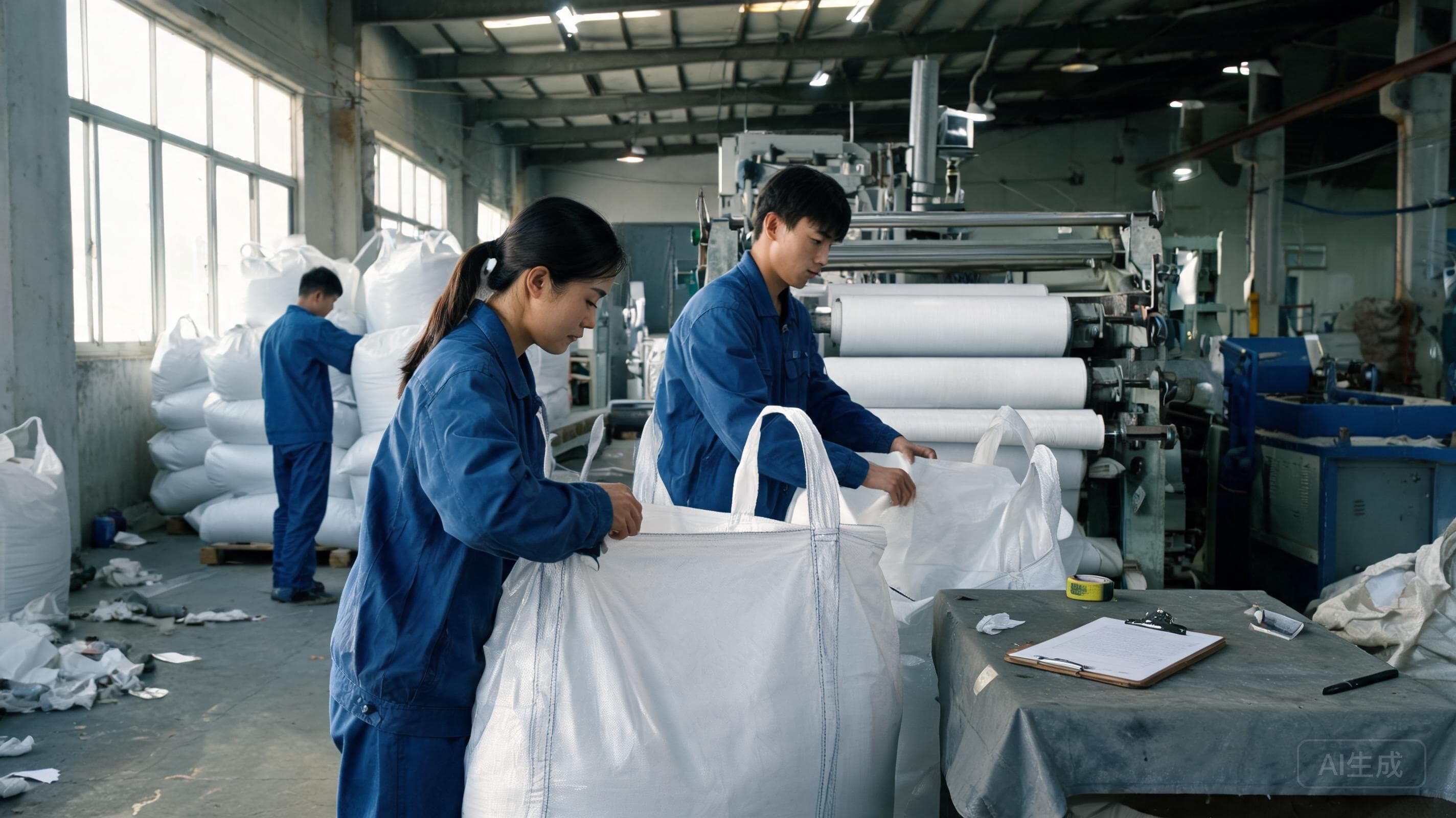
Choosing a Bulk Bag Manufacturer: Reduce Packaging Risk and Improve Supply Reliability
RUNCHEN
AuthorWith more than 25 years of experience in FIBC bulk bag manufacturing and sales, RUNCHEN operates its own production facility with stable batch capacity. We specialize in FIBC bulk bags, jumbo bags, ton bags, and customized industrial packaging solutions.
When packaging problems become production and delivery problems
Bulk packaging is rarely a standalone purchasing decision. If a bag fails, leaks, arrives late, or does not work with the filling line, the impact extends beyond the packaging budget. Production can slow, material can be lost, quality teams may need to investigate, shipments can miss their windows, and customer relationships may be affected.
Procurement and operations teams often manage several packaging risks at once: inconsistent bag quality, leakage, product contamination, missed delivery windows, and bags that do not fit existing filling, lifting, storage, or discharge equipment. They also need to control unit costs, meet technical specifications, satisfy compliance requirements, and work with a supplier that responds when priorities change.
The practical objective is to identify a tonne bag manufacturer that can translate your operating requirements into a documented FIBC specification and deliver it consistently. Use the framework below to evaluate suppliers and select the right bulk bag before packaging issues affect production or shipments.
Start with the job the bag must do
Before requesting a quotation, define the application in enough detail for the supplier to recommend and price the right bag. A request for a “1-tonne bulk bag” may produce quotes that appear comparable but include different materials, construction methods, safety factors, liners, closures, and quality controls.
Your starting specification should cover:
- Material type, particle size, bulk density, moisture sensitivity, and flow characteristics
- Whether the product is a powder, granule, food ingredient, pharmaceutical material, chemical, mineral, or other bulk material
- Fill method, such as gravity, screw, pneumatic, or automated filling
- Discharge method, such as a discharge spout, flat bottom, cutting, or controlled emptying system
- Target capacity, required dimensions, and usable volume
- Storage conditions, including indoor, outdoor, humid, refrigerated, or temperature-sensitive environments
- Transport route, palletization method, stacking requirements, and export handling conditions
- Forklift, hoist, crane, conveyor, and warehouse handling requirements
Application-specific requirements matter. A bag that works well for dry plastic pellets may not be suitable for fine powders, food ingredients, pharmaceutical materials, or products requiring greater moisture protection. The bag must support the actual material and process, not simply meet a nominal capacity.
Confirm key technical details before approval, including dimensions, safe working load, safety factor, lifting configuration, liner requirements, closure style, fabric type, coating, printing, labeling, and applicable product-contact requirements. A qualified supplier should clarify these points rather than rely on assumptions.
For a sourcing project, share your application details and current bag specification with the manufacturer. A tailored recommendation is more useful than a generic quote and can reveal fit or handling issues before production begins.
Match the bag design to the material and operating environment
FIBC performance depends on more than fabric weight. Fabric construction, seams, coating, liners, inlet and outlet design, closures, and lifting loops all affect containment, filling efficiency, discharge behavior, and handling safety.
Fine powders may require closer attention to seam construction, coated fabric, liners, and filling or discharge interfaces. Materials exposed to moisture may need barrier protection. Products that bridge or compact during discharge may need a design that supports controlled emptying. For bags lifted repeatedly or moved through multiple transport stages, the lifting configuration and safe working load should match actual handling conditions.
Evaluate leak prevention as a system-level requirement. Consider the product, bag construction, liner or barrier options, filling process, closure method, transport conditions, and discharge setup together. A well-designed bag can still leak if it is overfilled, incorrectly closed, incompatible with the filling head, or discharged under unsuitable conditions.
Buyers assessing leak-control requirements may consider the COSEK White Cylindrical Leak-Proof Bulk Bag. Validate its suitability against the material, particle size, dust behavior, fill method, and discharge process. For operations that require smaller unit sizes, more controlled handling, or efficient use of limited storage space, the COSEK Small Bulk Bag may also be worth evaluating.
Build product-integrity requirements into the specification
For food ingredients, feed materials, pharmaceuticals, and other sensitive products, address product integrity at the specification stage. Do not wait until the purchase order is finalized to ask whether a bag is suitable for product contact or whether supporting records are available.
Clarify the intended use, product-contact conditions, traceability expectations, hygiene requirements, and documentation required by your quality team and applicable regulations. Requirements can vary by product, destination market, processing environment, and level of direct contact.
Verify any food-grade claim through relevant documentation, quality controls, material declarations, and product-specific compliance information. Bag color, appearance, or a general supplier statement alone does not establish suitability for a particular food-contact application.
The COSEK White and Red Food-Grade Bulk Bag is one product format to evaluate when a food-grade bulk packaging solution is required. Before approval, confirm the application, contact conditions, supporting documentation, traceability procedures, and any customer or regulatory requirements relevant to your operation.
During supplier qualification, request material declarations, quality records, batch identification procedures, and product-specific compliance information. These records help procurement and quality teams assess whether the proposed bag meets internal approval requirements.
Evaluate the manufacturer, not just the quoted unit price
The lowest quoted price is not always the lowest total cost. A bulk bag that requires rework, causes product loss, fails incoming inspection, delays a filling line, or arrives after a production deadline can quickly erase a small purchase-price advantage.
Compare tonne bag manufacturers on the controls behind the quotation, including:
- Specification review and change-control procedures
- Incoming material management
- In-process quality checks and finished-product inspection
- Batch identification and traceability practices
- Production capacity and lead-time planning
- Communication during sampling, production, and delivery
- Corrective-action and problem-resolution processes
- Customization for dimensions, loops, liners, closures, labels, and printing
Ask how the supplier prevents specification drift between the approved sample and mass production. Find out what happens if raw materials change, a production issue is detected, or delivery schedules need to be adjusted. Clear answers indicate whether the manufacturer has a process for protecting your requirements after the order is placed.
The cost of defects and delays can include rejected loads, material cleanup, downtime, emergency purchases, expedited freight, customer claims, and additional inspection. These costs often fall to operations and quality teams rather than appearing on the original packaging purchase order.
Compare quotes using a consistent framework. Confirm what each supplier has included: bag dimensions, fabric specification, coating, liner, lifting loops, inlet and outlet configuration, printing, labels, inspection level, packaging method, lead time, shipping terms, documentation, and sample approval. Any item left as an assumption can become a later cost change or performance risk.
Check sustainability, workforce, and compliance practices with evidence
Assess environmental and social claims with evidence rather than broad statements. Ask which standards apply, what scope they cover, whether independent audit evidence is available, and how the supplier manages relevant supply-chain documentation.
Standards and guidance documents may offer useful context, but buyers should verify whether a particular standard applies to the specific bulk bag, material, and manufacturing process under review. A standard associated with one material or product category should not automatically be assumed to apply to an FIBC.
A practical supplier questionnaire can cover certifications, audit scope, environmental controls, waste handling, workforce practices, training, data handling, document retention, corrective-action procedures, and supply-chain traceability. The goal is to understand how the supplier manages risk in practice and which claims can be supported by records.
Choose configurations that support efficient handling and clear identification
Color, construction, printing, labels, and integrated features can support faster identification and smoother workflows when matched to the buyer’s operation. A distinctive design may help teams separate products, grades, production batches, destinations, or handling instructions in a busy warehouse or production area.
Buyers considering an integrated design may evaluate the COSEK Light Blue Integrated FIBC. Confirm the exact features, construction details, and operational fit with the supplier before standardizing the design. The right configuration depends on how the bag will be filled, moved, stored, opened, discharged, and identified throughout its lifecycle.
Before approving a new configuration, verify compatibility with your filling line, lifting equipment, warehouse racking, pallet system, transport method, and site procedures. A technically sound bag may still create inefficiency if loop spacing does not suit forklift handling, dimensions do not fit storage locations, or inlet and outlet designs do not align with existing equipment.
If a new design could affect production-line performance, conduct a sample evaluation or controlled trial. Testing under real operating conditions provides better evidence than visual review alone.
Use a pilot order to reduce sourcing risk
A pilot order is a practical way to reduce sourcing risk before committing to a larger volume. It allows procurement, operations, and quality teams to verify that the agreed specification performs under actual filling, handling, storage, and transport conditions.
A staged validation process can include:
- Approve the bag drawing, technical specification, and labeling requirements.
- Review samples for dimensions, workmanship, construction, and equipment fit.
- Run a controlled production trial with the intended material and filling process.
- Observe handling, stacking, transport preparation, storage, and discharge performance.
- Document results and resolve any changes before placing a larger purchase order.
Define acceptance criteria in advance. These may include dimensions, safe working load, workmanship, label accuracy, printing, packaging, documentation, lot identification, and relevant performance checks. Include any special containment, hygiene, or handling requirements in the pilot acceptance plan.
A pilot can uncover fit, filling, discharge, sealing, lifting, or handling issues while changes are still manageable. It also helps confirm that production bags match the approved sample and not just the wording of a quotation.
If your application is new, changing, or operationally sensitive, request samples or discuss a pilot order based on your material, target capacity, anticipated volume, and handling process.
Assess the potential return on a better packaging decision
Measure the return on a bulk bag decision through operational outcomes, not only unit price. Relevant indicators may include damaged loads, product loss, downtime, filling or discharge speed, manual intervention, inspection effort, customer claims, and replenishment predictability.
Establish a baseline before comparing suppliers. Track packaging-related defects, rejected deliveries, cleanup events, product loss, line interruptions, expedited freight, incoming inspection time, customer complaints, and total landed cost. This creates a more meaningful comparison than price per bag alone.
Build your return-on-investment case from your own operational baseline, supplier offer, trial results, and expected total cost of ownership. Treat external figures or general guidance as context only unless the original source clearly confirms the metric, currency, reporting period, and relevance to your packaging decision.
Use a practical supplier qualification checklist
Before approving a bulk bag manufacturer, make sure procurement, operations, quality, and sustainability stakeholders can answer the same core questions:
- Is the bag suitable for the material, fill method, discharge method, and operating environment?
- Are dimensions, capacity, safe working load, safety factor, loops, closures, and liner requirements documented?
- What quality controls apply to incoming materials, production, finished inspection, and batch identification?
- What compliance, material, food-contact, or traceability records are required?
- Can the supplier support the required production capacity and lead time?
- What customization is available for construction, color, printing, labels, and packaging?
- How will samples, pilot orders, specification changes, and nonconformities be managed?
- What after-sales support is available if a performance issue occurs?
Request a written quotation tied to an approved specification, not a general description. Review it alongside an agreed inspection or acceptance plan so quality expectations are clear before production starts.
A downloadable specification checklist can help consolidate application information before you approach suppliers. It can also align procurement, operations, quality, and sustainability requirements before final approval.
Turn your bulk bag requirements into a sourcing conversation
The right bulk bag solution begins with clear requirements. Share your material type, target capacity, fill and discharge methods, operating environment, compliance needs, current bag challenges, and estimated order volume to receive a more relevant recommendation.
COSEK can discuss options including the COSEK Small Bulk Bag, COSEK White Cylindrical Leak-Proof Bulk Bag, COSEK White and Red Food-Grade Bulk Bag, and COSEK Light Blue Integrated FIBC. Match recommendations to documented application requirements and confirm suitability through appropriate samples, trials, and compliance records.
Send COSEK your bulk bag requirements to request a specification review and product recommendation.
Related News
Other news you might be interested in
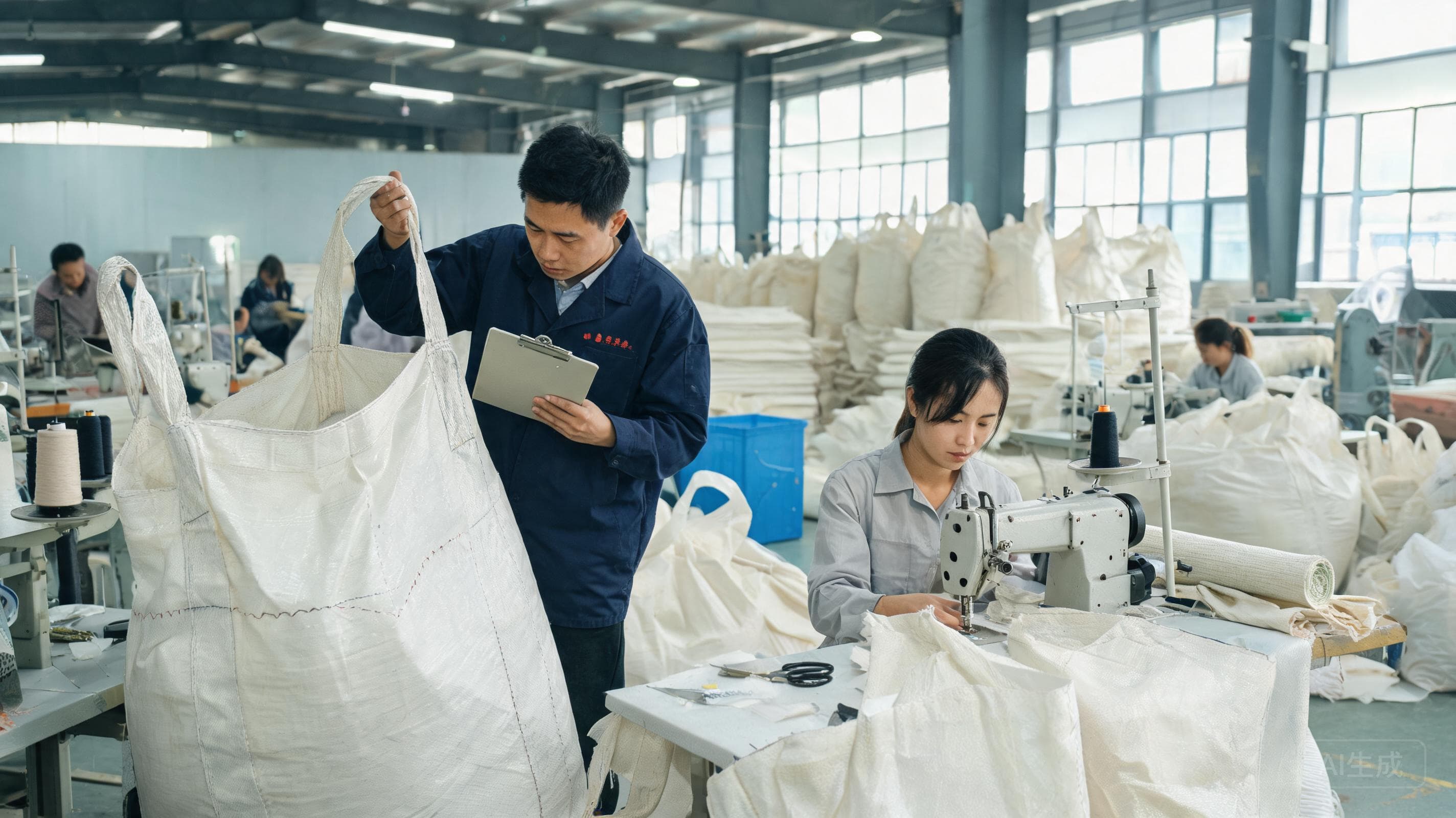
How to Qualify a Bulk Bag Manufacturer for Reliable, Compliant Packaging Supply
Use this practical framework to assess bulk bag specifications, quality controls, compliance, delivery reliability, and total cost before choosing a manufacturing partner.
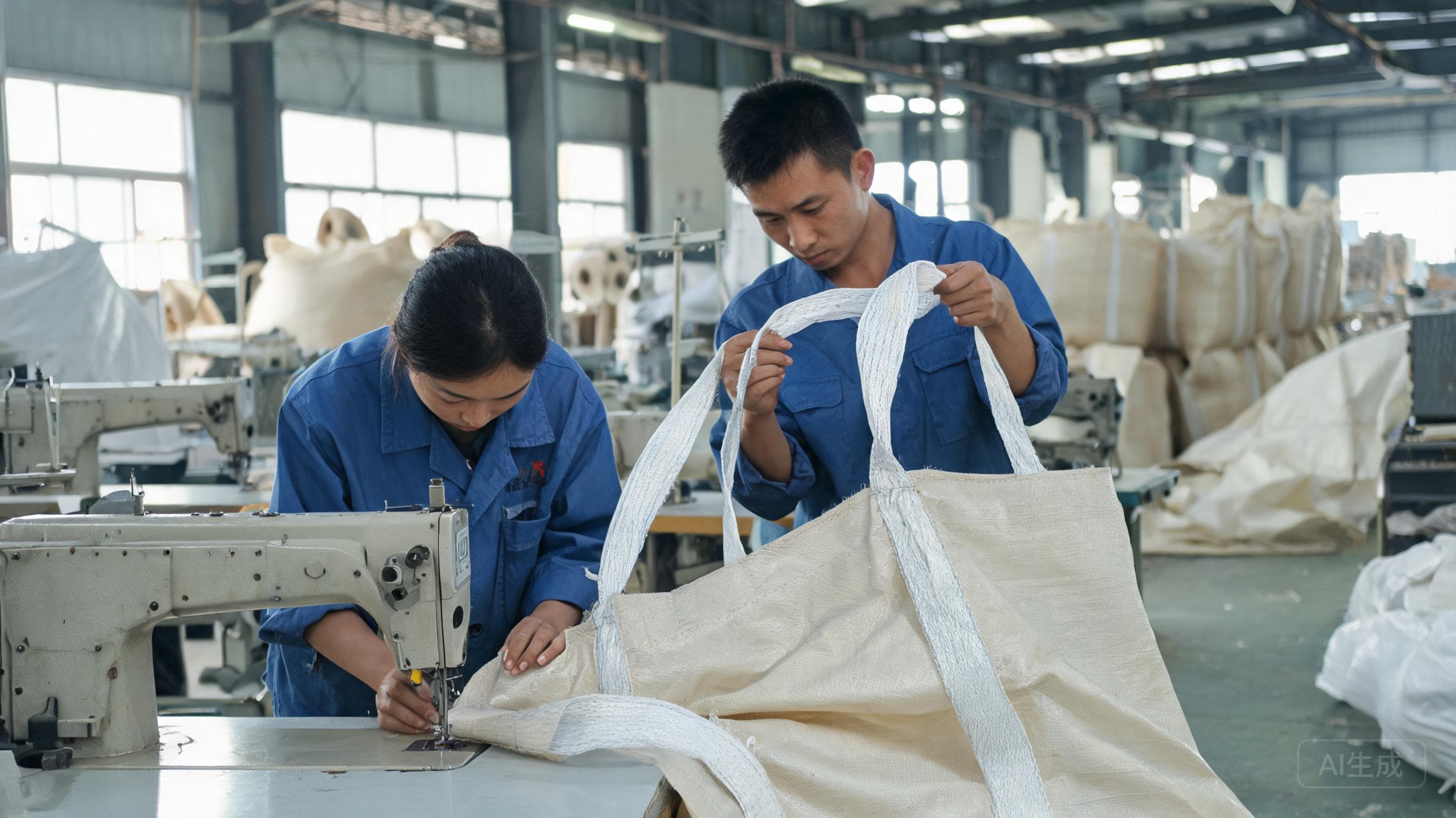
How to Choose a Bulk Bag Manufacturer That Protects Product Quality and Reduces Supply Risk
Evaluate bulk bag manufacturers on application fit, quality controls, compliance, and supply readiness. Use a clear specification and trial plan to reduce product loss and procurement risk.
Want to know more?
Get in touch with us for more information about our services and products.