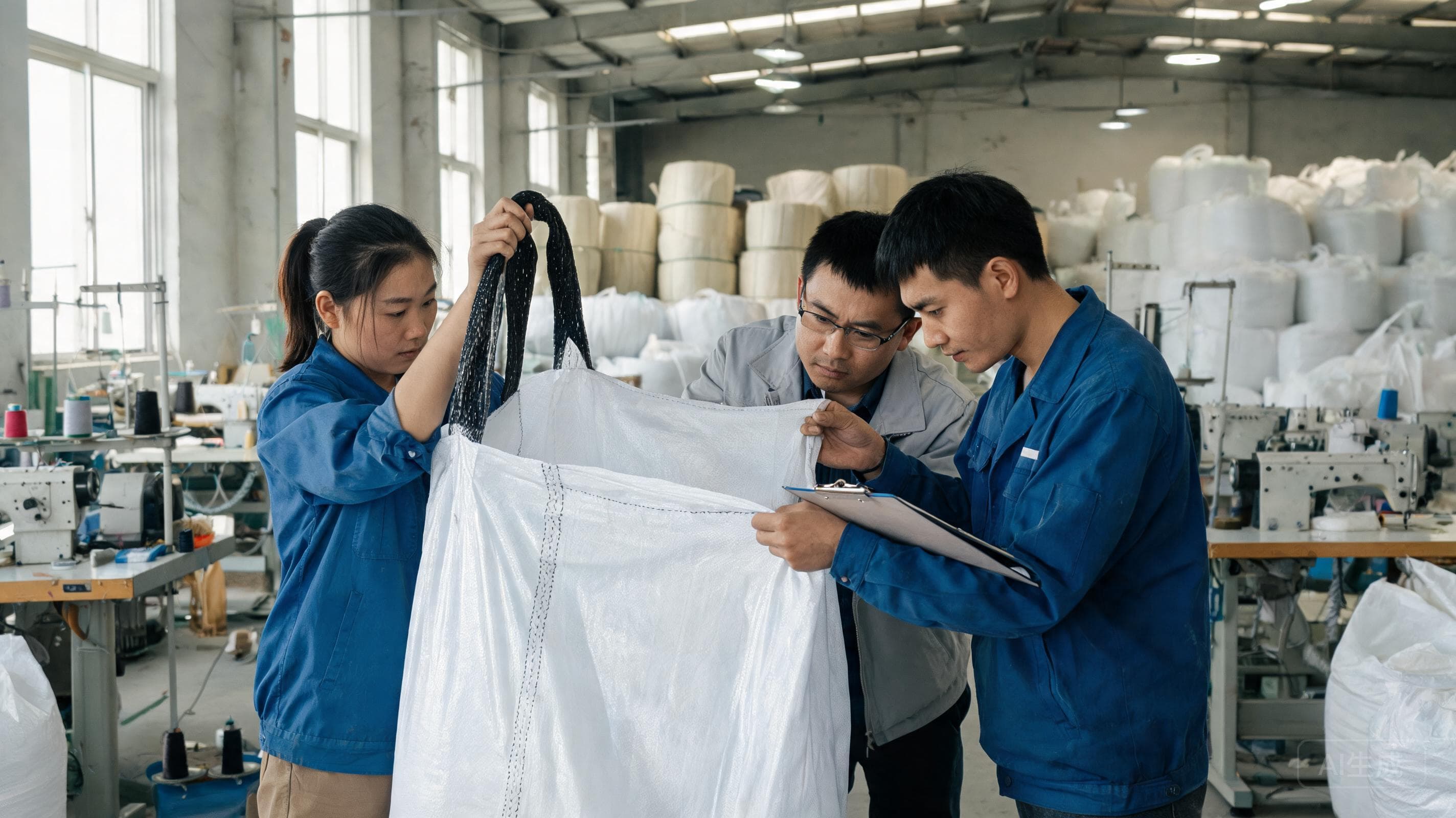
Choosing a FIBC Manufacturing Partner: A Practical Guide to Compliance, Quality, and Supply Reliability
RUNCHEN
AuthorWith more than 25 years of experience in FIBC bulk bag manufacturing and sales, RUNCHEN operates its own production facility with stable batch capacity. We specialize in FIBC bulk bags, jumbo bags, ton bags, and customized industrial packaging solutions.
Start with the Application, Not the Catalogue
Choosing a flexible intermediate bulk container (FIBC) supplier affects more than the cost of each bag. Procurement and operations teams must manage changing product requirements, delivery windows, equipment changeovers, and quality documentation. A bag that does not suit the filling line or end use can contribute to delays, handling issues, product loss, or additional compliance work.
Clear specifications and repeatable production can help reduce setup friction, particularly for operations using automated or multi-lane equipment. The right decision is not simply which supplier offers the lowest unit price. It is which FIBC manufacturing partner can reliably meet your application, quality, compliance, and supply requirements.
Before comparing bag options, describe what the bag needs to do. Define the packed material, weight and flow characteristics, filling and discharge methods, transport conditions, storage environment, and whether the bag will be reused. Include relevant details about your filling line and handling equipment.
Identify the priorities for the application. These may include containment, moisture protection, food-contact suitability, dangerous-goods requirements, or compatibility with automated handling. Requirements vary by product, destination market, and process, so do not assume a standard bag will meet every need.
Prepare a concise application brief before requesting a quotation or samples. Include the material, target weight, bag dimensions if known, filling and discharge arrangements, operating environment, documentation requirements, forecast quantities, and delivery location. Sharing these details early gives the manufacturer a stronger basis for recommending a suitable construction and can help prevent late specification changes that affect samples, production schedules, or delivery dates.
Match Bag Design to Required Performance
Review the design with the supplier rather than relying on a product name alone. Key choices may include dimensions, safe working load (SWL), safety factor, fabric and coating, lifting loops, top and bottom styles, seams, liners, and printing. The appropriate combination depends on how the bag will be filled, discharged, stored, stacked, transported, and handled.
Leak prevention depends on the complete construction and conditions of use. Ask which test methods are relevant, what acceptance criteria will apply, and whether evidence supports the intended application. Broad claims are not a substitute for an agreed specification and test requirements.
Where feasible, assess samples under conditions that reflect your actual operation. Once a configuration is approved, document the specification and approval criteria so repeat orders can be assessed against the same requirements.
Select the Right COSEK Bulk Bag for the Job
Depending on your application, these COSEK FIBC options may be relevant:
- COSEK White UN Certified Dangerous Goods FIBC Bulk Bag: An option for applications requiring an appropriate UN-certified FIBC. Verify the applicable certification, tested configuration, materials, and filling conditions for the specific goods and intended use.
- COSEK White General-Purpose FIBC Bulk Bag: A potential fit for routine bulk-material handling when the application does not require a specialized food-grade or dangerous-goods construction.
- COSEK White and Red Food-Grade Bulk Bag: An option for relevant food-related applications, subject to confirming food-contact requirements, manufacturing controls, and documentation for the intended market.
- COSEK White Cylindrical Leak-Proof Bulk Bag: An option to discuss when containment performance is a priority. Confirm suitability against the material, handling process, and agreed test requirements.
Compare options using a written specification matrix covering application fit, required documentation, available test evidence, operational requirements, and delivery expectations. This makes product differences easier to review and gives both parties a shared basis for approval.
Verify Compliance and Documentation Before Ordering
Ask which certificates, declarations, test reports, traceability records, and batch documents are available for the exact bag configuration. Confirm what each document covers, which configuration it applies to, and whether it meets the requirements of your product, customer, and destination market.
For dangerous-goods applications, confirm that the exact bag design and intended use align with applicable regulations and customer requirements. A general product description alone does not establish that a bag is suitable for a particular shipment.
For food-related applications, clarify the relevant market rules and the evidence required for materials and production controls. Define the required documentation before sample approval and production release, rather than treating it as a final administrative check.
Standards-oriented programs can involve technical and organizational measures. For example, the GOTS implementation manual illustrates how a standards program may require structured procedures and records. It is not a FIBC certification and cannot replace packaging-specific requirements.
Make document review and approval a procurement milestone before production begins. This helps resolve questions while design and production details can still be reviewed together.
Assess Manufacturing Quality and Production Consistency
Ask how the supplier controls and records each relevant stage, including incoming materials, cutting, sewing, printing, inspection, and final packing. Find out how specifications are communicated to production and how approved samples or reference standards support consistency.
Discuss how the manufacturer manages specification changes, nonconforming product, corrective actions, and repeat orders. Request evidence relevant to your purchase, such as inspection criteria, sample approvals, traceability practices, or quality records, rather than relying solely on general assurances.
Standardized specifications and clear communication can help reduce interruptions for customers using automated or multi-lane equipment. Any process improvement depends on fit with the customer’s equipment and operating conditions.
Evaluate Capacity, Lead Times, and Supply Resilience
Confirm production capacity, minimum or target order quantities, forecast requirements, lead-time assumptions, and options for managing urgent or seasonal demand. Ask how the manufacturer plans material availability and communicates risks that may affect delivery.
Review packaging, palletization, shipment planning, and receiving requirements as part of the purchase. Bags should arrive in a format that supports your receiving process and downstream workflow. Clarify delivery expectations, including assumptions about order timing and shipment arrangements.
Trade and market publications, including AUSTRIAN BUSINESS IN CHINA, can provide context for monitoring business conditions. They do not establish the capacity or delivery performance of a specific supplier; evaluate those points directly with the manufacturer.
Compare Total Cost and Operational Value
A quoted unit price is only one part of the cost. Consider bag performance, filling and discharge efficiency, product loss, handling time, inspection effort, and supply reliability. A lower-priced bag may not be the most economical choice if it creates added work or fails to perform as required.
Where practical, run a controlled trial comparing candidate bags under consistent operating conditions. Record outcomes that matter to your business, such as handling time, filling or discharge performance, product retention, and observed issues. Use the results to support a decision based on your own process.
Calculate return on investment using a customer-specific baseline and agreed operating metrics. Avoid applying savings figures from unrelated industries or processes. Operational improvements depend on process fit; results from one application do not establish FIBC savings for another.
Use Evidence Carefully When Building the Business Case
Industry context can help frame a purchasing decision, but it should be distinguished from evidence about a particular supplier or bag. The 2025 WEPACK event, for example, highlights attention to packaging challenges and expert problem-solving; it should not be used to imply unverified market-size figures or performance claims.
Similarly, GOTS implementation material and the Xiaomi Beijing factory hazardous-waste case reflect broader interest in documented environmental and operational practices. Neither is direct evidence of FIBC performance or a COSEK customer result.
For a decision that stands up to internal review, request application-specific samples, test documentation, and references relevant to your sector and use case. Keep verified supplier data distinct from general industry context in business cases and approval documents.
Supplier Evaluation Checklist
- Can the supplier translate your application brief into a clear, reviewable bag specification?
- Can it provide documentation and test evidence appropriate to the intended use and destination market?
- Are sample approval, production controls, change management, and traceability clearly explained?
- Can the supplier support your required volumes, lead times, order pattern, and delivery format?
- Are quotation assumptions, exclusions, testing responsibilities, and acceptance criteria stated in writing?
- Can the supplier support a trial and review the results with you before scale-up?
Move from Specification to a Confident Purchase
A sound supplier decision follows a clear sequence: define the application, select an appropriate bag type, verify compliance and documentation, evaluate manufacturing controls, and validate performance through samples or trials. This gives procurement and operations teams a stronger basis for comparing suppliers than price alone.
Share your material details, bag dimensions, filling and discharge requirements, target quantities, and delivery location to discuss a suitable configuration. COSEK can review your requirements for the COSEK White UN Certified Dangerous Goods FIBC Bulk Bag, COSEK White General-Purpose FIBC Bulk Bag, COSEK White and Red Food-Grade Bulk Bag, or COSEK White Cylindrical Leak-Proof Bulk Bag.
Related News
Other news you might be interested in
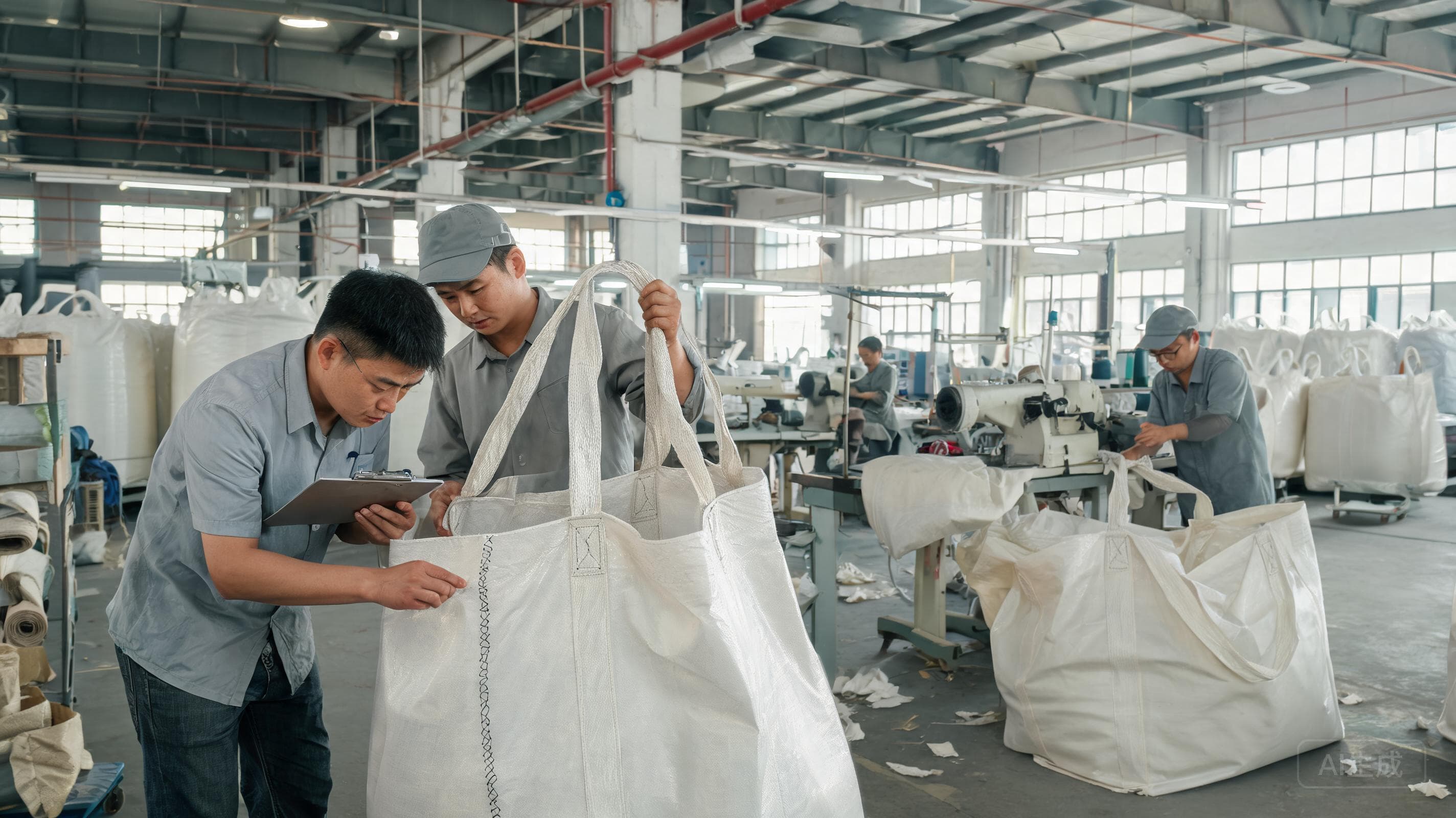
How to Choose a FIBC Bulk Bag Manufacturer That Reduces Risk and Supports Reliable Supply
Use this practical framework to assess FIBC manufacturers, align bag specifications with your application, verify quality and compliance, and build a more reliable supply plan.
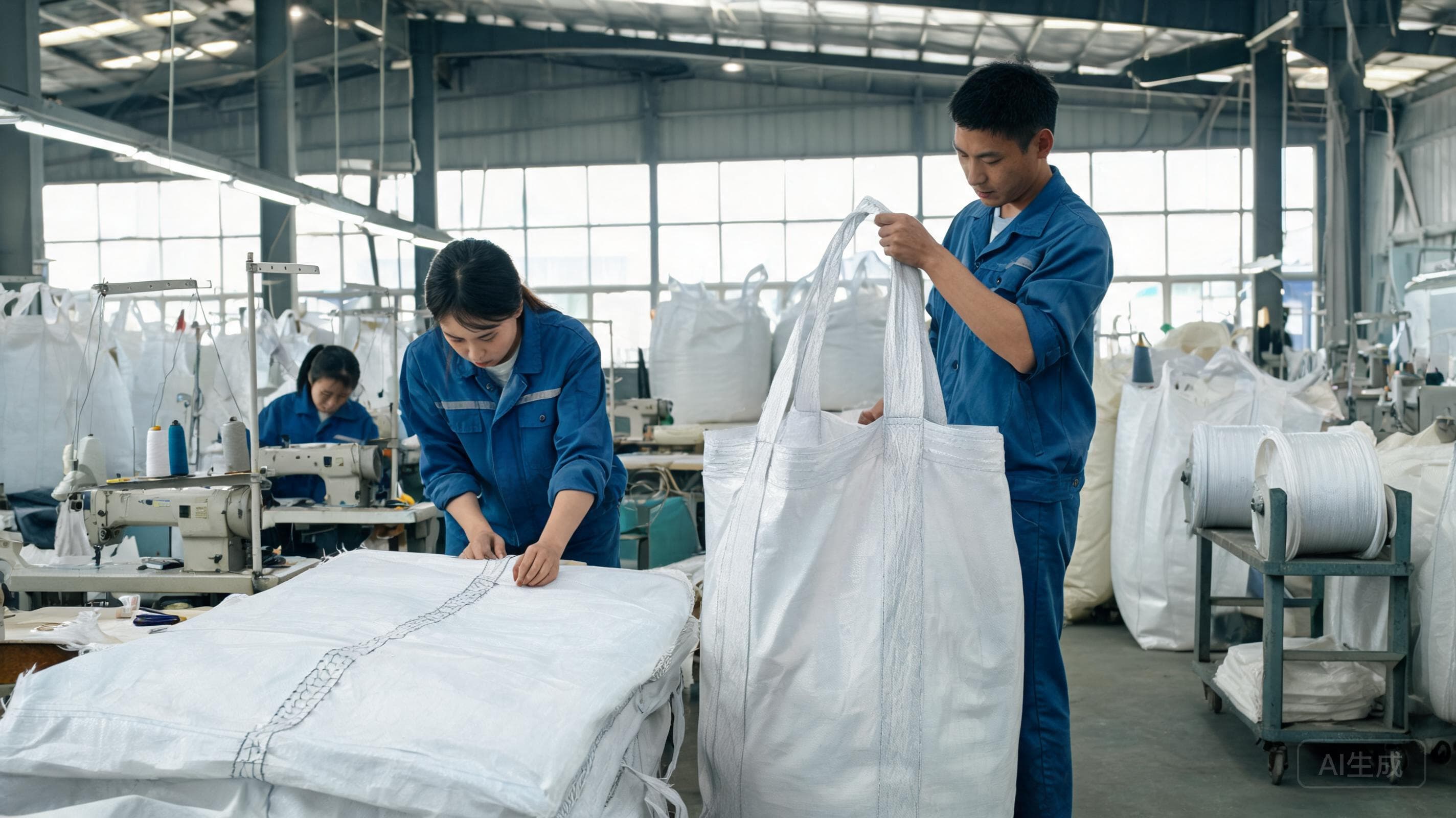
Choosing the Right FIBC Bulk Bag Manufacturer for Safer, More Efficient Operations
Learn how to qualify an FIBC manufacturer, match bag construction to your application, verify compliance, and reduce downtime with a practical sourcing checklist.
Want to know more?
Get in touch with us for more information about our services and products.