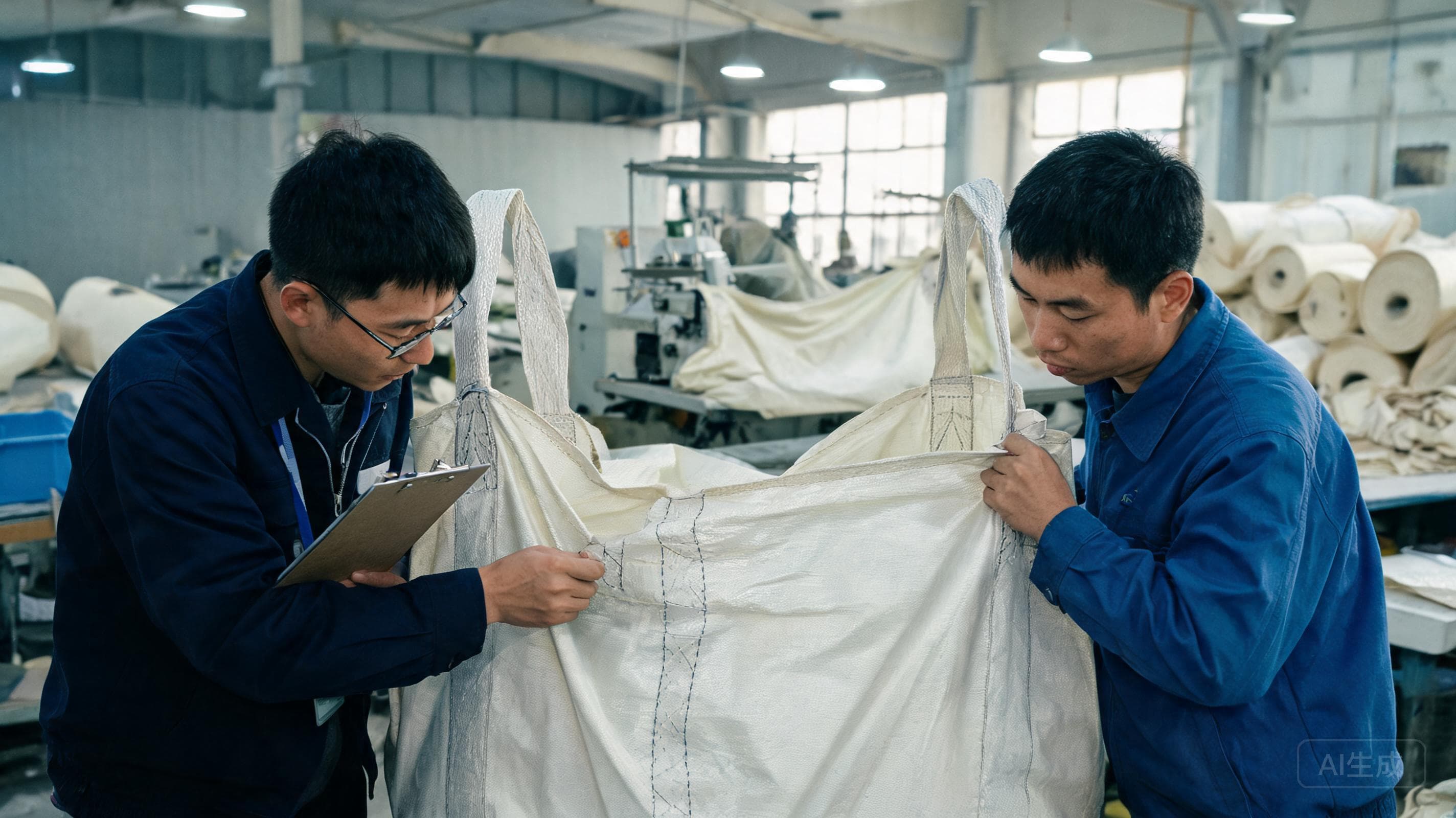
Choosing the Right FIBC Bulk Bag: A Buyer’s Guide to Safer, More Reliable Shipments
RUNCHEN
AuthorWith more than 25 years of experience in FIBC bulk bag manufacturing and sales, RUNCHEN operates its own production facility with stable batch capacity. We specialize in FIBC bulk bags, jumbo bags, ton bags, and customized industrial packaging solutions.
Why FIBC decisions matter as supply chains scale
Choosing an FIBC bulk bag affects product protection, handling safety, transport efficiency, production continuity, and total operating cost. For procurement, operations, and quality teams, the right specification can help prevent leakage, contamination, rework, shipment delays, and product loss.
As supply chains grow, buyers face increasing pressure to protect product quality while meeting handling, transport, storage, and cost requirements. A bag unsuitable for the material or process can create problems well beyond its unit price: filling interruptions, damaged loads, contamination concerns, rejected deliveries, and extra labor.
The 2024 ISTA China annual meeting highlighted an era of 100 billion parcels and growing interest in circular packaging. That figure relates to the parcel industry, not FIBC shipments, but it reflects a broader expectation that packaging should be reliable, efficient, and suitable for its full distribution journey.
For bulk-material operations, the right FIBC can support smoother filling, lifting, storage, transport, and discharge. The wrong construction, fabric, liner, loop design, or certification can lead to product loss, operational delays, or compliance issues.
This guide helps procurement, operations, and quality teams select an FIBC bulk bag based on the material, operating environment, and documentation or certification required for its intended use.
Start with the material, application, and operating environment
Begin with a clear picture of the product and process—not just a bag size or target price. Different bulk materials place different demands on FIBC construction, even when fill weights are similar.
Identify the material being packed, whether it is food ingredients, powders, granules, minerals, chemicals, or another bulk product. Then consider characteristics that may affect bag selection:
- Flowability and discharge behavior
- Particle size and abrasive properties
- Bulk density and target fill weight
- Moisture sensitivity and storage conditions
- Risk of dusting, leakage, or contamination
- Whether the product requires a liner or a specific filling or discharge configuration
Map the full handling journey: filling, lifting, storage, transport, discharge, and any potential recovery, reuse, or recycling. A bag that performs adequately during filling may still be unsuitable for outdoor storage, repeated forklift handling, long-distance transport, or demanding discharge conditions.
Confirm whether bags will be stored indoors or outdoors, exposed to moisture, stacked in a warehouse, handled by forklift or crane, and filled using automated or manual equipment. These details help the manufacturer assess fabric weight, seams, lifting loops, closures, liners, and other features against the actual application.
Sharing this information early reduces the risk of receiving a quotation for a bag that looks suitable on paper but does not fit your production process.
Match the bag design to the job
Choose bag format, fabric, seams, liner options, filling features, discharge outlets, and lifting loops for the product and process—not around initial price alone. A lower-priced bag may increase total costs if it slows filling, complicates discharge, raises leakage risk, or creates quality concerns.
For applications where food-contact suitability and contamination control are key considerations, evaluate the COSEK White and Red Food-Grade Bulk Bag. Review documentation for the intended application, destination market, and product-contact requirements before ordering.
Where dangerous-goods transport may apply, assess the COSEK White UN Certified Dangerous Goods FIBC Bulk Bag against the specific substance, transport method, packaging instruction, and certification scope. UN certification is not blanket approval for every material or shipment scenario.
For standard bulk-material handling without specialized food-grade or dangerous-goods requirements, the COSEK White General-Purpose FIBC Bulk Bag may be an option to evaluate. Confirm the final design against fill weight, material behavior, lifting method, storage conditions, and discharge process.
Where leakage control is a priority, consider the COSEK White Cylindrical Leak-Proof Bulk Bag for applications requiring a more controlled containment solution. Confirm material compatibility, filling method, seam design, closure requirements, and operating conditions before selection.
Before placing a production order, compare the product specification and physical sample with your workflow. Check compatibility with filling and handling equipment, stacking patterns, transport routes, and discharge methods. This can reveal costly specification gaps before production.
Make safety, certification, and quality control buying criteria
For regulated, sensitive, or higher-risk materials, define safety and documentation requirements before requesting a quotation. Waiting until pricing has been agreed can cause delays, re-specification work, or confusion about supplier obligations.
Identify applicable destination-market rules, transport requirements, customer specifications, and testing or documentation needs. For UN-certified applications, verify that the certification covers the intended packaging configuration and use. One certification does not automatically cover every product, fill weight, transport mode, or dangerous-goods classification.
Ask prospective suppliers how they manage:
- Raw-material control and traceability
- Fabric consistency and woven polypropylene quality
- Seam construction and inspection
- Bag dimensions, lifting-loop placement, and closure details
- Identification and handling of nonconforming products
- Production records and repeat-order consistency
Request documentation, test information, and sample evaluation appropriate to your application. Establish acceptance criteria before bulk production, especially when product contamination, leakage, dangerous-goods handling, or demanding storage conditions are concerns.
Clear specifications protect both buyer and supplier. They reduce ambiguity, support a more reliable approval process, and make quality issues easier to investigate if a problem arises after delivery.
Use industry data carefully
Industry statistics can provide context, but they should not replace application-specific supplier evidence. For example, one report on the global aluminium industry cited metallurgical alumina output of 130.4 million tonnes over a longer-term period. This illustrates the scale of upstream industrial supply chains; it is not evidence of FIBC demand, FIBC performance, or the suitability of a particular bulk bag.
Similarly, cited research-track material reports a 0.10% figure but does not establish a directly comparable benchmark for FIBC manufacturing quality or packaging performance. Before using any percentage in a supplier comparison, request the metric definition, sample size, scope, test method, and methodology.
Broad industry statistics and isolated research figures should not be presented as a COSEK case study, product result, or quantified return on investment. Base purchasing decisions on evidence relevant to your material and operating conditions, such as documented test results, inspection records, approved samples, and references from comparable applications.
Build a business case beyond unit price
Unit price matters, but it is only one part of the cost of using an FIBC bulk bag. A more useful comparison considers total cost across the handling cycle.
Evaluate the potential effect of bag selection on:
- Filling speed and labor requirements
- Discharge efficiency and residual product loss
- Storage space, stacking, and warehouse handling
- Transport utilization and load stability
- Leakage, damage, rejection, and cleanup exposure
- Disposal, recovery, or recycling considerations
Ask suppliers to help identify avoidable costs caused by unsuitable bag design, inconsistent quality, or unnecessarily complex specifications. Build the business case using your own baseline data, including reject rates, product loss, handling time, downtime, freight utilization, and the cost of managing damaged shipments.
Where practical, run a controlled trial before placing a larger order. Agree on success measures in advance, such as compatibility with filling equipment, leak resistance, discharge performance, documentation completeness, operator feedback, and product condition after transport or storage.
A well-designed trial validates the bag under real operating conditions rather than relying on generic ROI claims or assumptions based solely on photographs and specifications.
Questions to ask a bulk bag manufacturer
A productive supplier conversation should result in a precise, usable specification. Before placing an order, ask:
- What application details do you need to recommend the correct FIBC construction?
- Which product specifications, test records, and compliance documents can you provide for the intended use?
- How do you maintain production consistency and identify nonconforming bags?
- Can you provide samples or support a production trial, and how should we evaluate it?
- What customization, order-volume, lead-time, and repeat-order controls are available?
- How do you support buyers when requirements change or an issue arises after delivery?
The answers help you compare suppliers on more than quoted price. They also show whether a manufacturer understands your application and can support consistent supply as requirements evolve.
Move from specification to supply
A structured buying process helps prevent costly assumptions. Prepare a concise buyer brief that includes:
- Material type and relevant product characteristics
- Target fill weight and expected annual or recurring volume
- Filling equipment and filling method
- Lifting equipment, transport route, and storage conditions
- Discharge method and leakage-control needs
- Destination market and applicable regulatory requirements
- Required documentation, testing, or certification
Next, shortlist bag types based on application fit. Confirm the construction, dimensions, fabric, loops, filling and discharge features, and documentation requirements with the manufacturer. Request a quotation that clearly states the agreed specifications, quantities, quality expectations, delivery terms, and lead-time requirements.
When the application or risk profile warrants it, evaluate samples or conduct a production trial. Once the bag is approved, confirm the final specification and approval process before full production. This creates a stronger basis for consistent replenishment and repeat ordering.
Turn your requirements into a supplier conversation
The right FIBC bulk bag is matched to your material, process, risk profile, and commercial requirements—not simply the lowest initial price. When procurement, operations, and quality teams align on application details before ordering, they can reduce uncertainty and make a more confident supplier decision.
Whether you are evaluating a food-grade bulk bag, a UN-certified dangerous-goods FIBC, a general-purpose design, or a leak-proof cylindrical option, start with the facts: material type, fill weight, use conditions, destination, handling process, and certification or leakage-control requirements.
Send COSEK your material details, target fill weight, handling process, destination market, and documentation requirements to request a tailored FIBC recommendation, sample evaluation, or quotation. Contact our team to start the specification review.
Related News
Other news you might be interested in
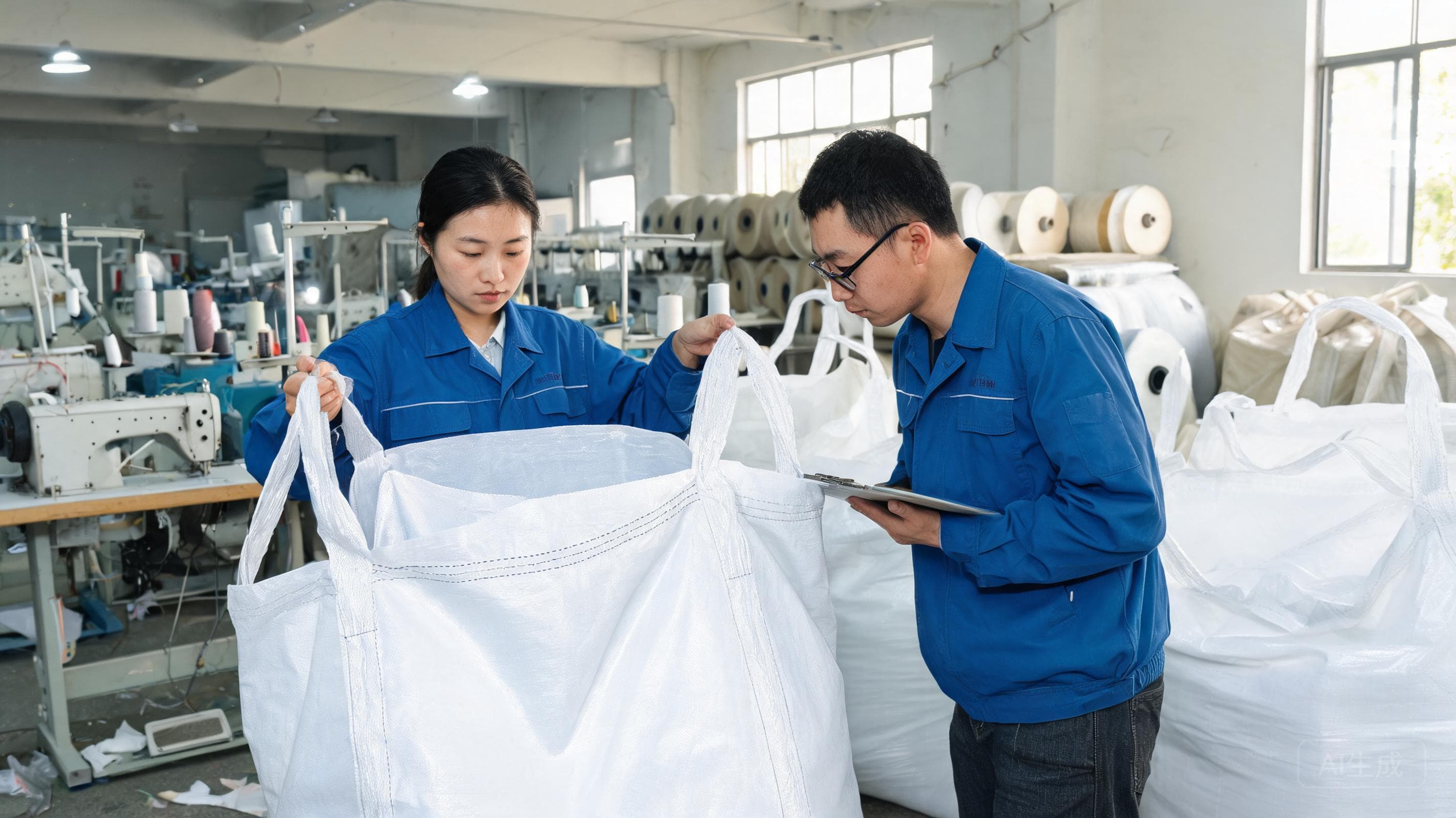
Choosing the Right FIBC Manufacturer: A Practical Guide to Safer, More Reliable Bulk Packaging
Evaluate FIBC manufacturers by application fit, quality controls, total cost, and supply reliability. Use this practical guide to define specifications, assess samples, and plan a controlled trial.
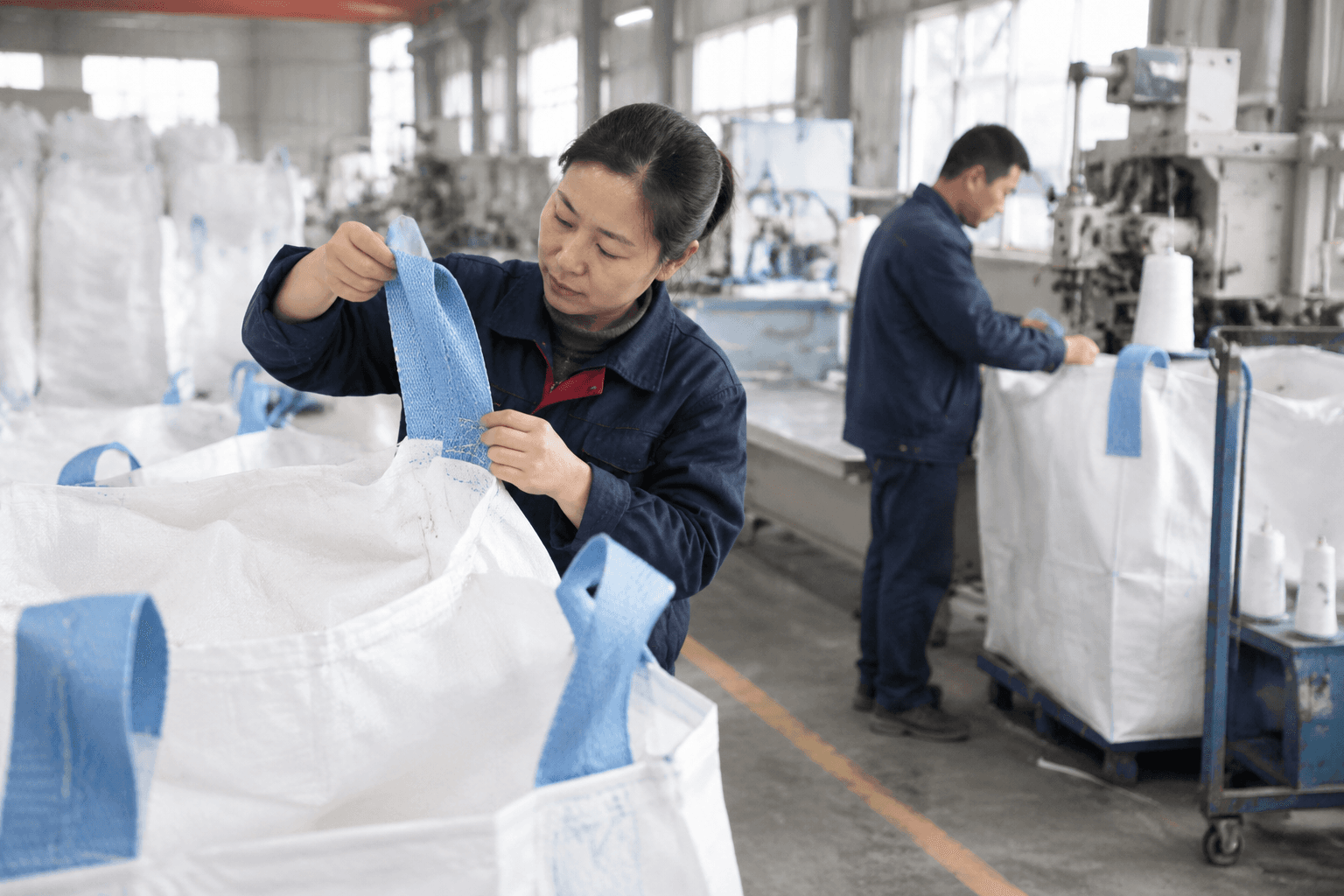
Choosing the Right FIBC Bulk Bag: A Procurement Guide for Safer, More Reliable Packaging
Use this practical FIBC procurement guide to define your application, compare specifications and suppliers, verify compliance, and request a bag configuration that fits your operation.
Want to know more?
Get in touch with us for more information about our services and products.