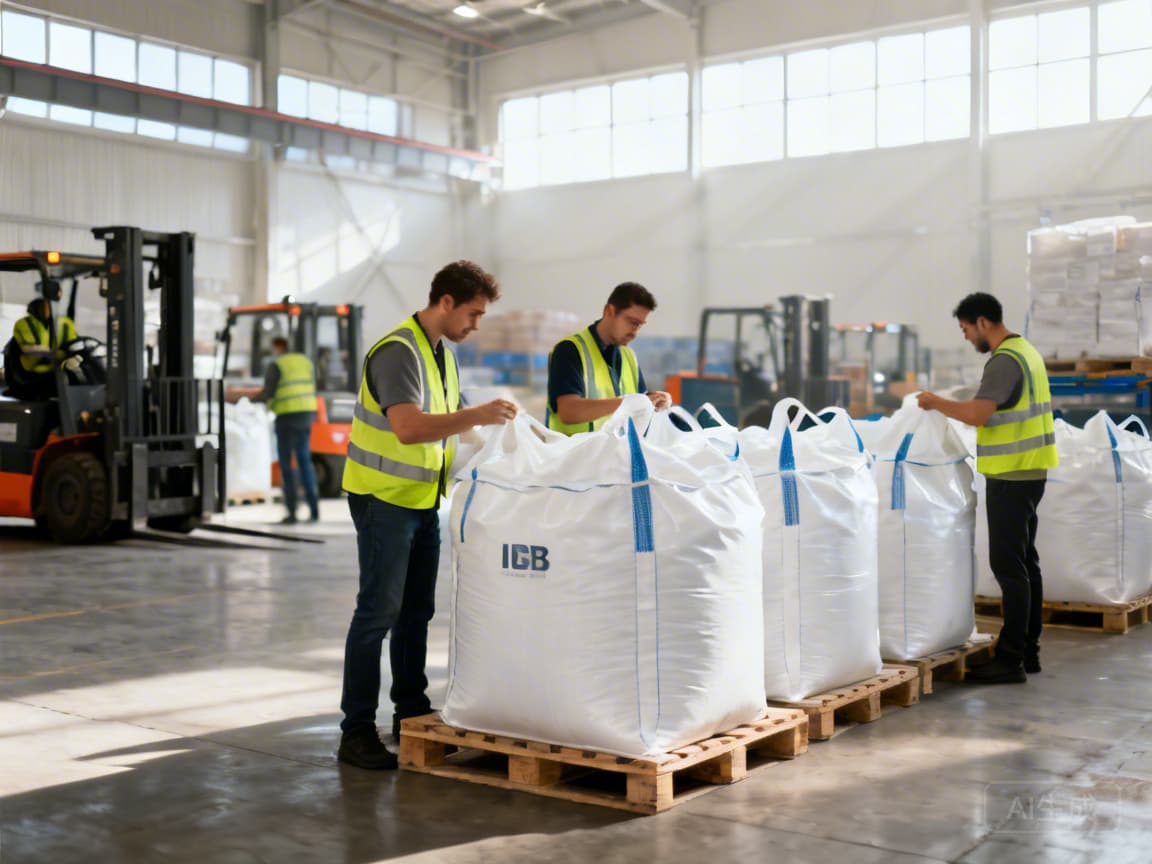
ESG-Compliant FIBCs: Your Passport to 12% Export Growth & EU Market Access
RUNCHEN
AuthorWith more than 25 years of experience in FIBC bulk bag manufacturing and sales, RUNCHEN operates its own production facility with stable batch capacity. We specialize in FIBC bulk bags, jumbo bags, ton bags, and customized industrial packaging solutions.
From Cost Center to Competitive Edge: How ESG-Compliant FIBCs Unlock Premium Markets
For FIBC (Flexible Intermediate Bulk Container) manufacturers, the global export landscape is shifting. While the Chinese packaging industry has seen export growth averaging 12% annually, new barriers are rising. Market insights confirm that beyond price and quality, increasingly stringent EU and US carbon neutrality and ESG standards are now a primary challenge. This isn't just a compliance checkbox; it's a fundamental redefinition of value. The question is no longer how to sell a bag, but how your bag becomes a strategic asset in your client's sustainability journey. By pivoting from a product-centric to a solution-centric model, manufacturers can transform ESG from a cost into their most powerful passport for growth.
Decoding the Buyer's Pressure: The Scope 3 Imperative
Your customers, especially in sectors like chemicals, pharmaceuticals, and food, are under intense pressure. Global brands are publicly committing to net-zero targets, and a significant portion of their carbon footprint—known as Scope 3 emissions—comes from their supply chain, including packaging. A FIBC is no longer just a logistics item; it is a recorded line in their environmental, social, and governance (ESG) report. The case of Samsonite International S.A. illustrates this shift perfectly, where ESG has been integrated into core business practice through initiatives like "Our Responsible Journey." For your buyer, non-compliant packaging risks supply chain disruption, reputational damage, and financial penalties. They aren't just buying a container; they are buying risk mitigation and progress toward their sustainability goals.
Building Your "Green FIBC" Value Proposition: A Three-Pillar Framework
To meet this demand, you must construct a verifiable and marketable ESG value proposition. This goes beyond simply offering a recycled material option.
Pillar 1: Certified Material Traceability & Circular Design
Begin with transparency. Sourcing materials with international certifications like the Global Recycled Standard (GRS) provides immediate credibility. However, true leadership extends to design philosophy. Emulate the principle highlighted in the Shandong Lusu Packaging case: extending product lifespan is the most effective form of waste reduction. Design FIBCs for durability and easy, full recyclability—minimizing composite materials that hinder recycling streams. This proactive design approach directly reduces the end-of-life waste burden for your client.
Pillar 2: Low-Carbon Manufacturing & Logistics
Audit and optimize your production energy consumption. Can you shift to renewable energy sources? Furthermore, analyze your logistics footprint. Streamlining production and shipping reduces the embedded carbon in each FIBC you sell. Quantifying this reduction, even at a basic level, provides a tangible data point for clients calculating their Scope 3 emissions.
Pillar 3: Enabling the Client's Circular Economy
This is the ultimate differentiator. Transition from a one-time seller to a circular economy partner. Develop and offer a take-back, recycling, or refurbishment program for your FIBCs. By providing a clear pathway for the bag's end-of-life, you help clients close the loop on their packaging materials. This service directly contributes to their circular economy targets and builds unparalleled customer loyalty and long-term contract security.
“The integration of a strong company culture with business strategy is critical for success, and ESG has become a core business practice and a driver for industry transformation.” – Insight from Samsonite International S.A. implementation experience.
Marketing the Value: From Product Specs to Strategic Narrative
Communicating this value requires a new language. Your sales tools should evolve from technical data sheets to sustainability dossiers. Develop concise documents that articulate:
- Your Product Carbon Footprint: A calculated estimate of CO2 equivalent per FIBC.
- Certification Documentation: Easy-to-read summaries of your GRS or other relevant certifications.
- Client Impact Case Studies: Showcase, with permission, how your FIBCs and services helped a client reduce waste or meet sustainability KPIs.
The core message must shift from "our bags are green" to "our bags and services help you achieve your sustainability targets and de-risk your supply chain."
Conclusion: Your Actionable Pathway Forward
In a packaging industry valued at over ¥1.5 trillion in China alone, the trend toward premium, green solutions is undeniable. For FIBC manufacturers, adapting is not optional. Begin your transition with this actionable checklist:
- Conduct a Material Audit: Identify your current material sources and pursue one internationally recognized certification (e.g., GRS).
- Review Product Design: Assess one product line for potential design improvements that enhance durability or recyclability.
- Quantify Your Story: Work with internal teams to gather basic data on energy use and material sourcing to build your first sustainability factsheet.
- Develop a Service Prototype: Draft a simple proposal for a pilot take-back or recycling program for your top three clients.
The future belongs to manufacturers who understand that their greatest export is no longer just a product, but proven, verifiable sustainable value. By embracing this role as an ESG solutions partner, you secure not just market access, but market leadership.
Related News
Other news you might be interested in
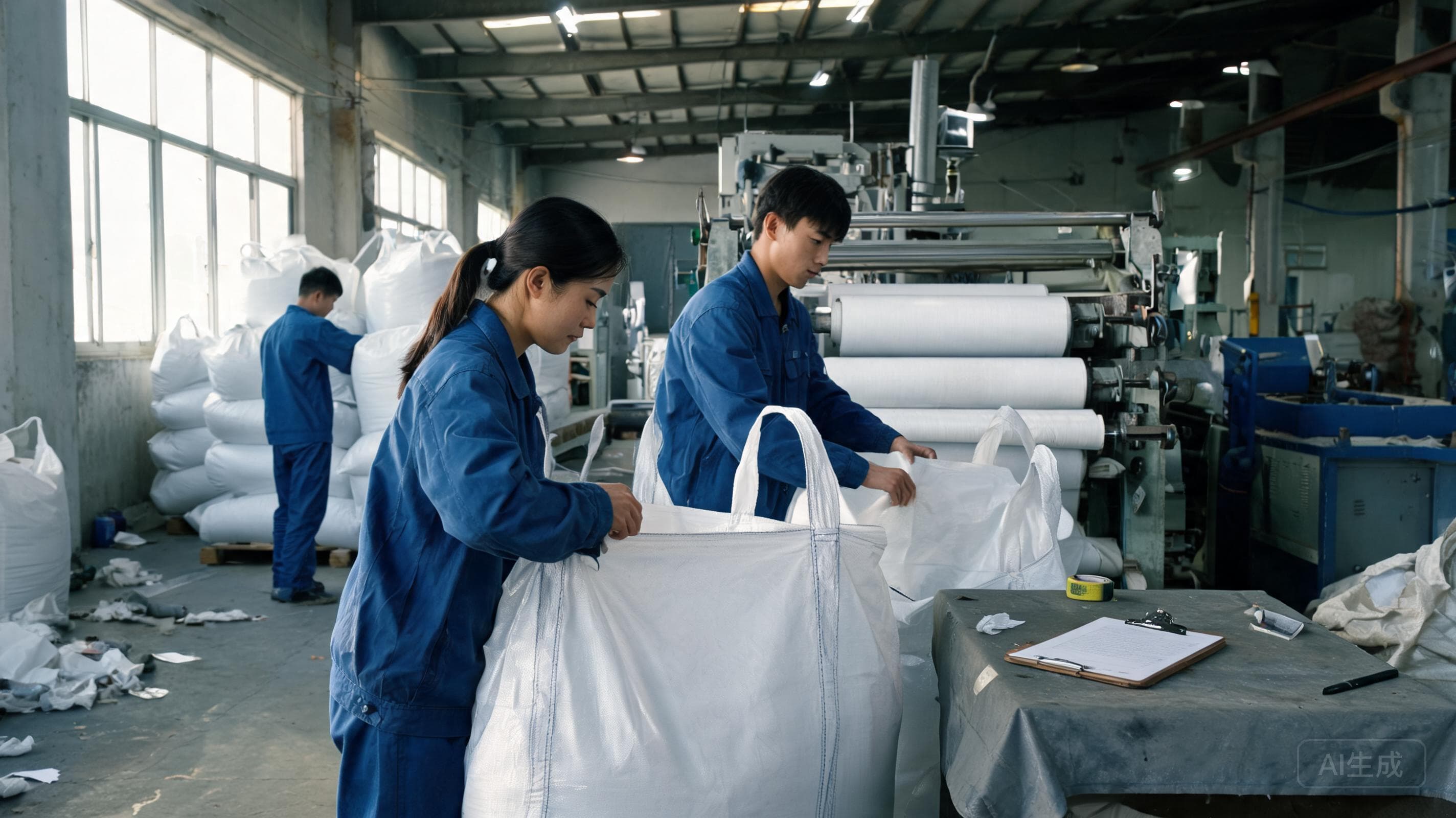
Choosing a Bulk Bag Manufacturer: Reduce Packaging Risk and Improve Supply Reliability
Use a practical supplier qualification framework to match FIBC specifications to your material, equipment, compliance needs, and delivery schedule—and reduce sourcing risk.
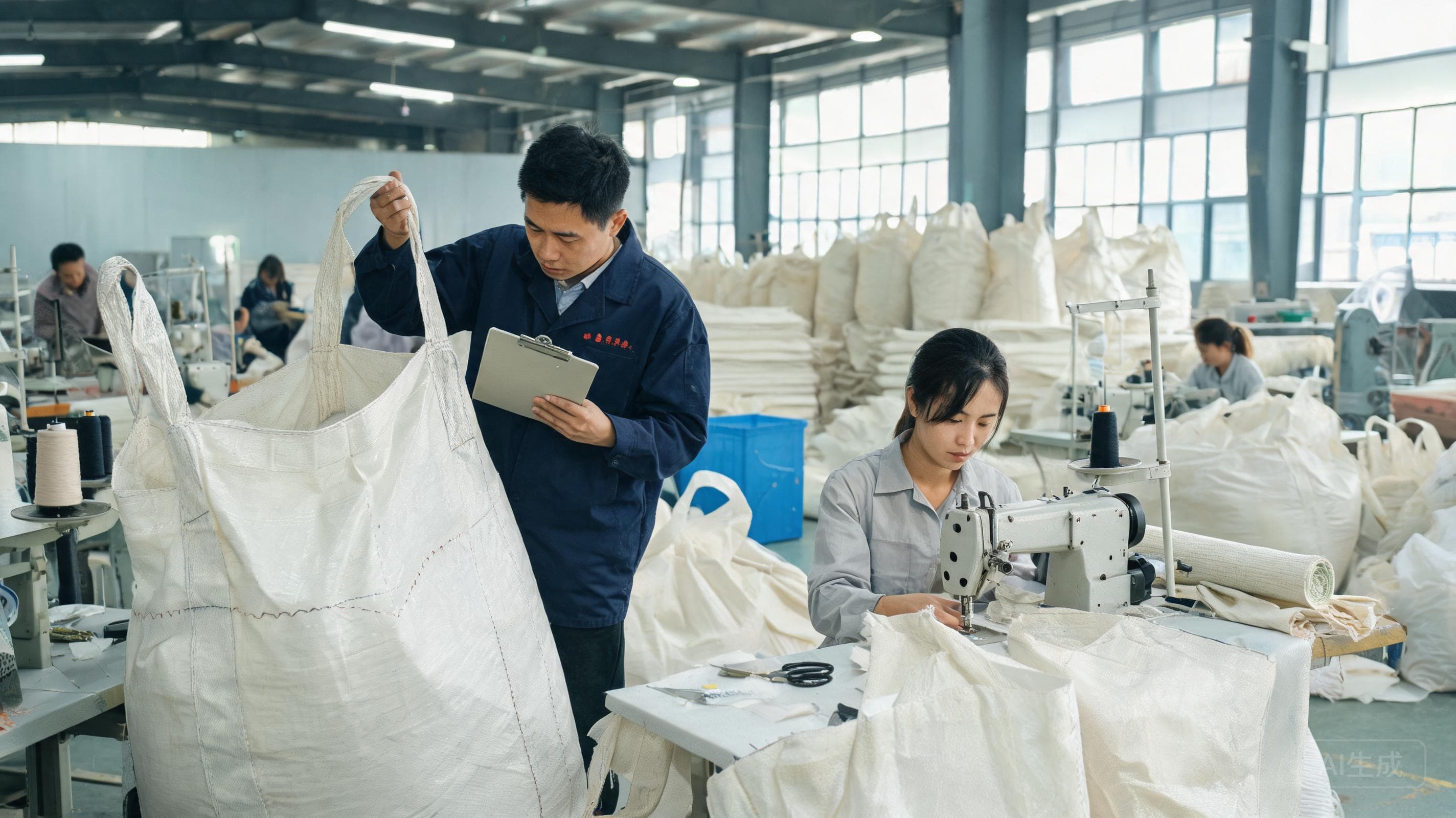
How to Qualify a Bulk Bag Manufacturer for Reliable, Compliant Packaging Supply
Use this practical framework to assess bulk bag specifications, quality controls, compliance, delivery reliability, and total cost before choosing a manufacturing partner.
Want to know more?
Get in touch with us for more information about our services and products.