Climate-Ready Bulk Bag Design: How FIBC Bags Protect Powders Against Humidity, Heat, and Longer Shipping Cycles

RUNCHEN
AuthorWith more than 25 years of experience in FIBC bulk bag manufacturing and sales, RUNCHEN operates its own production facility with stable batch capacity. We specialize in FIBC bulk bags, jumbo bags, ton bags, and customized industrial packaging solutions.
Summary
As cross-regional transportation of chemical powders, mineral powders, food ingredients, feed additives, and new energy materials continues to increase, bulk bags are no longer just simple loading containers. They are becoming a critical part of product stability, cargo loss control, and supply chain safety. Facing humidity, high temperatures, temperature fluctuations, and longer ocean shipping cycles, climate-ready FIBC bulk bag design is becoming an important trend for both buyers and manufacturers.
Global Transport Conditions Are Driving Bulk Bag Design Upgrades
In international trade, powdered materials often pass through multiple stages, including warehousing, inland transportation, container loading, ocean shipping, port transfer, and final unloading. Climate conditions vary significantly across regions. Southeast Asia and coastal South America usually face higher humidity, parts of the Middle East and Africa experience prolonged heat exposure, while long-distance shipments to Europe and North America place greater emphasis on packaging stability and traceability.
For powdered cargo, environmental risks are not limited to outer bag damage. Moisture penetration may cause caking, hardening, mold growth, or changes in chemical properties. High temperatures and UV exposure can affect bag strength. During longer shipping cycles, stacking pressure, friction, and repeated lifting can further increase the risk of packaging failure. As a result, climate-ready bulk bags are shifting from an optional configuration to a basic requirement in many industries.
Moisture Protection: The First Barrier for Powder Transportation
Powdered materials are often highly sensitive to moisture, especially food-grade ingredients, starch, resin powder, mineral powder, fertilizer, and fine chemical powders. Once moisture enters the product during transportation, processing efficiency, product flowability, and customer acceptance may all be affected.
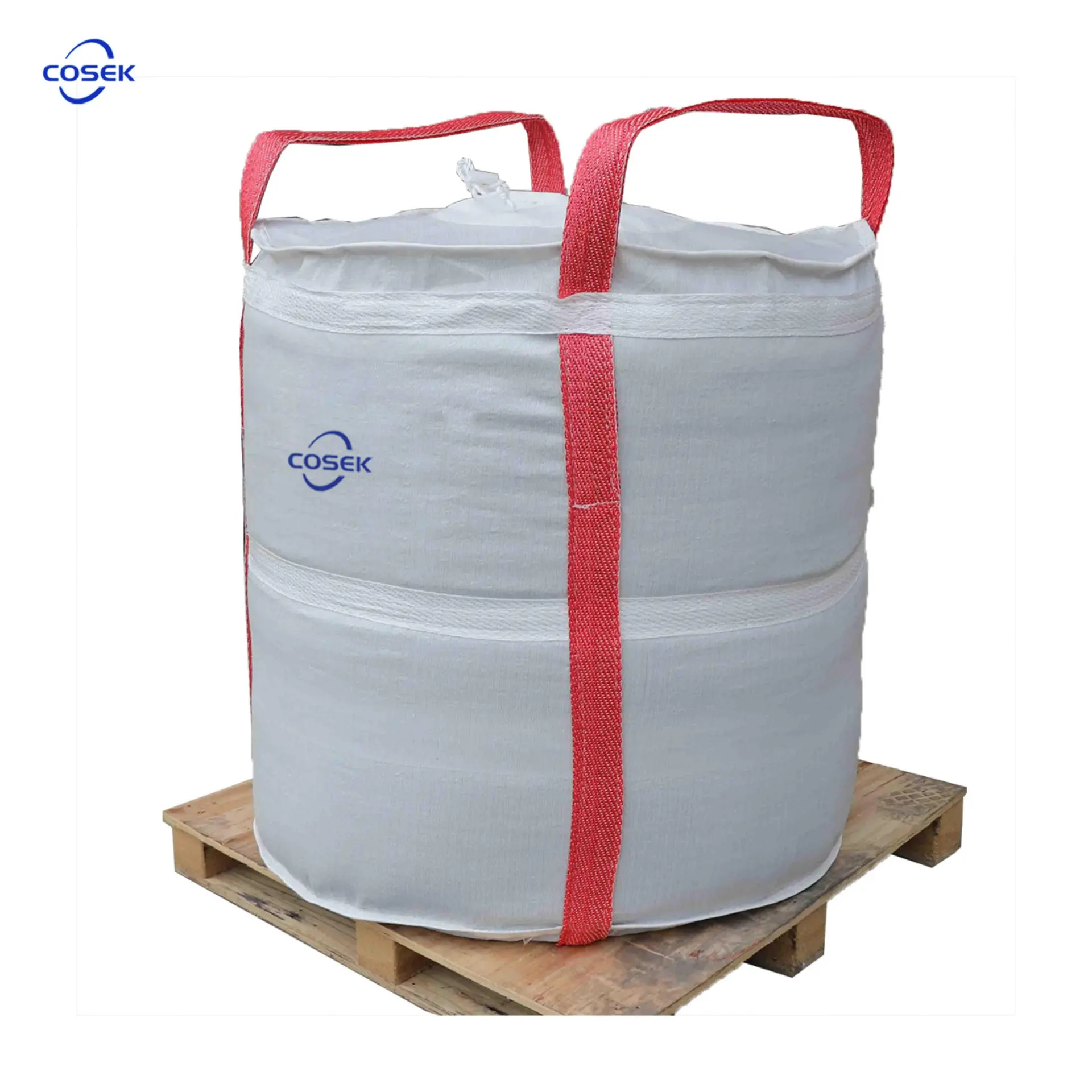
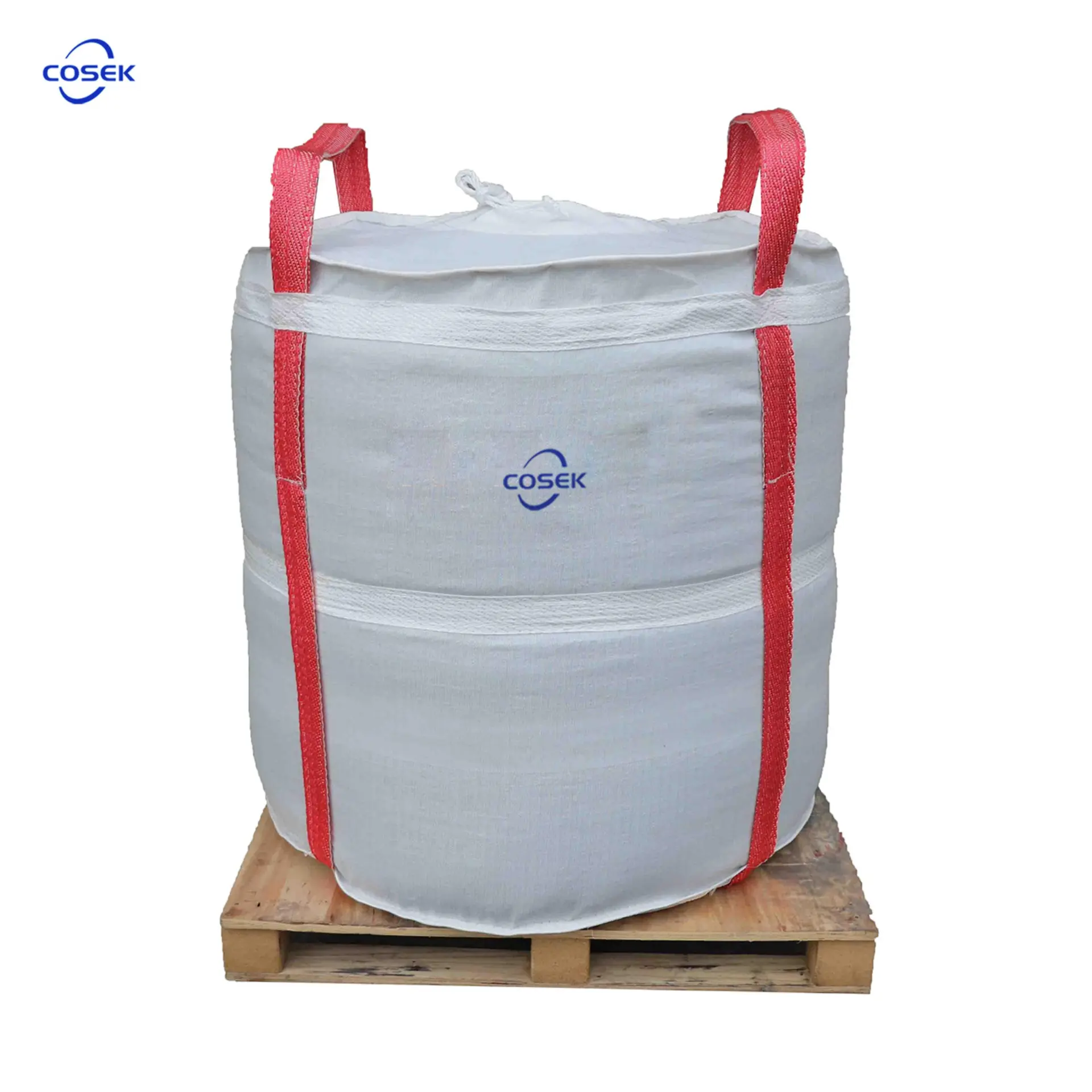
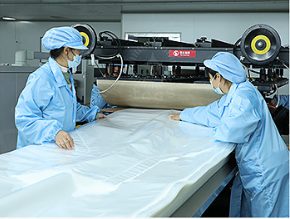
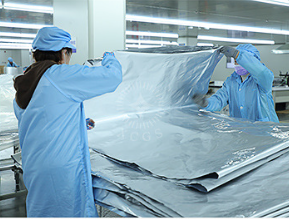
For these applications, bulk bags with inner liner films are more suitable for improving moisture protection. For example, Ton Bag with Inner Liner Film combines an inner liner with the outer bag structure to help reduce the impact of external humidity on powdered materials. It is suitable for powder packaging scenarios that require higher cleanliness, moisture resistance, and sealing performance.
For buyers, selecting a moisture-proof bulk bag should not only focus on fabric weight. It is also important to evaluate liner thickness, heat-sealing methods, filling and discharge spout design, tie closure performance, and the humidity level of the transportation destination.
Heat and Long-Distance Shipping Require More Stable Structural Strength
In high-temperature environments, bulk bag materials continuously face thermal aging, UV exposure, and stacking pressure. If the bag structure is not properly designed, problems such as lifting loop fatigue, body deformation, uneven bottom stress, or localized rupture during handling may occur.
For powdered products that require long-distance ocean shipping, container stacking, or repeated transfer, structural stability is often more important than the nominal load capacity alone. The Internal Reinforcement Ton Bag features an internal baffle structure that helps maintain a square bag shape, improve container space utilization, and reduce stacking risks caused by bulging or tilting during longer shipping cycles.
This structure is especially suitable for export-oriented powder manufacturers. It can improve container loading efficiency while also enhancing transportation stability and reducing customer complaints caused by bag deformation or packaging damage.
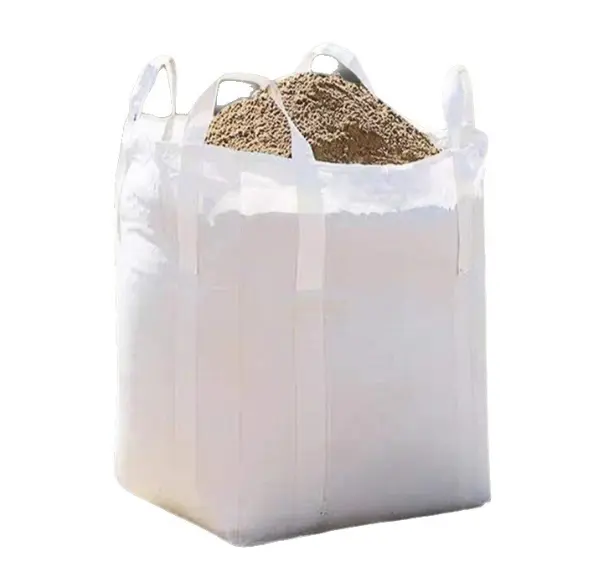
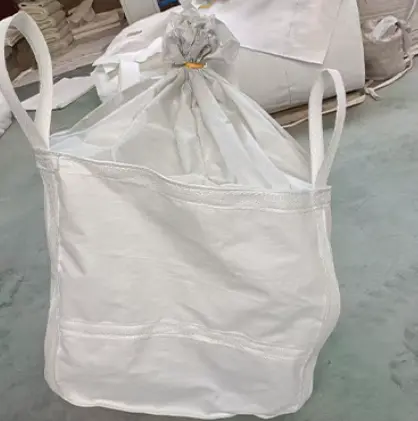
Internal Reinforcement Ton Bag
Climate-Ready FIBC Design Is More Than Simply Increasing Fabric Weight
When dealing with humidity, heat, or long-distance transportation, many companies first think of increasing fabric weight. However, from a packaging engineering perspective, an effective solution usually depends on systematic design rather than simple thickening.
A more mature bulk bag solution usually needs to consider several factors:
Whether the moisture barrier fits the material characteristics; Whether the bag body has sufficient tensile strength and anti-aging performance; Whether the filling and discharge spouts are easy to seal and unload; Whether the bag shape is suitable for pallets, warehousing, and container stacking; Whether food-grade, anti-static, conductive, or traceability features are required.
This is why more buyers now provide information such as particle size, bulk density, single-bag loading weight, transportation route, destination climate, handling method, and storage period during inquiry. Only by understanding the complete application scenario can a bulk bag supplier provide a more reliable packaging solution.
Industry Trend: From Low-Price Purchasing to Scenario-Based Selection
As global supply chain cycles become longer, the hidden costs caused by packaging failure are increasing. For powder exporters, the price difference of a single bulk bag may be limited, but losses caused by moisture damage, caking, bag breakage, or difficult unloading can be far higher than the cost of the packaging itself.
In the future, bulk bags designed for multiple climate conditions will place greater emphasis on the coordination of materials, structure, sealing performance, stacking stability, and transportation routes. Moisture-proof liners, internal reinforcement structures, UV-resistant fabric, clean production, and traceable labels will become key factors in upgrading powder packaging from a simple transport container to a supply chain protection system.
For export-oriented powder manufacturers, choosing the right FIBC bulk bag is not only about completing shipment. It is also about maintaining product quality, reducing cargo loss, and improving customer delivery confidence under complex climates and longer transportation cycles.
Related News
Other news you might be interested in
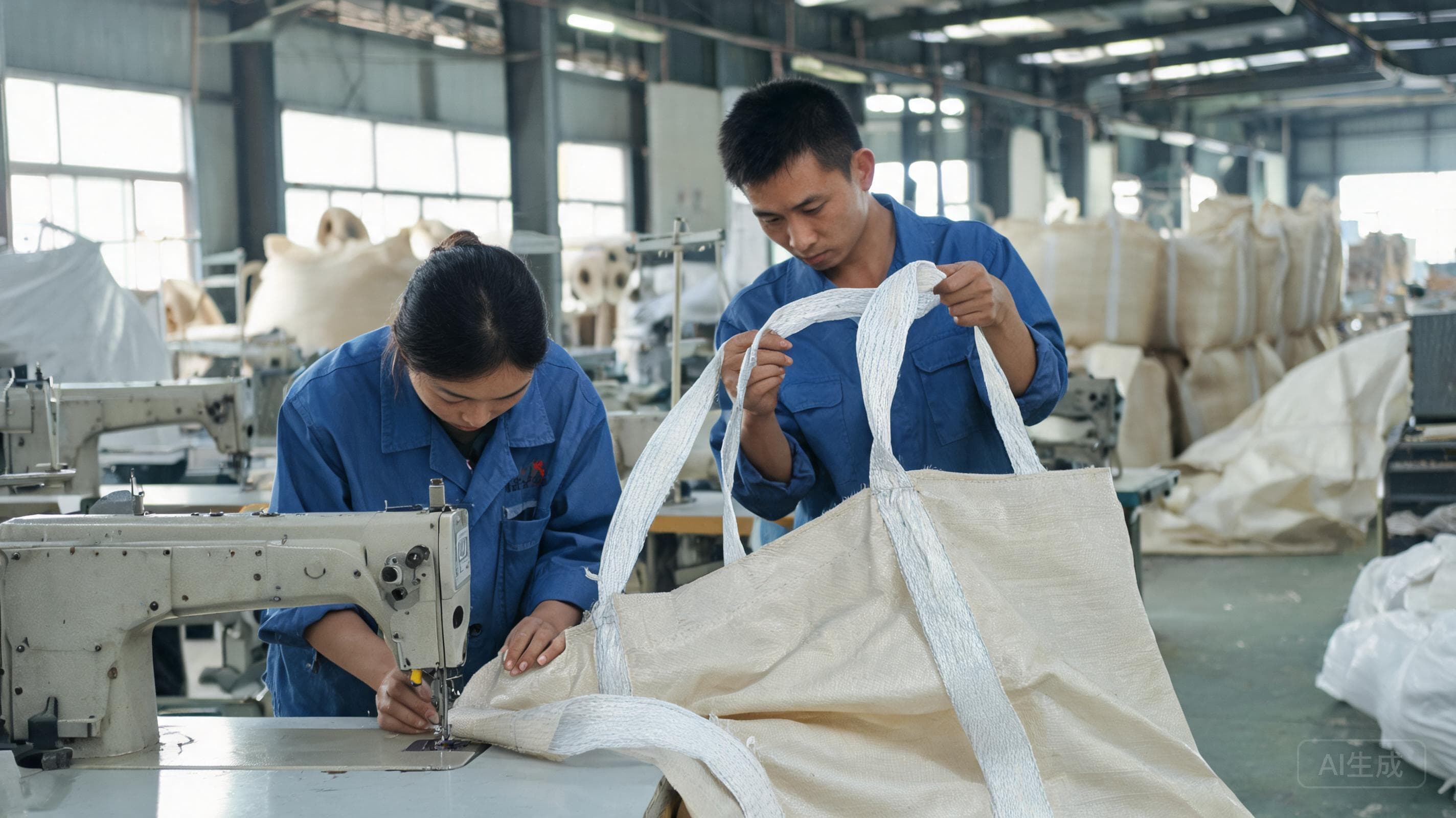
How to Choose a Bulk Bag Manufacturer That Protects Product Quality and Reduces Supply Risk
Evaluate bulk bag manufacturers on application fit, quality controls, compliance, and supply readiness. Use a clear specification and trial plan to reduce product loss and procurement risk.
How to Choose the Right FIBC Supplier for Safer, More Reliable Bulk Packaging
Learn how to match FIBC design to your product and handling needs, assess supplier quality, compare total costs, and prepare a stronger request for quotation.
Want to know more?
Get in touch with us for more information about our services and products.