FIBC Packaging Demand Rises Across Food, Chemical and Agricultural Supply Chains
RUNCHEN
AuthorWith more than 25 years of experience in FIBC bulk bag manufacturing and sales, RUNCHEN operates its own production facility with stable batch capacity. We specialize in FIBC bulk bags, jumbo bags, ton bags, and customized industrial packaging solutions.
Growing Demand from Bulk Material Industries
Food processing, chemical manufacturing and agriculture all share one common challenge: large quantities of materials must be moved safely and efficiently from production sites to warehouses, ports, distributors or end users.
In the past, many companies focused mainly on unit packaging cost. However, as logistics costs rise and supply chains become more complex, buyers are paying more attention to the total performance of packaging. A suitable FIBC solution can help reduce repeated handling, improve container loading efficiency, lower product loss and make warehouse operations more organized.
This shift is one of the key reasons why demand for FIBC packaging continues to grow across multiple industrial sectors.
Food and Agricultural Supply Chains Focus on Cleanliness and Stability
In food and agricultural applications, materials such as rice, flour, starch, seasoning, feed, grain and seeds require packaging that can support clean handling and stable transportation. These products are often shipped in large batches, and any packaging failure may lead to contamination, leakage, moisture damage or delivery delays.
FIBC bags used in food-related supply chains need to balance strength, cleanliness and usability. A well-designed bulk bag can make filling and unloading more efficient, reduce the need for repacking and help maintain product quality during storage and transport.
For agricultural products, packaging must also adapt to seasonal demand, warehouse turnover and long-distance distribution. Strong lifting loops, reliable fabric structure and suitable inner protection can help improve safety during handling while supporting large-scale movement of bulk goods.
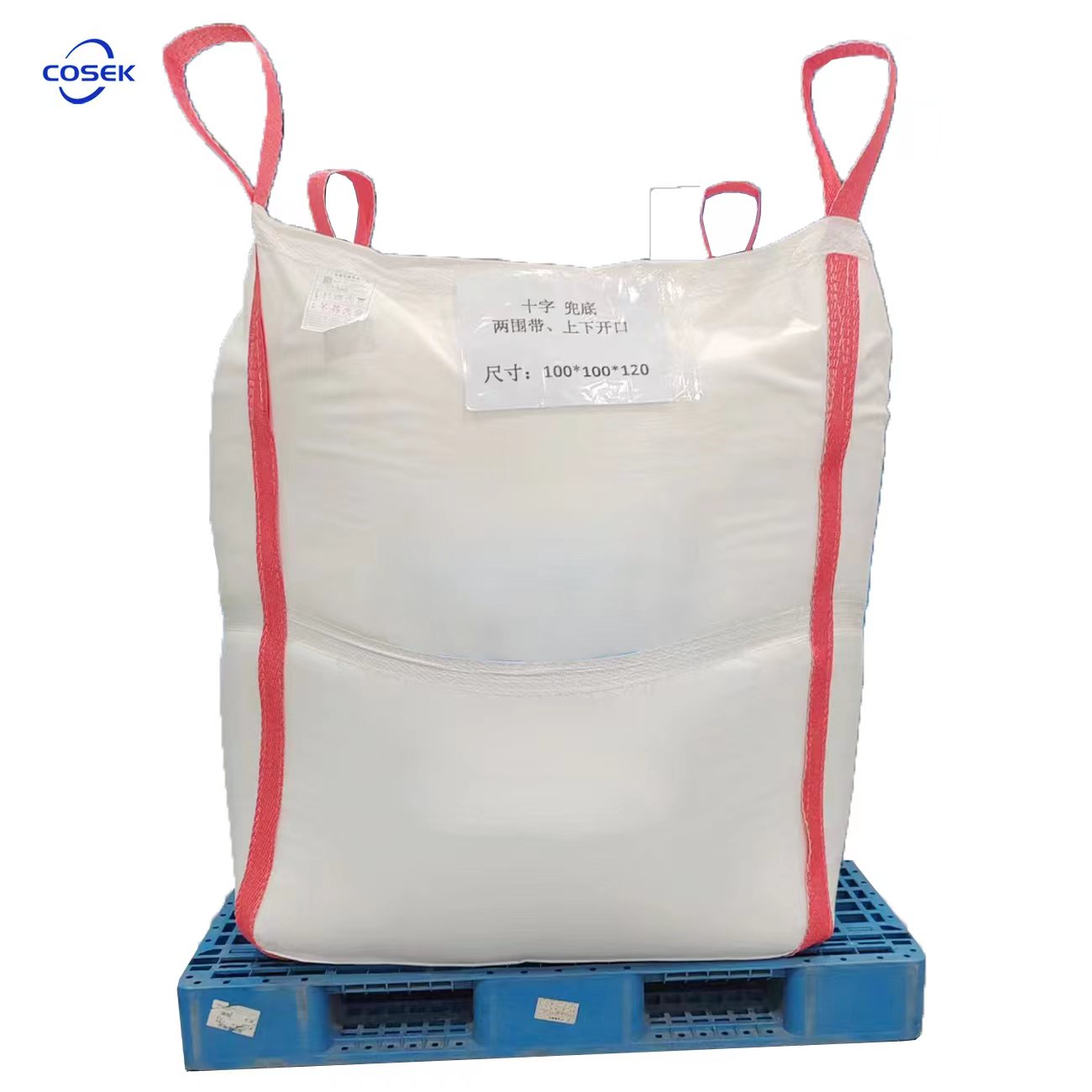
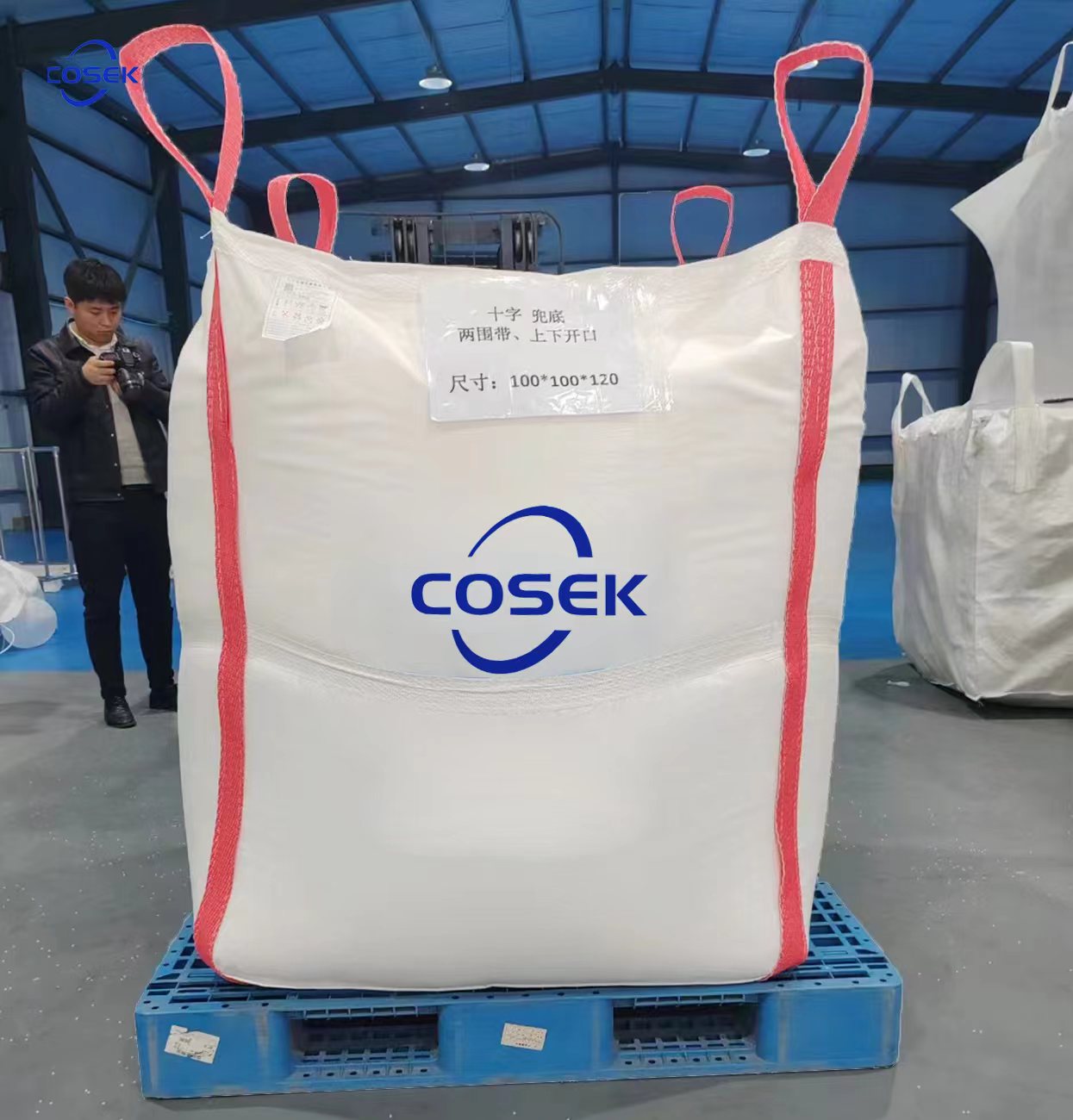
COSEK white and red color scheme food grade ton bag
Chemical Packaging Requires Higher Safety Control
The chemical industry has more complex packaging requirements because many materials are powdery, sensitive, fine, dusty or affected by static electricity. During filling, lifting, transportation and unloading, packaging performance directly affects operational safety and product protection.
For chemical powders, plastic particles, mineral materials and industrial raw materials, companies need to consider not only load capacity, but also anti-static performance, leakage control, fabric strength and compatibility with handling equipment. If the packaging structure is not suitable, it may increase the risk of material loss, dust exposure or unsafe operation.
This is why specialized FIBC solutions are becoming more important in chemical supply chains. Conductive ton bags, for example, are designed for scenarios where static electricity control is required. By choosing the right bag type according to material characteristics, companies can improve safety while maintaining efficient bulk transport.
FIBC Bags Help Improve Supply Chain Efficiency
The growing use of FIBC packaging is also closely related to operational efficiency. In bulk material logistics, time and space are major cost factors. FIBC bags can be filled quickly, moved by forklift or crane, stacked in warehouses and loaded into containers more efficiently than many traditional packaging formats.
For manufacturers and exporters, this means packaging can support faster shipment preparation and more predictable delivery schedules. For buyers, it can reduce receiving complexity and improve unloading efficiency at the destination.
In addition, customized FIBC design can further improve performance. Different materials may require different bag structures, such as specific inlet and outlet designs, inner liners, reinforced fabric, conductive fabric or breathable construction. This makes FIBC packaging more adaptable to real supply chain conditions.
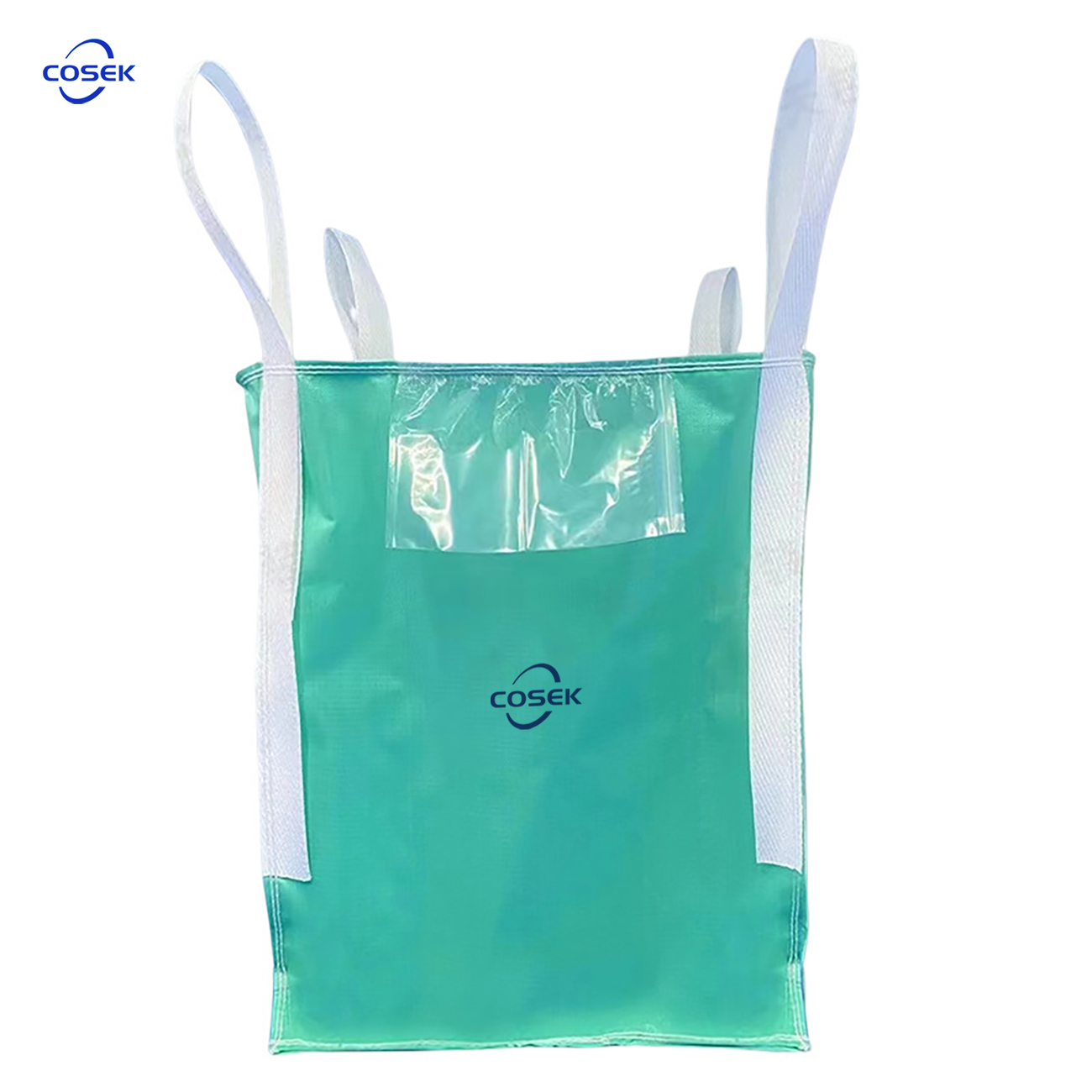
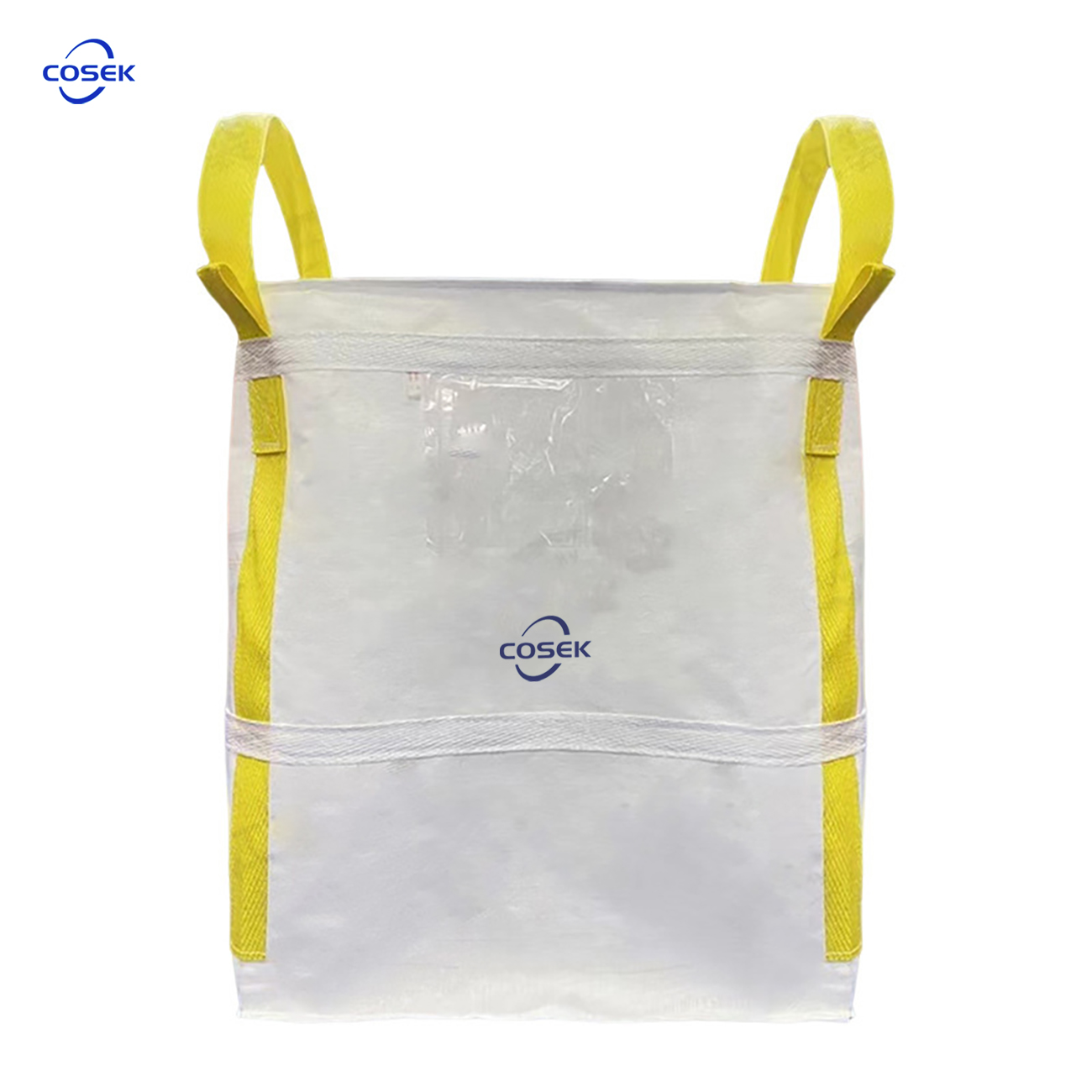
Conductive Ton Bag
From Packaging Cost to Supply Chain Value
As competition increases in global trade, companies are paying more attention to packaging reliability. A low-cost bag may appear economical at the purchasing stage, but if it causes leakage, handling difficulty, product loss or shipment risk, the total cost can become much higher.
Therefore, more buyers are shifting from simple price comparison to overall packaging value. They are looking for FIBC suppliers that can provide stable quality, suitable customization and industry-specific solutions.
For food, chemical and agricultural supply chains, the right FIBC bag is not just a packaging product. It is part of the logistics system, quality control process and supply chain safety strategy.
Conclusion
FIBC packaging demand is rising because bulk material industries need safer, stronger and more efficient packaging solutions. Food and agricultural supply chains require clean and stable handling, while chemical supply chains demand higher safety and anti-static performance.
As global bulk logistics continues to develop, customized FIBC bags will play a more important role in helping companies reduce handling risks, improve transportation efficiency and build more resilient supply chains. For manufacturers, traders and exporters, selecting the right FIBC packaging solution is becoming a practical step toward better supply chain performance.
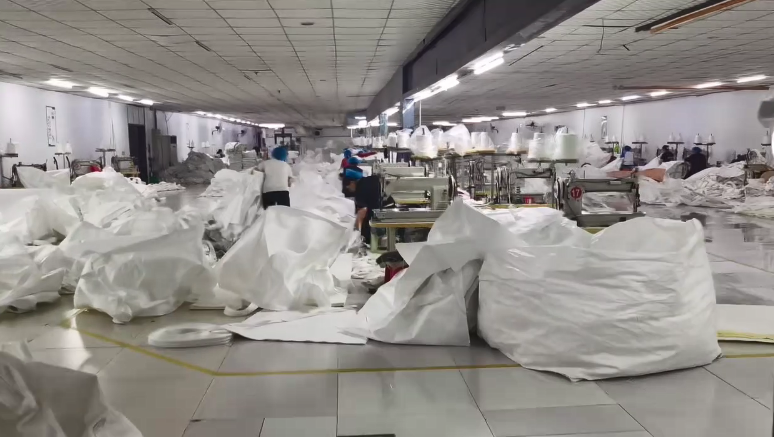
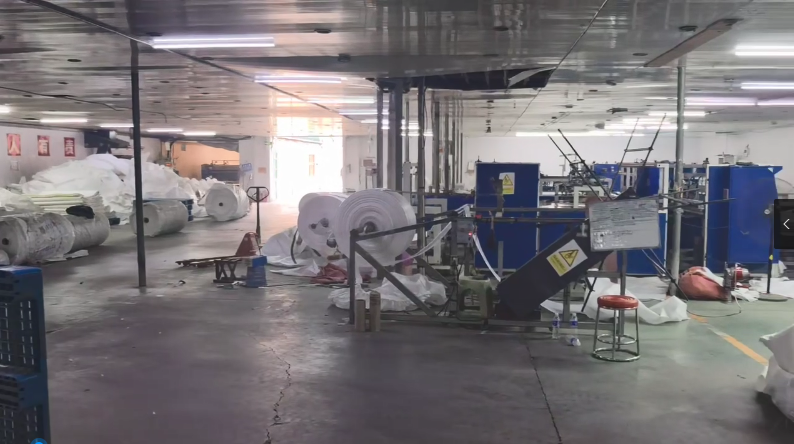
Related News
Other news you might be interested in
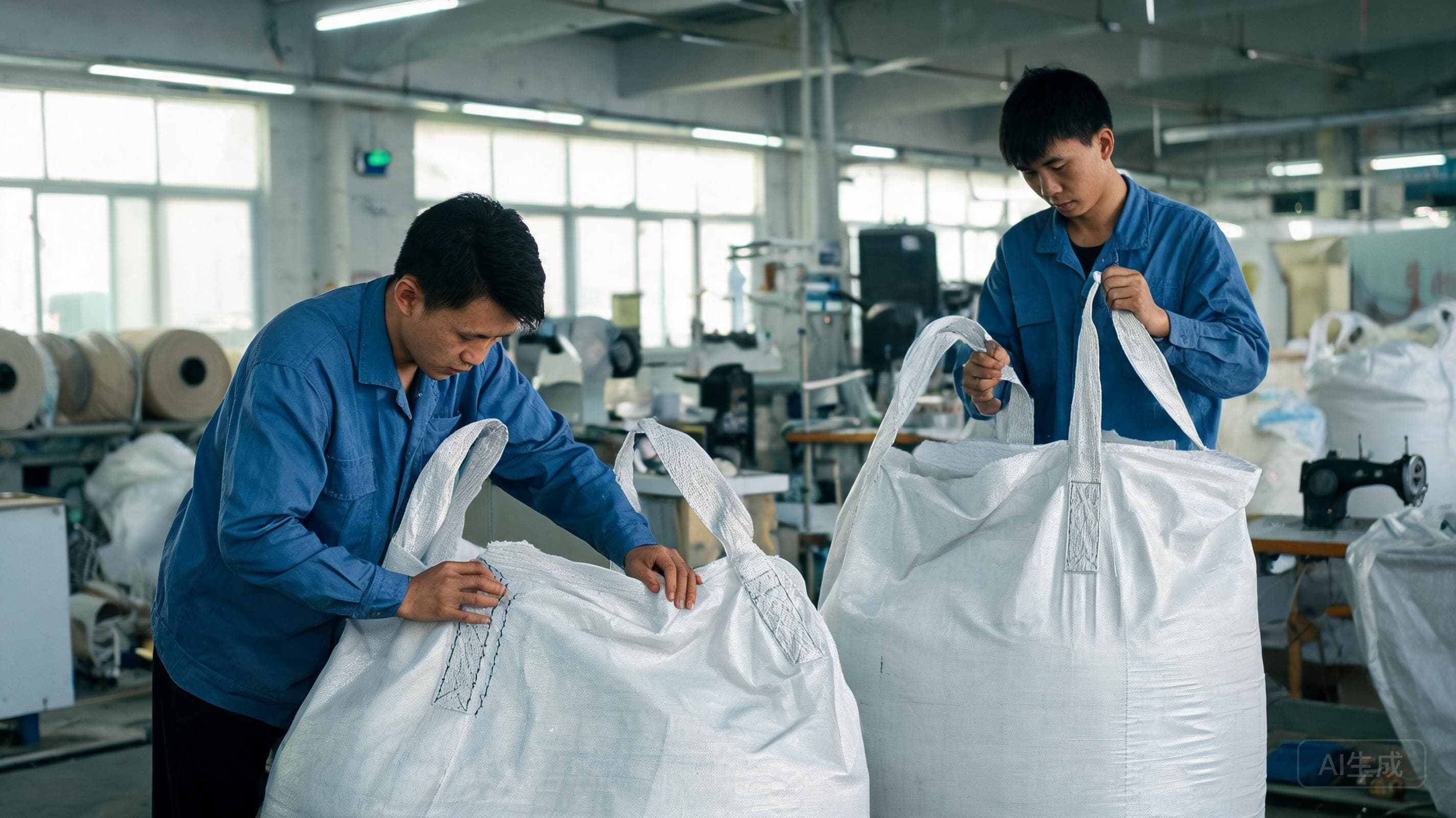
How to Choose the Right FIBC Bulk Bag for Safer, More Efficient Industrial Packaging
Choose an FIBC bulk bag by matching its construction to your product, handling process, compliance needs, and destination. Use technical review, pilot testing, and total-cost analysis to reduce risk.
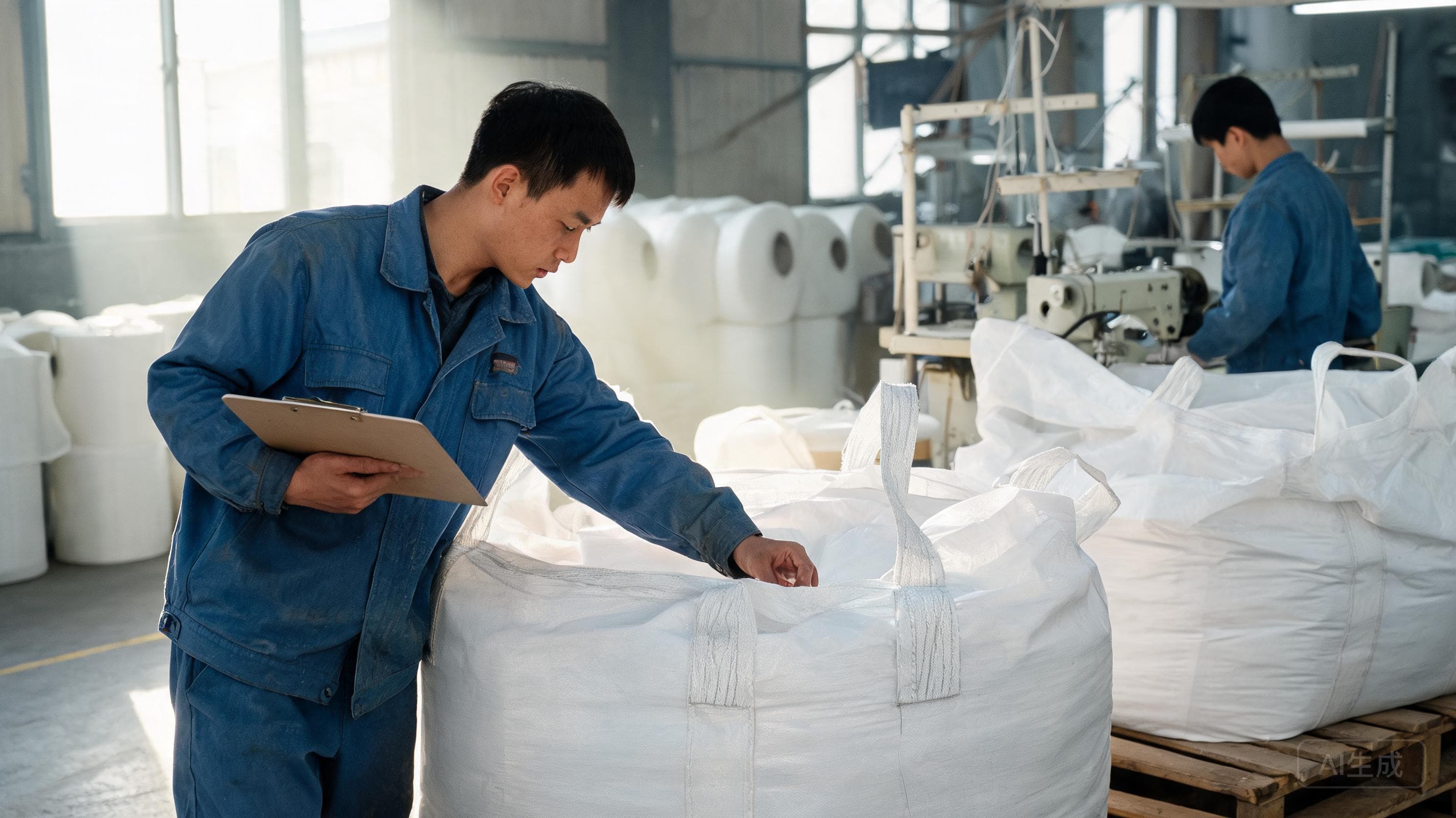
Sustainable Bulk Packaging Strategies for the Modern Manufacturing Era
Discover how high-performance FIBC bulk bags reduce packaging waste, prevent product loss, and improve sustainability metrics. Learn key features, real-world results, and a step-by-step implementation roadmap to optimize your bulk packaging strategy.
Want to know more?
Get in touch with us for more information about our services and products.