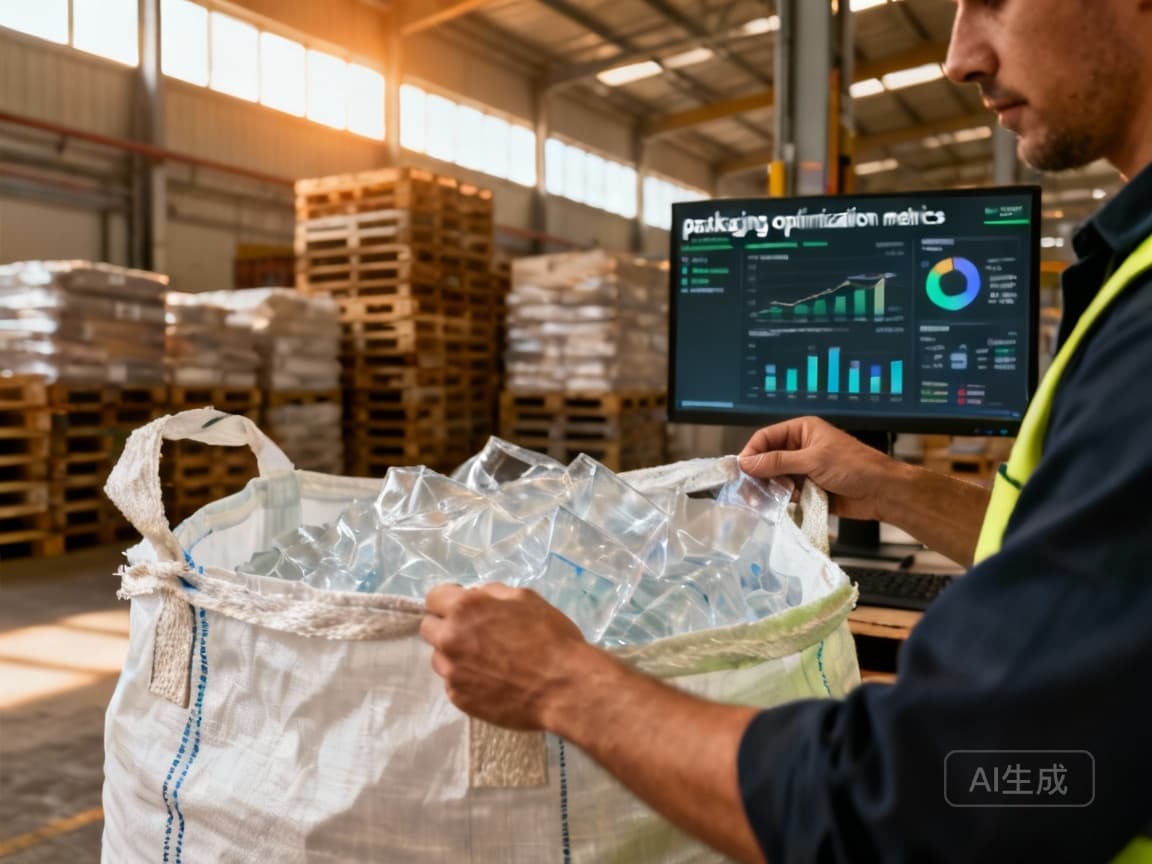
FIBC Strategy: Cut Packaging Cost 9.5% & Boost Supply Chain Sustainability #3
RUNCHEN
AuthorWith more than 25 years of experience in FIBC bulk bag manufacturing and sales, RUNCHEN operates its own production facility with stable batch capacity. We specialize in FIBC bulk bags, jumbo bags, ton bags, and customized industrial packaging solutions.
From Cost Center to Efficiency Engine: A Data-Driven FIBC Strategy
For procurement and operations managers in bulk material industries, the annual 9.5% rise in resin costs is a familiar pressure point. The instinctive response is to seek cheaper packaging. However, this reactive approach misses a transformative opportunity. By leveraging data and systems thinking, Flexible Intermediate Bulk Containers (FIBCs) can be reimagined from a simple commodity into a strategic lever for supply chain efficiency and resilience.
The key is a paradigm shift: stop buying "bags" and start optimizing the complete "packaging-logistics unit." This requires moving beyond basic cost-per-unit calculations to analyze how packaging decisions ripple through production, handling, and transportation.
Learning from Cross-Industry Innovation
Consider the approach of e-commerce leader momo. Faced with similar pressures to reduce waste and cost, they developed a packaging simulation algorithm to determine the optimal box size and cushioning for each order. This data-driven method minimized material use while protecting goods. The principle is directly transferable to industrial FIBCs. By analyzing variables such as material density, stacking requirements, and transport routes, companies can identify the "just right" FIBC specification. This precision engineering reduces excess material (directly combating resin cost inflation) and maximizes container or truck load factors, slashing logistics expenses.
This isn't theoretical. An optimized FIBC strategy functions as a system-wide efficiency upgrade. It ensures safer transport with less product loss, streamlines warehouse space utilization, and accelerates loading cycles. The goal is to create a "packaging efficiency dashboard" where decisions are informed by data on fill rates, damage incidence, and total landed cost.
Building the Closed-Loop Advantage
Efficiency gains are amplified when paired with a circular model. Again, momo's strategy is instructive: their reusable totes, made from recycled warehouse film, are designed for up to 25 lifecycles. For industrial users, transitioning from single-use to multi-trip FIBCs isn't just an environmental gesture; it's a powerful economic and ESG strategy.
Think of a reusable FIBC not as a consumable, but as a trackable circular asset. Implementing a simple digital ID (like a QR code) allows a company to monitor each bag's location, condition, and trip count. This data is invaluable. It enables predictive maintenance, prevents loss, and provides auditable metrics for sustainability reporting. The environmental impact is quantifiable, mirroring the success of DSM Nanjing, whose baghouse filter upgrade cut fly ash emissions by 1,374 tons annually. Similarly, switching to reusable FIBCs can dramatically reduce solid waste generation and Scope 3 emissions for both the user and their customers—a critical concern in sectors like chemicals and personal care, where global packaging markets are growing at a CAGR of nearly 4%.
Actionable Steps to Implement Your Strategy
Transforming your FIBC strategy requires a structured approach. Begin with a diagnostic audit of your current state:
- Conduct a Packaging & Logistics Audit: Map the journey of your FIBCs from filling to end-of-life. Document specifications, fill weights, damage rates, and disposal methods for each product line.
- Analyze for Optimization: Partner with a technical FIBC manufacturer to model different sizes, constructions, and filling methods. Could a different fabric weight or design improve your cube utilization or allow for one more bag per shipment?
- Pilot a Circular Program: Select a high-volume product lane for a reusable FIBC trial. Establish clear protocols for return, inspection, and cleaning. Use the pilot to gather data on cost per trip, lifespan, and ROI.
- Integrate with Production Quality: Assess if your FIBCs are the first line of defense for product purity. For sensitive materials, specify features like static control, sealed liners, and UV protection to work in concert with your production environment controls.
The most resilient supply chains are those that view packaging not as an endpoint, but as a connective, data-rich tissue linking production efficiency to logistics optimization and sustainability goals.
In an era defined by cost volatility and stringent ESG demands, a smart FIBC strategy offers a rare win-win-win: it cuts material and freight costs, future-proofs your operations against regulatory shifts, and builds a demonstrably sustainable brand. The question is no longer if you can afford to invest in this approach, but if you can afford not to.
Related News
Other news you might be interested in
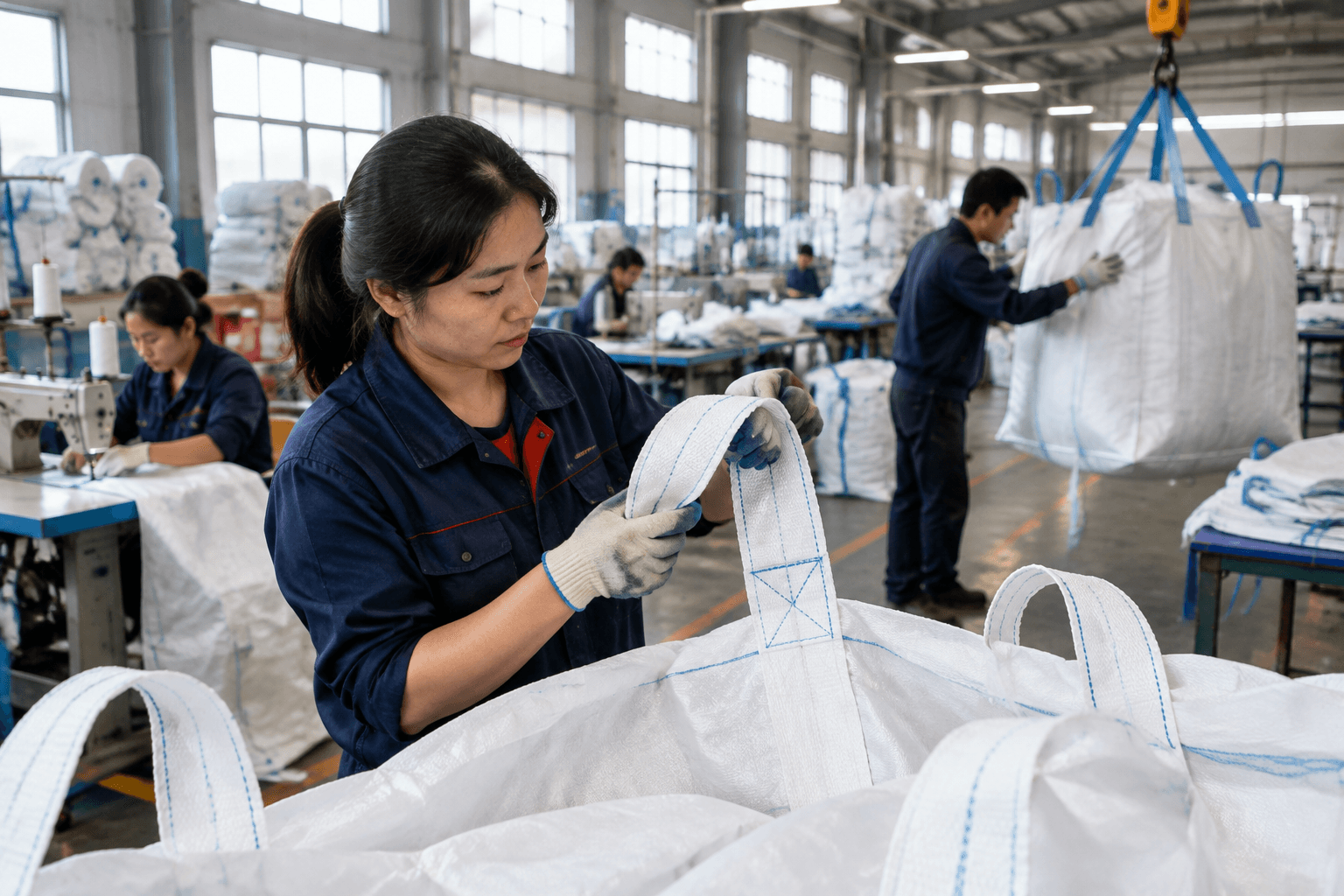
Choosing the Right Bulk Bag Manufacturer for Safer, More Efficient Operations
Learn how to specify bulk bags, evaluate manufacturers, and validate quality and supply reliability to reduce operational risk and support safer, more efficient handling.
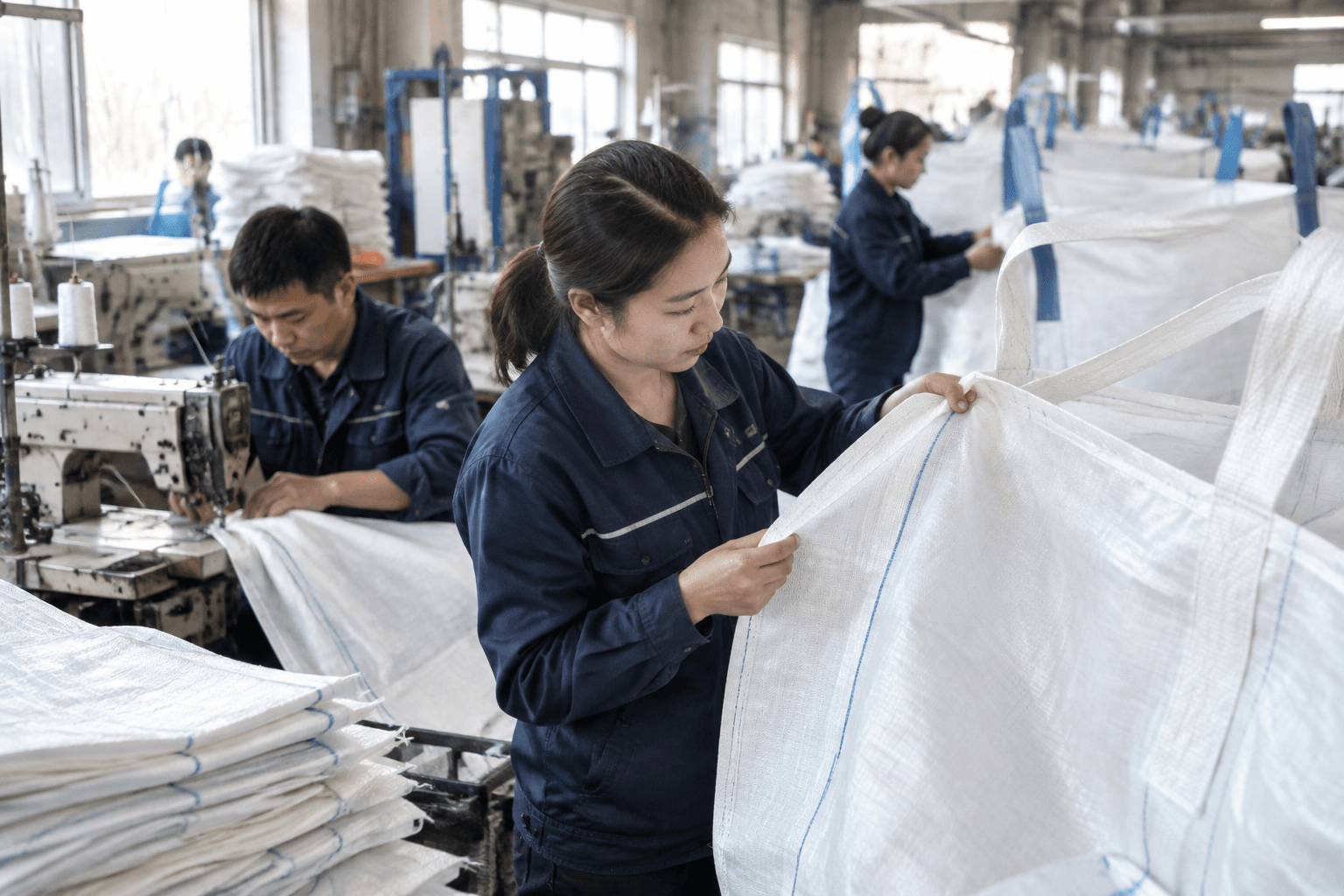
The 140th Canton Fair: New Trends in the Export Market for FIBC Bulk Bags, Jumbo Bags, and PP Woven Packaging
Explore how export buyers can evaluate FIBC bulk bags and PP woven packaging beyond unit price. Get practical guidance on specifications, supplier verification, sustainability requirements, and RFQs—and prepare your next sourcing conversation with COSEK.
Want to know more?
Get in touch with us for more information about our services and products.