From $40B to $500B: How Ton Bag Makers Achieve 7% CAGR via Niche Specialization #23 #23

RUNCHEN
AuthorWith more than 25 years of experience in FIBC bulk bag manufacturing and sales, RUNCHEN operates its own production facility with stable batch capacity. We specialize in FIBC bulk bags, jumbo bags, ton bags, and customized industrial packaging solutions.
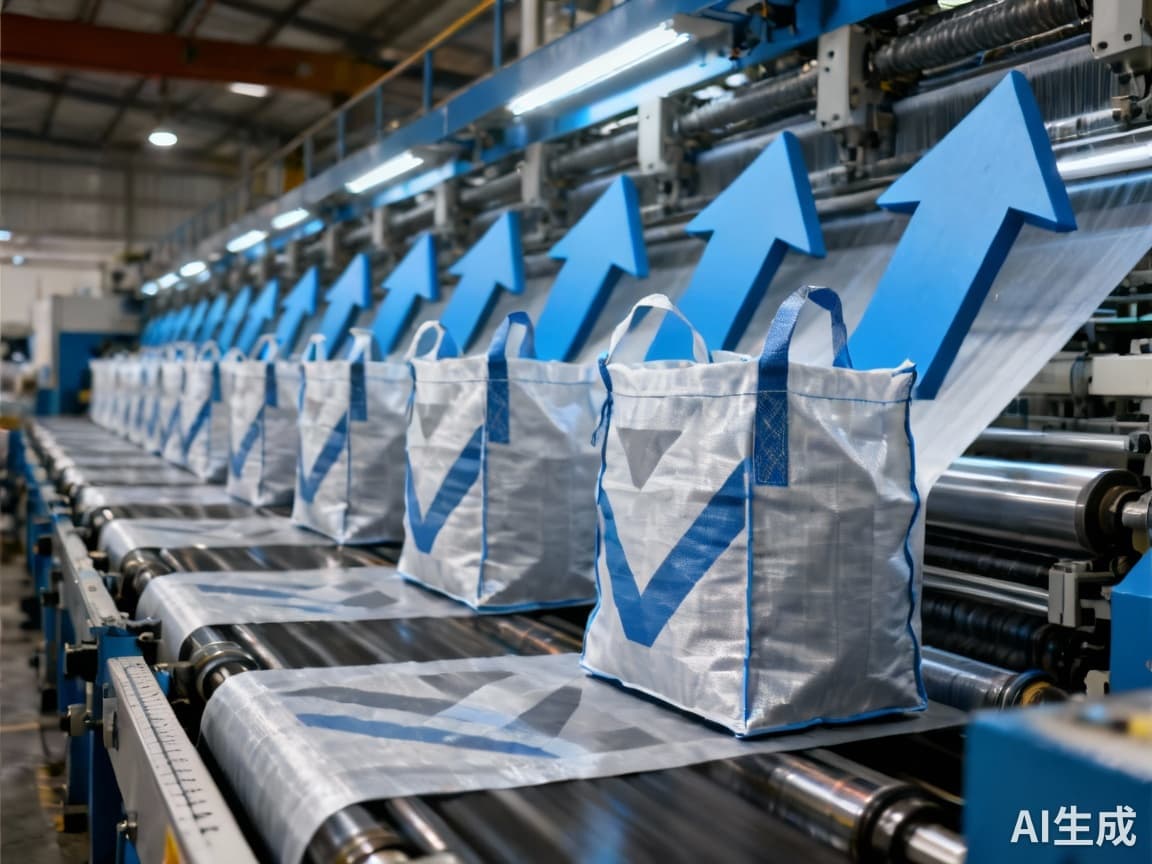
From $40B to $500B: How Ton Bag Makers Achieve 7% CAGR Through Niche Specialization
In the rapidly evolving packaging industry, ton bag manufacturers face a critical choice: compete in oversaturated general markets or dominate specialized niches. While the global carry bag market exceeds $500 billion (2024), growing at a 5.5% CAGR, China's student backpack market—valued at approximately ¥40 billion—boasts a higher 7% CAGR. This disparity highlights a fundamental truth: niche specialization drives superior growth. This article explores how manufacturers can leverage this strategy, supported by real data and actionable frameworks.
Redefining the $500B Market: Why Traditional Categories Fail
Traditional market classifications—such as plastic versus fabric bags—overlook critical technical and application-based differentiators. The carry bag industry's vast value is distributed across specialized segments with varying technical barriers and profit margins. For instance, standard bulk bags operate on thin margins, while specialized solutions like container liquid liners and marine bags command premium pricing due to stringent performance requirements and higher manufacturing complexity. Companies that recognize and target these sub-segments unlock disproportionate returns.
"Global carry bag market value reached $500 billion in 2024, with projections indicating growth to $750 billion by 2033, yet niche segments within it outpace broader market averages." — Industry Market Analysis
Langfu’s Success: The 6-Billion-Liter Blueprint
Langfu, a global leader in container liquid liners and marine bags, exemplifies the power of niche focus. By dedicating R&D and production resources exclusively to these demanding segments, Langfu now facilitates the transport of over 6 billion liters of liquid cargo annually. Their success stems from:
- Targeting high-barrier, high-margin applications ignored by generalists
- Developing proprietary materials and sealing technologies to meet international safety standards
- Aligning innovation with specific customer logistics challenges, such as long-distance maritime transport
This strategic shift from generic ton bags to engineered solutions enabled Langfu to build a defensible market position and achieve industry leadership.
A 7-Step Framework for Sustainable Specialization
For manufacturers aiming to replicate this success, a structured approach ensures effective resource allocation and risk management.
- Identify Profitable Niches: Analyze market gaps using data on segment growth, margin structures, and technical demands. Focus on areas with limited competition but clear customer need.
- Assess Technical Feasibility: Evaluate existing equipment adaptability versus new investments. Calculate ROI based on projected volume and pricing.
- Validate with Customers: Engage potential clients early to co-develop specifications, ensuring product-market fit.
- Plan Scalable Production: Begin with pilot batches, refine processes, and then scale, ensuring consistency at volume.
- Implement Rigorous Quality Systems: Obtain relevant certifications (e.g., ISO, IMDG) to build credibility and meet regulatory hurdles.
- Develop Targeted Marketing: Craft value propositions that emphasize reliability, total cost savings, and performance in specific conditions.
- Establish Feedback Loops: Use customer insights to drive continuous product enhancement and stay ahead of evolving requirements.
Balancing Risk and Reward in Specialization
Niche strategies involve inherent risks, such as limited initial demand or technological obsolescence. Mitigate these through:
- Phased investment aligned with milestone achievements
- Diversification within related sub-segments to spread exposure
- Clear exit criteria or pivot options if market response is weak
Quantifiable metrics—such as segment growth rate, customer acquisition cost, and break-even volume—should guide decisions.
Conclusion: The Path to Leadership
Specialization isn’t a gamble—it’s a data-informed strategy to escape commoditization. As Langfu’s annual 6 billion liters demonstrate, deep expertise in targeted applications builds sustainable advantage. With the global carry bag market expanding toward $750 billion and niche segments growing even faster, now is the time to act. Manufacturers that embrace specialization will not only achieve higher growth but also define the future of industrial packaging.
Related News
Other news you might be interested in
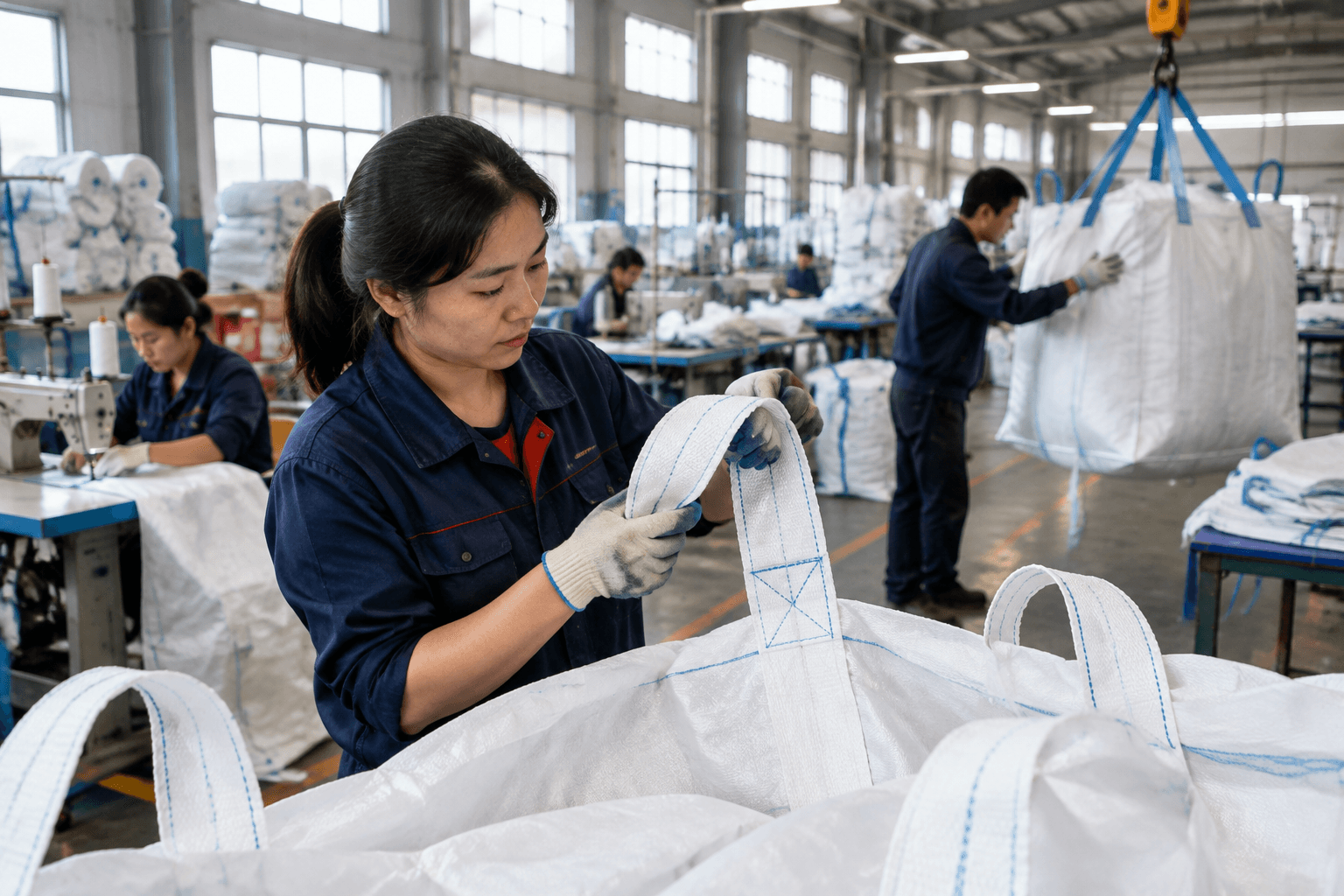
Choosing the Right Bulk Bag Manufacturer for Safer, More Efficient Operations
Learn how to specify bulk bags, evaluate manufacturers, and validate quality and supply reliability to reduce operational risk and support safer, more efficient handling.
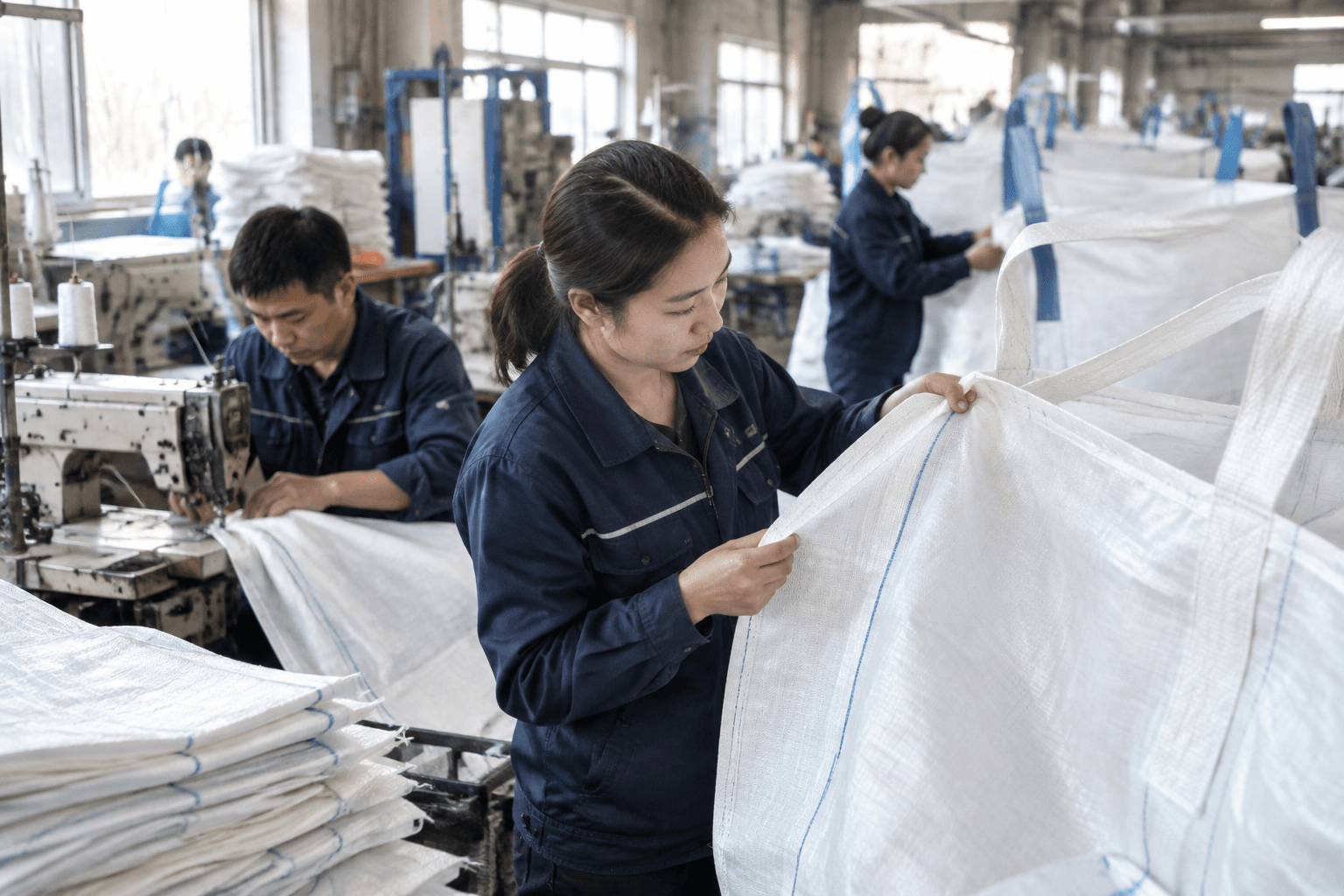
The 140th Canton Fair: New Trends in the Export Market for FIBC Bulk Bags, Jumbo Bags, and PP Woven Packaging
Explore how export buyers can evaluate FIBC bulk bags and PP woven packaging beyond unit price. Get practical guidance on specifications, supplier verification, sustainability requirements, and RFQs—and prepare your next sourcing conversation with COSEK.
Want to know more?
Get in touch with us for more information about our services and products.