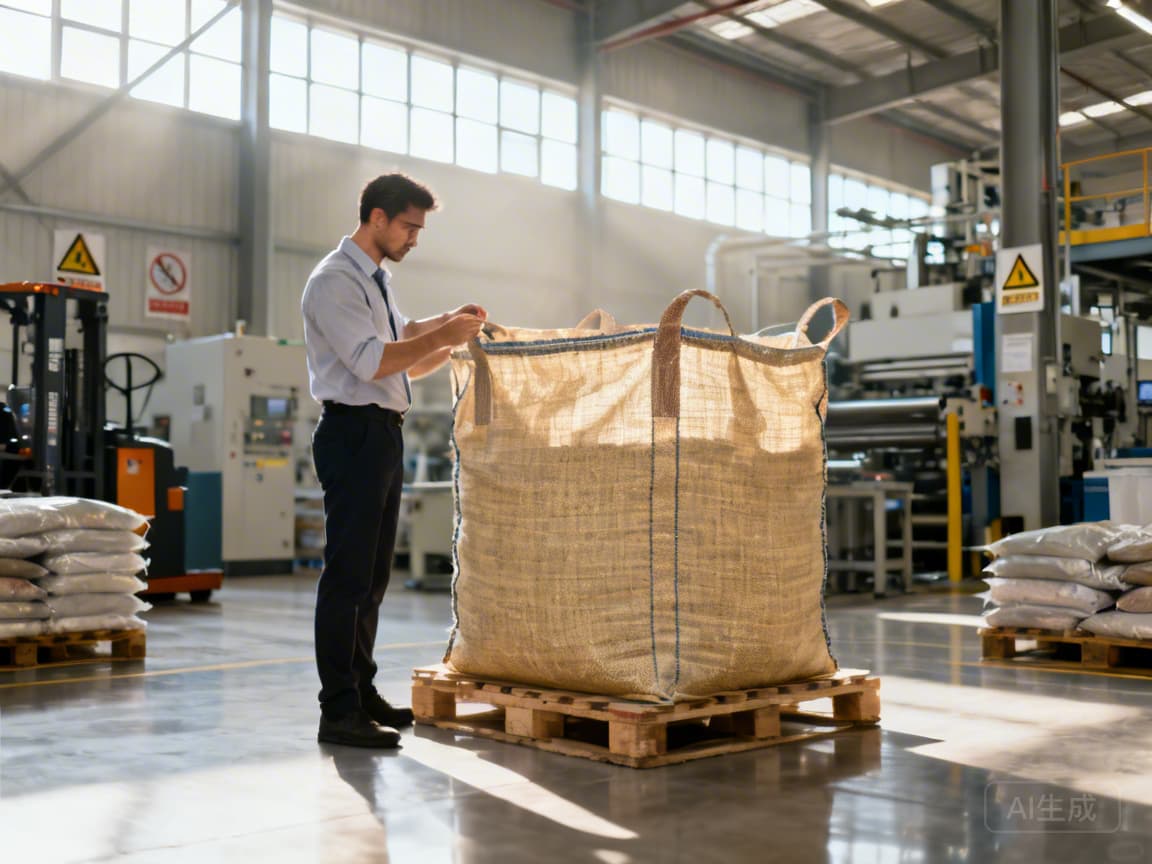
From Bulk Bag to Profit Engine: Quantify 603% ROI in Your Supply Chain

RUNCHEN
AuthorWith more than 25 years of experience in FIBC bulk bag manufacturing and sales, RUNCHEN operates its own production facility with stable batch capacity. We specialize in FIBC bulk bags, jumbo bags, ton bags, and customized industrial packaging solutions.
The Hidden Cost Lever in Your Production Line
For manufacturers handling bulk materials, the humble Flexible Intermediate Bulk Container (FIBC), or bulk bag, is often viewed as a simple commodity—a necessary cost for storage and transport. Yet, in an era of volatile raw material prices and intense margin pressure, this perspective is a strategic blind spot. The real question isn't the price per bag, but the total cost your bag strategy imposes on your product. When viewed through the lens of Total Cost of Ownership (TCO) and value engineering, the FIBC transforms from a passive container into an active profit lever.
Shifting the Paradigm: From Unit Price to Total Value
Procurement traditionally focuses on unit cost, but this misses the broader financial picture. A true TCO analysis for bulk bags must account for impacts across the entire value chain:
- Material Loss: Poor design can lead to residue, spillage, and contamination, directly wasting high-value product.
- Operational Efficiency: Bags incompatible with filling or discharging equipment cause slowdowns, downtime, and increased labor.
- Logistics & Storage: Non-optimized dimensions waste space in transport and warehousing, inflating freight and holding costs.
- Disposal & Compliance: Handling, cleaning, or discarding bags carries environmental and financial responsibilities, especially as green packaging mandates grow.
This holistic view is where significant value is captured. As seen in aPriori's cross-industry work, deep digital cost insights enabled over $76 million in supplier negotiation savings. The principle is directly applicable: treating any purchased item as a system component unlocks hidden profitability.
Building Your FIBC Value Proof: A Data-Driven Framework
Quantifying this potential requires a disciplined approach, mirroring proven ROI methodologies. The staggering results from ROI Institute—where projects delivered 695% and even 5,724% returns—demonstrate that measuring and communicating value is possible and powerful. Follow this four-step framework to build your business case:
Step 1: Establish Your Cost Baseline
Document all current bag-related expenses. This goes beyond invoice price to include labor for handling, recorded incidents of spillage/cleanup, warehouse space allocation, and disposal fees. This baseline is your "before" picture.
Step 2: Identify Improvement Levers
Collaborate with engineering and operations to pinpoint inefficiencies. Can a custom spout design reduce residue by 3%? Would standardized stacking save 15% warehouse space? Could anti-static features improve line speed? Frame these as specific, measurable opportunities.
Step 3: Collect Data and Calculate Impact
Translate improvements into tangible units: hours saved, kilograms of material recovered, cubic meters of space freed. For example, a 2% reduction in residue for a high-value chemical translates directly to saved product revenue.
Step 4: Monetize and Calculate ROI
Apply your financial metrics (labor rates, material cost, storage fees) to the data from Step 3. Compare the annualized savings against the investment required for improved bag design or a smarter procurement process. As the referenced cases show, even modest percentage gains on high-volume or high-value materials can yield exceptional returns.
The ability to rigorously measure and prove high ROI is the best argument for securing future investment and resources.
Initiating the Value Engineering Dialogue
Turning insight into action requires shifting internal and external conversations.
- For Procurement: Move from issuing RFQs to hosting value engineering workshops with suppliers. Challenge them to analyze your process and propose TCO-optimized solutions, not just cheaper bags.
- For Operations & Engineering: Systematically log production data related to bag handling—downtime incidents, filling rates, cleanup time. This data is the fuel for your value proof.
- For Leadership: Frame FIBC optimization not as a cost-saving exercise, but as a strategic margin-enhancement project with a clear, data-backed ROI projection, similar to other digital transformation initiatives.
Conclusion: The Strategic Asset for a Sustainable Future
The market is moving decisively toward intelligent, sustainable operations. With the green packaging share in China alone projected to reach 80%, efficiency is inextricably linked to environmental responsibility. A precision FIBC strategy reduces waste, optimizes resource use, and enhances recyclability. By applying digital cost insight principles—proven to deliver 603% ROI in manufacturing—to this critical node in your supply chain, you transform a bulk bag from a commodity into a quantifiable profit engine for a smarter, more sustainable enterprise.
Related News
Other news you might be interested in
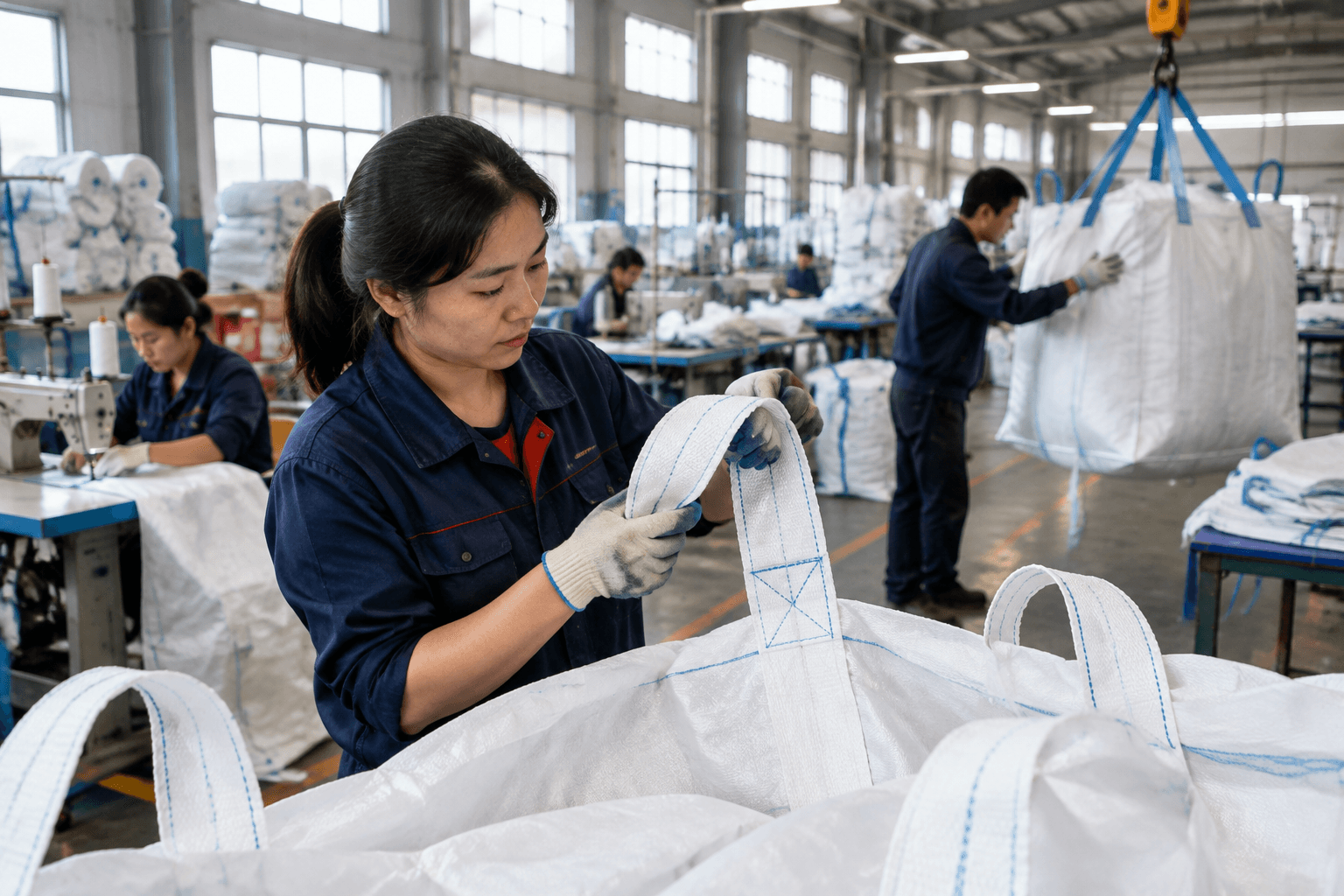
Choosing the Right Bulk Bag Manufacturer for Safer, More Efficient Operations
Learn how to specify bulk bags, evaluate manufacturers, and validate quality and supply reliability to reduce operational risk and support safer, more efficient handling.
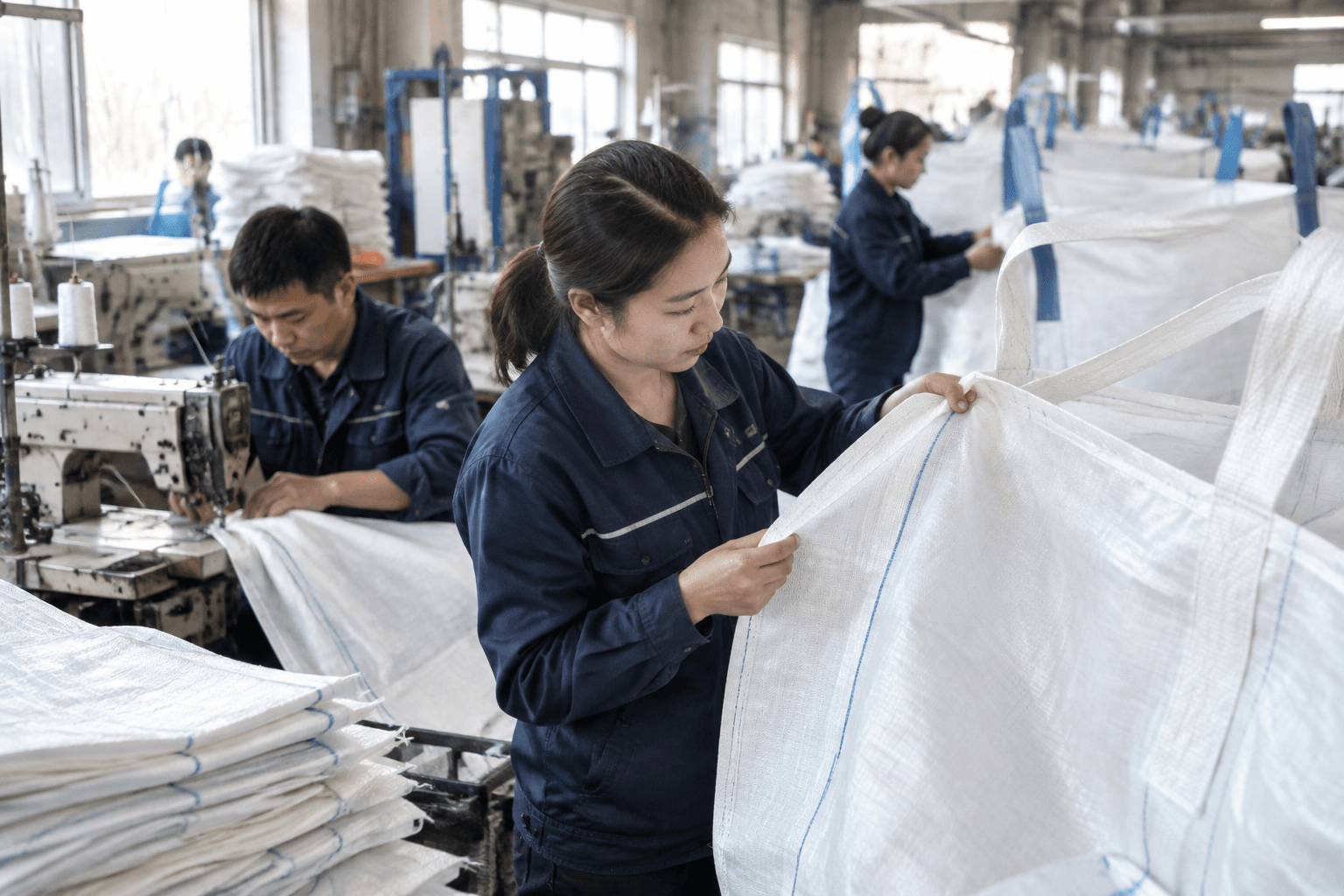
The 140th Canton Fair: New Trends in the Export Market for FIBC Bulk Bags, Jumbo Bags, and PP Woven Packaging
Explore how export buyers can evaluate FIBC bulk bags and PP woven packaging beyond unit price. Get practical guidance on specifications, supplier verification, sustainability requirements, and RFQs—and prepare your next sourcing conversation with COSEK.
Want to know more?
Get in touch with us for more information about our services and products.