
How to Choose a Reliable FIBC Bag Manufacturer for Safer, More Efficient Bulk Packaging
RUNCHEN
AuthorWith more than 25 years of experience in FIBC bulk bag manufacturing and sales, RUNCHEN operates its own production facility with stable batch capacity. We specialize in FIBC bulk bags, jumbo bags, ton bags, and customized industrial packaging solutions.
What procurement teams should expect from an FIBC manufacturer
Inconsistent bag quality, shipment delays, product contamination, and handling risks can turn a packaging issue into a supply-chain disruption. Buyers need confidence that every bag meets the requirements of its intended use—not just the dimensions on a purchase order.
Requirements vary by application. Food and pharmaceutical handling, cleanroom electronics, hazardous goods, and general industrial materials may each call for different specifications and controls. Choosing an FIBC bag manufacturer should therefore be a risk-reduction and operating-efficiency decision, not simply a search for the lowest unit price.
A capable supplier should translate your requirements into a bag specification that accounts for the material being packed, filling method, storage conditions, transport route, and discharge process. Expect defined construction details and handling requirements—not a generic product recommendation.
Assess capabilities across product engineering, fabric and component sourcing, production consistency, inspection, customization, and export coordination. Ask how the supplier confirms production capacity, establishes lead times, provides samples, and manages specification changes. Clarify whether changes to materials, components, dimensions, or production methods will be communicated and approved before they affect your order.
For a useful comparison, share the load and handling details behind your requirement and request a technical discussion or quotation based on that information. A quote is more meaningful when its assumptions are clear and the proposed construction is tied to your actual application.
Match bag construction to the material and handling process
Before selecting an FIBC design, review the payload and bulk density, filling method, lifting equipment, storage conditions, transport mode, and discharge method. These factors help determine the appropriate dimensions, construction, and handling features.
Fabric weight, coating or liner options, seam construction, lifting loops, and top and bottom configurations all influence how a bag performs in use. Dimensions matter too: a bag that fits your filling equipment, warehouse layout, and discharge system can make handling more predictable. If stable stacking or efficient storage is important, evaluate whether a square-bottom design suits your operation.
The COSEK Brown Square Bottom FIBC Bulk Bag is an option to consider for applications requiring a square-bottom configuration. Confirm its dimensions and construction against the intended load, equipment, and process before specifying it.
To reduce ambiguity, provide drawings, product data, photos of existing bags, or a filled-bag sample where possible. These details help the manufacturer review the application and identify specification questions early.
Evaluate options for specialized applications
Some applications call for additional design or documentation review. For demanding industrial uses, the Yellow Reinforced FIBC Bag may be a starting point for discussion. Verify its reinforcement, safe working load, and suitability for the specific lifting and handling conditions.
For electronic components and cleanroom-related packaging needs, consider the COSEK Black Anti-Static Bulk Bag for Cleanroom Electronic Components Packaging. Confirm the required electrostatic protection properties and ensure the bag is compatible with your handling protocol.
For regulated hazardous-material shipments, the COSEK White UN Certified Dangerous Goods FIBC Bulk Bag may be relevant. Verify the applicable UN certification, packaging designation, material compatibility, and transport requirements for the shipment in question.
Product names are useful starting points for a specification review, but they do not establish application suitability on their own. Match the bag, documentation, and handling process to the actual requirements.
Verify quality, safety, and compliance before ordering
Ask how the manufacturer controls incoming materials, production processes, seam quality, and finished-bag inspection. Find out what traceability is available and request relevant test reports, product specifications, certificates, and inspection records for your intended use.
For UN-certified bags, confirm that documentation and markings correspond to the required packaging type and intended transport conditions. For electrostatic-sensitive applications, request documented information about the bag’s properties and confirm that your grounding, filling, and discharge procedures are defined.
Product compliance and workplace safety are separate considerations. For example, GOTS implementation guidance includes provisions for monitoring conditions and preparing first-aid facilities for heat-related emergencies. This can inform questions about factory safety, but it does not certify FIBC products. Ask suppliers how they manage worker safety, including heat exposure and emergency readiness in production environments.
Assess total cost of ownership, not just purchase price
A low unit price may not represent the best commercial value if bags are damaged, difficult to fill or discharge, inefficient to store, or prone to causing product loss. Compare the quotation alongside expected bag life, handling efficiency, storage utilization, filling and discharge performance, and damage risk.
Include potential costs for rework, rejected shipments, downtime, compliance gaps, and emergency replacement orders. Dimensions or a different discharge configuration may also affect warehouse and production-line flow. Review these effects with operations and logistics teams, not procurement alone.
Market outlooks for bulk-bag discharge equipment cite projected growth of 3.20% through 2032. Treat this as a directional market signal, not evidence that a particular bag design will deliver savings. To evaluate value, compare the proposed specification with your operating needs and cost baseline.
Use supplier evidence to build confidence
Request sample bags, specification sheets, quality-control records, and references relevant to your industry and application. External business materials, such as Advantage Austria’s AUSTRIAN BUSINESS IN CHINA resources, may help frame cross-border considerations, but they cannot replace supplier-specific evidence about product quality, delivery, or performance.
If a supplier shares a customer example, ask about the application, original challenge, proposed solution, validation method, and measurable result. Treat case studies as useful context, not proof that the same outcome will apply to your operation. Establish a baseline for packaging spend, damage rates, filling speed, or storage efficiency before a trial.
A sample evaluation or pilot order can help you check fit and process compatibility before committing to a larger volume. Agree in advance on what you will assess and how you will judge the result.
A practical checklist for comparing FIBC suppliers
- Can the supplier demonstrate experience with your material, filling method, storage conditions, and transport route?
- Are dimensions, safe working load, safety factor, construction details, and handling instructions clearly specified?
- Are testing, inspection, traceability, and certification documents available and relevant to the intended use?
- Can the supplier provide samples and explain how changes to materials or design are controlled?
- Are lead times, minimum order quantities, packaging, shipping terms, and reorder processes transparent?
- Does the quotation state what is included and identify assumptions that could affect cost or delivery?
Turn the specification into a dependable supply plan
Once you select a design, agree on a controlled specification that records dimensions, fabric and component requirements, top and bottom configurations, printing, compliance needs, and inspection expectations. A clear, approved specification gives both buyer and manufacturer a consistent reference for production and reorders.
Forecasting, reorder points, sample approval, and change control can help reduce production interruptions. Define acceptance criteria before the first production run, and document how defects or other nonconformances will be reviewed and handled. For multi-site or export operations, confirm that product identification and supporting documents remain consistent across orders and destinations.
Request an application review and tailored quotation
To get a useful FIBC recommendation, share the material, target capacity, filling and discharge setup, transport and storage conditions, and any compliance requirements. If you are evaluating the Yellow Reinforced FIBC Bag, COSEK Black Anti-Static Bulk Bag for Cleanroom Electronic Components Packaging, COSEK White UN Certified Dangerous Goods FIBC Bulk Bag, or COSEK Brown Square Bottom FIBC Bulk Bag, identify the option and its intended application.
Clarify the application, review the specification, assess relevant samples or documentation, and request a quotation that states lead-time assumptions. A technical review before finalizing your next packaging order can surface unanswered questions while there is still time to address them.
Related News
Other news you might be interested in
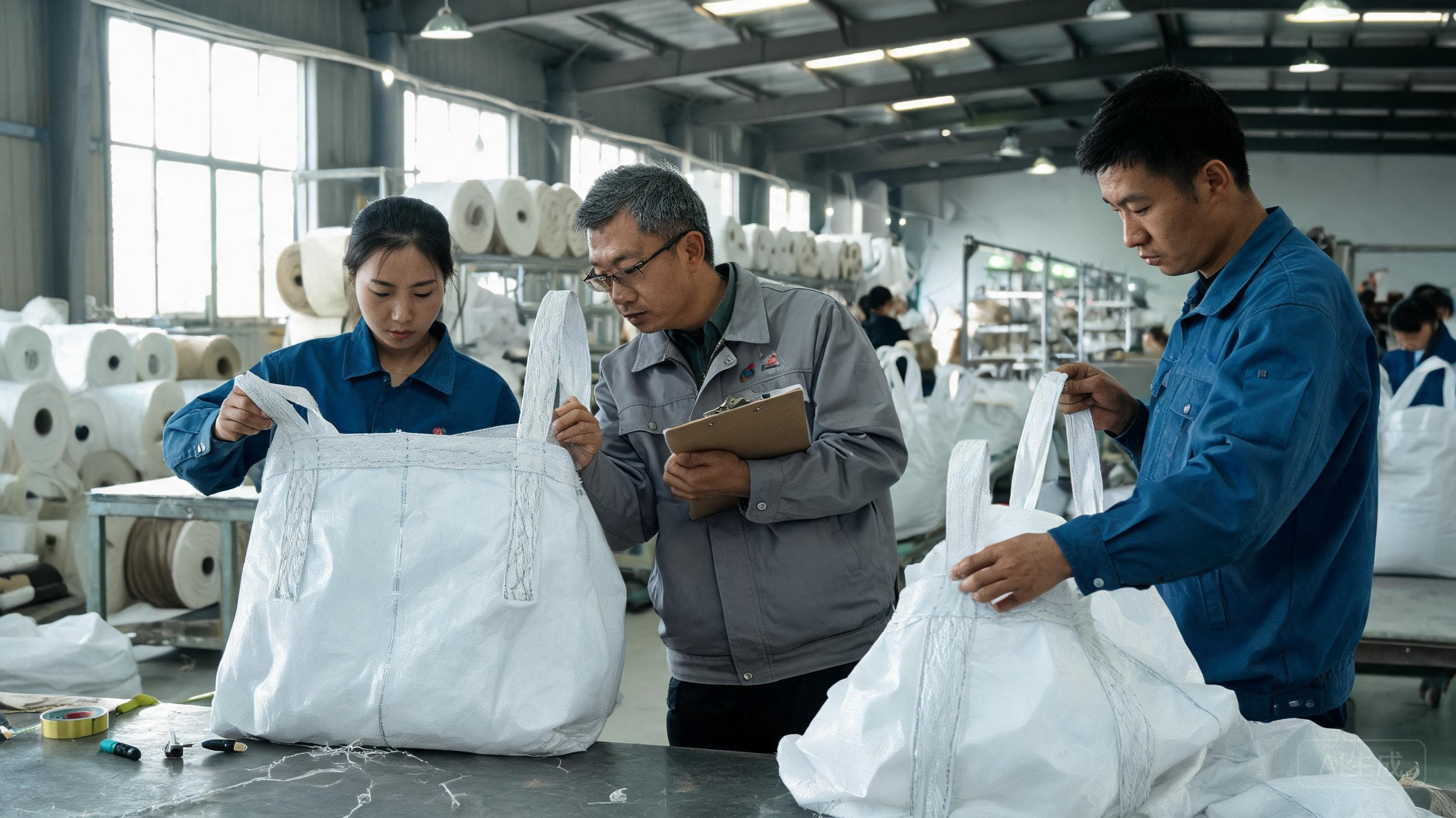
How to Choose a Bulk Bag Manufacturer That Protects Product Quality and Reduces Supply Risk
Compare FIBC design, quality controls, compliance evidence, and total cost with a practical sourcing framework—and request a specification-based quote from COSEK.
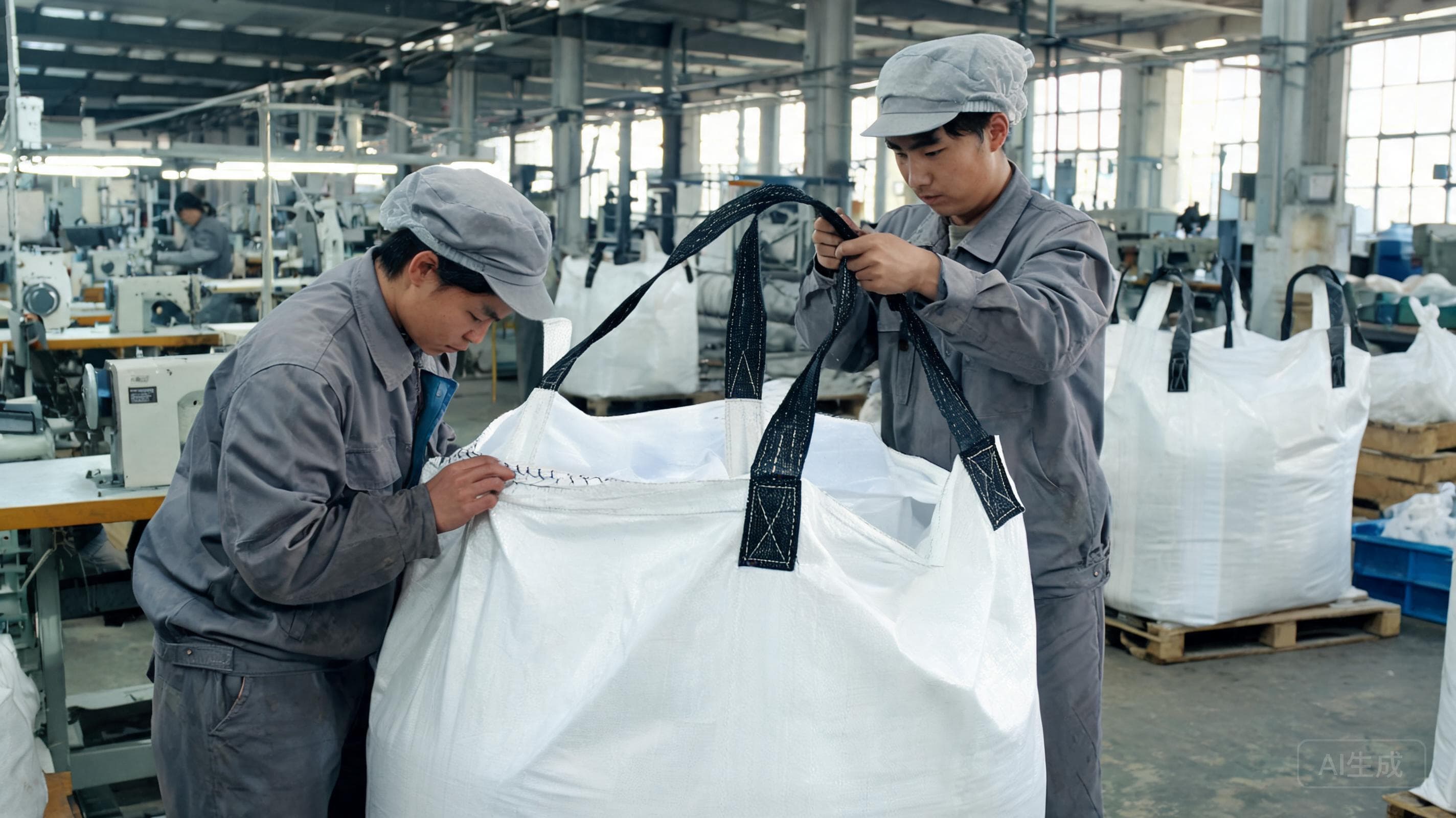
Choosing the Right FIBC Supplier: A Practical Guide to Safer, More Reliable Bulk Packaging
Define your application, verify bag performance and supplier quality, and compare equivalent specifications to choose FIBCs that support safer, more reliable operations.
Want to know more?
Get in touch with us for more information about our services and products.