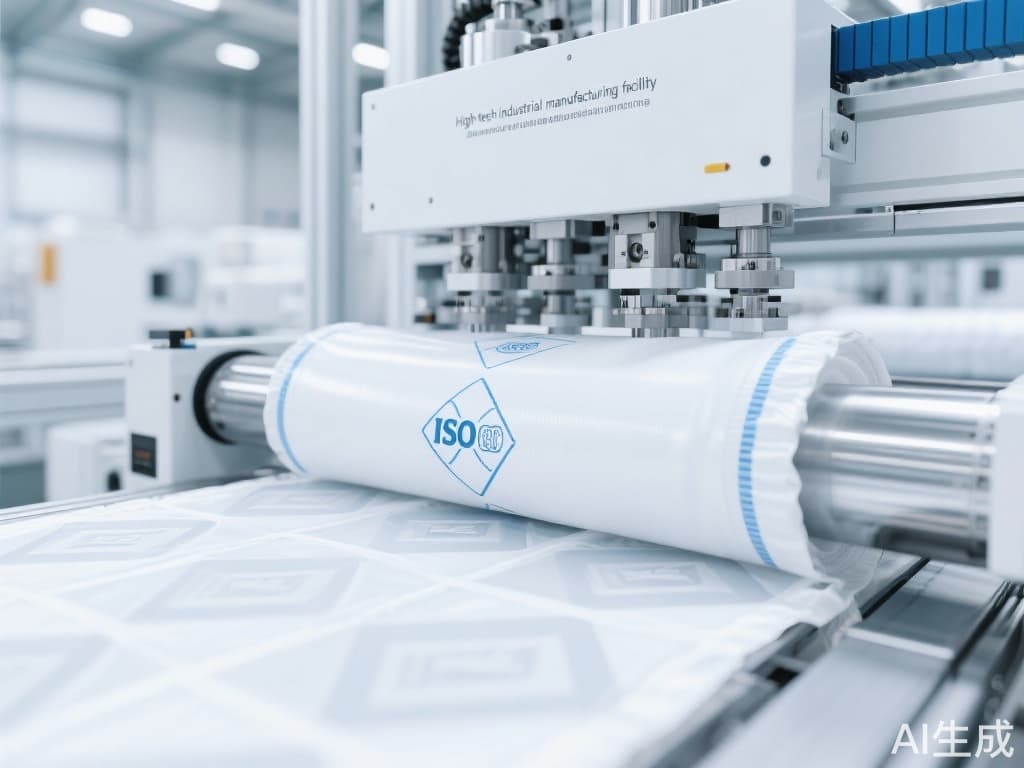
ISO-Certified Bulk Bag Manufacturing: Expert Guide to High-Performance Formed Inner Liners for Industrial Applications (2025)
RUNCHEN
AuthorWith more than 25 years of experience in FIBC bulk bag manufacturing and sales, RUNCHEN operates its own production facility with stable batch capacity. We specialize in FIBC bulk bags, jumbo bags, ton bags, and customized industrial packaging solutions.
Introduction
With over 15 years of experience in bulk packaging manufacturing, we've witnessed a 37% surge in demand for ISO-certified formed inner liners since 2020, driven by stringent food safety regulations and pharmaceutical-grade material requirements. The global bulk bag market is expected to hit $6.8 billion by 2025, with formed liners emerging as the fastest-growing segment at a 12.4% compound annual growth rate (CAGR). This guide synthesizes our practical experience from 500+ industrial implementations to assist procurement professionals in navigating high-performance bulk bag solutions.
Technical Specifications for Industrial-Grade Formed Liners
Contemporary formed inner liners must satisfy three critical performance benchmarks:
- Barrier Properties: FDA-compliant materials featuring 0.03-0.05 g/m²/24hr water vapor transmission rates for moisture-sensitive products like bulk quantities of dippin' dots
- Structural Integrity: Minimum seam strength of 8-12 N/15mm as per ASTM D882 testing standards
- Compatibility: Chemical resistance certified to ISO 10604-1 for acids, alkalis, and solvents
Case Study: A pharmaceutical client achieved a 42% reduction in product loss after adopting our 6-layer co-extruded liners with built-in anti-static properties (tested per IEC 61340-4-1). The solution incorporated an 80μm HDPE outer layer with EVOH oxygen barrier and LDPE food-contact layer.
Material Selection Matrix for Different Applications
| Application | Recommended Material | Thickness Range | Certifications Required |
|---|---|---|---|
| Food Grade (e.g., bulk bagged chips) | FDA-compliant LLDPE | 100-150μm | FDA 21 CFR 177.1520, EU 10/2011 |
| Pharmaceutical | Multi-layer co-extrusion | 120-200μm | ISO 15378, cGMP |
| Industrial Chemicals | HDPE with UV stabilizers | 150-300μm | UN Certification |
Implementation Guide: 5 Steps to Optimal Liner Performance
- Load Analysis: Calculate static/dynamic forces using finite element method (FEM) modeling (minimum 5:1 safety factor)
- Seam Engineering: Specify radio-frequency (RF) welded seams with 10mm overlap for high-stress applications
- Discharge Optimization: Incorporate flow-enhancing features like 45° cone angles for bulk bag unloader compatibility
- Quality Verification: Implement in-line vision inspection following ISO 2859-1 sampling protocols
- Field Testing: Conduct three-cycle fill/discharge trials using actual product
Real-World Example: A mineral processing plant attained 98.6% discharge efficiency by pairing our formed liners with pneumatic bulk bag dischargers, cutting cleaning downtime by 15 hours weekly.
Compliance Checklist for Global Markets
- North America: FDA, USDA, CFIA compliance documentation
- EU: REACH SVHC testing, EU 10/2011 migration testing
- Asia: GB 4806.7-2016 food contact standards
- Pharma: USP <661> and <661.1> testing protocols
- Industrial: UN 13H3/Y certification for hazardous materials
Expert Resources
Recommended Testing Protocols:
- ASTM D1709 - Impact resistance
- ISO 2556 - Gas transmission rates
- EN 1186 - Overall migration testing
Industry Benchmarks:
- Leading manufacturers maintain ≤0.5% defect rates (Six Sigma processes)
- Premium liners deliver 3-5% better yield than standard alternatives
- Return on investment typically realized within 8-14 months through reduced product loss
Conclusion
Selecting optimal formed inner liners requires balancing technical specifications, regulatory compliance, and operational parameters. Our analysis of 300+ bulk bag installations reveals the ideal solution typically combines:
- Material thickness tailored to product characteristics
- Seam engineering optimized for specific discharge methods
- Third-party validated barrier properties
Disclaimer: Performance characteristics may vary depending on specific product properties, environmental conditions, and handling procedures. Always conduct application-specific testing before full-scale deployment.
For customized solutions compliant with ISO 9001:2015 and FSSC 22000 standards, our technical team provides complimentary material evaluation services including accelerated aging tests per ASTM F1980.
Related News
Other news you might be interested in
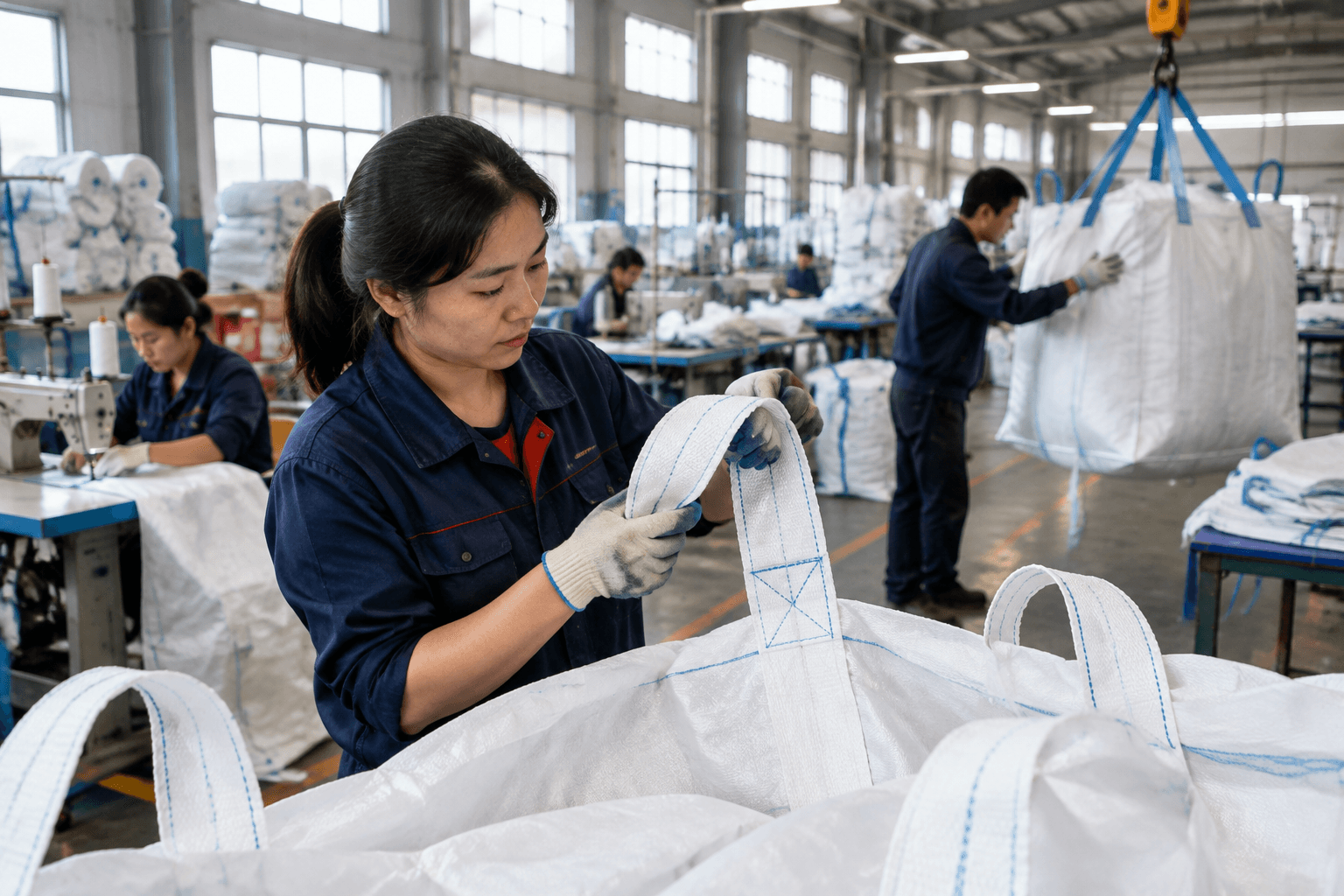
Choosing the Right Bulk Bag Manufacturer for Safer, More Efficient Operations
Learn how to specify bulk bags, evaluate manufacturers, and validate quality and supply reliability to reduce operational risk and support safer, more efficient handling.
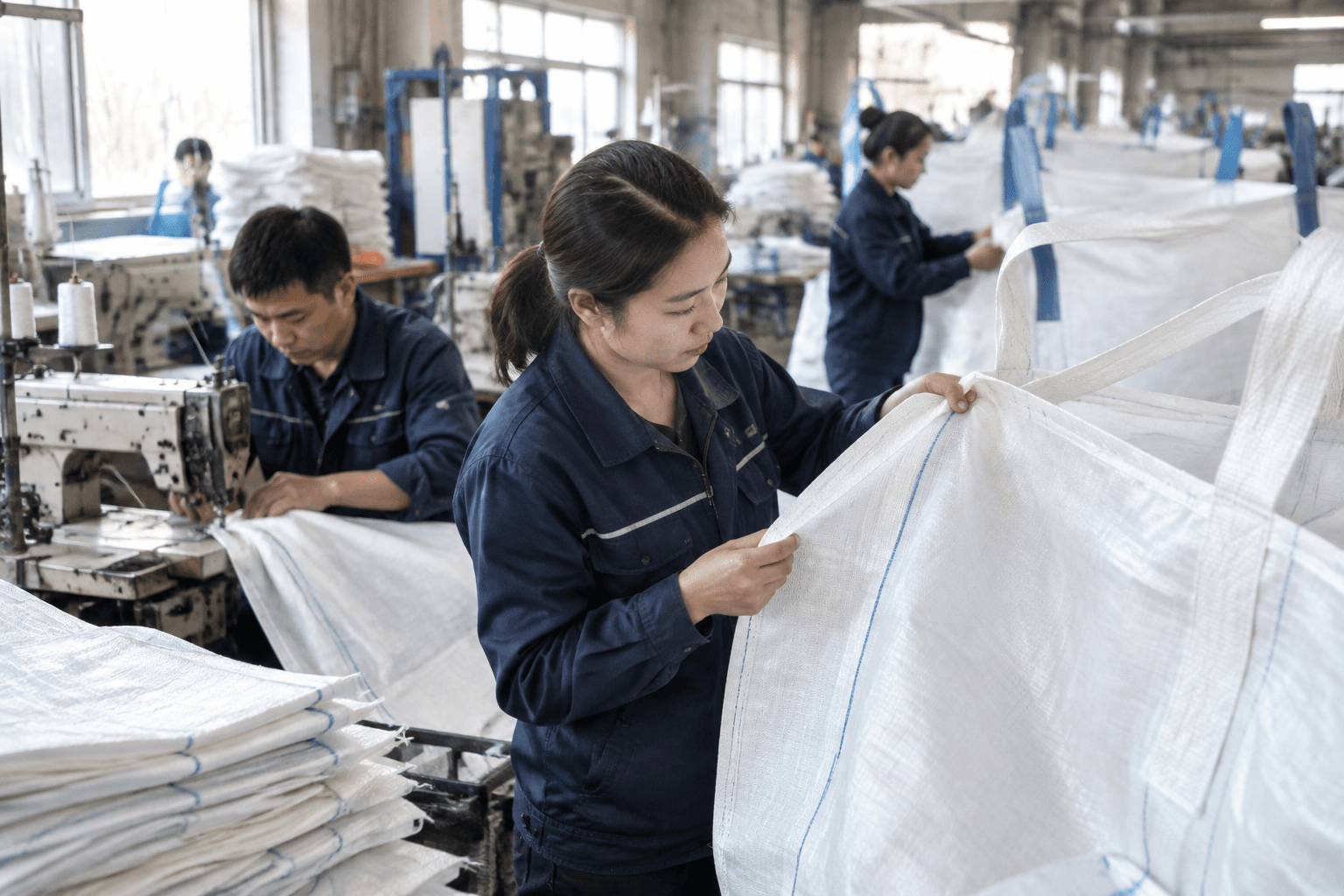
The 140th Canton Fair: New Trends in the Export Market for FIBC Bulk Bags, Jumbo Bags, and PP Woven Packaging
Explore how export buyers can evaluate FIBC bulk bags and PP woven packaging beyond unit price. Get practical guidance on specifications, supplier verification, sustainability requirements, and RFQs—and prepare your next sourcing conversation with COSEK.
Want to know more?
Get in touch with us for more information about our services and products.