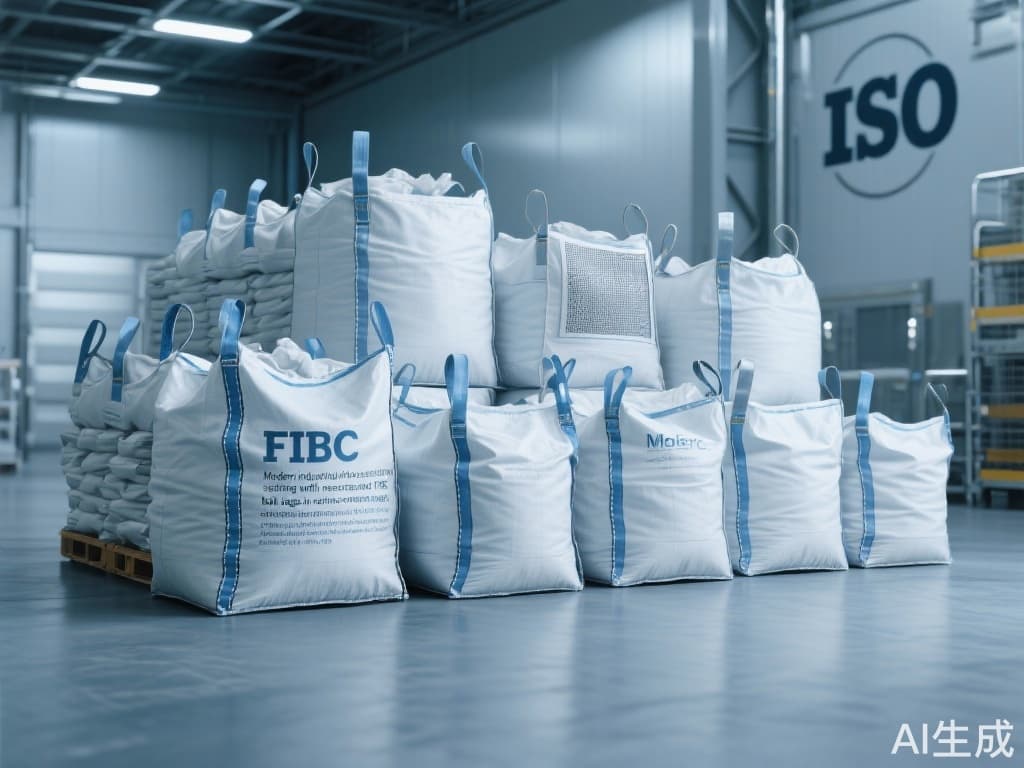
ISO-Certified Bulk Bag Manufacturing: Expert Guide to Selecting Industrial-Grade FIBC Solutions for 2025 #6
RUNCHEN
AuthorWith more than 25 years of experience in FIBC bulk bag manufacturing and sales, RUNCHEN operates its own production facility with stable batch capacity. We specialize in FIBC bulk bags, jumbo bags, ton bags, and customized industrial packaging solutions.
Understanding Industrial-Grade FIBC Solutions for Modern Manufacturing
With over 15 years of bulk bag manufacturing experience, we've observed the FIBC market transition from basic storage containers to advanced engineering solutions. The global bulk bag market is expected to hit $6.8 billion by 2025, fueled by growing demand from food, chemical, and pharmaceutical sectors. As ISO 9001:2015 certified manufacturers, we've pinpointed crucial selection criteria that distinguish premium FIBCs from standard products.
Key Considerations for Selecting 2025-Ready Bulk Bags
1. Material Composition & Safety Certifications
High-quality bulk bags demand:
- FDA-compliant polypropylene for food-grade applications (21 CFR 177.1520)
- Type D conductive fabrics adhering to ISO 284:2012 for explosive environments
- UV-stabilized materials certified to ISO 21898:2004 for outdoor storage
Case Study: A chemical producer decreased product contamination incidents by 73% after adopting our multi-layer laminated aluminum foil bags with ISO 22000 food safety certification.
2. Structural Engineering & Load Capacity
Our engineering team advises:
- Assess safety factor ratios (typically 5:1 or 6:1) per ISO 21898 standards
- Specify seam strength (minimum 80% of fabric strength)
- Account for dynamic loading requirements in transport applications
For instance, our four-loop top lift bags with reinforced corner panels reliably managed 2,000kg loads in automotive powder coating uses, surpassing EN 1898 safety standards.
Specialized FIBC Solutions for Industry-Specific Needs
Food & Pharmaceutical Applications
Our formed liner bags include:
- Anti-static protection compliant with ATEX Directive 2014/34/EU
- Seamless construction meeting EU 10/2011 food contact standards
- Moisture barrier options featuring 0.03g/m²/24hr WVTR rating
Chemical & Hazardous Materials
The conductive bulk bags in our inventory feature:
- Carbon-loaded polypropylene fabric (surface resistance <10⁸ Ω)
- Groundable lifting loops conforming to IEC 61340-4-4 standards
- Chemical-resistant coatings tested against ISO 14001 protocols
Implementation Guide: Transitioning to Premium FIBC Solutions
Step 1: Perform 30-day material compatibility testing with sample bags
Step 2: Verify certifications against industry regulations
Step 3: Conduct trial runs at 10% of normal operational capacity
Step 4: Train personnel on proper filling/discharge procedures
Step 5: Deploy tracking system for bag lifecycle management
Pro Tip: Our clients realize 18-22% cost reductions by pairing ventilated bulk bags with automated filling systems, minimizing product degradation during storage.
Expert Resources & Compliance Checklist
Essential Certifications:
- ISO 9001:2015 Quality Management Systems
- BCR-292 for food contact materials
- UN Certification for hazardous material transportation
Key Performance Metrics:
- Cycle times for filling/discharge operations
- Product loss percentage per container
- Average reuse count before failure
Conclusion: Future-Proofing Your Bulk Packaging Strategy
As bulk bag technology progresses, manufacturers should prioritize certified solutions addressing both current operational needs and emerging regulatory demands. Our ISO-certified facility has assisted over 500 clients across 37 industries optimize FIBC operations, typically achieving 30-40% gains in material handling efficiency.
Professional Note: While these guidelines suit most industrial applications, specific requirements may vary based on product characteristics and regional regulations. Our engineering team provides complimentary bulk bag system assessments to identify tailored solutions.
Trust Indicators:
• Annual production of 200,000+ FIBC units
• Member of Flexible Intermediate Bulk Container Association (FIBCA)
• Certified to ISO 14001 environmental management standards
Related News
Other news you might be interested in
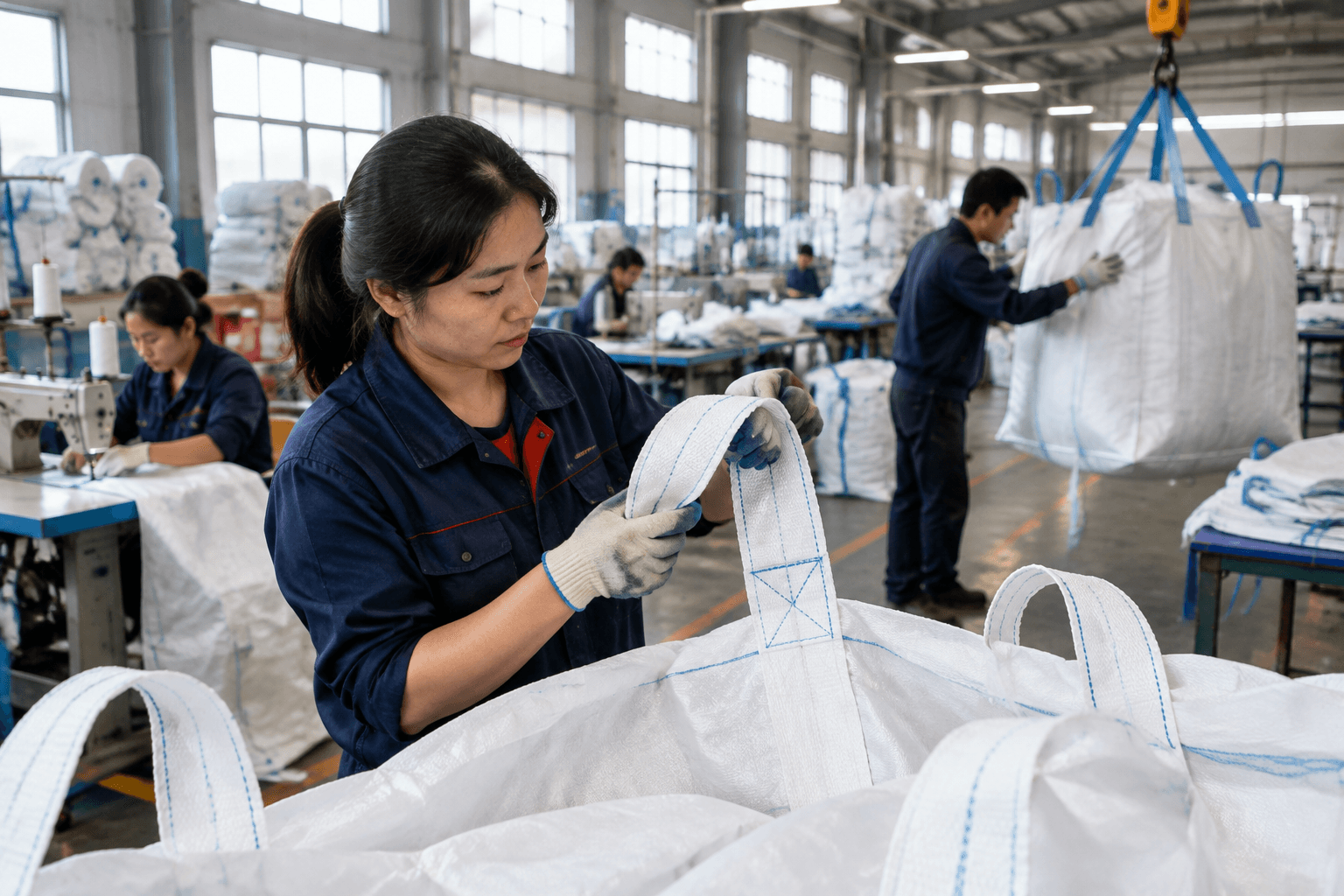
Choosing the Right Bulk Bag Manufacturer for Safer, More Efficient Operations
Learn how to specify bulk bags, evaluate manufacturers, and validate quality and supply reliability to reduce operational risk and support safer, more efficient handling.
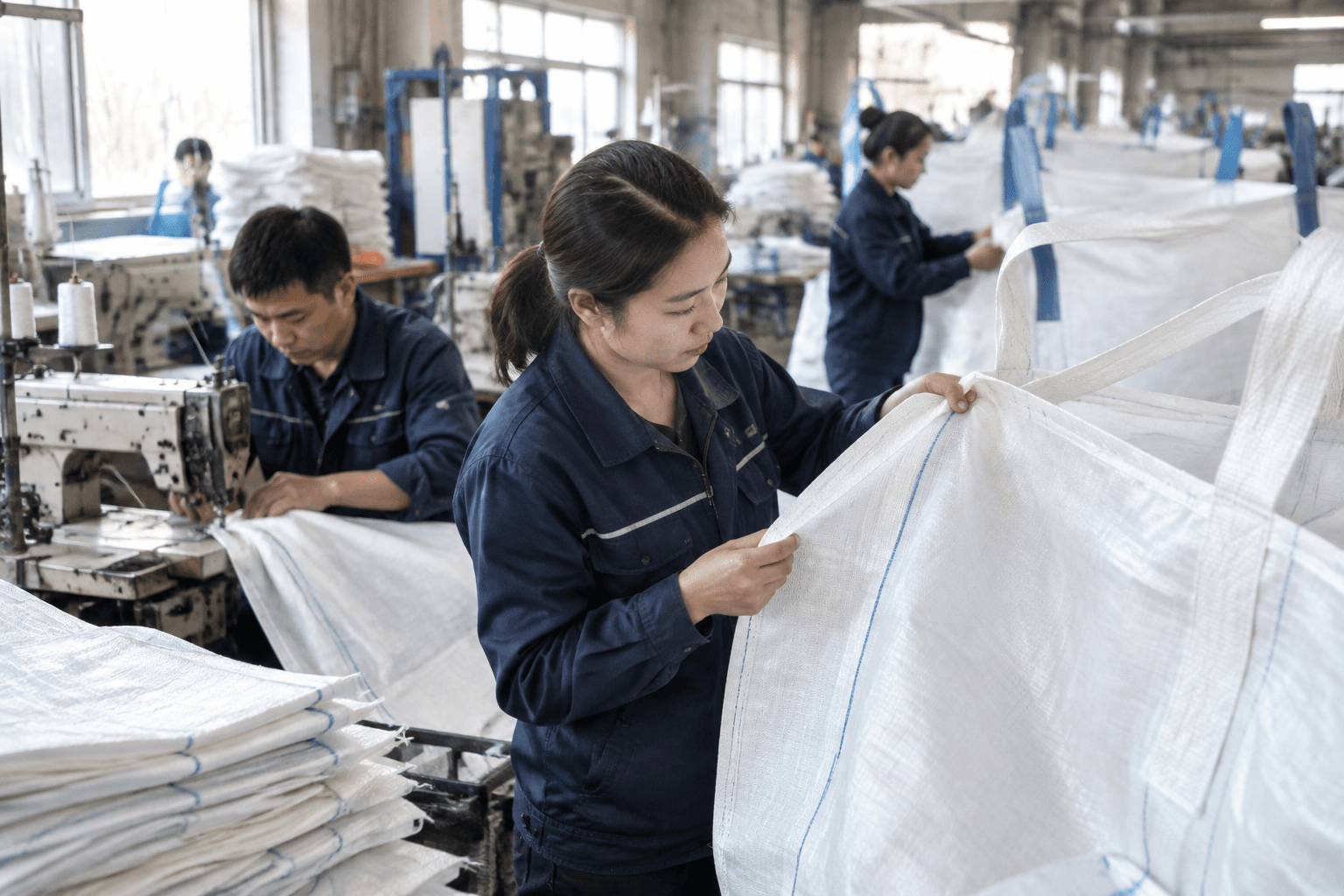
The 140th Canton Fair: New Trends in the Export Market for FIBC Bulk Bags, Jumbo Bags, and PP Woven Packaging
Explore how export buyers can evaluate FIBC bulk bags and PP woven packaging beyond unit price. Get practical guidance on specifications, supplier verification, sustainability requirements, and RFQs—and prepare your next sourcing conversation with COSEK.
Want to know more?
Get in touch with us for more information about our services and products.