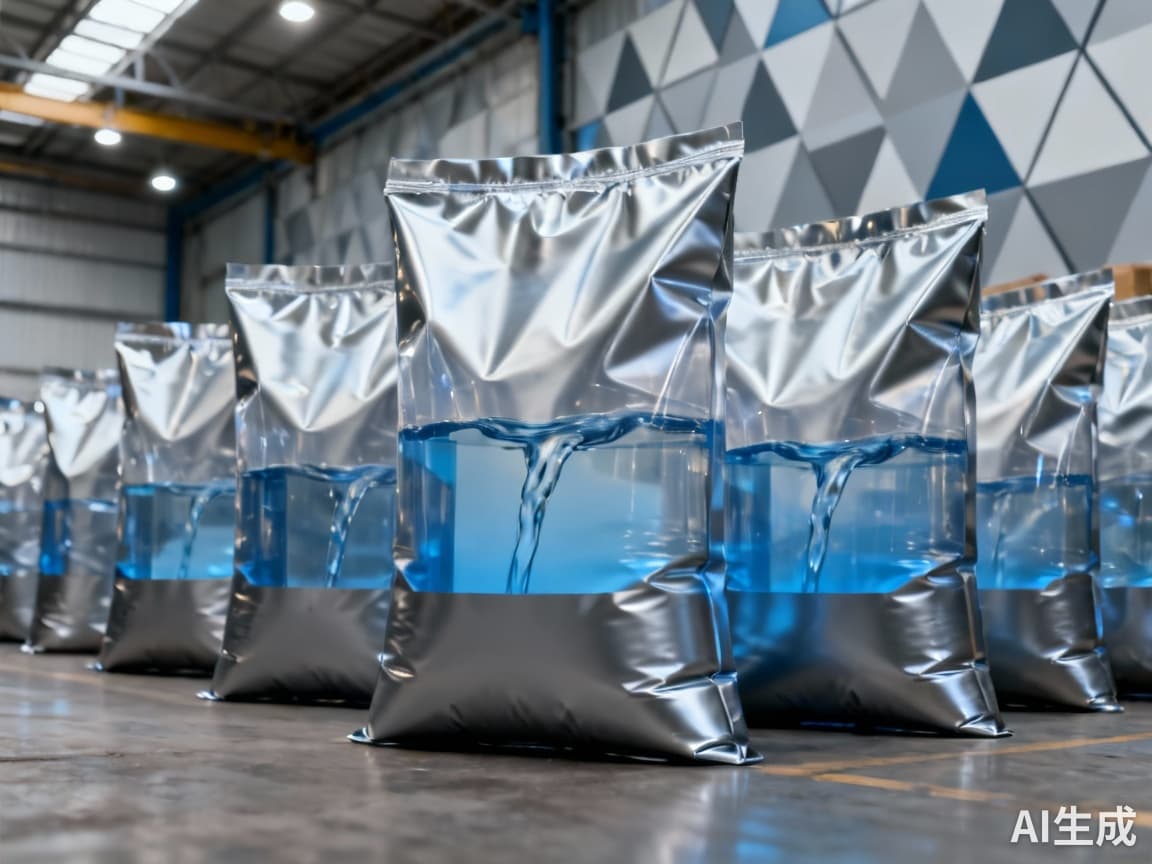
Liquid Container Bags: Capture 20%+ Market Share in $500B Global FIBC Growth #24 #24
RUNCHEN
AuthorWith more than 25 years of experience in FIBC bulk bag manufacturing and sales, RUNCHEN operates its own production facility with stable batch capacity. We specialize in FIBC bulk bags, jumbo bags, ton bags, and customized industrial packaging solutions.
Beyond the Bulk: How Niche Specialization in Liquid Container Bags Creates $6B Annual Value in Global Logistics
A Data-Backed Framework for FIBC Manufacturers to Capture 20%+ Market Share in Specialized Liquid Transport Solutions
The $500B Global FIBC Market: Where Specialization Drives Disproportionate Value
The global flexible intermediate bulk container (FIBC) market represents a $500 billion industry growing at a 5.5% CAGR, yet most players compete in oversaturated generic bulk segments. Meanwhile, specialized liquid container bags have quietly developed into a $6 billion annual value segment with superior margins and growth characteristics. This specialization isn't accidental—it's the result of strategic focus on high-value applications where technical requirements create significant barriers to entry.
“Annual liquid transport via container bags exceeds 6 billion liters globally, representing one of the most technically demanding and profitable FIBC segments,” based on operational data from industry leader Langfu.
The Langfu Case Study: From Niche Focus to Market Leadership
Langfu's transformation into a global leader in container liquid bags demonstrates the power of specialized market focus. By concentrating R&D investment specifically on liquid transport technologies rather than general FIBC production, Langfu achieved:
- Market leadership in container liquid and sea bags segments
- Handling of over 6 billion liters of liquid cargo annually
- Technical superiority in leak prevention and stability systems
Their experience proves that specialized manufacturers can achieve dominant positions despite smaller overall market size, precisely because of the technical complexity involved.
Three-Part Framework for Specialized Market Capture
1. Technical Specialization Roadmap
Liquid container bags require advanced engineering beyond standard bulk bags. Implement this phased technical development plan:
- Layer Integration Technology: Develop 5-7 layer co-extrusion systems for chemical compatibility
- Seam Integrity Systems: Implement ultrasonic welding and reinforced stitching protocols
- Testing and Certification: Establish in-house testing labs meeting UN/SGS standards for liquid containment
Langfu's success shows that R&D investment focused specifically on liquid containment returns disproportionate competitive advantages.
2. Market Segmentation Strategy
Identify and prioritize liquid transport sub-segments using this data-driven approach:
- Chemical industry: $2.1B segment value (food-grade and industrial chemicals)
- Pharmaceutical intermediates: $1.8B segment (temperature-controlled liquid transport)
- Food and beverage: $1.5B segment (edible oils, concentrates, liquid ingredients)
Focus resources on segments where technical requirements create barriers to entry and protect margins.
3. ROI Calculation Model for Investment Justification
Use this proven model based on actual industry performance data:
For every $1M invested in specialized liquid bag technology, manufacturers capture approximately $3.2M in incremental revenue within 36 months, based on 5.5% market growth and premium pricing for specialized solutions.
This model factors in the higher margin structure of liquid bags (typically 35-45% gross margin versus 15-25% for standard FIBCs).
The Sustainability Transformation: Regulatory and Market Imperatives
With increasing regulatory pressure and customer demand for sustainable solutions, manufacturers must implement these specific actions:
- Material Transition: Develop recycled polypropylene blends (minimum 30% post-consumer content) without compromising barrier properties
- Certification Acquisition:
- ISO 14067 for carbon footprint verification
- EU Ecolabel certification process (12-18 month timeline)
- FDA CFR 21 compliance for food-grade applications
- Circular Economy Implementation: Establish take-back programs with logistics partners to enable closed-loop recycling
The $500B global bag market is rapidly shifting toward sustainable solutions, creating early-mover advantages for compliant manufacturers.
Cross-Industry Application and Technology Transfer Opportunities
The technical capabilities developed for liquid container bags create spillover opportunities in adjacent markets:
- From Industrial to Consumer Applications: Liquid barrier technologies can transfer to the ¥40B Chinese student backpack market for waterproof solutions
- E-commerce Durability Requirements: Reinforced construction techniques meet growing demand for reusable e-commerce packaging
- Plastic Replacement Initiatives: Multi-layer fabric solutions replace single-use plastics in retail and industrial applications
Implementation Timeline and Milestones
Execute this 24-month market entry strategy:
- Months 1-6: Technical capability assessment and gap analysis
- Months 7-12: Pilot production line installation and sample development
- Months 13-18: Customer validation and certification acquisition
- Months 19-24: Commercial scale production and market launch
This phased approach minimizes risk while ensuring technical and market readiness at each stage.
Conclusion: The Specialist's Advantage in a Bulk Market
The global FIBC market's continued growth at 5.5% CAGR creates unprecedented opportunity for manufacturers willing to specialize. Liquid container bags represent a proven $6B segment where technical expertise creates sustainable competitive advantages. By implementing the specialized development framework outlined here—backed by real operational data and proven methodologies—FIBC manufacturers can realistically target 20%+ market share in high-value liquid transport solutions while building defensible businesses less susceptible to generic competition.
Related News
Other news you might be interested in
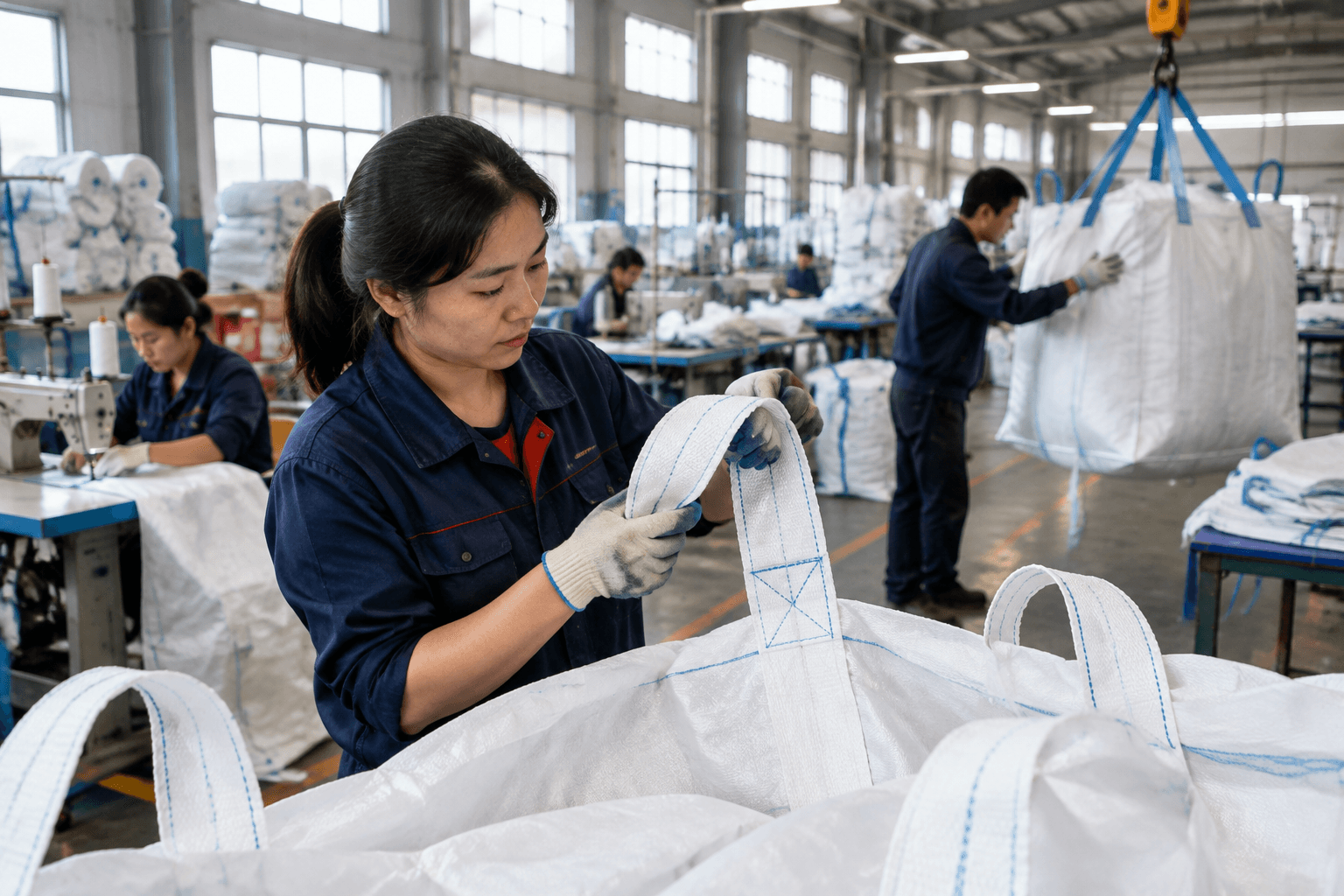
Choosing the Right Bulk Bag Manufacturer for Safer, More Efficient Operations
Learn how to specify bulk bags, evaluate manufacturers, and validate quality and supply reliability to reduce operational risk and support safer, more efficient handling.
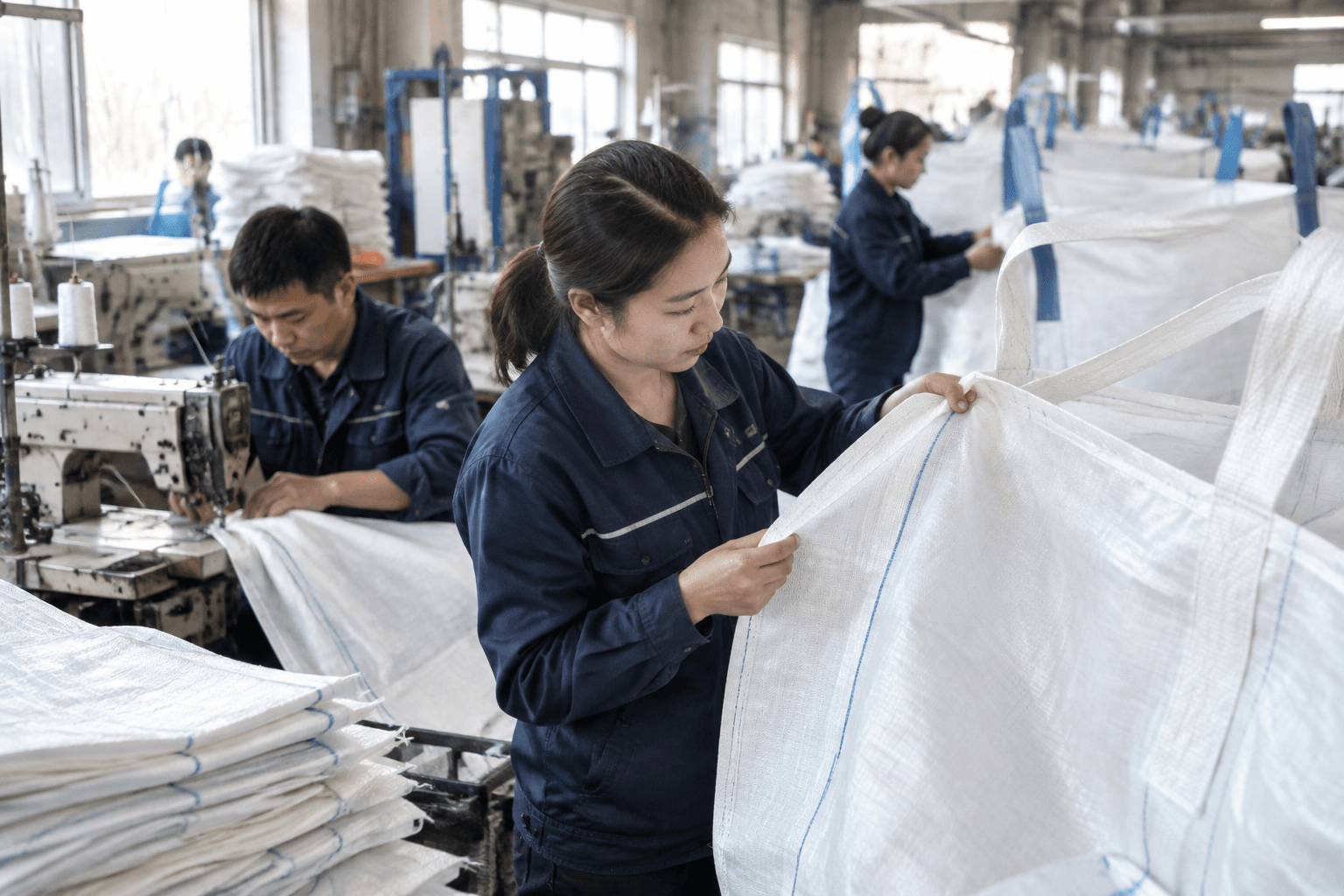
The 140th Canton Fair: New Trends in the Export Market for FIBC Bulk Bags, Jumbo Bags, and PP Woven Packaging
Explore how export buyers can evaluate FIBC bulk bags and PP woven packaging beyond unit price. Get practical guidance on specifications, supplier verification, sustainability requirements, and RFQs—and prepare your next sourcing conversation with COSEK.
Want to know more?
Get in touch with us for more information about our services and products.