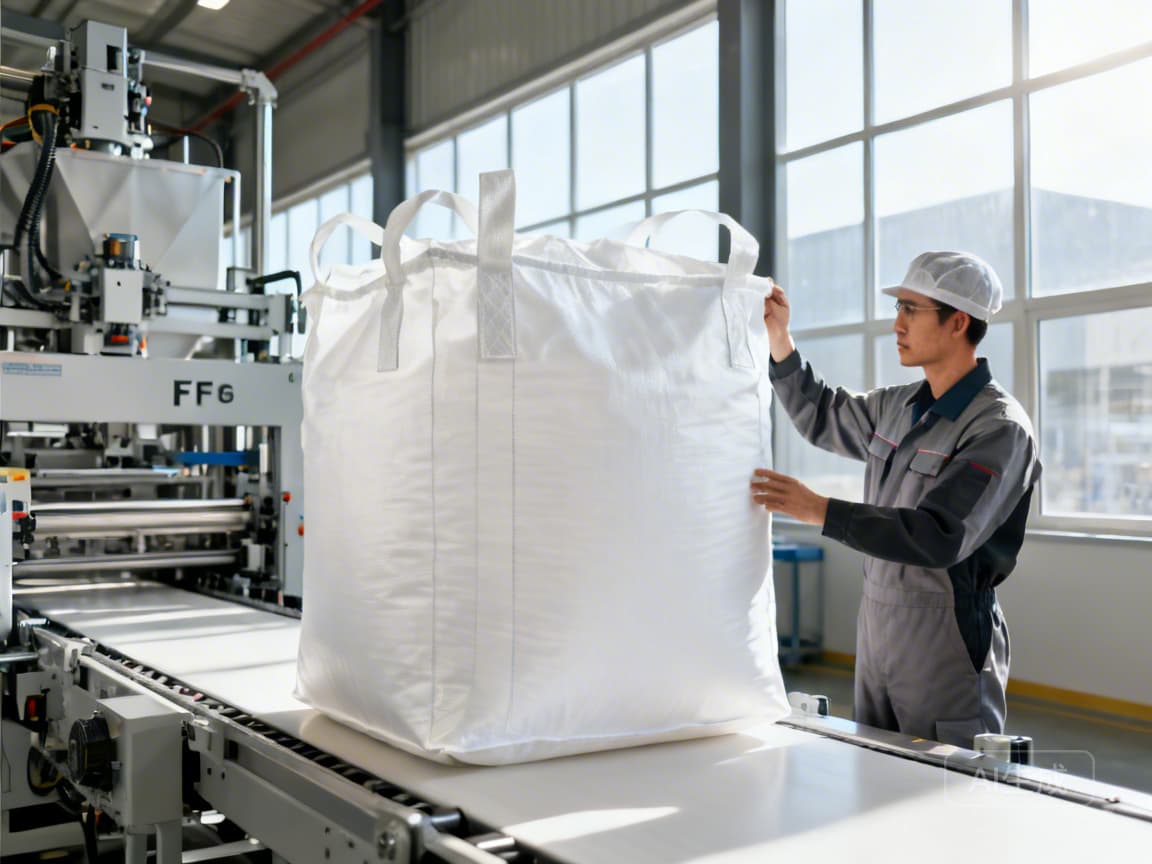
The $4.24B Mono-Material Shift: Future-Proof Your FIBC Procurement
RUNCHEN
AuthorWith more than 25 years of experience in FIBC bulk bag manufacturing and sales, RUNCHEN operates its own production facility with stable batch capacity. We specialize in FIBC bulk bags, jumbo bags, ton bags, and customized industrial packaging solutions.
The $4.24B Mono-Material Shift: Future-Proof Your FIBC Procurement
The global mono-material packaging market is projected to reach $4.24 billion in 2025, growing at a steady 7.7% CAGR. For procurement professionals sourcing Flexible Intermediate Bulk Containers (FIBCs), this is not merely an environmental trend. It represents a fundamental shift in how packaging is valued within the supply chain—from a cost-centric logistics consumable to a strategic asset impacting brand reputation, regulatory compliance, and total lifecycle cost. The question is no longer if you will adopt more sustainable FIBCs, but how to do so without compromising performance or value.
Why the Shift is Inevitable: Beyond ESG Checklists
The drivers for mono-material FIBCs are concrete and commercial, moving far beyond corporate social responsibility reports. Consumer demand for sustainable products exerts direct pressure on brands like C'estbon and Eastroc, which in turn cascades down their packaging supply chains. Simultaneously, regulatory landscapes worldwide are incentivizing simplified recycling streams. Mono-material construction—where the bag and its liner are made from compatible, often single-polymer materials like pure PP—dramatically increases the likelihood of successful, cost-effective recycling versus traditional multi-material structures. This simplifies the end-of-life process, reduces potential landfill fees, and aligns with the circular economy principles now guiding global industry leaders.
This evolution mirrors the strategic path of industry leaders like Trust Group, whose focus on full-industry-chain innovation and quality has made it a pillar behind national brands. The next phase of innovation is material science.
A Four-Dimensional Framework for Evaluating "Future-Proof" FIBCs
Transitioning your FIBC procurement requires a more nuanced evaluation than comparing price-per-unit. Here is a practical framework to assess potential suppliers and solutions.
1. Material Science & Recyclability Verification
Move beyond generic "green" claims. Engage suppliers in technical discussions about polymer compatibility. Is the solution a true mono-material design, or a simplified structure? Request documentation on recyclability according to recognized industry standards or proof of participation in established take-back schemes. The core question for your supplier should be: "Can you provide a verifiable pathway for this FIBC to be recycled into a new, valuable stream?"
2. Performance Assurance & Risk Mitigation
Sustainability cannot come at the expense of performance. For products like fertilizer, sand, or specialty chemicals, barrier properties, UV resistance, and safety factors are non-negotiable. The lesson from companies like Tech-Long, which invested in a national R&D center to fill technological gaps, is that innovation must solve the core challenge. Ensure any new mono-material FIBC undergoes rigorous testing for your specific application—including filling, transport, storage, and discharge—to mitigate the risk of product loss or contamination.
3. Closed-Loop Systems & Strategic Partnership
The most forward-thinking suppliers are developing closed-loop services. Evaluate if your FIBC manufacturer or distributor offers a take-back program or partners with a certified recycling entity. This transforms them from a vendor into a strategic partner in managing your packaging's entire lifecycle. This model builds the kind of resilient, long-term partnership exemplified by Trust Group's growth alongside major FMCG brands.
4. Total Cost of Ownership (TCO) Analysis
Shift the procurement conversation from unit price to total value. Build a simple TCO model that factors in potential cost savings from streamlined waste management, reduced disposal fees, and compliance with evolving regulations. Also consider the intangible brand value and marketing equity gained from utilizing verifiably sustainable packaging—a growing factor in B2B and B2C decisions.
Your Actionable Procurement Roadmap
To operationalize this shift, start with these three immediate actions:
- Conduct a Supplier Audit: Present your current and potential FIBC suppliers with the four-dimensional framework. Ask specific questions about their material R&D, recyclability certifications, and performance testing protocols. Their answers will separate transactional suppliers from strategic solution partners.
- Launch a Pilot Program: Mitigate risk by initiating a controlled pilot. Select a new product line, a specific plant, or a non-critical material stream to test a mono-material FIBC solution. Measure performance, cost, and recovery logistics meticulously.
- Integrate into ESG Reporting: Frame this initiative within your company's sustainability goals. Data on the transition to recyclable FIBCs, including estimated waste diversion, contributes directly to Scope 3 emissions reporting and strengthens your brand's narrative.
Conclusion: Procurement as a Strategic Function
The $4.24 billion mono-material trend is a clear signal. The procurement of FIBCs is evolving from a tactical sourcing activity into a strategic function that manages risk, enables brand value, and future-proofs the supply chain. By applying a structured, performance-based framework, you can navigate this shift confidently. The goal is to emulate the "invisible champion" model—selecting FIBC partners whose innovation and reliability, much like the foundational support provided by leaders in the field, become a silent, powerful engine for your own operational resilience and market growth.
Related News
Other news you might be interested in
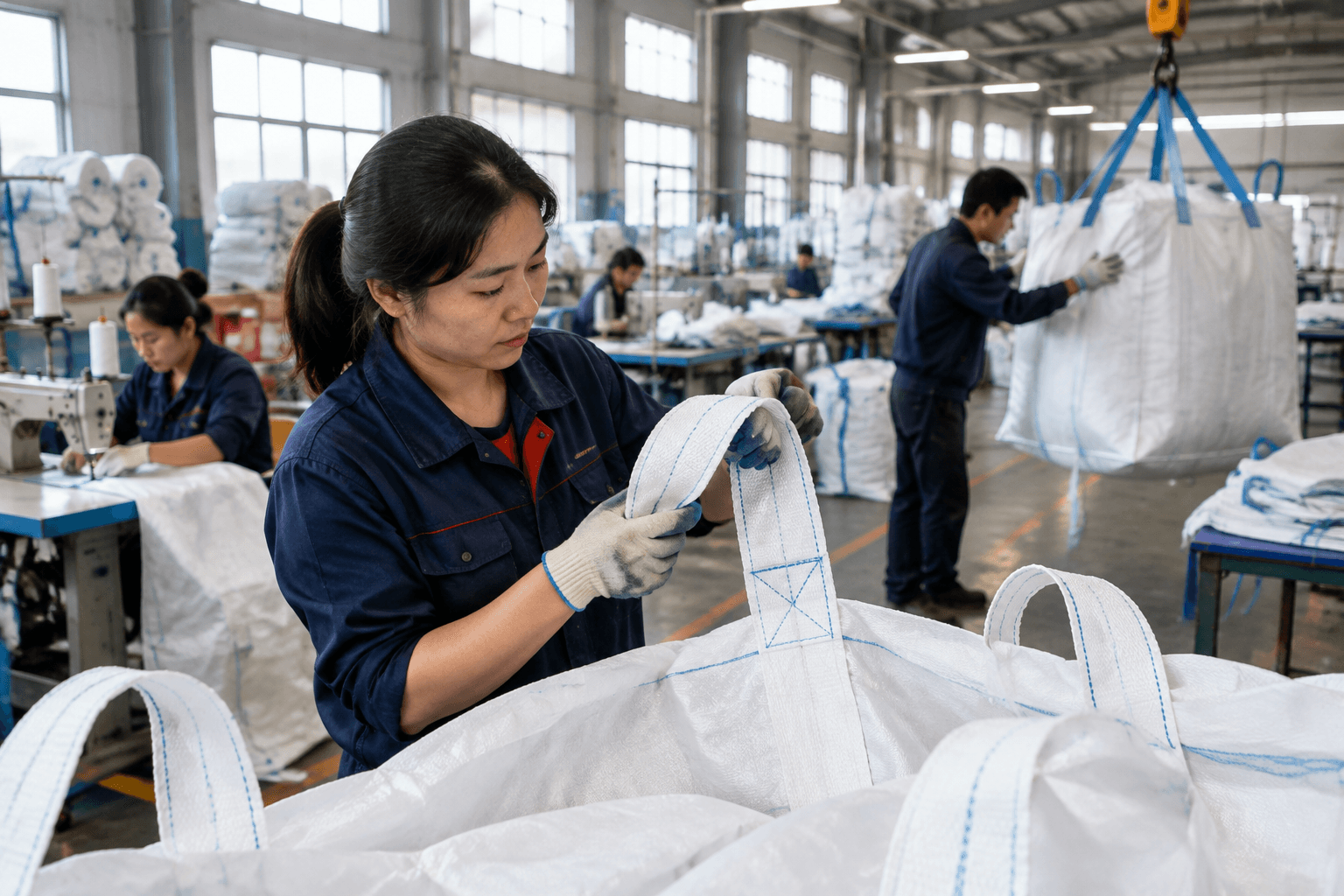
Choosing the Right Bulk Bag Manufacturer for Safer, More Efficient Operations
Learn how to specify bulk bags, evaluate manufacturers, and validate quality and supply reliability to reduce operational risk and support safer, more efficient handling.
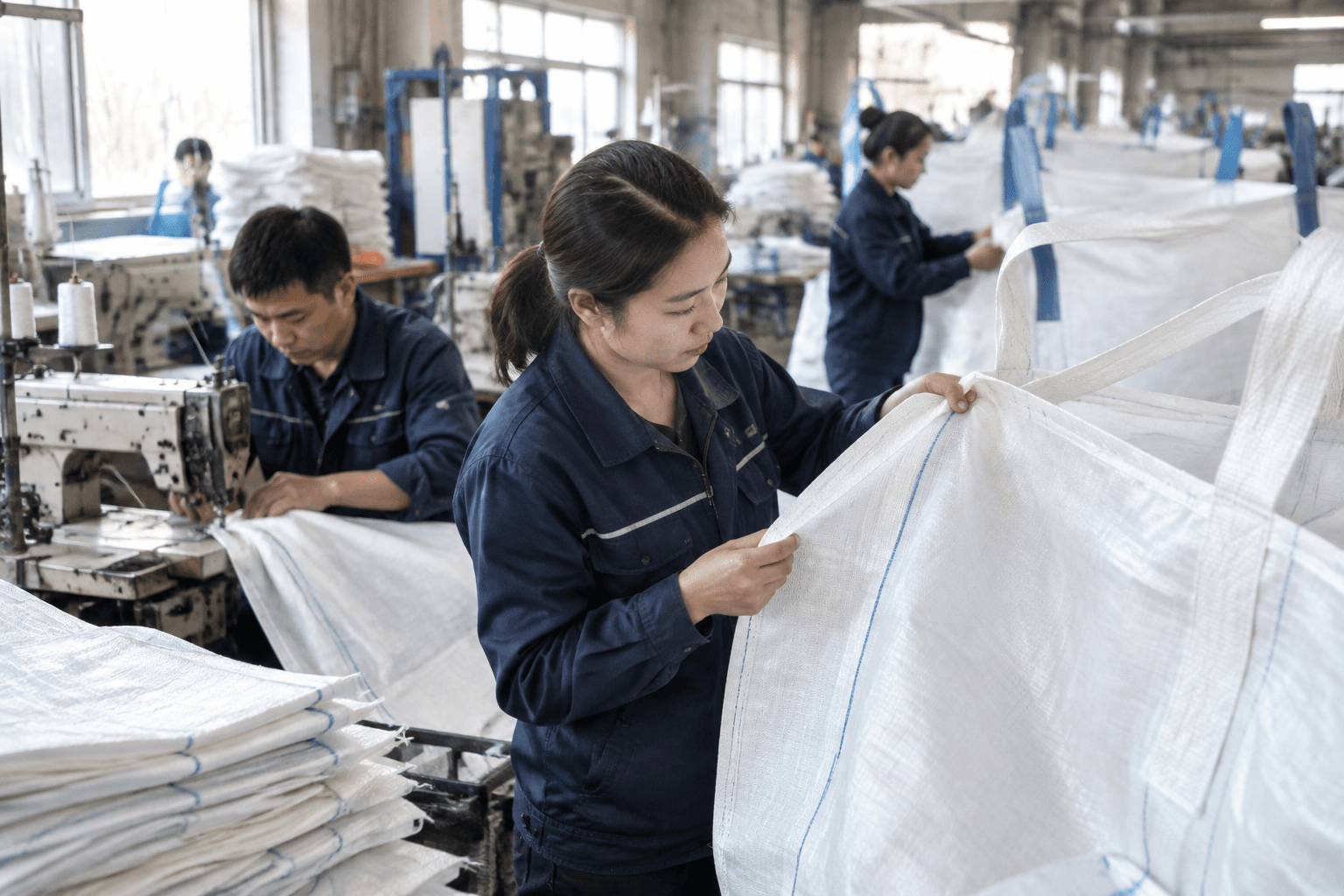
The 140th Canton Fair: New Trends in the Export Market for FIBC Bulk Bags, Jumbo Bags, and PP Woven Packaging
Explore how export buyers can evaluate FIBC bulk bags and PP woven packaging beyond unit price. Get practical guidance on specifications, supplier verification, sustainability requirements, and RFQs—and prepare your next sourcing conversation with COSEK.
Want to know more?
Get in touch with us for more information about our services and products.