
Tonnage Bags Cut Plastic Waste 35% & Drive Circular Economy ROI #46
RUNCHEN
AuthorWith more than 25 years of experience in FIBC bulk bag manufacturing and sales, RUNCHEN operates its own production facility with stable batch capacity. We specialize in FIBC bulk bags, jumbo bags, ton bags, and customized industrial packaging solutions.
From Linear to Circular: How Tonnage Bags Are Reshaping Industrial Packaging Sustainability
Global plastic production has reached alarming levels, with 4.6 billion tons produced annually as of 2019—a 230-fold increase over the past 70 years. More concerning, approximately 350 million tons of plastic waste enters our ecosystems each year, with a quarter of it being mismanaged and 0.5% ultimately reaching our oceans. For industrial enterprises, this environmental challenge represents both a compliance risk and a strategic opportunity to transform packaging from a cost center into a sustainability driver.
The Linear Economy Challenge in Industrial Packaging
Traditional industrial packaging operates on a take-make-dispose model that generates significant waste and hidden costs. Single-use packaging solutions, while convenient initially, create long-term environmental liabilities and increasing regulatory pressures. The financial implications extend beyond disposal costs to include potential fines, brand damage, and lost market opportunities as consumers and investors increasingly favor environmentally responsible businesses.
The global single-material packaging market is projected to grow from $3.94 billion in 2024 to $4.24 billion in 2025, representing a 7.7% CAGR, indicating strong market acceptance of sustainable alternatives.
Tonnage Bags: Strategic Tools for Circular Transformation
Tonnage bags (also known as FIBCs - Flexible Intermediate Bulk Containers) have evolved from simple transportation containers to sophisticated sustainability instruments. When implemented strategically, they can reduce plastic waste by 35% or more while delivering compelling ROI through material savings, transportation efficiency, and waste reduction.
Case Study: Tingyi (Master Kong) Holding Corporation's Success Story
Tingyi's implementation of tonnage bags demonstrates the tangible benefits of this approach. By transitioning from conventional raw material packaging to tonnage bags and tanker transportation, the company achieved:
- Significant plastic reduction through optimized packaging design
- Improved handling efficiency and reduced product loss
- Enhanced sustainability metrics reportable under ESG frameworks
- Lower transportation costs through optimized loading and reduced empty space
The company's experience confirms that tonnage bags represent a viable sustainable packaging solution that balances environmental and economic objectives.
Tonnage Bag Selection Matrix: Matching Solutions to Applications
Choosing the right tonnage bag requires careful analysis of material characteristics, handling requirements, and sustainability objectives. The following matrix provides guidance for optimal selection:
Four Primary Tonnage Bag Types and Their Applications
- Internal Loop Bags: Ideal for high-density powder materials with excellent stacking stability and reduced leakage risk
- Breathable Bags: Perfect for agricultural products prone to deterioration, minimizing product loss and maintaining quality
- Conductive Bags: Essential for chemical and hazardous materials, enhancing safety during handling and storage
- Aluminum Foil Bags: Superior protection for food, pharmaceutical, and high-value products with extended shelf-life requirements
Six-Step Implementation Roadmap for Circular Packaging Systems
Transitioning to tonnage bags requires a systematic approach to ensure successful adoption and maximum benefit realization.
Step 1: Comprehensive Packaging Audit
Conduct a thorough assessment of current packaging flows, including material types, volumes, handling processes, and disposal methods. Document baseline metrics for future comparison.
Step 2: Technical Specification Development
Based on material characteristics and handling requirements, develop detailed technical specifications for tonnage bag solutions. Consider factors such as material composition, weight capacity, lifting configurations, and discharge mechanisms.
Step 3: Supplier Collaboration and Certification
Engage with tonnage bag manufacturers who hold relevant certifications (ISO 21898:2004, EU packaging directives compliance) and can demonstrate sustainable production practices.
Step 4: Closed-Loop System Design
Implement collection, cleaning, and reuse systems to maximize the lifecycle of tonnage bags. Establish clear protocols for inspection, repair, and ultimate recycling.
Step 5: Performance Measurement Framework
Develop KPIs to track environmental and economic performance, including plastic reduction, cost savings, carbon emission reductions, and waste diversion rates.
Step 6: Continuous Improvement Process
Establish regular review cycles to identify optimization opportunities, incorporating feedback from operators, logistics partners, and sustainability teams.
ROI Calculation Framework: Quantifying the Benefits
The business case for tonnage bags extends beyond simple packaging cost comparisons. A comprehensive ROI analysis should include:
- Direct cost savings from reduced material usage, lower transportation costs (optimized cube utilization), and decreased storage requirements
- Indirect benefits including reduced product loss, improved handling efficiency, and lower waste management costs
- Strategic advantages such as enhanced brand reputation, improved regulatory compliance, and increased attractiveness to sustainability-conscious investors
- Environmental impact measured through carbon emission reductions, plastic waste diversion, and resource conservation
China's green packaging market has reached 80% penetration, reflecting both regulatory mandates and market demand for sustainable solutions.
Future Outlook: Market Transformation and Opportunities
The tonnage bag market is evolving rapidly, with projections indicating growth to $5.63 billion by 2029. This expansion is driven by several key trends:
- Increasing regulatory pressure on plastic packaging and waste management
- Growing consumer and investor demand for sustainable business practices
- Technological advancements enabling smarter, more durable, and more recyclable tonnage bags
- Integration of digital tracking and IoT technologies to optimize reuse cycles and lifecycle management
China's packaging paper market, expected to exceed one trillion yuan, demonstrates the scale of opportunity for sustainable packaging solutions that can deliver both environmental and economic benefits.
Conclusion: Strategic Imperative for Modern Enterprises
Tonnage bags represent more than just packaging—they are strategic instruments for building circular economy capabilities. By implementing the right tonnage bag solutions with a systematic approach, enterprises can achieve significant plastic reduction, cost savings, and sustainability improvements while future-proofing their operations against increasing regulatory pressures and changing market expectations.
The experience of early adopters like Tingyi demonstrates that the transition to circular packaging models is not only environmentally responsible but also economically advantageous. As global plastic regulations tighten and sustainability becomes a competitive differentiator, tonnage bags offer a practical, scalable solution for enterprises seeking to balance planetary concerns with business performance.
Related News
Other news you might be interested in
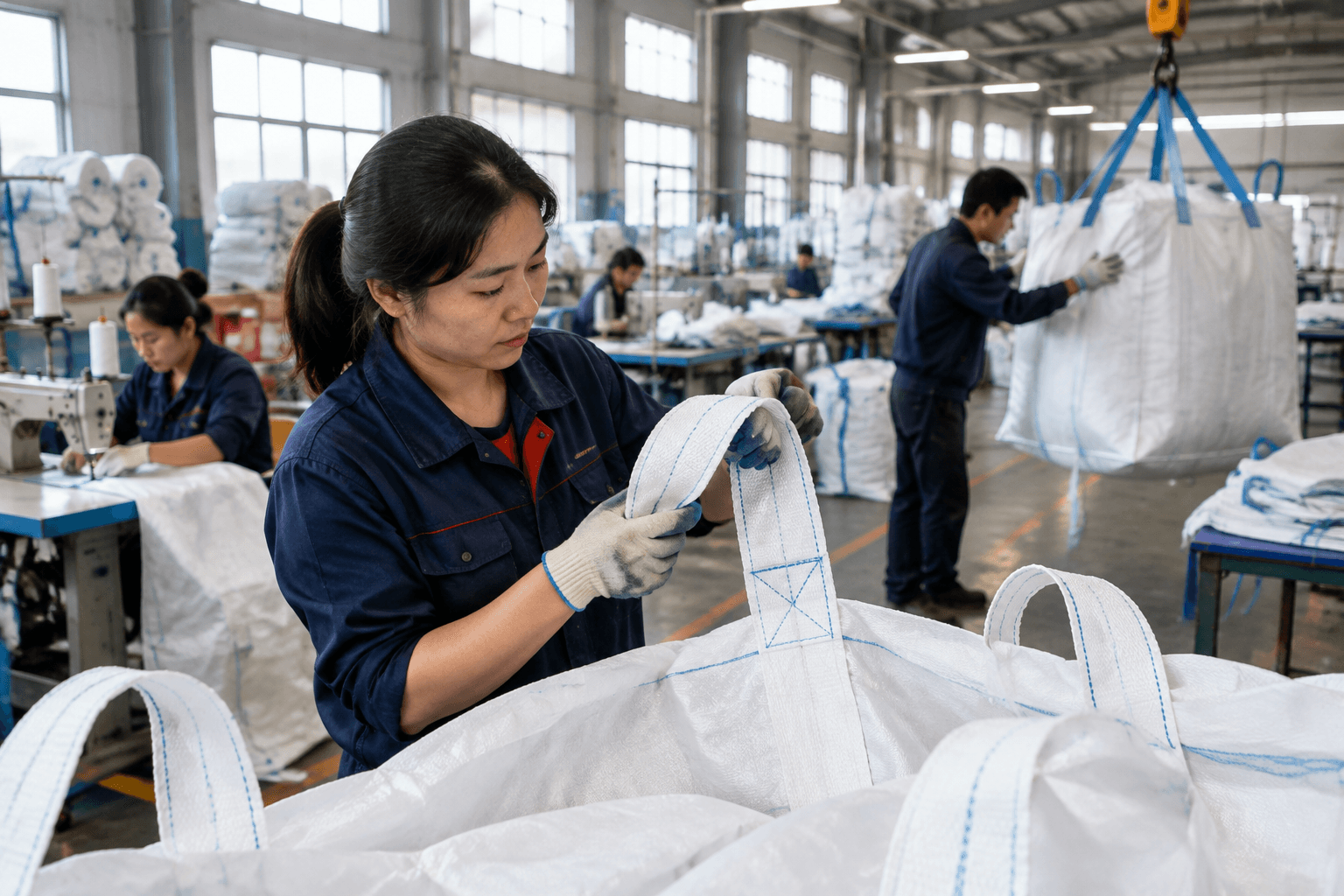
Choosing the Right Bulk Bag Manufacturer for Safer, More Efficient Operations
Learn how to specify bulk bags, evaluate manufacturers, and validate quality and supply reliability to reduce operational risk and support safer, more efficient handling.
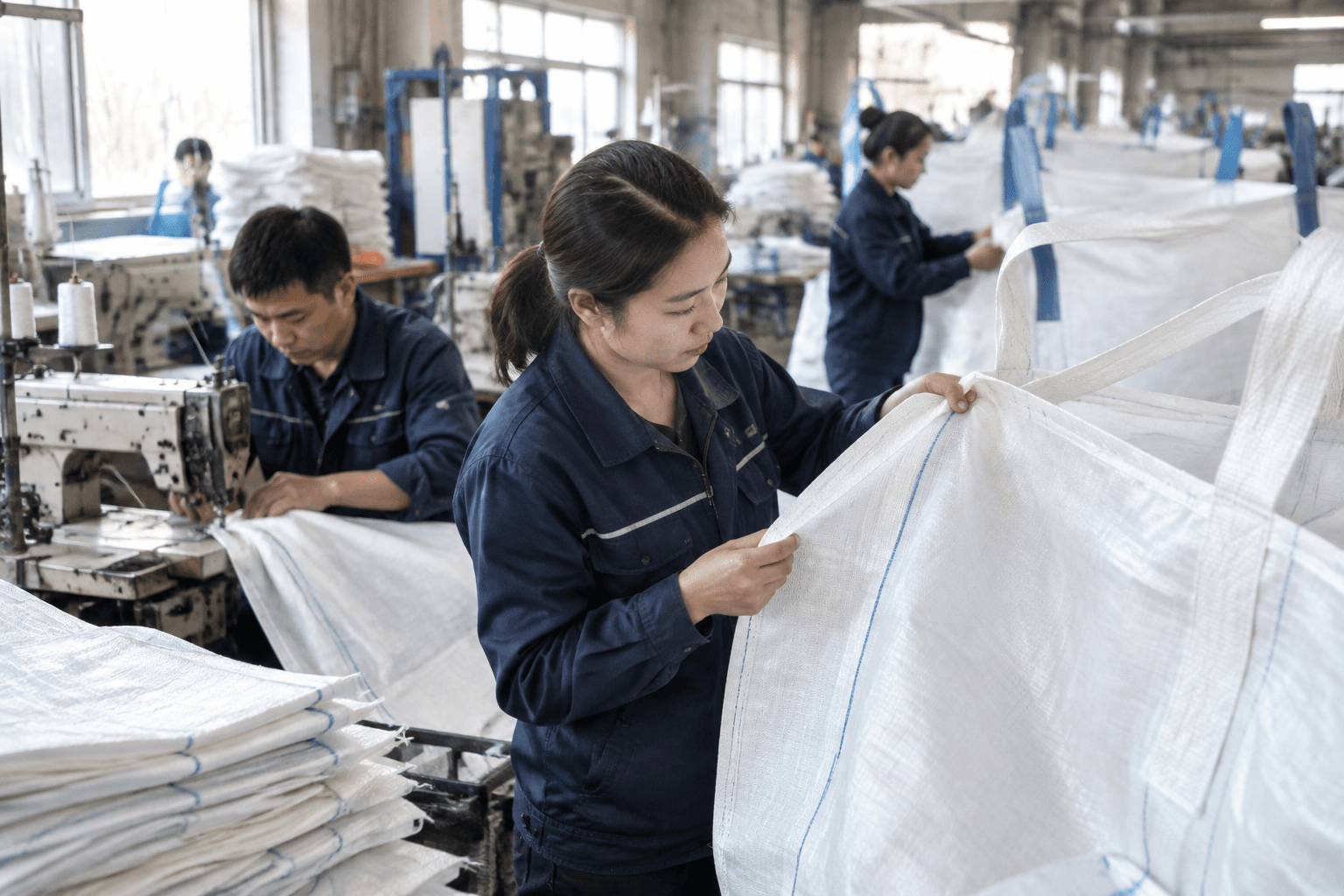
The 140th Canton Fair: New Trends in the Export Market for FIBC Bulk Bags, Jumbo Bags, and PP Woven Packaging
Explore how export buyers can evaluate FIBC bulk bags and PP woven packaging beyond unit price. Get practical guidance on specifications, supplier verification, sustainability requirements, and RFQs—and prepare your next sourcing conversation with COSEK.
Want to know more?
Get in touch with us for more information about our services and products.