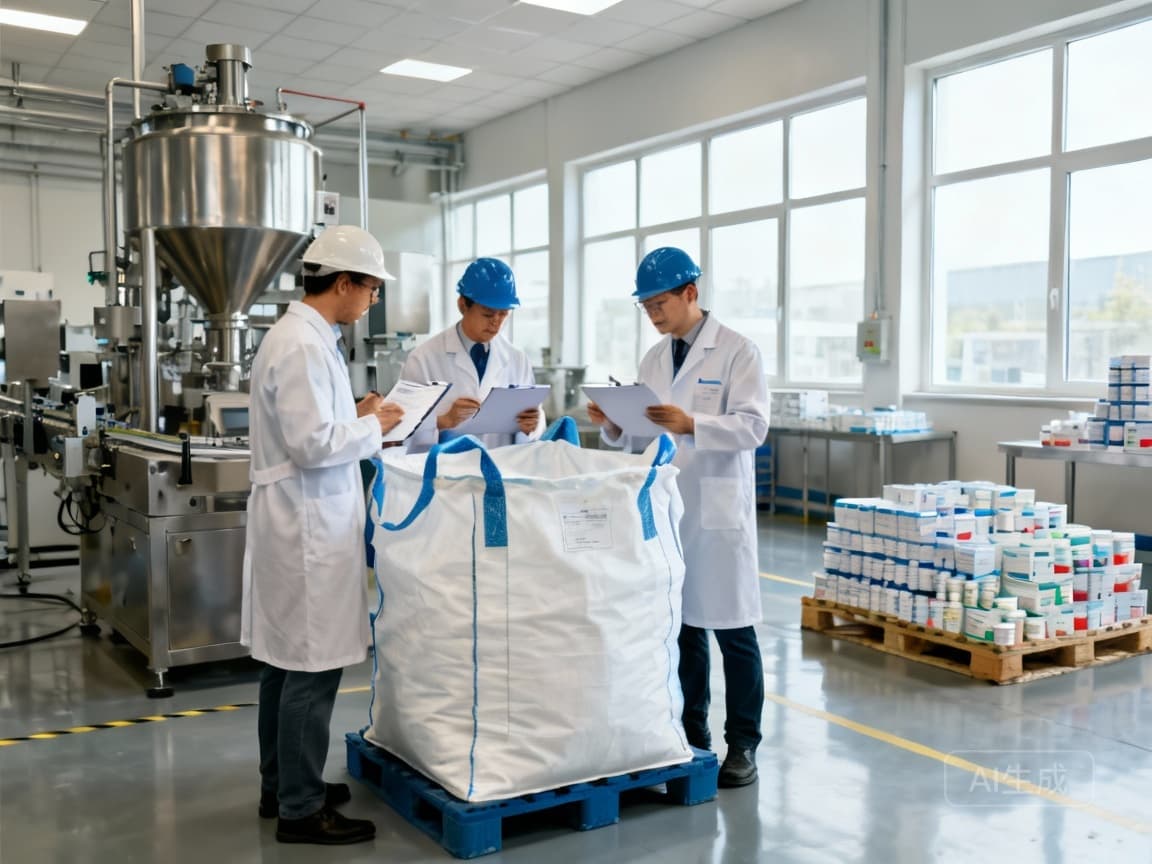
Tonne bags: Empowering pharmaceuticals to go global, building resilient supply chains, reducing costs and increasing efficiency by 30% # 13
RUNCHEN
AuthorWith more than 25 years of experience in FIBC bulk bag manufacturing and sales, RUNCHEN operates its own production facility with stable batch capacity. We specialize in FIBC bulk bags, jumbo bags, ton bags, and customized industrial packaging solutions.
Beyond the Bag: How FIBCs Build Resilient Supply Chains for Pharma's Global Ascent
The global pharmaceutical industry stands at a critical juncture. In 2024, China's pharmaceutical manufacturing sector, a global powerhouse, saw revenues of approximately 1.24 trillion RMB, reflecting a slight contraction of 0.9%. In this climate of intensified competition, companies are aggressively pursuing international product registrations and certifications to capture overseas market share. Yet, a hidden vulnerability often undermines these expansion efforts: the supply chain's physical backbone, particularly bulk material handling and transport. Here, Flexible Intermediate Bulk Containers (FIBCs or bulk bags) transform from a simple packaging cost into a strategic asset for building resilience, ensuring compliance, and driving measurable efficiency gains.
The Strategic Pivot: From Cost Center to Value Driver
Traditional discussions around FIBCs focus narrowly on cost-per-unit and basic loss prevention. This commoditized view misses the larger opportunity. In today's landscape, where a single customs delay or product contamination incident can derail a multimillion-dollar shipment, the right bulk bag solution acts as indispensable armor for your product's integrity and your brand's reputation. The goal is not just to ship a product, but to guarantee its safe, compliant, and efficient journey from your production line to the customer's process, anywhere in the world.
This shift mirrors successful strategies in adjacent industries. For instance, industrial manufacturers have recovered market share by prioritizing process optimization and innovation. Similarly, Holland Mechanics boosted logistics efficiency by 30% through modular, flexible conveyor systems that adapted to existing layouts. The lesson is clear: strategic investments in logistics infrastructure—where FIBCs play a central role—deliver compound returns across the entire operation.
Deconstructing the "Zero-Loss" Pharma Logistics Blueprint
For a pharmaceutical company exporting high-value active pharmaceutical ingredients (APIs) or probiotics, the journey is fraught with risk. A proactive FIBC strategy addresses each stage:
- Production & Filling: The choice of certified, low-shedding bulk bag liners is paramount for product purity. Automated bulk bag fillers ensure precise weight control and consistent, secure sealing, forming the first critical control point.
- Domestic Handling & Storage: Design matters. Bags engineered for stable stacking optimize warehouse space. Proper lift loop (吊带) design is crucial for safe interaction with automated bulk bag dischargers, minimizing manual handling and potential workplace injury.
- International Transport & Customs: This is where compliance becomes non-negotiable. FIBCs must carry the correct UN certification for sea freight, along with clear markings on material composition and safety data. Incomplete or non-compliant documentation is a leading cause of costly port delays.
- Destination Unloading & Integration: A well-designed spout allows for clean, closed-system transfer directly into the client's production line, ensuring no contamination and maximizing throughput. This final touchpoint directly impacts the end-client's operational efficiency.
When your biologicals or high-value APIs are bound for the EU or North America, non-compliant or poorly designed transport packaging can become the invisible bottleneck to market entry and revenue.
The Path to 30% Efficiency Gains: A Systems Approach
The referenced efficiency gains are not plucked from thin air; they are the cumulative result of systemic improvements. By viewing FIBCs as an integrated system component rather than a disposable item, companies unlock value:
- Reduced Direct Loss: Superior, fit-for-purpose materials and construction drastically cut tears and leaks, protecting product worth.
- Faster Turnaround: Bags designed for quick rigging and discharge speed up loading/unloading cycles, keeping trucks, ships, and production lines moving. This directly contributes to the kind of logistics efficiency gains demonstrated in other sectors.
- Labor & Safety Optimization: Ergonomic design and compatibility with automated handling equipment (bulk bag unloaders) reduce labor strain, lower safety risks, and free personnel for higher-value tasks.
- Waste Minimization: Durable, reusable FIBC options and effective liner systems minimize disposable waste, aligning with corporate sustainability goals and reducing long-term material costs.
The Future-Proofed Supply Chain: Intelligence Embedded
The next frontier lies in connectivity. Just as AI agents are used to automate and optimize complex business processes, the future of FIBCs involves smart packaging. Imagine bags with embedded sensors providing real-time data on location, temperature, and humidity shocks, or RFID tags enabling full lot-level traceability from raw material to finished drug product. This transforms the bag from a passive container into an active data node, enabling predictive logistics and unparalleled supply chain visibility. While widespread adoption evolves, partnering with a forward-thinking FIBC bulk bag manufacturer who understands this trajectory is the first step.
Conclusion: Building Resilience is a Strategic Choice
For pharmaceutical companies navigating a complex global market, resilience is the new competitive advantage. It is built not only through R&D and regulatory prowess but also through operational excellence in the supply chain. A strategically selected, high-performance FIBC solution is a critical, yet often underestimated, pillar of this resilience. By ensuring compliance, protecting product integrity, and streamlining logistics, the right bulk bag partnership does more than reduce costs—it de-risks your global expansion and accelerates your path to sustainable, high-quality growth. The data shows the industry is under pressure; the response must be smarter, more integrated operations where every component, down to the bag, is engineered for success.
Related News
Other news you might be interested in
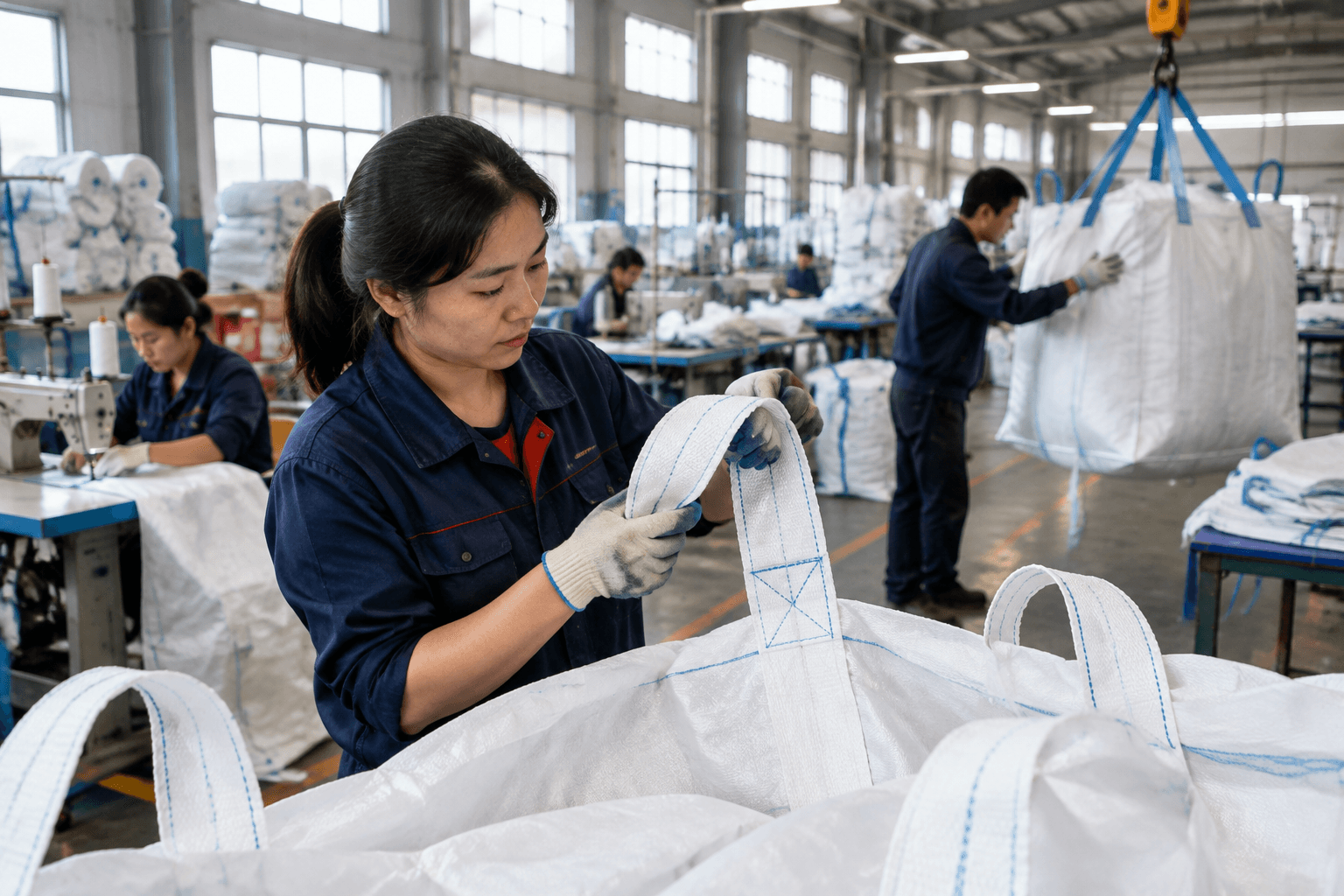
Choosing the Right Bulk Bag Manufacturer for Safer, More Efficient Operations
Learn how to specify bulk bags, evaluate manufacturers, and validate quality and supply reliability to reduce operational risk and support safer, more efficient handling.
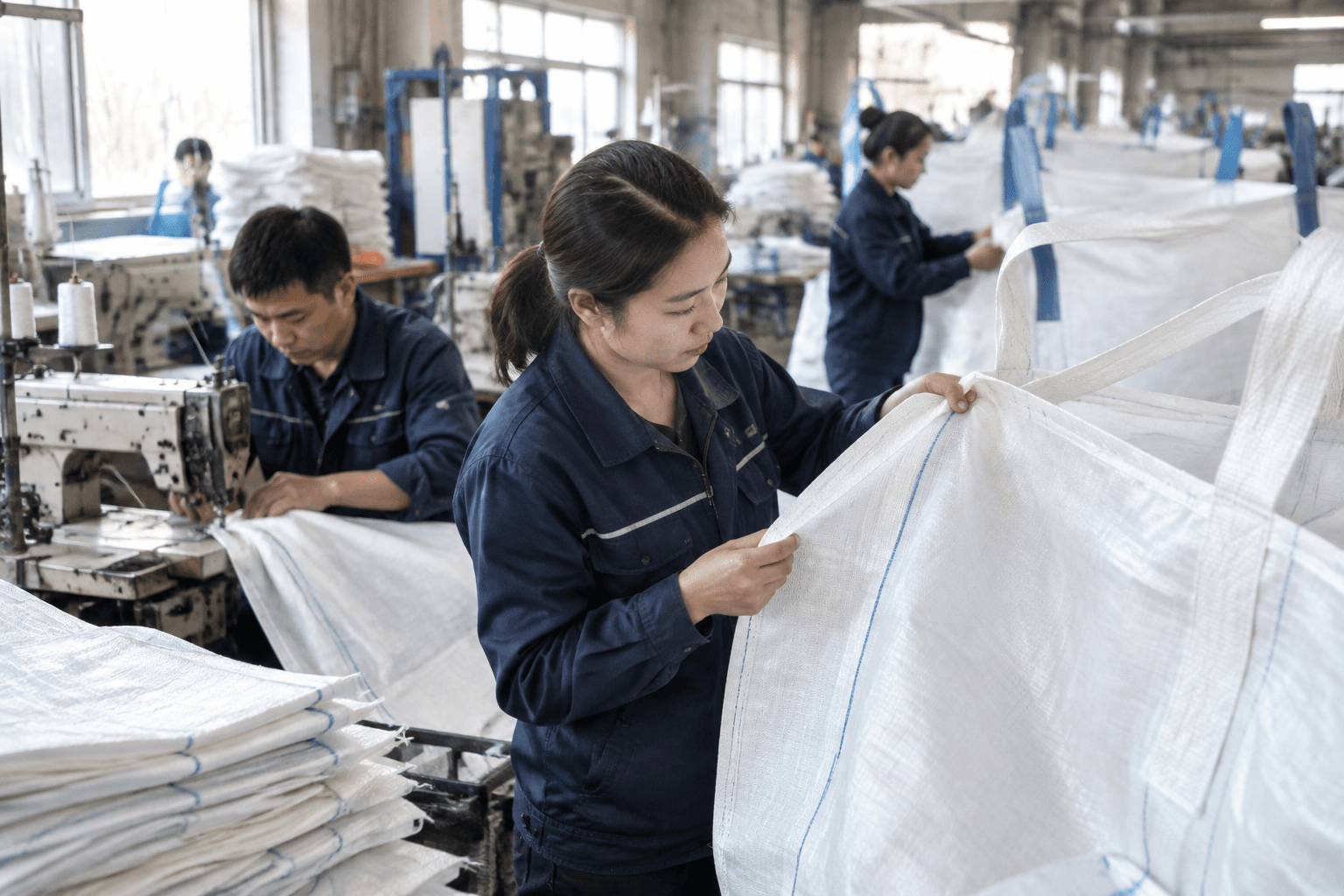
The 140th Canton Fair: New Trends in the Export Market for FIBC Bulk Bags, Jumbo Bags, and PP Woven Packaging
Explore how export buyers can evaluate FIBC bulk bags and PP woven packaging beyond unit price. Get practical guidance on specifications, supplier verification, sustainability requirements, and RFQs—and prepare your next sourcing conversation with COSEK.
Want to know more?
Get in touch with us for more information about our services and products.